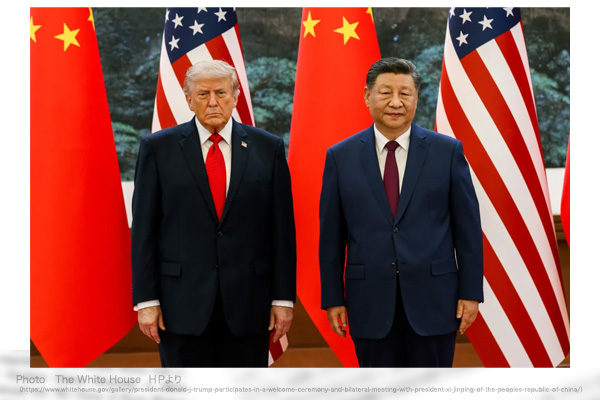
The U.S.-China summit in Washington concluded, leaving the impression of a political drama marked by meticulous calculation and grand staging. U.S. President Donald Trump bracing for midterm elections in November and Chinese President Xi Jinping preparing for the Fifth Plenary Session of the Chinese Communist Party Central Committee in late October had their respective reasons to domestically demonstrate themselves as leaders who call the shots for the world. They faced skeptical criticism that the summit had produced no substantive results. However, a closer look at the statements made by the two leaders and the fact sheet released by the White House reveals historical fictions and geopolitical traps woven by major powers that cannot be overlooked.
“Allies in WWII” distorts history
The published fact sheet lists the summit’s achievements such as the establishment of a bilateral dialogue framework on artificial intelligence, tariff cuts for goods worth $30 billion, and promises for two more bilateral summits within this year. Behind these achievements, however, Trump’s rhetorical concession describing the two countries as “allies in World War II” represents a precarious twist of history.
Given that the U.S. wartime ally was the Republic of China led by Chiang Kaishek, not the present-day People’s Republic of China, the statement can only be seen as either a crude distortion of history or a black joke. In response to Trump’s distorted view of “the greatness that we had together fighting in World War II,” Xi said that “Chinese and Americans fought shoulder to shoulder against fascist aggression,” thereby driving a wedge between the United States and Japan. The Chinese Communist Party has repeatedly employed the tactic of using history to portray Japan as a common enemy of the U.S. and China in an attempt to divide Japan and the U.S.
In the past, then-Chinese President Jiang Zemin reminded the American public of “lessons” from Japan’s Pearl Harbor attack during his visit to Hawaii. While tying Japan to historical issues, he tried to instill a unified U.S.-China historical view. Trump’s latest remark is serious because it reinforces this kind of historical distortion inherent in China’s anti-Japanese narrative. The U.S. administration’s easy compromise with China’s historical view could justify China’s pressure on Japan, a true U.S. ally. The magnanimity of the White House at the time, which brushed off the anti-China protests during Jiang’s visit to Washington following Hawaii as a “symbol of democracy,” is absent in today’s United States.
Japan needs resolve against deceit of major powers
Beijing’s calculations are clear. While Washington is exhausted by the Iran war and deepens rifts with U.S. allies, Beijing intends to buy time to achieve China’s self-sufficiency in semiconductor and aircraft manufacturing and develop a durable system capable of withstanding external pressures. It also seeks to entice the U.S. with the reassuring rhetoric of ‘strategic stability,’ while using the time thus gained to steer Washington toward accepting the Western Pacific as China’s sphere of influence and to deter U.S. military intervention. Trump’s attitude of hesitating to engage in a distant war, with Taiwan in mind, hints at the risk that Washington might move toward dividing spheres of influence.
What is required of Japan’s Sanae Takaichi administration is nothing less than to discern what lies behind the deceptive “truce” between the major powers and to possess the realist resolve to protect Japan’s sovereignty and its people. Will Japan continue to play the role of a historical villain tossed about by the interests of the major powers, or confront the harsh realities of geopolitics and forge its own path toward independence? The true test Japan must overcome has just begun.
Hiroshi Yuasa is a Planning Committee member and a senior fellow at the Japan Institute for National Fundamentals. He is also a columnist for the Sankei Shimbun newspaper.
 Tsutomu Nishioka
 Takashi Arimoto
 Tadae Takubo
 Fumio Ota
 Yoshiko Sakurai
 Yasushi Tomiyama
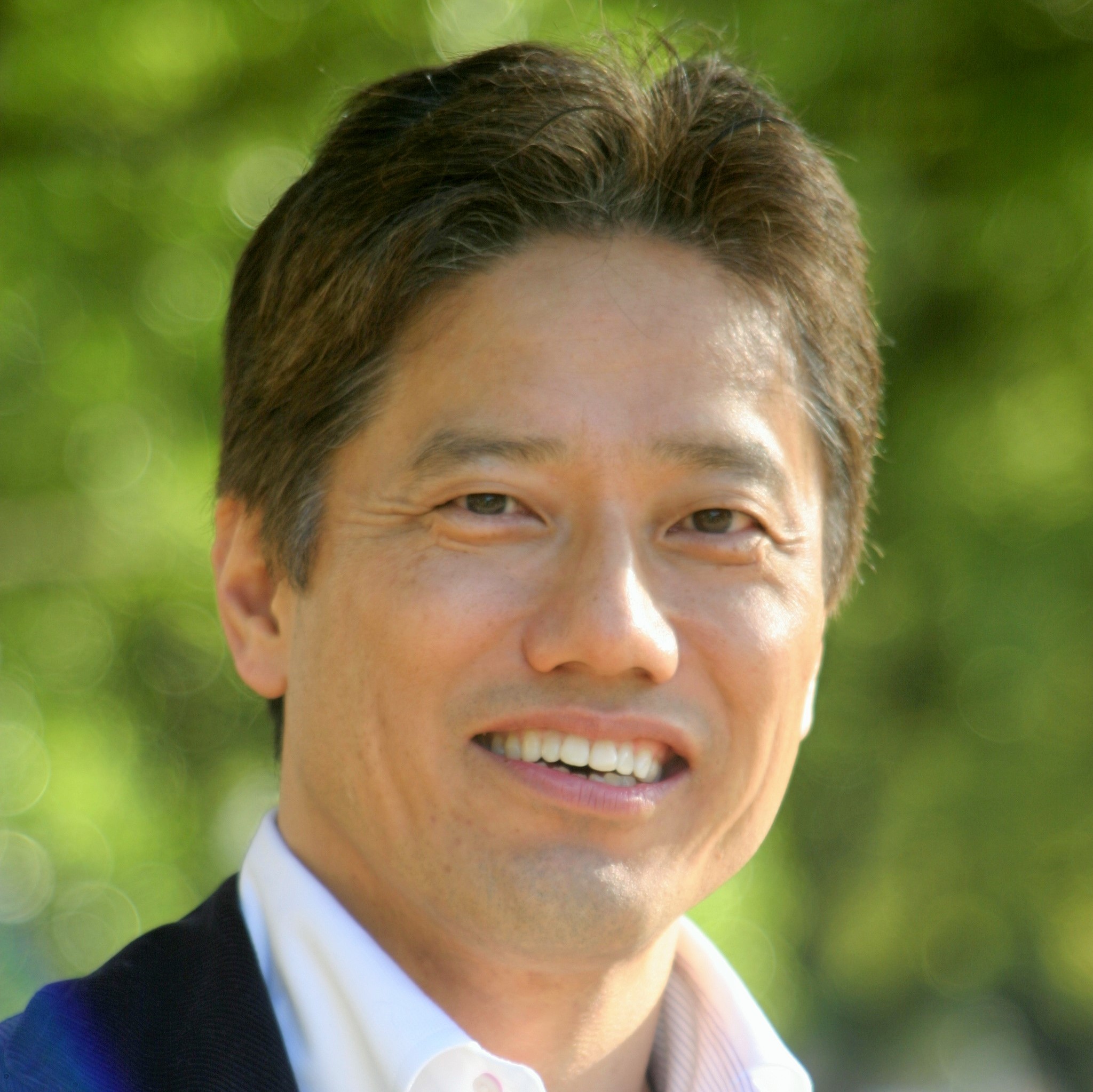 Masahiko Hosokawa
 Yoichi Shimada
 Tadashi Narabayashi
 Hideo Tamura
 Kiyofumi Iwata
 Kunio Orita
 Maki Nakagawa
 Etsuro Honda
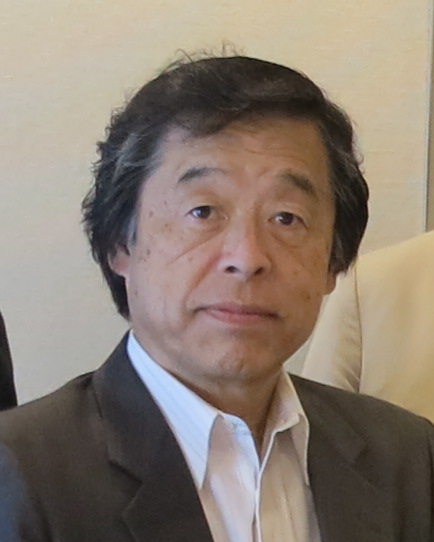 Yujiro Oiwa
 Hironobu Ishikawa
 Shiro Takahashi
 Katsuhiko Takaike
 Michio Ezaki
 Akira Momochi
 Akio Yaita
 Yoshihiko Yamada
 Seiji Kurosawa
 Koichi Endo
 Brahma Chellaney
 Nobuko Araki
 Yang Haiying
 James Auer
 Sumihiko Kawamura
 Hiroshi Kimura
 Osamu Nishi
 Koko Kato
 Tadashi Saito
 Shohei Umezawa
 Jason Morgan
 Arvind Gupta
 Kenro Nagoshi
 Takeshi Kudo
 Sukehiro Hirakawa
 Yumiko Nishimoto
 Rikiwo Shikama
 Eriko Yamatani
 Koichi Furusho
 Tadashi Ito
 Satoshi Hirano
 Lee Woo Young
 Taro Yayama
 Koh Sekai
 Koji Okamoto
 Tsutomu Toichi
 Hideaki Karaki
 Toshu Noguchi
 Kichinosuke Ihara
 Hisashi Matsumoto
 Yasuyuki Takai
 Nobuyuki Sato
 Chung Dae Kyun
 Toshio Watanabe
 Katsuya Tsukamoto
 Kazuto Suzuki
 Koichi Mera
 Akihisa Nagashima
 Miki Kase
 Eitaro Ogawa
 Hirotaka Watanabe
 Akinaka Senzaki
 Kevin Maher
 Yang Yi
 Hidetake Sawa
 Satoshi Tomisaka
 Nobukatsu Fujioka
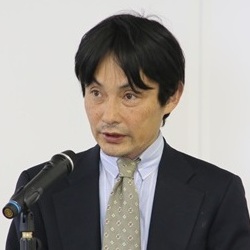 Masanori Kondo
 Hiroshi Ito
 Mio Sugita
 Rupakjyoti Borah
 Seiichi Okutomi
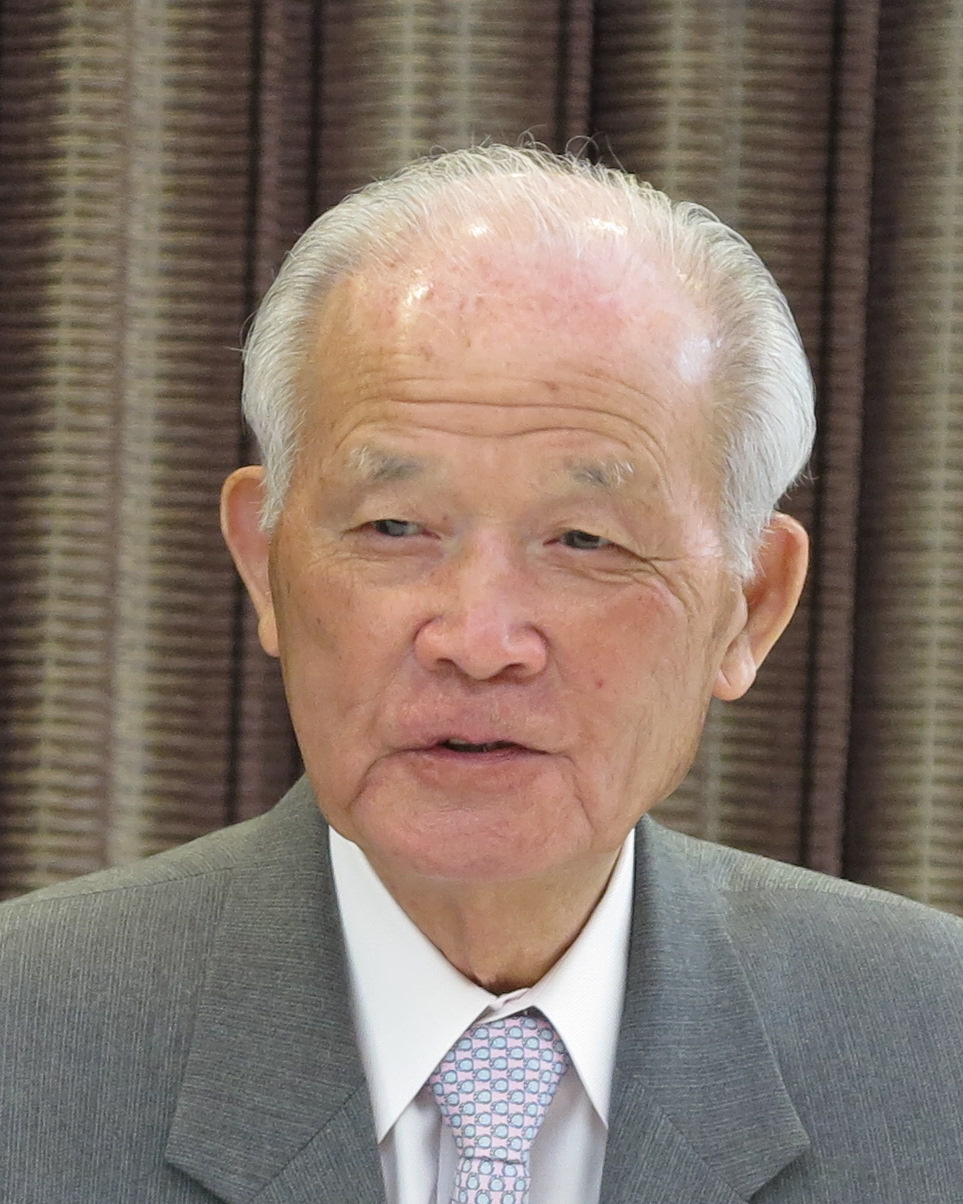 Saburo Tsukamoto
 Yasuo Naito
 Satoshi Sakakibara
 Yen-Hung Lin
 Sanae Takaichi
 Haruhisa Nakagawa
 Norihide Miyoshi
 Syunichi Akasofu
 Ryoichi Hamamoto
 Hong Hyung
 Andrii Gurenko
 Ronald Morse
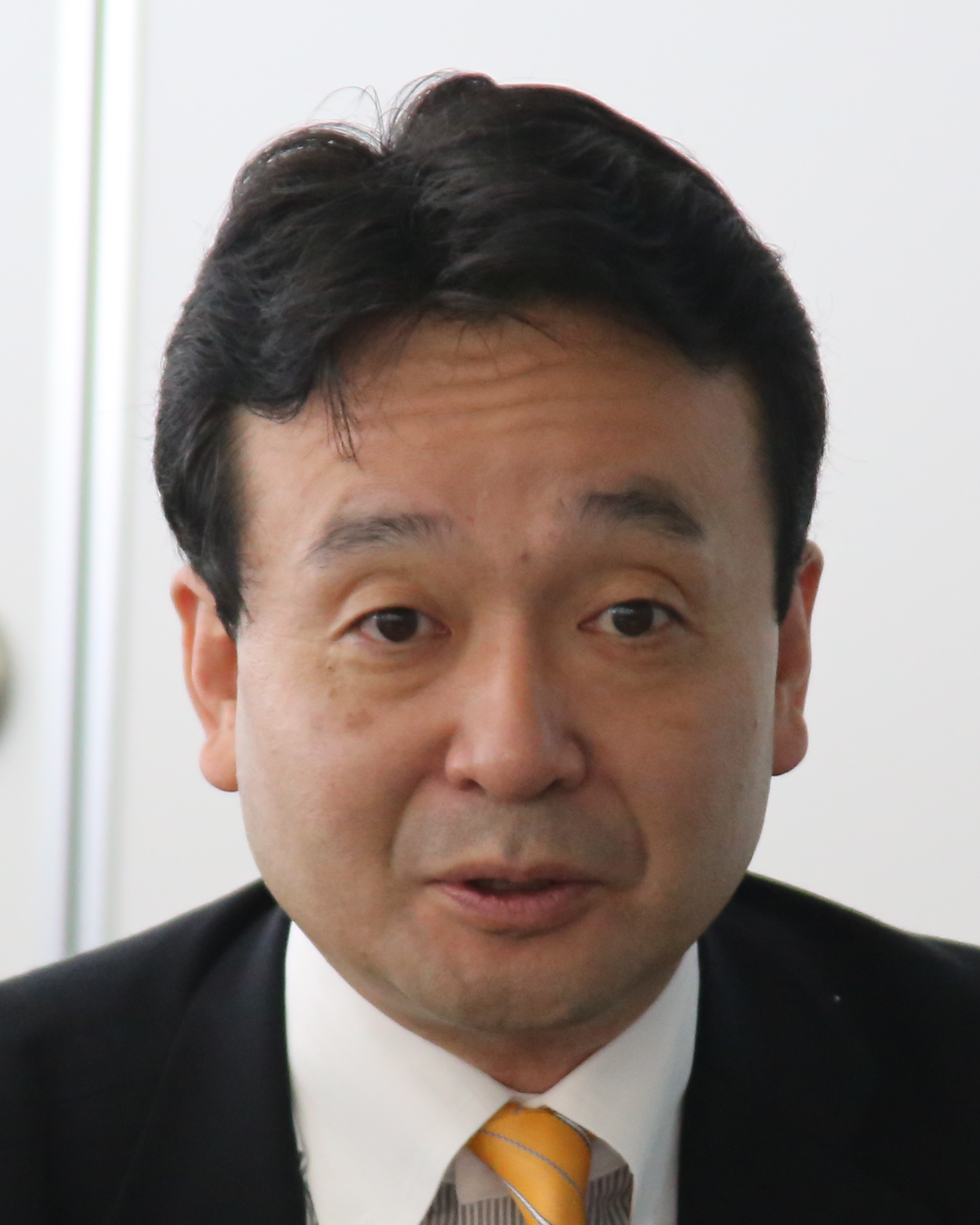 Kazuhiko Inoue
 Keiichi Nakagawa
 Masamori Sase
 Katsutoshi Kawano
 Tomohisa Takei