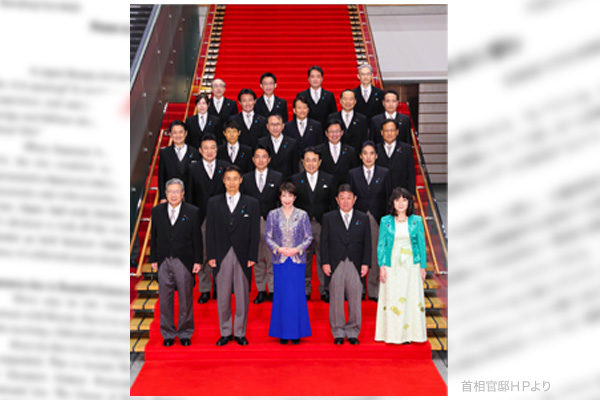
The reshuffled Second Takaichi Cabinet began work in earnest on Sept. 24 after Japan’s extended holiday weekend. Although news coverage of cabinet reshuffles tends to focus on political maneuvering, such as intraparty power dynamics, the latest appointments indicate that Prime Minister Sanae Takaichi, drawing on a survey of preferred posts distributed to the ruling Liberal Democratic Party lawmakers, was determined to place the right people in the right positions based on policy expertise.
The half-hearted inaugural press conferences sometimes seen during the heyday of factional politics, in which newly appointed ministers would say things like “I will start learning about the job now,” have largely disappeared. Every new cabinet minister has a solid grasp of the issues facing his or her ministry and is prepared to hit the ground running from day one. The emergence of precisely the kind of get-things-done cabinet Takaichi sought to create deserves high praise.
Pay attention to Regulatory Reform Minister
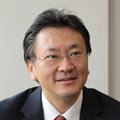
One notable aspect of the cabinet reshuffle is the appointment of Hiroshi Nakatsuka, a former secretary-general of the Japan Innovation Party, the LDP’s junior coalition partner, as minister in charge of regulatory reform. Vested business interests and political entanglements within the LDP have been intricately intertwined, stalling initiatives to break through entrenched regulations.
The appointment of the senior JIP figure known as an advocate for thorough administrative reform and decisive implementation of regulatory reform to this post signals Takaichi’s determination to break through the prevailing deadlock.
Taking bold steps to dismantle outdated regulations that hinder private-sector innovation and the adoption of digital technologies across society will not only raise the economy’s potential growth rate but also reduce wasteful government spending by reforming bloated subsidies and inefficient administrative processes.
Nakatsuka is expected to take the lead in promoting regulatory, administrative, and fiscal reform to achieve the Takaichi administration’s goal of balancing sustainable fiscal management with economic growth.
Other top priorities include abduction issue and constitutional amendment
The retention of key ministers responsible for foreign affairs, national security, and economic and fiscal policies is desirable from the perspective of policy continuity and effectiveness. If cabinet ministers are shuffled every year, they cannot steadily implement complex policy roadmaps or demonstrate leadership over the vast bureaucracy.
Currently, Japan’s security environment and economic situation are in the midst of turbulent change, requiring fundamental action without delay. In the face of mounting challenges such as addressing rising prices, ensuring a stable energy supply, and responding to severe geopolitical risks, Japan has no room to waste time on ideology-driven theorizing or political posturing.
Takaichi has also begun making appointments to party headquarters that report directly to the party president, including the heads of headquarters tasked with addressing the abduction issue and advancing constitutional amendment. Both are among the highest-priority issues that the administration must tackle.
It is hoped that the get-things-done cabinet led by Takaichi will implement policies promptly with decisiveness and deliver tangible results quickly.
Takashi Arimoto is a Planning Committee member at the Japan Institute for National Fundamentals and a columnist at the Sankei Shimbun newspaper.
 Tsutomu Nishioka
 Tadae Takubo
 Fumio Ota
 Yoshiko Sakurai
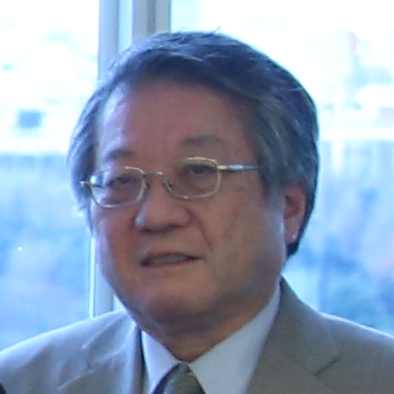 Yasushi Tomiyama
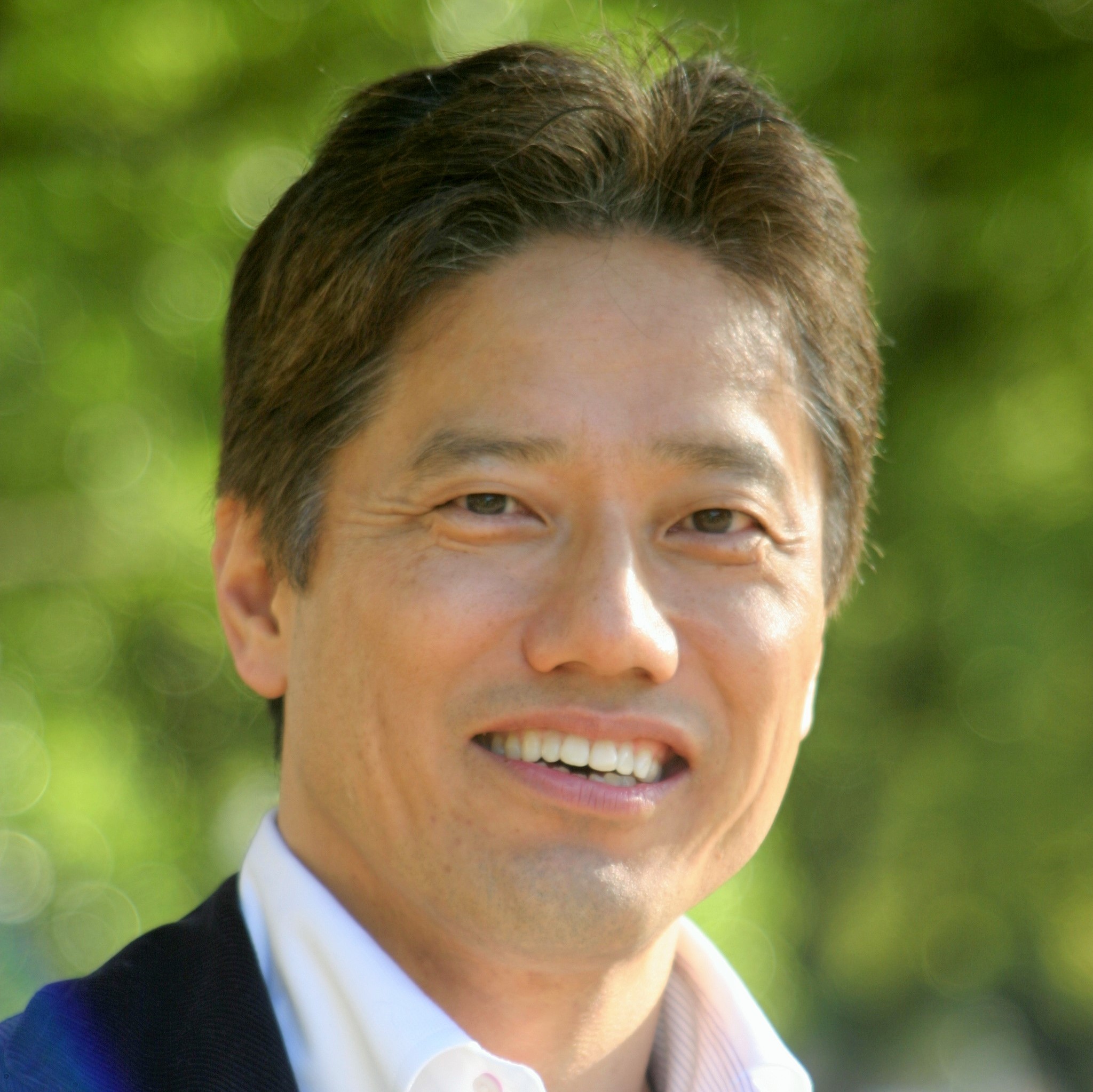 Masahiko Hosokawa
 Yoichi Shimada
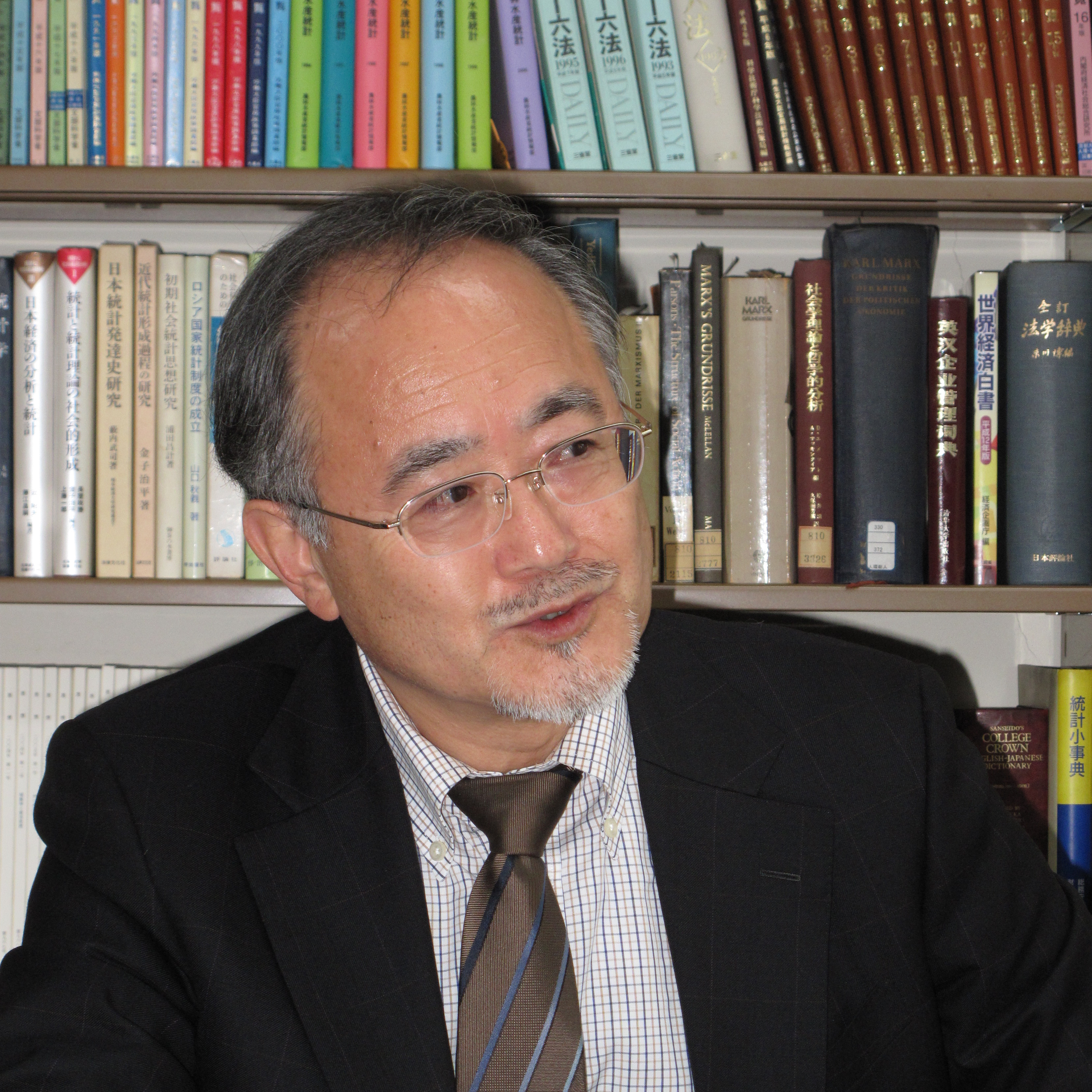 Hiroshi Yuasa
 Tadashi Narabayashi
 Hideo Tamura
 Kiyofumi Iwata
 Kunio Orita
 Maki Nakagawa
 Etsuro Honda
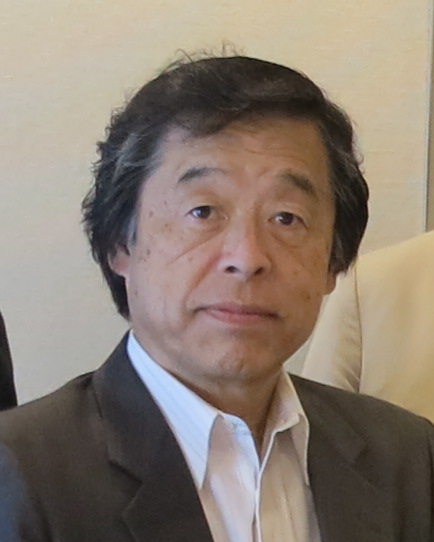 Yujiro Oiwa
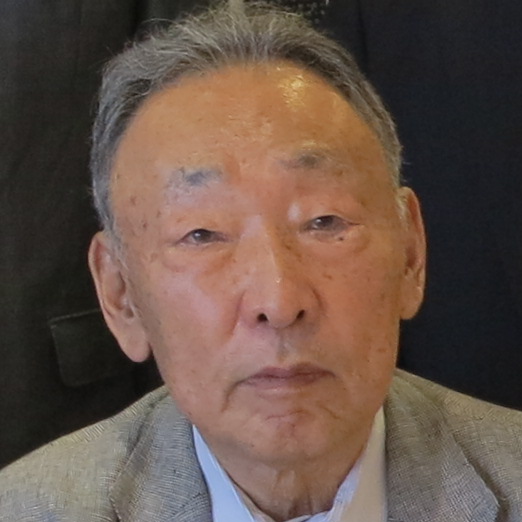 Hironobu Ishikawa
 Shiro Takahashi
 Katsuhiko Takaike
 Michio Ezaki
 Akira Momochi
 Akio Yaita
 Yoshihiko Yamada
 Seiji Kurosawa
 Koichi Endo
 Brahma Chellaney
 Nobuko Araki
 Yang Haiying
 James Auer
 Sumihiko Kawamura
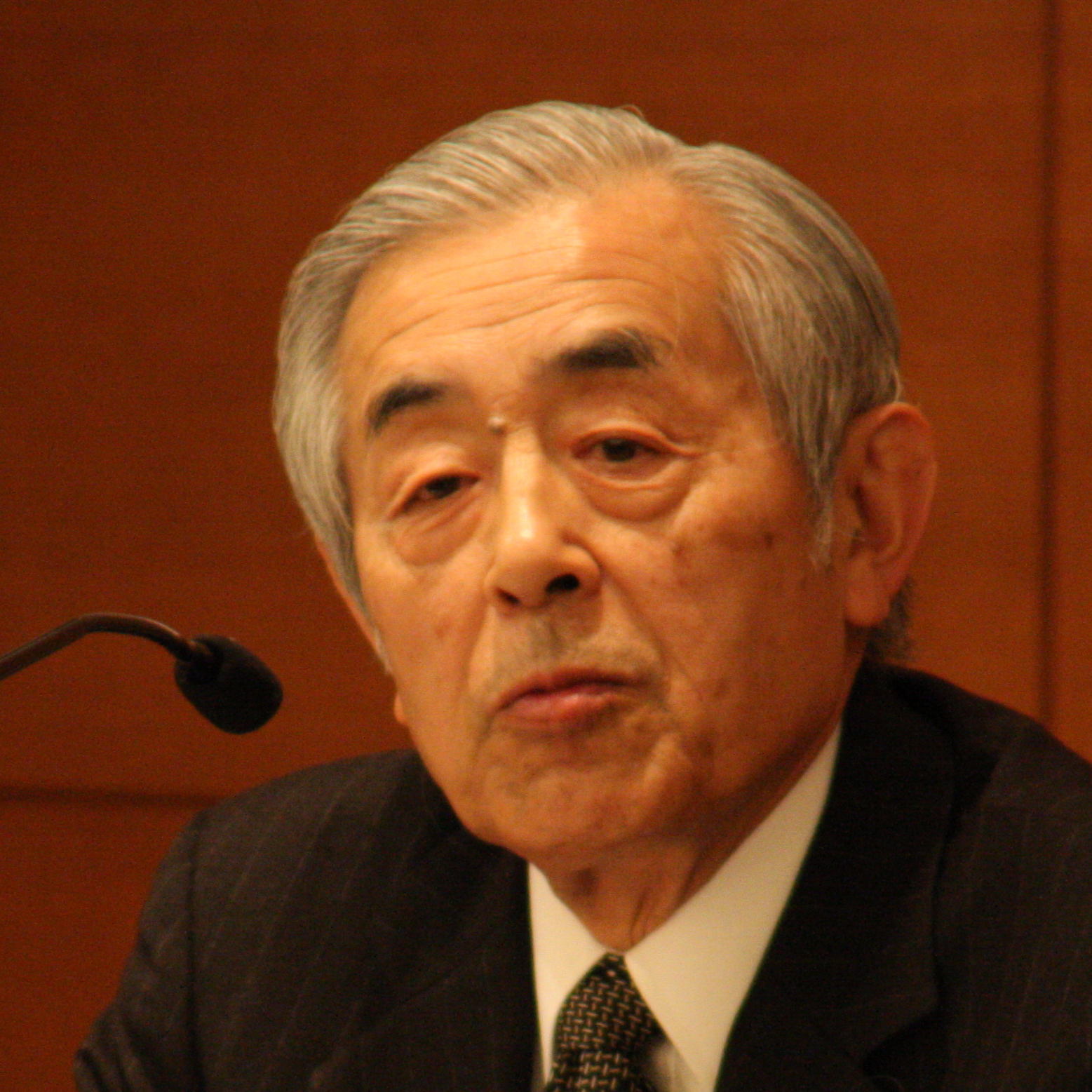 Hiroshi Kimura
 Osamu Nishi
 Koko Kato
 Tadashi Saito
 Shohei Umezawa
 Jason Morgan
 Arvind Gupta
 Kenro Nagoshi
 Takeshi Kudo
 Sukehiro Hirakawa
 Yumiko Nishimoto
 Rikiwo Shikama
 Eriko Yamatani
 Koichi Furusho
 Tadashi Ito
 Satoshi Hirano
 Lee Woo Young
 Taro Yayama
 Koh Sekai
 Koji Okamoto
 Tsutomu Toichi
 Hideaki Karaki
 Toshu Noguchi
 Kichinosuke Ihara
 Hisashi Matsumoto
 Yasuyuki Takai
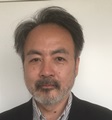 Nobuyuki Sato
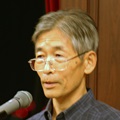 Chung Dae Kyun
 Toshio Watanabe
 Katsuya Tsukamoto
 Kazuto Suzuki
 Koichi Mera
 Akihisa Nagashima
 Miki Kase
 Eitaro Ogawa
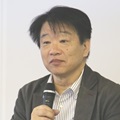 Hirotaka Watanabe
 Akinaka Senzaki
 Kevin Maher
 Yang Yi
 Hidetake Sawa
 Satoshi Tomisaka
 Nobukatsu Fujioka
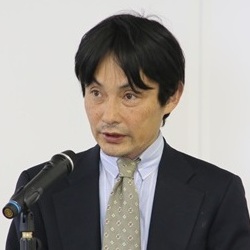 Masanori Kondo
 Hiroshi Ito
 Mio Sugita
 Rupakjyoti Borah
 Seiichi Okutomi
 Saburo Tsukamoto
 Yasuo Naito
 Satoshi Sakakibara
 Yen-Hung Lin
 Sanae Takaichi
 Haruhisa Nakagawa
 Norihide Miyoshi
 Syunichi Akasofu
 Ryoichi Hamamoto
 Hong Hyung
 Andrii Gurenko
 Ronald Morse
 Kazuhiko Inoue
 Keiichi Nakagawa
 Masamori Sase
 Katsutoshi Kawano
 Tomohisa Takei