Will the world move towards U.S.-China “great power confrontation” or U.S.-China-Russia “great power management”? Domestic political calendars in great powers over the next few years may increase the incentive for their leaders to seek opportunities through external action in order to consolidate their power or cope with domestic policy deadlocks. The whirlwind timeline includes the U.S. midterm elections in November this year, the Chinese Communist Party congress in 2027, and the Taiwanese and U.S. presidential elections in 2028. As this series of events will be directly linked to geopolitical risks, Japan and other middle powers must be prepared to be inevitably drawn into those risks.
U.S. President Donald Trump has tended to use stopgap diplomacy for domestic political purposes and short-term deals. The September summit between Trump and Chinese President Xi Jinping ended up as a spectacular political drama because they had their respective reasons to domestically showcase themselves as world leaders. What seemed like the only agreement at the summit was a temporary attempt to buy time through the establishment of a “relationship of strategic stability” between the G2, the United States and China.
U.S. and Chinese policies affected by domestic situation
If the Republicans lose the U.S. midterm elections, budget bills will be blocked by the Democrat-led Congress, leading to a domestic political stalemate. The weakening of the administration may cause moves away from Trump not only in Congress but also within the administration. When domestic politics stall, the president's attention may turn to foreign policy and trade, areas that can be shaped through executive authority. The remaining two years of the Trump administration may feature increased unpredictability through such measures as further tariff pressure on allies.
Regarding China, Trump may waver between taking a tough stance to maintain his prestige and negotiating a comprehensive deal. Meanwhile, for Chinese President Xi, 2027 should leave no room to pursue the annexation of Taiwan, as his priority will be securing a fourth term as CCP general secretary at the party congress.
In 2028, the political dynamics both in the U.S. and China will change. If Taiwanese President Lai Chingte is reelected in January, Xi, having successfully navigated the CCP congress, could pivot from consolidating his rule to changing the status quo. At the same time, the U.S. will be entering its presidential primary season, becoming immersed in inward-looking politics and less attentive to external affairs. China will be tempted to seize this strategic opportunity.
2027: A critical year for strengthening deterrence against China
Therefore, how to manage the year 2027 on the eve of the storm may be critical for middle powers such as Japan, Australia, and European nations. The year will be marked by a mix of the U.S.’ unpredictable unilateralism and China's calculated orientation towards stability.
Japan must take into account the diplomatic costs of maintaining U.S. deterrence in East Asia, while addressing the Trump administration's demand for increased defense spending. Regarding China, Japan should strengthen “deterrence by denial” to demonstrate the prohibitive cost of aggression while Xi is cautious in 2027. At the same time, Japan should support the U.S.’ swift provision of weapons to Taiwan, while avoiding excessive provocations. It should also adhere to multilateral diplomacy to counter China in concert with Europe, while exploring opportunities for Japan-China summit talks.
The era when the U.S. like Atlas of Greek mythology upheld the world is over. The way for Japan to confront the looming national crisis is to build a multilayered web of deterrence, while defying great-power collusion and coercion.
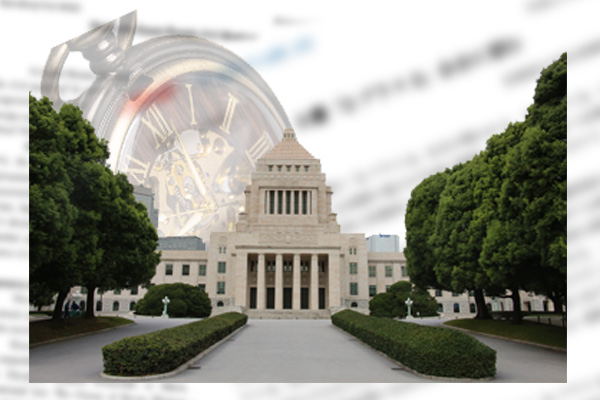
Hiroshi Yuasa is a Planning Committee member and a senior fellow at the Japan Institute for National Fundamentals. He is also a columnist for the Sankei Shimbun newspaper.
 Tsutomu Nishioka
 Takashi Arimoto
 Tadae Takubo
 Fumio Ota
 Yoshiko Sakurai
 Yasushi Tomiyama
 Masahiko Hosokawa
 Yoichi Shimada
 Tadashi Narabayashi
 Hideo Tamura
 Kiyofumi Iwata
 Kunio Orita
 Maki Nakagawa
 Etsuro Honda
 Yujiro Oiwa
 Shiro Takahashi
 Hironobu Ishikawa
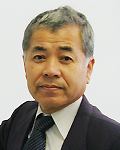 Katsuhiko Takaike
 Michio Ezaki
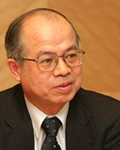 Akira Momochi
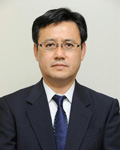 Yoshihiko Yamada
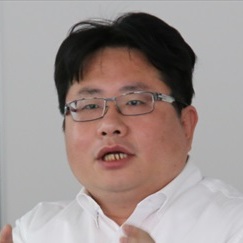 Akio Yaita
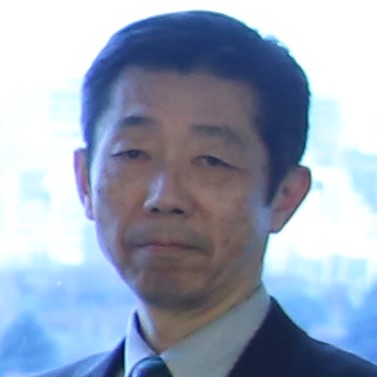 Seiji Kurosawa
 Brahma Chellaney
 Koichi Endo
 Nobuko Araki
 James Auer
 Yang Haiying
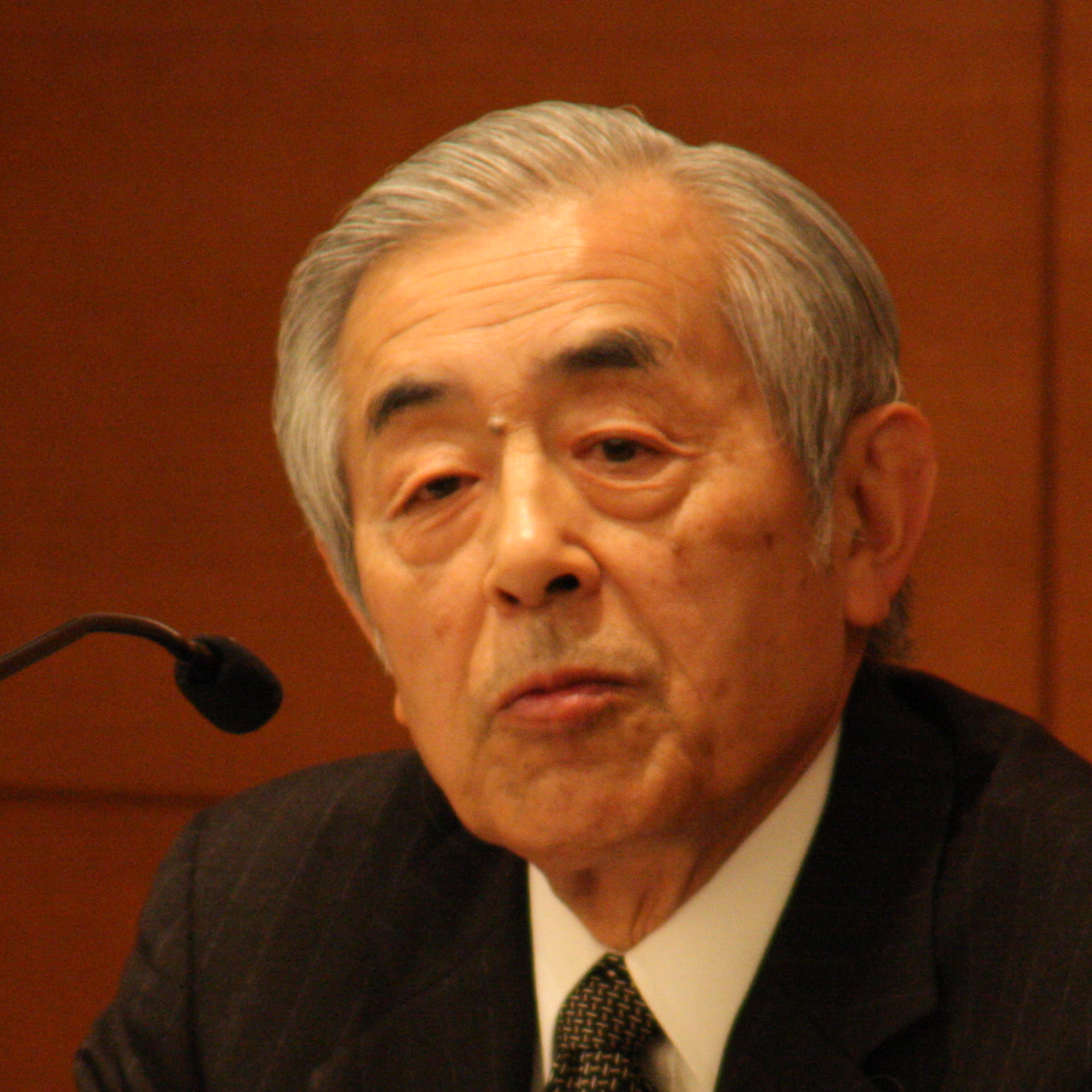 Hiroshi Kimura
 Sumihiko Kawamura
 Arvind Gupta
 Shohei Umezawa
 Koko Kato
 Takeshi Kudo
 Jason Morgan
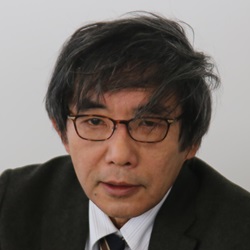 Kenro Nagoshi
 Tadashi Saito
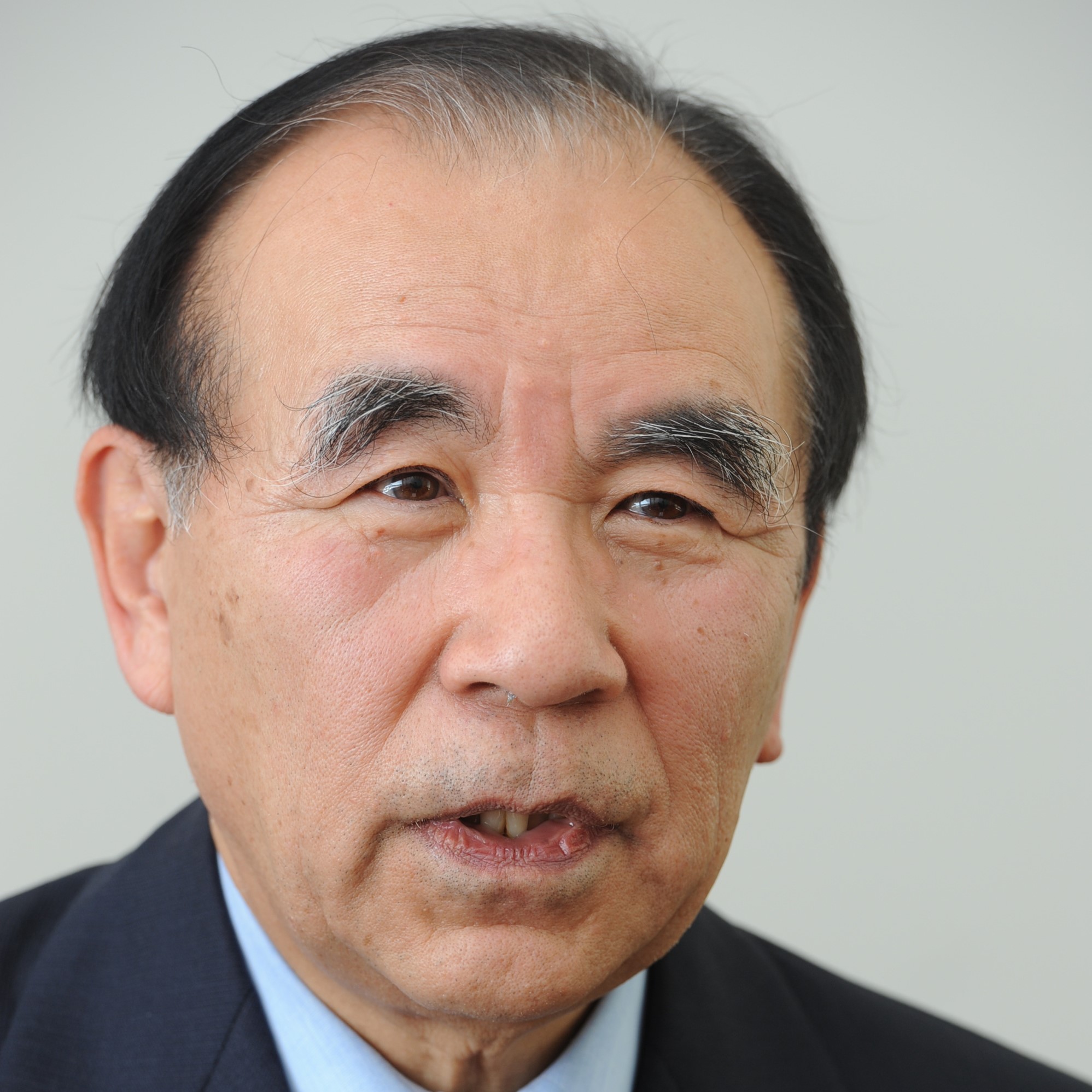 Osamu Nishi
 Hisashi Matsumoto
 Tsutomu Toichi
 Kichinosuke Ihara
 Nobuyuki Sato
 Yumiko Nishimoto
 Toshu Noguchi
 Satoshi Hirano
 Hideaki Karaki
 Koji Okamoto
 Tadashi Ito
 Eriko Yamatani
 Lee Woo Young
 Rikiwo Shikama
 Sukehiro Hirakawa
 Taro Yayama
 Yasuyuki Takai
 Koh Sekai
 Koichi Furusho
 Sanae Takaichi
 Satoshi Tomisaka
 Yen-Hung Lin
 Ryoichi Hamamoto
 Andrii Gurenko
 Katsutoshi Kawano
 Kazuto Suzuki
 Kevin Maher
 Miki Kase
 Akihisa Nagashima
 Ronald Morse
 Hidetake Sawa
 Yang Yi
 Keiichi Nakagawa
 Seiichi Okutomi
 Haruhisa Nakagawa
 Hong Hyung
 Mio Sugita
 Tomohisa Takei
 Rupakjyoti Borah
 Masamori Sase
 Chung Dae Kyun
 Hirotaka Watanabe
 Masanori Kondo
 Koichi Mera
 Syunichi Akasofu
 Satoshi Sakakibara
 Hiroshi Ito
 Toshio Watanabe
 Nobukatsu Fujioka
 Eitaro Ogawa
 Saburo Tsukamoto
 Kazuhiko Inoue
 Norihide Miyoshi
 Yasuo Naito
 Katsuya Tsukamoto
 Akinaka Senzaki