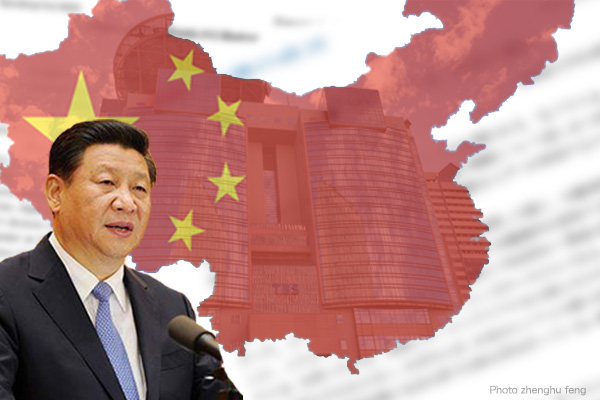
In the U.S. midterm elections on November 3, President Donald Trump’s Republican Party suffered a crushing defeat. The United States and the world are expected to plunge into even greater difficulties. It is only natural for the international community to grow anxious about Trump’s foreign policy in the remaining two years of his term as president.
Congress can use appropriations authority to check Trump
While the final election results are still uncertain as of this writing, the Republican Party may lose around 50 seats in the House and seven to nine seats in the Senate, allowing the Democratic Party to take control of both chambers. For the Republicans, the latest election results represent one of the largest postwar midterm defeats, matching or surpassing the losses they suffered shortly after President Richard Nixon’s resignation over the Watergate scandal.
Going forward, the Democratic-led Congress will confront the Trump administration fiercely, plunging domestic politics into a gridlock, while Trump will seek to satisfy his desire for self-aggrandizement through foreign policy.
In this situation, the biggest concern is Trump’s Taiwan policy. Were Taiwan to fall under China’s control, not only Japan but also the entire free world would face serious consequences. It is almost certain that Chinese President Xi Jinping will win a fourth term as general secretary at the Communist Party congress in the latter half of 2027. If Taiwanese President Lai Chingte, regarded by China as a Taiwan independence advocate, is reelected in the January 2028 presidential election, we should assume the danger of a Chinese invasion of Taiwan will increase. This will be precisely the moment when Trump’s Taiwan policy is put to the test. Under no circumstances should Trump prioritize economic deals with China in a way that leads Xi to miscalculate that the U.S. is reluctant to defend Taiwan and that the opportunity to annex Taiwan has arrived.
When it comes to Russia’s war of aggression against Ukraine, Trump could attempt to impose peace terms that favor Russia on Ukraine.
While foreign policy falls under the president’s exclusive domain, Congress also has the power to indirectly influence foreign policy. The most useful lever is its authority to approve budget appropriations. For example, Congress could require the implementation of large-scale arms sales to Taiwan or the resumption of military assistance to Ukraine as a condition for passing the annual defense authorization bill, which outlines defense policy and spending. If Congress wants to stop the Iran war, it could refuse to approve additional war funding.
Raising the banner of protecting freedom and democracy
The Embassy of Japan in Washington is one of the few foreign embassies with a dedicated congressional affairs unit tasked specifically with congressional outreach. The unit should be expanded, and efforts to engage Congress should be strengthened. Japanese lawmakers should also vigorously expand parliamentary diplomacy with members of Congress.
Now is the time for Japan to raise the banner of the universal values on which it stands, namely freedom, democracy, and the rule of law, and clearly show the direction that the global community should pursue. Japan should express a strong will to share these values with the U.S. and continue walking together with it. For the importance of the U.S. as Japan’s only ally has not changed in the slightest. Furthermore, Japan should seek to become a nation that has the will and strength to confront crises as a responsible state, through a robust update of three security documents, including the National Security Strategy, and the sure achievement of constitutional amendment. In doing so, Japan should seek to become a nation that leads the international community.
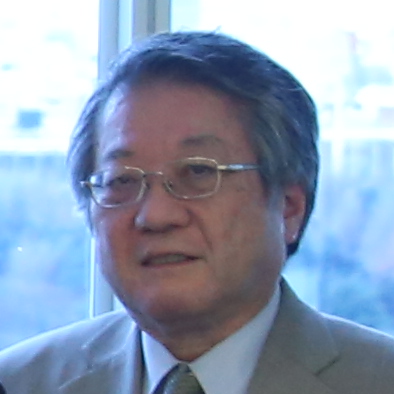
Yasushi Tomiyama is a senior fellow and Planning Committee member at the Japan Institute for National Fundamentals and former foreign news editor and commentator for the Jiji Press.
 Tsutomu Nishioka
 Takashi Arimoto
 Tadae Takubo
 Fumio Ota
 Yoshiko Sakurai
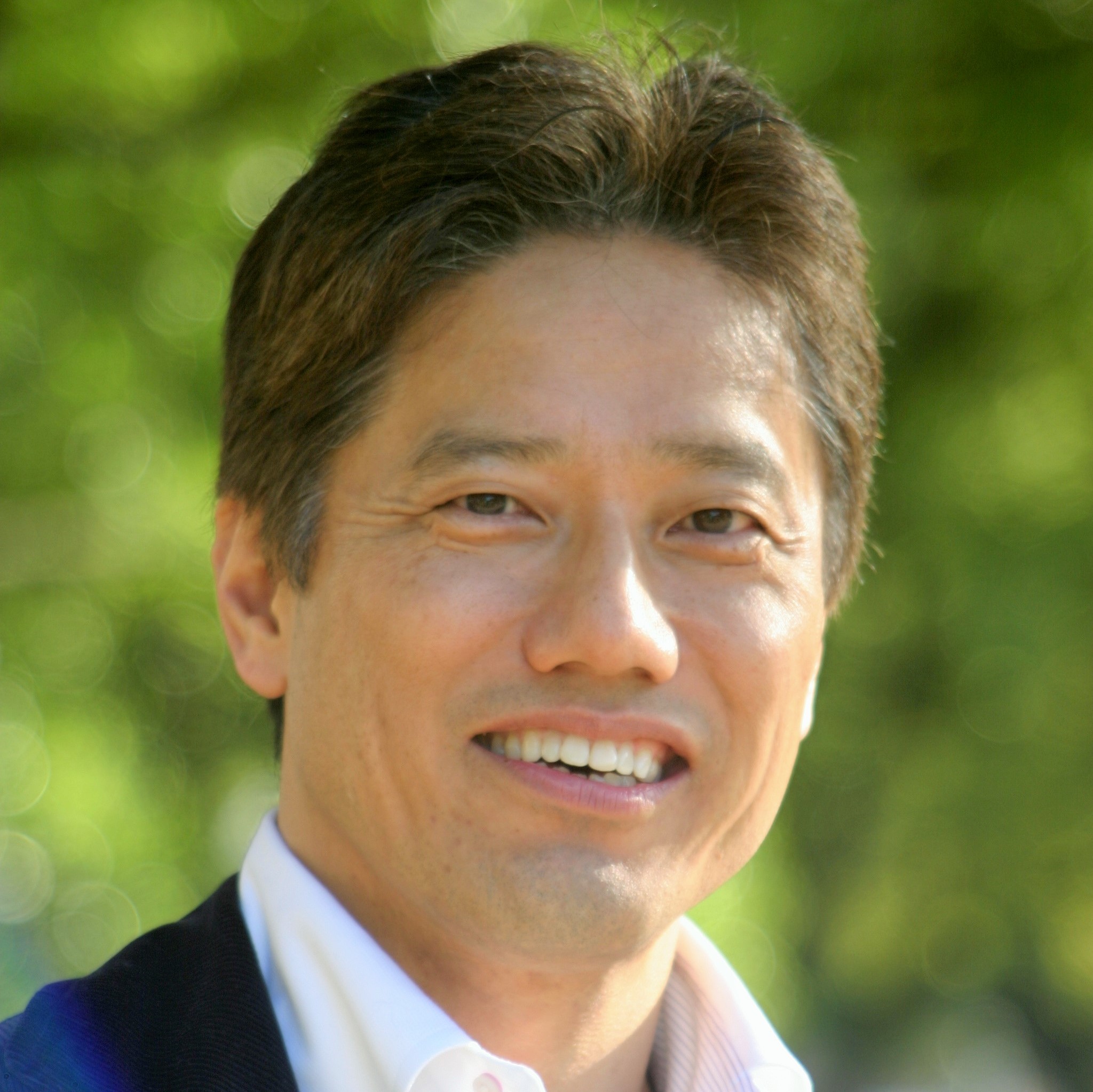 Masahiko Hosokawa
 Yoichi Shimada
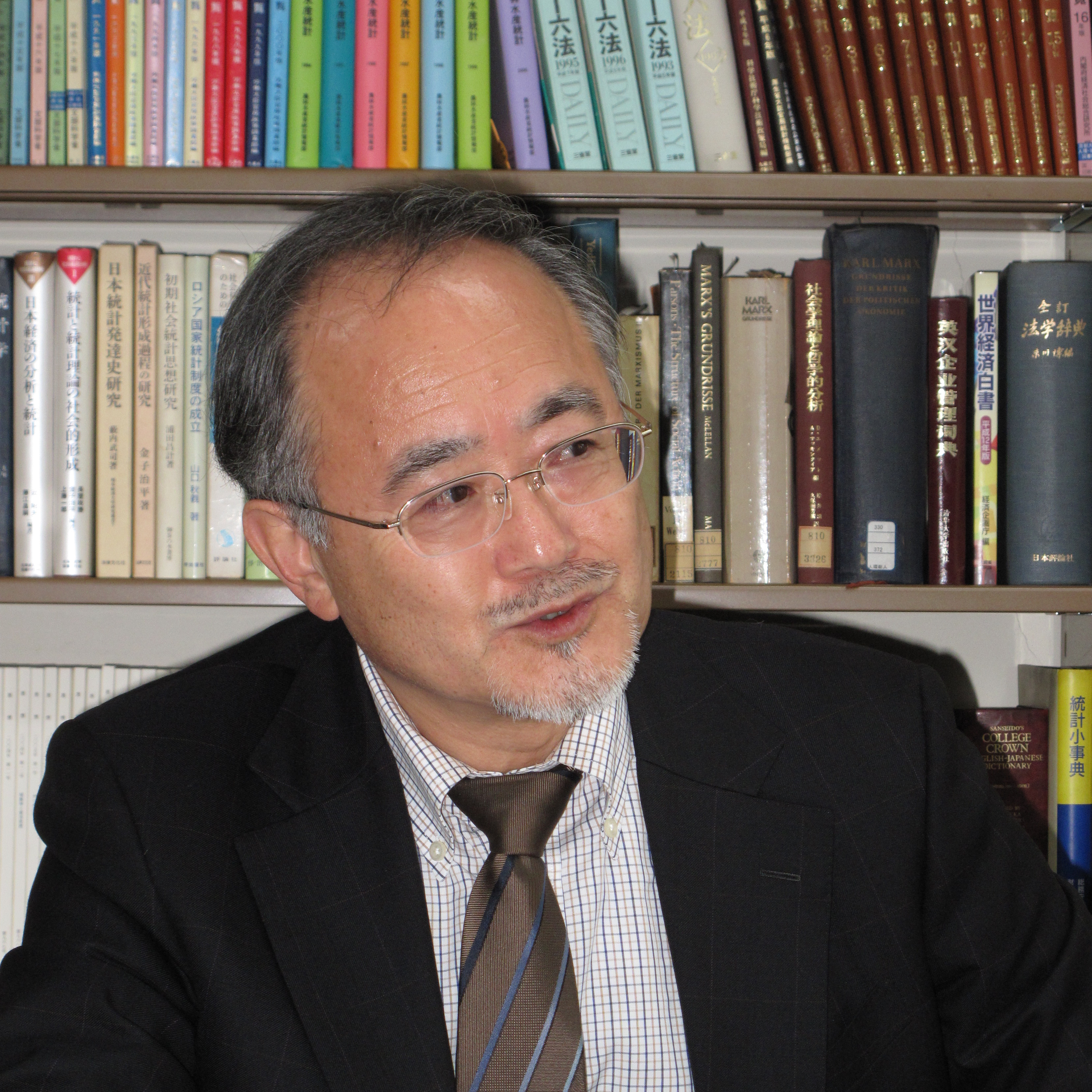 Hiroshi Yuasa
 Tadashi Narabayashi
 Hideo Tamura
 Kiyofumi Iwata
 Kunio Orita
 Maki Nakagawa
 Etsuro Honda
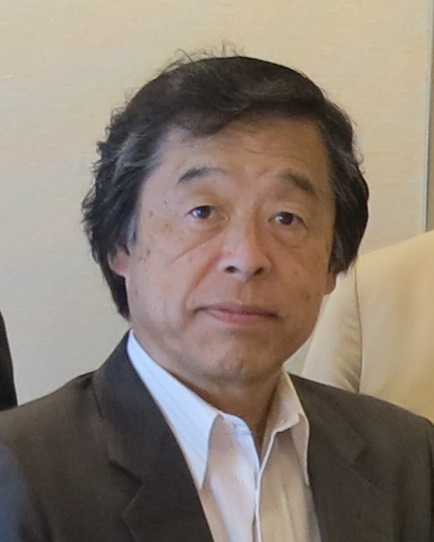 Yujiro Oiwa
 Shiro Takahashi
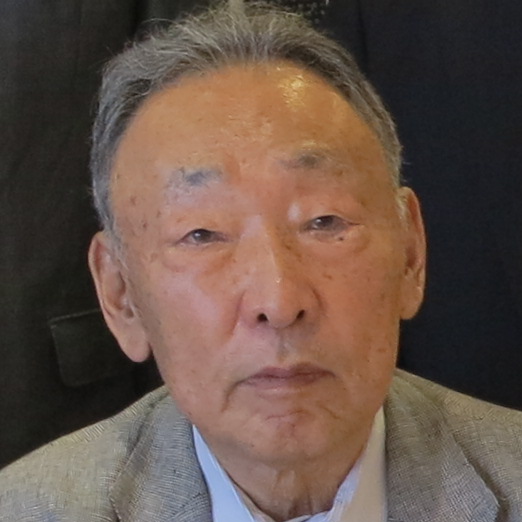 Hironobu Ishikawa
 Katsuhiko Takaike
 Michio Ezaki
 Akira Momochi
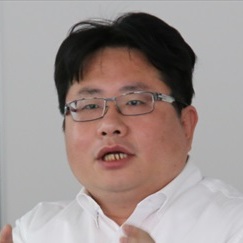 Akio Yaita
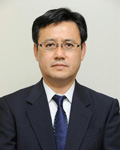 Yoshihiko Yamada
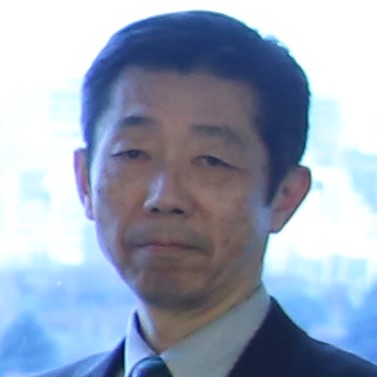 Seiji Kurosawa
 Koichi Endo
 Brahma Chellaney
 Nobuko Araki
 James Auer
 Yang Haiying
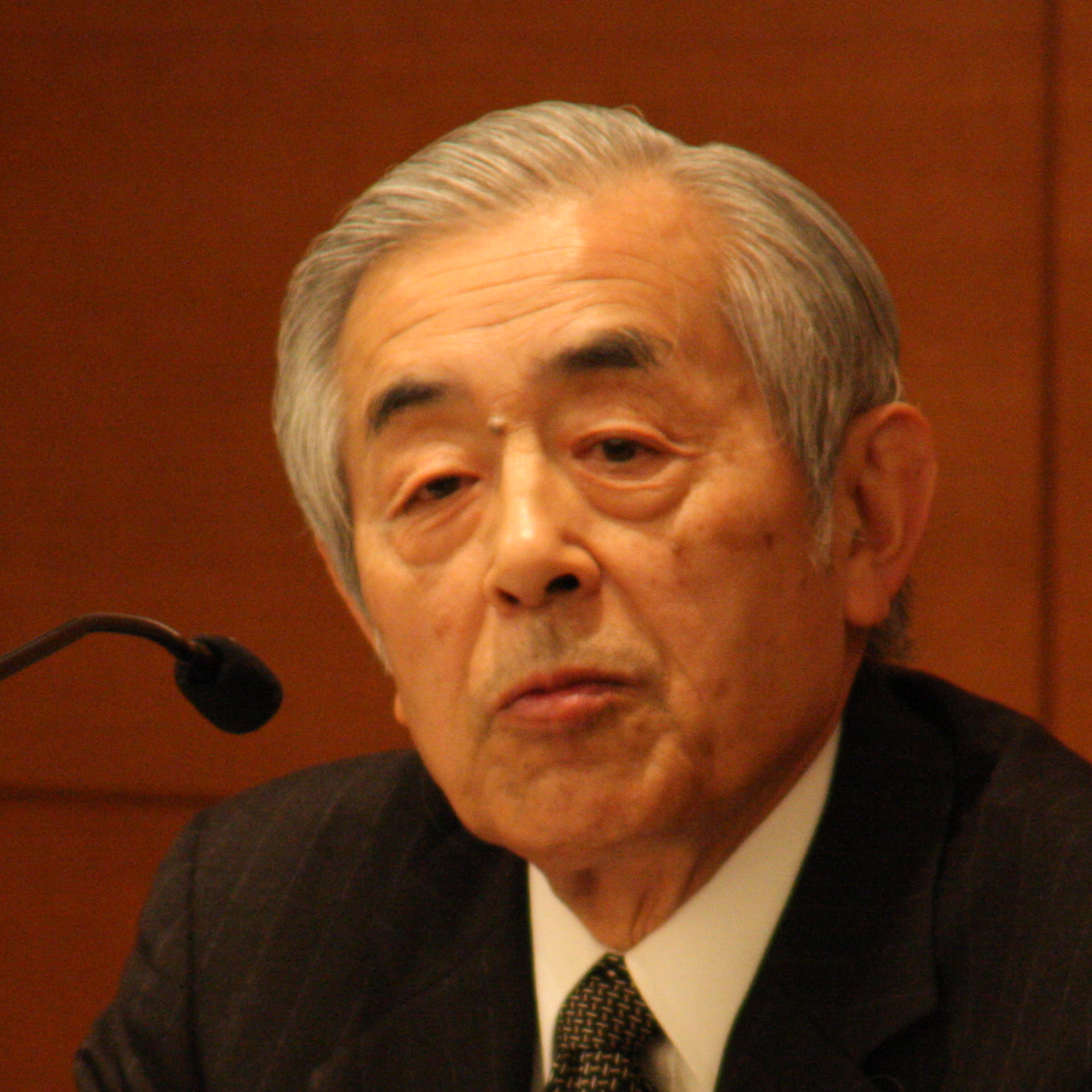 Hiroshi Kimura
 Sumihiko Kawamura
 Takeshi Kudo
 Arvind Gupta
 Shohei Umezawa
 Jason Morgan
 Kenro Nagoshi
 Koko Kato
 Osamu Nishi
 Tadashi Saito
 Koji Okamoto
 Yumiko Nishimoto
 Tsutomu Toichi
 Kichinosuke Ihara
 Nobuyuki Sato
 Tadashi Ito
 Rikiwo Shikama
 Satoshi Hirano
 Sukehiro Hirakawa
 Lee Woo Young
 Toshu Noguchi
 Eriko Yamatani
 Koh Sekai
 Hideaki Karaki
 Yasuyuki Takai
 Koichi Furusho
 Taro Yayama
 Hisashi Matsumoto
 Katsuya Tsukamoto
 Seiichi Okutomi
 Tomoko Seo
 Akinaka Senzaki
 Hiroshi Ito
 Yen-Hung Lin
 Ryoichi Hamamoto
 Andrii Gurenko
 Saburo Tsukamoto
 Katsutoshi Kawano
 Kazuto Suzuki
 Kevin Maher
 Tomohisa Takei
 Sanae Takaichi
 Yang Yi
 Haruhisa Nakagawa
 Norihide Miyoshi
 Koichi Mera
 Satoshi Tomisaka
 Kazuhiko Inoue
 Akihisa Nagashima
 Mio Sugita
 Hong Hyung
 Keiichi Nakagawa
 Miki Kase
 Ronald Morse
 Yasuo Naito
 Toshio Watanabe
 Eitaro Ogawa
 Nobukatsu Fujioka
 Rupakjyoti Borah
 Satoshi Sakakibara
 Syunichi Akasofu
 Masamori Sase
 Chung Dae Kyun
 Hirotaka Watanabe
 Masanori Kondo
 Hidetake Sawa