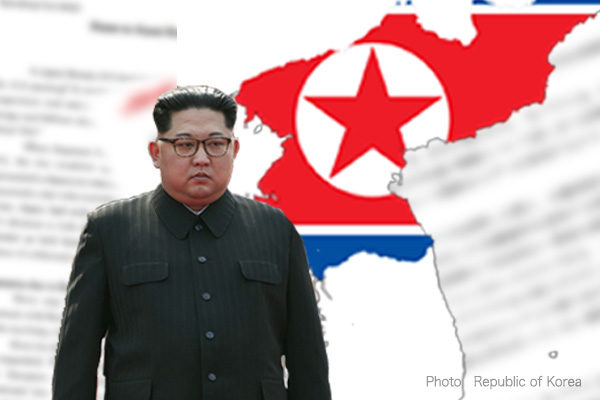
Military cooperation between North Korea and China has been intensifying. China has shared some of the intelligence collected by its military reconnaissance satellites with Pyongyang, while North Korea has begun constructing bases on its east coast, facing the Sea of Japan, for use by the Chinese Navy.
Mutual provision of naval bases and satellite intelligence
Since Chinese President Xi Jinping’s visit to North Korea in June, the two countries have held a series of consultations. Having seen that that the U.S. and Israeli bombing campaigns killed Iran’s top leaders, and fearing that he could be the next target, North Korean leader Kim Jong Un has sought China’s protection.
Meanwhile, China has asked North Korea to open its east coast naval bases for Chinese use and allow the Chinese Navy to operate freely in the Sea of Japan to divert Japanese and U.S. military forces in the event of an invasion of Taiwan. China has also long called on North Korea to halt its nuclear program and adopt reform and opening-up policies.
Kim has refused to halt nuclear program or adopt reform and opening-up policies, which run counter to the fundamentals of his regime. Regarding the opening of naval bases to China, however, Kim told Xi during the Chinese leader’s visit to Pyongyang in June that Chinese forces would be allowed to use these bases during a contingency, according to sources. Yet, Kim Yo Jong, the younger sister of Kim Jong Un and North Korea’s de facto No. 2 leader, and many other senior officials opposed Chinese forces’ entry into North Korean ports, arguing that it would embolden pro-China factions within North Korea and destabilize the Kim regime.
Following Xi’s visit to Washington in September, China informed Pyongyang that a potential strike ordered by U.S. President Donald Trump on the North Korean leadership was a real threat, leading Kim to seek military protection from China.
As a result, after consultations between the two militaries, the first phase of satellite intelligence sharing began in October. Pleased with the development, Kim Jong Un made a day trip to China on October 24 via the newly opened Yalu River Bridge. Senior North Korean officials were surprised by Kim’s unusual visit to China, which did not include a meeting with Xi, according to sources.
Satellite intelligence sharing is divided into three phases. The first phase covers the latest movements of U.S. forces and Japan’s Self-Defense Forces, the second focuses on the movements of U.S. strategic assets in South Korea and Japan, and the third involves comprehensive intelligence sharing to prepare for a contingency.
North Korea accepted China’s request to open naval ports on the Sea of Japan to the Chinese Navy and started construction work to accommodate large warships. On November 12, North Korean state media reported that Kim had inspected a naval base under construction on the east coast the previous day. The two countries agreed that the Chinese Navy would use ports north of Hamhung, such as Rajin, Chongjin, and Tanchon, while reserving ports to the south for the North Korean Navy, according to sources. Joint military exercises between China and North Korea also appear to be in the works.
Pyongyang preparing for surprise attacks to coincide with China’s Taiwan invasion
To tie down U.S. forces and Japan’s SDF on the Korean Peninsula when China launches a war to annex Taiwan, North Korea is preparing for surprise attacks on five West Sea islands, including Yeonpyeong and Baengnyeong, which remain under South Korean control due to a maritime boundary that cuts deep toward North Korea. The North aims to occupy these islands to achieve its long-held goal of pushing the boundary line southward. North Korea believes that South Korea under President Lee Jae Myung would not mount a fierce counterstrike, according to sources.
Yet, China has not provided any new economic support to North Korea. It has even reduced its free heavy fuel oil supply to the country via underground pipelines by 80% from 500,000 tons per year to 100,000 tons. According to sources, Beijing will soon start charging Pyongyang for the fuel.
Tsutomu Nishioka is a senior fellow and a Planning Committee member at the Japan Institute for National Fundamentals and a specially-appointed professor at Reitaku University. He covers South and North Koreas.
 Takashi Arimoto
 Tadae Takubo
 Fumio Ota
 Yoshiko Sakurai
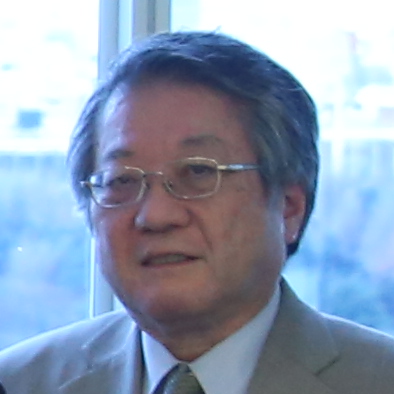 Yasushi Tomiyama
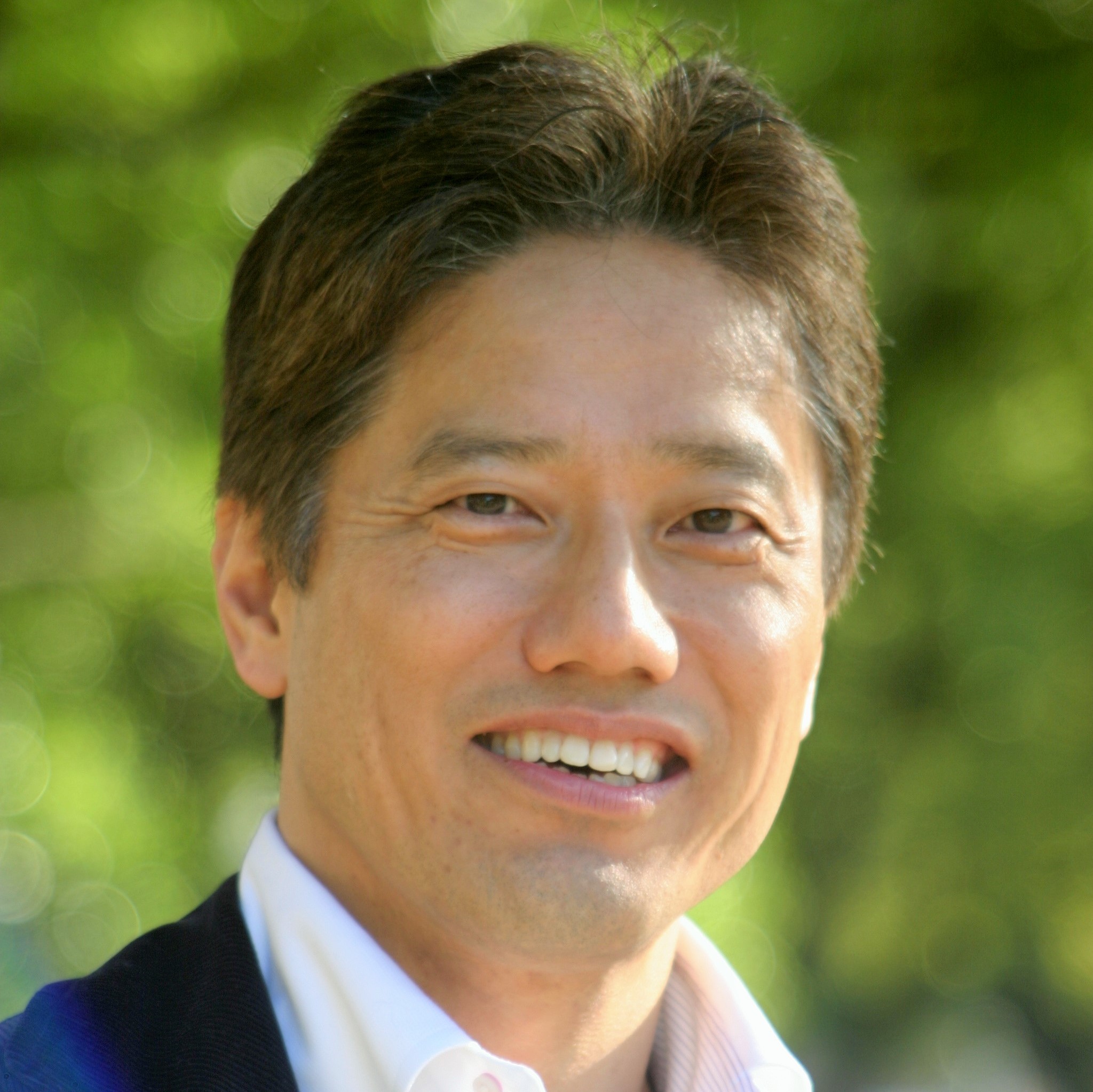 Masahiko Hosokawa
 Yoichi Shimada
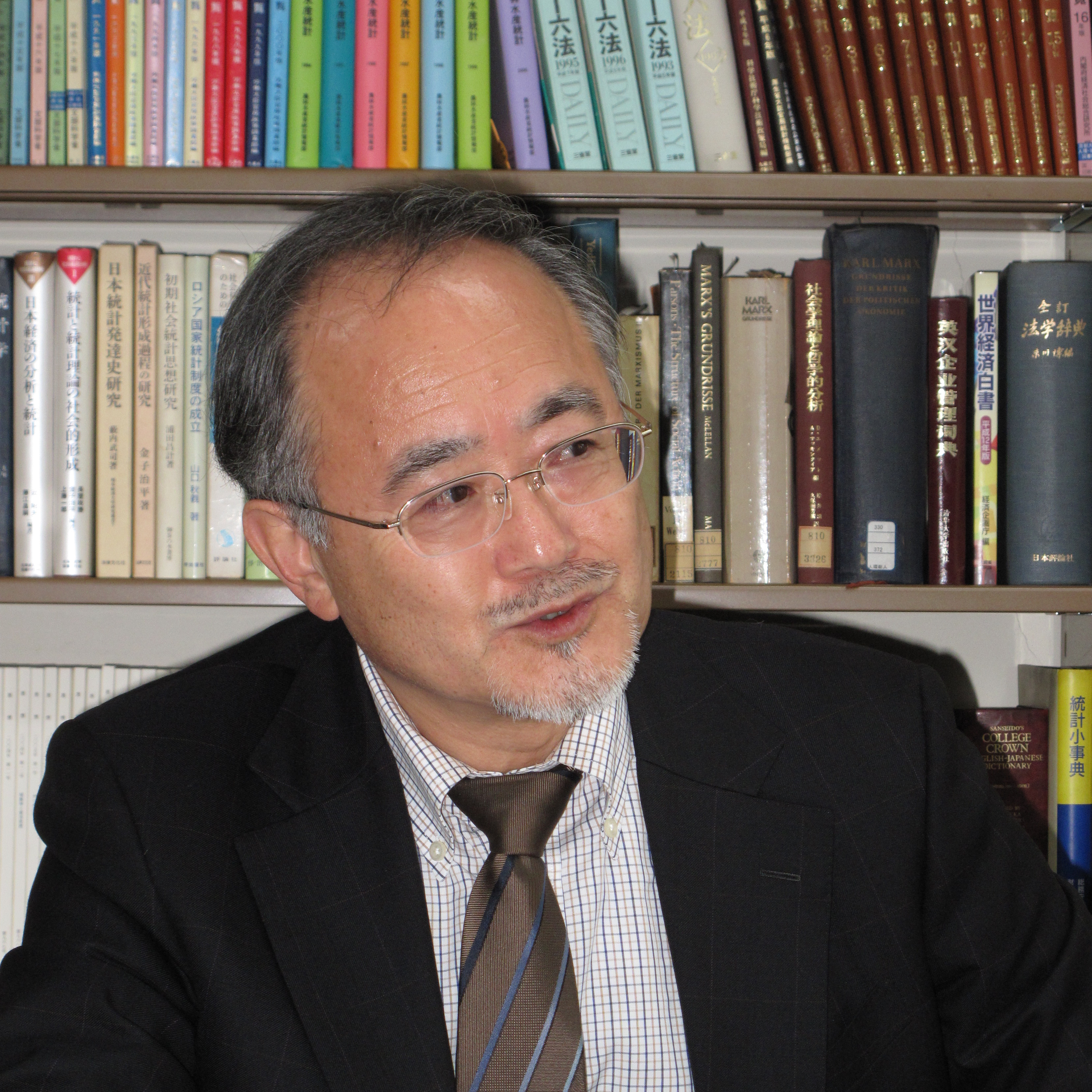 Hiroshi Yuasa
 Tadashi Narabayashi
 Hideo Tamura
 Kiyofumi Iwata
 Maki Nakagawa
 Kunio Orita
 Etsuro Honda
 Yujiro Oiwa
 Shiro Takahashi
 Hironobu Ishikawa
 Katsuhiko Takaike
 Michio Ezaki
 Akira Momochi
 Akio Yaita
 Yoshihiko Yamada
 Seiji Kurosawa
 Koichi Endo
 Brahma Chellaney
 Nobuko Araki
 James Auer
 Yang Haiying
 Hiroshi Kimura
 Sumihiko Kawamura
 Takeshi Kudo
 Arvind Gupta
 Shohei Umezawa
 Jason Morgan
 Kenro Nagoshi
 Koko Kato
 Osamu Nishi
 Tadashi Saito
 Koji Okamoto
 Yumiko Nishimoto
 Tsutomu Toichi
 Kichinosuke Ihara
 Nobuyuki Sato
 Tadashi Ito
 Rikiwo Shikama
 Satoshi Hirano
 Sukehiro Hirakawa
 Lee Woo Young
 Toshu Noguchi
 Eriko Yamatani
 Koh Sekai
 Hideaki Karaki
 Yasuyuki Takai
 Koichi Furusho
 Taro Yayama
 Hisashi Matsumoto
 Katsuya Tsukamoto
 Seiichi Okutomi
 Tomoko Seo
 Akinaka Senzaki
 Hiroshi Ito
 Yen-Hung Lin
 Ryoichi Hamamoto
 Andrii Gurenko
 Saburo Tsukamoto
 Katsutoshi Kawano
 Kazuto Suzuki
 Kevin Maher
 Tomohisa Takei
 Sanae Takaichi
 Yang Yi
 Haruhisa Nakagawa
 Norihide Miyoshi
 Koichi Mera
 Satoshi Tomisaka
 Kazuhiko Inoue
 Akihisa Nagashima
 Mio Sugita
 Hong Hyung
 Keiichi Nakagawa
 Miki Kase
 Ronald Morse
 Yasuo Naito
 Toshio Watanabe
 Eitaro Ogawa
 Nobukatsu Fujioka
 Rupakjyoti Borah
 Satoshi Sakakibara
 Syunichi Akasofu
 Masamori Sase
 Chung Dae Kyun
 Hirotaka Watanabe
 Masanori Kondo
 Hidetake Sawa