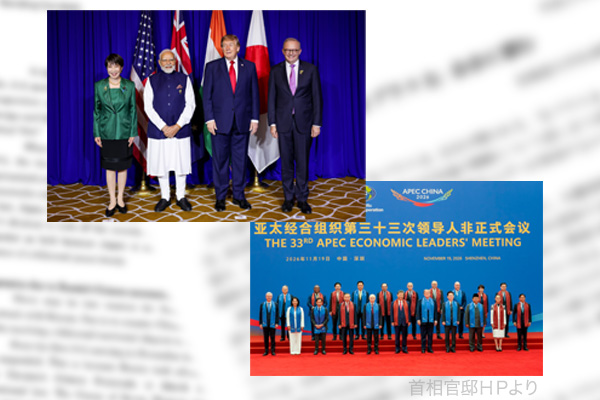
The U.S.-China-Russia summit held in Shenzhen, China, on November 19 following a proposal by Russian President Vladimir Putin is often dubbed “Yalta 2.0,” likening it to the Yalta Conference, where the major powers carved up the post-World War II world.
In February 1945, U.S. President Franklin D. Roosevelt, British Prime Minister Winston Churchill, and Soviet Premier Joseph Stalin met in Yalta on the Crimea Peninsula. The conference addressed issues such as the Soviet Union’s annexation of the three Baltic countries and changes to Polish borders, and has been criticized for having allowed great powers to delineate spheres of influence in the absence of the countries directly affected.
For instance, in a speech in Latvia, one of the three Baltic countries, in May 2005, U.S. President George W. Bush said that the Yalta Conference “consigned millions to communist captivity. When powerful nations negotiated, the freedom of small nations was somehow expendable. Yet this attempt to sacrifice freedom for the sake of stability left a continent divided and unstable.”
Concerns over a repeat of Yalta and Munich
The Yalta Conference is also etched in history as a memory of humiliation, along with the appeasement policy symbolized by the 1938 Munich Agreement. British Prime Minister Arthur Neville Chamberlain and other participants tolerated the partial cession of Czechoslovakia to Nazi Germany as demanded by its leader Adolf Hitler. Churchill criticized the Munich Agreement as representing “a total and unmitigated defeat,” concluding that Britain and France had merely postponed the war at the expense of Czechoslovakia. History confirmed the warning. The following year, Hitler made a secret agreement with the Soviet Union and invaded Poland, triggering World War II. The Munich Conference is known as a blunder where concessions to an aggressor led to further aggression.
Concerned that the Munich Conference, where pandering to a dictatorship led to new aggression, or the Yalta Conference, where secret agreements with a dictatorship trampled the freedom of nonparticipating countries, might be repeated, Ukrainian President Volodymyr Zelensky opposed the U.S.-China-Russia summit, saying it should not become a second or third Yalta Conference. In Japan, South Korea, and Taiwan, concerns were growing that their alliances or cooperation with the United States could be neglected to the disadvantage of their national security.
Objection to international order shaped by dictatorships
Apparently mindful of such concerns, Japanese Prime Minister Sanae Takaichi said at the summit of the Quad nations, comprising Japan, the U.S., Australia and India in Manila on November 17 that the Quad has always contributed to peace and stability in the Indo-Pacific region, adding, “We would like to promote the freedom of countries in the region to decide for themselves.” In front of U.S. President Donald Trump, the Japanese leader thus effectively argued that the upcoming U.S.-China-Russia summit should not reach any Yalta-type agreement that would undermine “the freedom to decide for themselves.” The Quad Leaders’ Summit Joint Press Release also stated, “We strongly oppose any destabilizing or unilateral actions that seek to change the status quo, including by force or coercion, which escalate tensions and undermine regional peace and stability.”
At an Asia-Pacific Economic Cooperation (APEC) summit in Shenzhen on November 19, Takaichi called for strengthening a “rules-based, free, and fair international economic order.” Like Churchill, who criticized the Munich Agreement, Takaichi deserves high praise for boldly advocating freedom against Russia and China, which seek to shape an international order led by dictatorships.
Michio Ezaki is a member of the Planning Committee at the Japan Institute for National Fundamentals and a guest professor at Reitaku University.
 Tsutomu Nishioka
 Takashi Arimoto
 Tadae Takubo
 Fumio Ota
 Yoshiko Sakurai
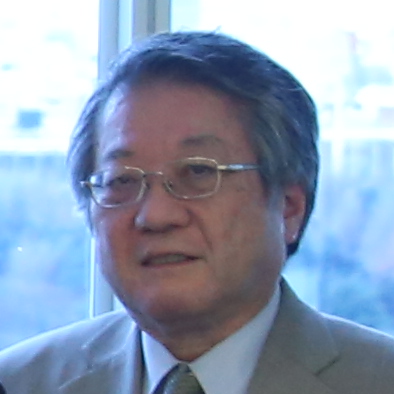 Yasushi Tomiyama
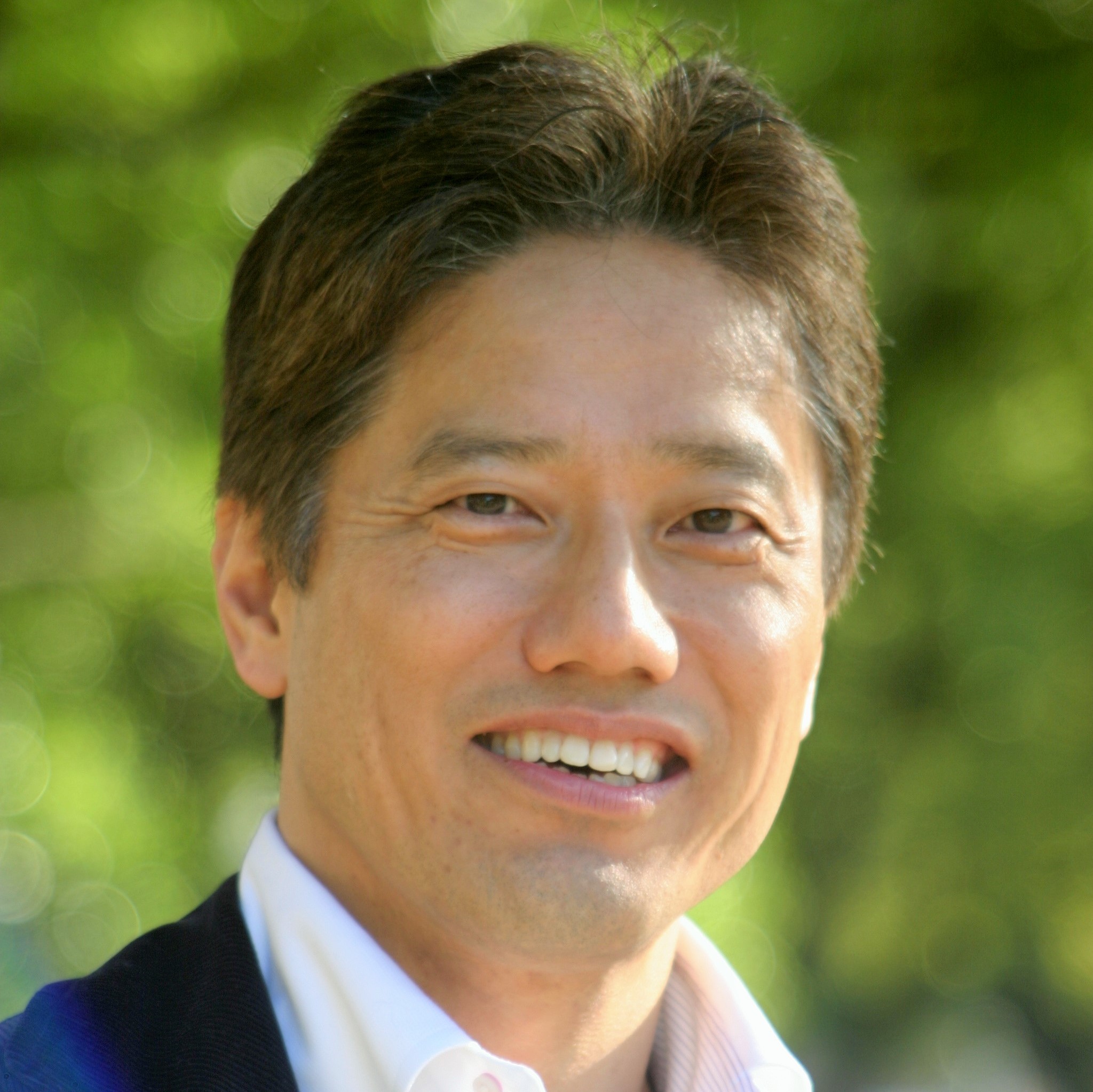 Masahiko Hosokawa
 Yoichi Shimada
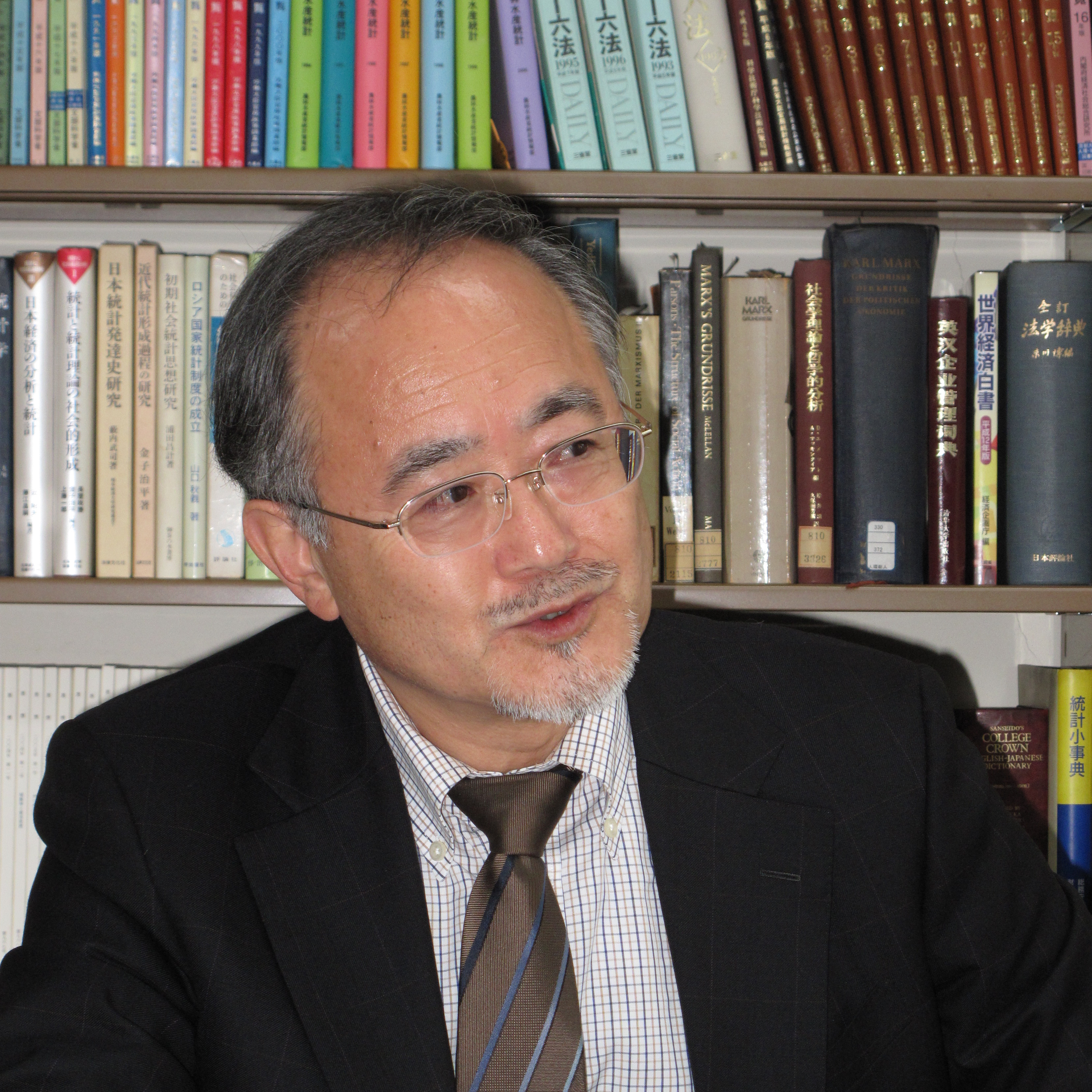 Hiroshi Yuasa
 Tadashi Narabayashi
 Hideo Tamura
 Kiyofumi Iwata
 Maki Nakagawa
 Kunio Orita
 Etsuro Honda
 Yujiro Oiwa
 Shiro Takahashi
 Hironobu Ishikawa
 Katsuhiko Takaike
 Akira Momochi
 Akio Yaita
 Yoshihiko Yamada
 Seiji Kurosawa
 Koichi Endo
 Brahma Chellaney
 Nobuko Araki
 James Auer
 Yang Haiying
 Hiroshi Kimura
 Sumihiko Kawamura
 Takeshi Kudo
 Arvind Gupta
 Shohei Umezawa
 Jason Morgan
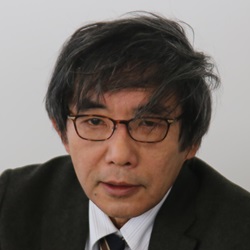 Kenro Nagoshi
 Koko Kato
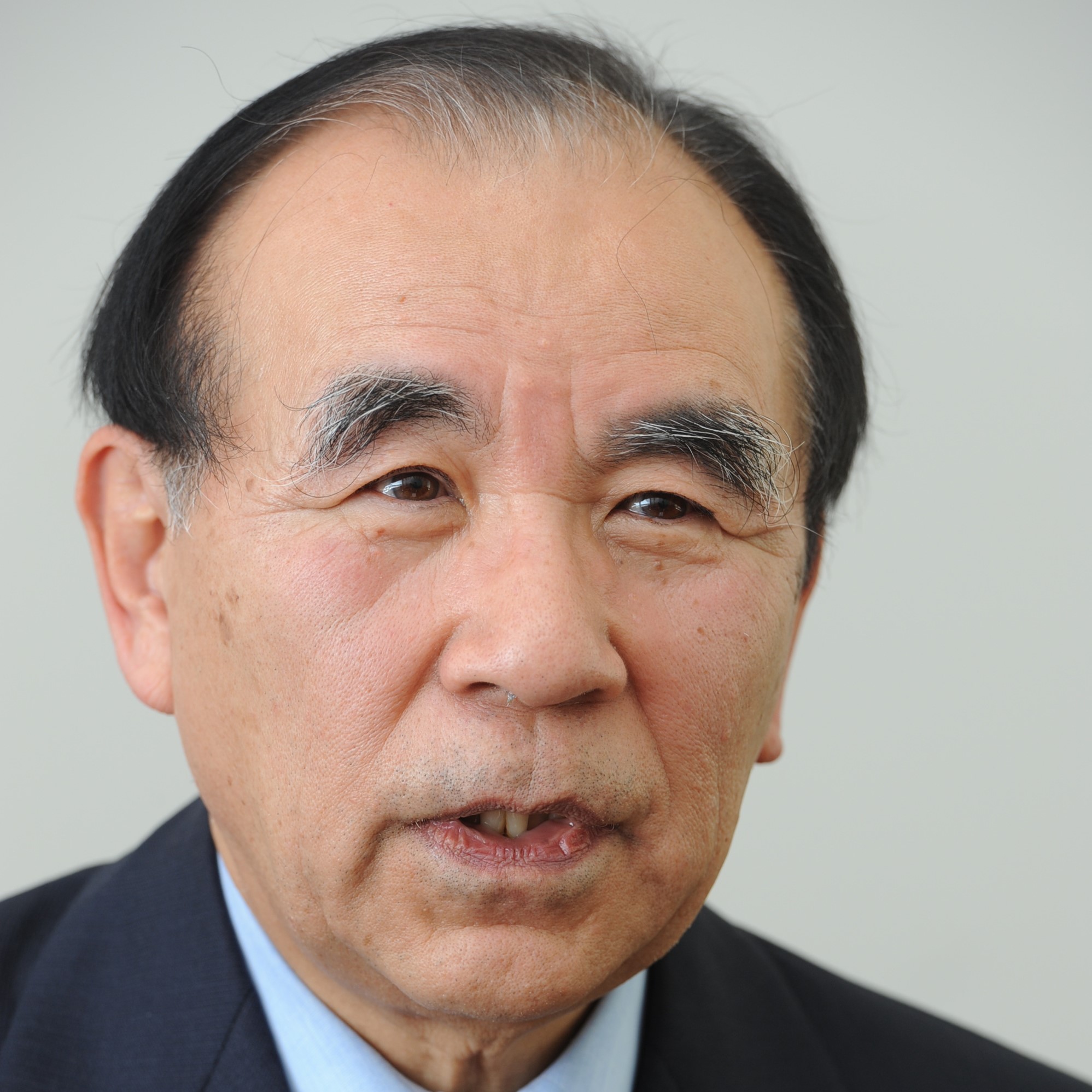 Osamu Nishi
 Tadashi Saito
 Koji Okamoto
 Yumiko Nishimoto
 Tsutomu Toichi
 Kichinosuke Ihara
 Nobuyuki Sato
 Tadashi Ito
 Rikiwo Shikama
 Satoshi Hirano
 Sukehiro Hirakawa
 Lee Woo Young
 Toshu Noguchi
 Eriko Yamatani
 Koh Sekai
 Hideaki Karaki
 Yasuyuki Takai
 Koichi Furusho
 Taro Yayama
 Hisashi Matsumoto
 Katsuya Tsukamoto
 Seiichi Okutomi
 Tomoko Seo
 Akinaka Senzaki
 Hiroshi Ito
 Yen-Hung Lin
 Ryoichi Hamamoto
 Andrii Gurenko
 Saburo Tsukamoto
 Katsutoshi Kawano
 Kazuto Suzuki
 Kevin Maher
 Tomohisa Takei
 Sanae Takaichi
 Yang Yi
 Haruhisa Nakagawa
 Norihide Miyoshi
 Koichi Mera
 Satoshi Tomisaka
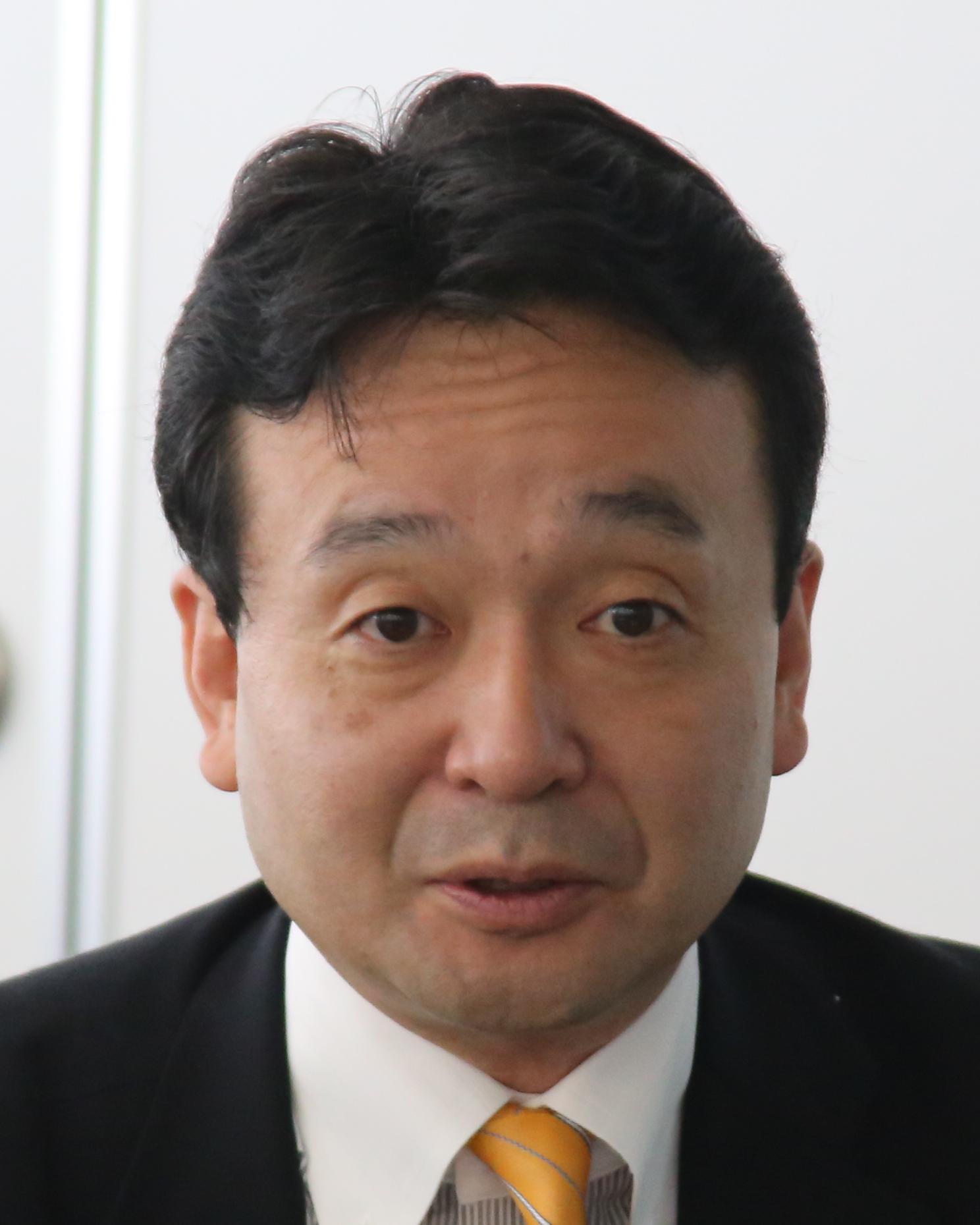 Kazuhiko Inoue
 Akihisa Nagashima
 Mio Sugita
 Hong Hyung
 Keiichi Nakagawa
 Miki Kase
 Ronald Morse
 Yasuo Naito
 Toshio Watanabe
 Eitaro Ogawa
 Nobukatsu Fujioka
 Rupakjyoti Borah
 Satoshi Sakakibara
 Syunichi Akasofu
 Masamori Sase
 Chung Dae Kyun
 Hirotaka Watanabe
 Masanori Kondo
 Hidetake Sawa