How should we view the United States’ capture of Venezuelan President Nicolás Maduro? Some say that the U.S. action violates the United Nations Charter and international law, and that we should not tolerate any attempt to change the status quo by force.
What needs to be clarified here is why the Trump administration captured the Venezuelan president.
Trump administration’s logic
In Venezuela under the Maduro regime which inaugurated in 2013, control-oriented economic policies (including price and exchange rate controls, and business and farmland expropriations) have shrunk investment, greatly reduced production, caused hyperinflation, and brought about long-term negative growth and chronic shortages of medicine and food, leading millions of people to flow out of the country. However, the regime, while keeping power through supposedly fraudulent elections, has repeated human rights violations by security forces, including excessive use of force against anti-government demonstrators, arbitrary and unjustifiable detention, and torture. Moreover, Maduro and his subordinates teamed up with forces designated by the U.S. as terrorist organizations to smuggle cocaine to the U.S. and other countries, and linked up with foreign powers (China, Russia, Cuba, etc.) to threaten the security of the U.S.
Therefore, the Trump administration decided to capture Maduro in a bid to support Venezuela’s economic reconstruction and democratization in order to respond to massive refugees, activities of drug and terrorist organizations, and military threats from hostile countries. It did not intend to commit aggression against Venezuela or occupy it unlawfully.
Takaichi’s deliberate comment
Based on such circumstances, Japan’s Prime Minister Sanae Takaichi issued the following comment on January 4:
“Regarding the situation in Venezuela, the Japanese government has always appealed for the importance of restoring democracy as soon as possible. Japan has always respected fundamental values and principles such as freedom, democracy, and the rule of law. Based on the consistent Japanese position, the Japanese government will continue to make every effort to protect Japanese nationals in close cooperation with relevant countries, including other Group of Seven countries and regional countries, and will promote diplomatic efforts to restore democracy and stabilize the situation in Venezuela.”
In short, Japan, which respects “fundamental values and principles such as freedom, democracy, and the rule of law,” has always appealed for “the importance of restoring democracy in Venezuela as soon as possible” and took the occasion of the incident to insist that it would like to make “efforts to restore democracy and stabilize the situation in Venezuela.” Japan’s position is that it cannot tolerate or justify any political leader to undermine fundamental values and principles such as freedom, democracy, and the rule of law for the reason that sending troops to capture Maduro was out of line.
Japan’s National Security Strategy, first formulated by the second Abe administration in 2013, states that the goal of national security is to protect the lives of the Japanese people and Japan’s territories, sovereignty, and prosperity while maintaining and defending universal values such as freedom, democracy, basic human rights, and the rule of law. I would like to take this opportunity to reaffirm that Japan’s position is to proactively contribute to peace by enhancing free and open international order based on the rule of law.
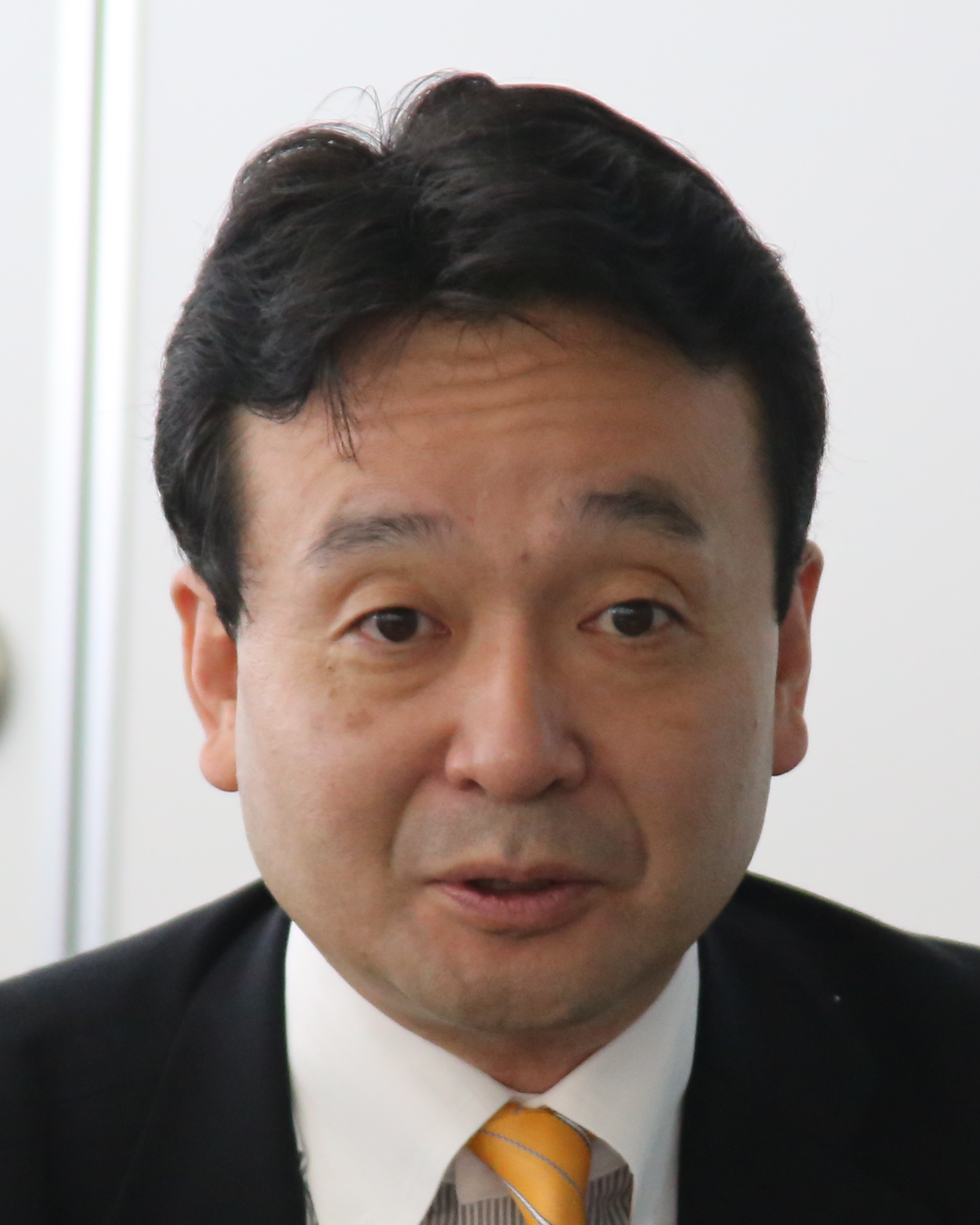
Michio Ezaki is a member of the Planning Committee at the Japan Institute for National Fundamentals and a specially-appointed professor at Reitaku University.

 Tsutomu Nishioka
 Tadae Takubo
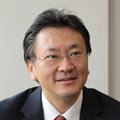 Takashi Arimoto
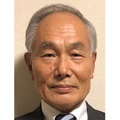 Fumio Ota
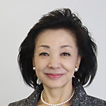 Yoshiko Sakurai
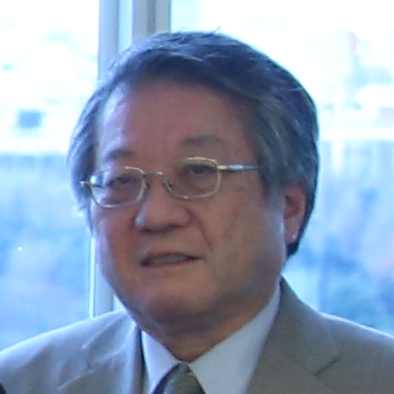 Yasushi Tomiyama
 Masahiko Hosokawa
 Yoichi Shimada
 Hiroshi Yuasa
 Tadashi Narabayashi
 Hideo Tamura
 Kiyofumi Iwata
 Kunio Orita
 Maki Nakagawa
 Etsuro Honda
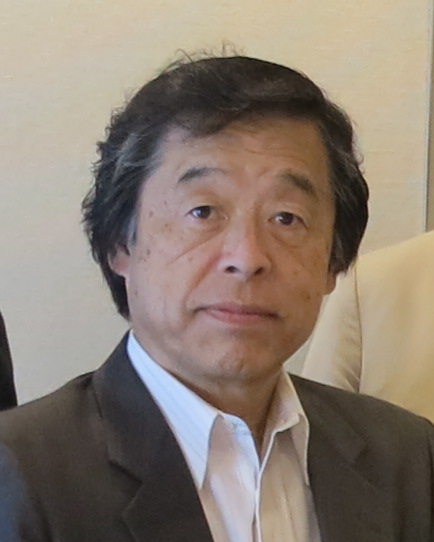 Yujiro Oiwa
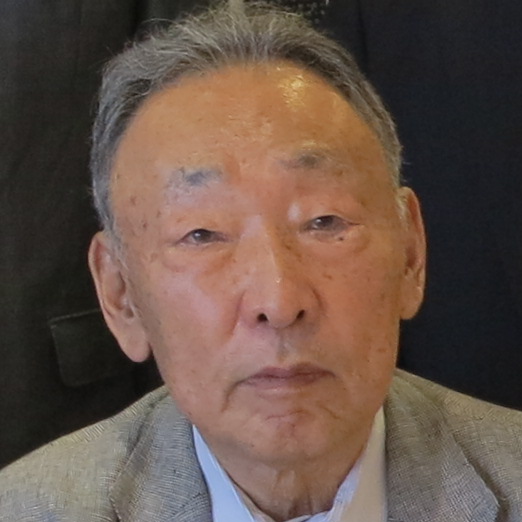 Hironobu Ishikawa
 Shiro Takahashi
 Katsuhiko Takaike
 Akira Momochi
 Akio Yaita
 Yoshihiko Yamada
 Seiji Kurosawa
 Koichi Endo
 Brahma Chellaney
 Nobuko Araki
 Yang Haiying
 James Auer
 Sumihiko Kawamura
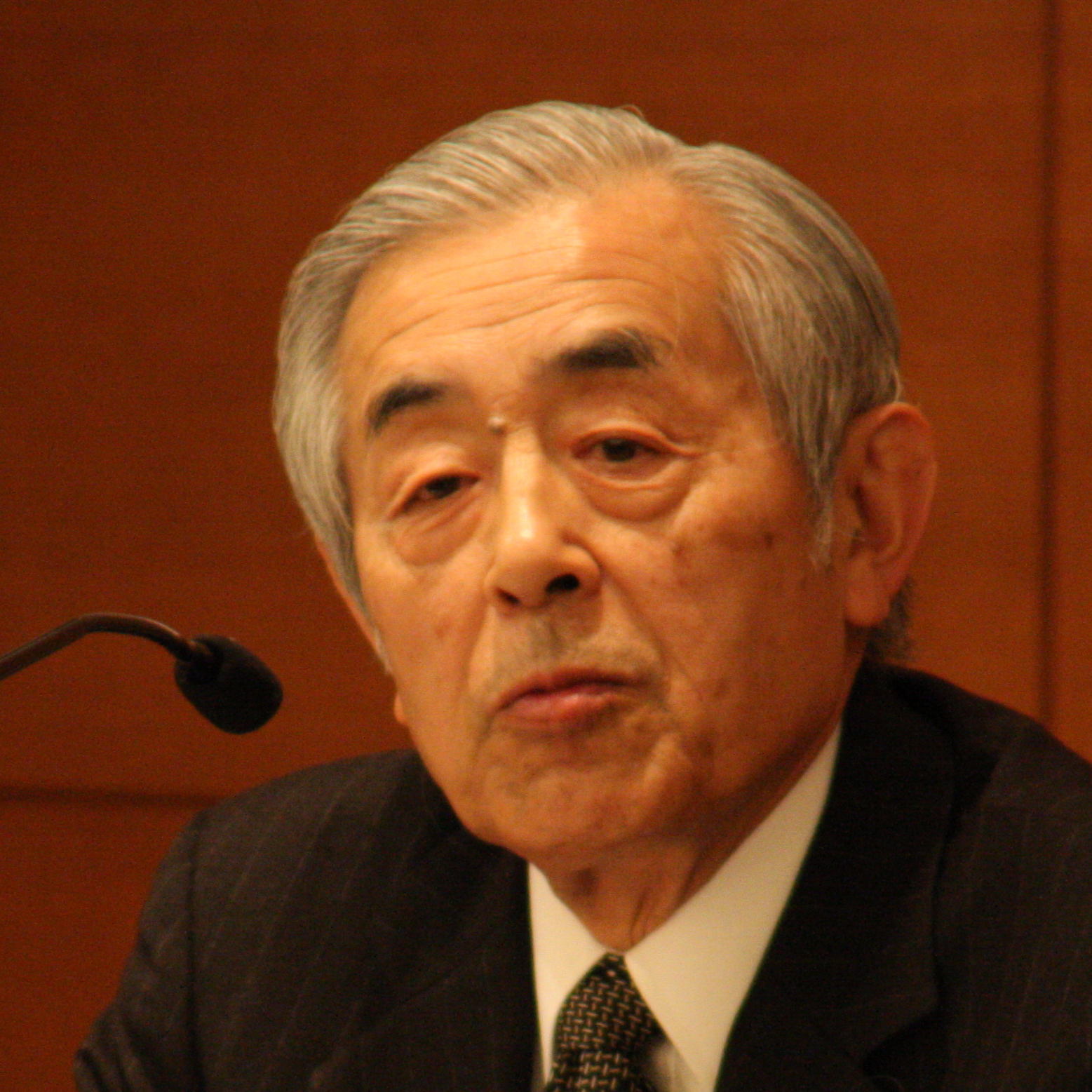 Hiroshi Kimura
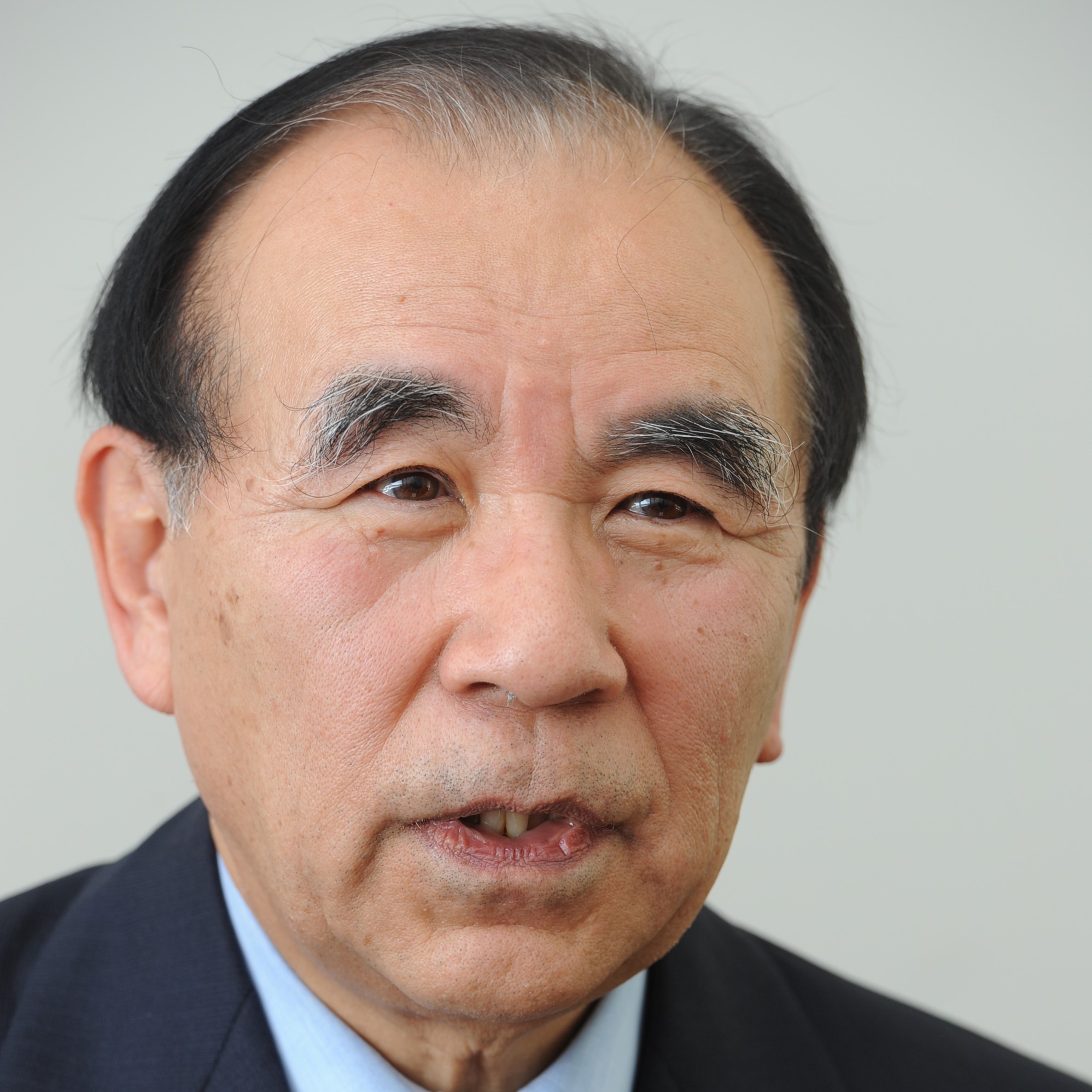 Osamu Nishi
 Koko Kato
 Tadashi Saito
 Shohei Umezawa
 Jason Morgan
 Arvind Gupta
 Kenro Nagoshi
 Takeshi Kudo
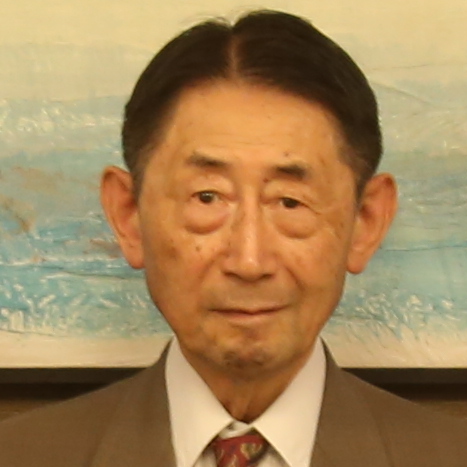 Sukehiro Hirakawa
 Yumiko Nishimoto
 Rikiwo Shikama
 Eriko Yamatani
 Koichi Furusho
 Tadashi Ito
 Satoshi Hirano
 Lee Woo Young
 Taro Yayama
 Koh Sekai
 Koji Okamoto
 Tsutomu Toichi
 Hideaki Karaki
 Toshu Noguchi
 Kichinosuke Ihara
 Hisashi Matsumoto
 Yasuyuki Takai
 Nobuyuki Sato
 Chung Dae Kyun
 Toshio Watanabe
 Katsuya Tsukamoto
 Kazuto Suzuki
 Koichi Mera
 Akihisa Nagashima
 Miki Kase
 Eitaro Ogawa
 Hirotaka Watanabe
 Akinaka Senzaki
 Kevin Maher
 Yang Yi
 Hidetake Sawa
 Satoshi Tomisaka
 Nobukatsu Fujioka
 Masanori Kondo
 Hiroshi Ito
 Mio Sugita
 Rupakjyoti Borah
 Seiichi Okutomi
 Saburo Tsukamoto
 Yasuo Naito
 Satoshi Sakakibara
 Yen-Hung Lin
 Sanae Takaichi
 Haruhisa Nakagawa
 Norihide Miyoshi
 Syunichi Akasofu
 Ryoichi Hamamoto
 Hong Hyung
 Andrii Gurenko
 Ronald Morse
 Kazuhiko Inoue
 Keiichi Nakagawa
 Masamori Sase
 Katsutoshi Kawano
 Tomohisa Takei