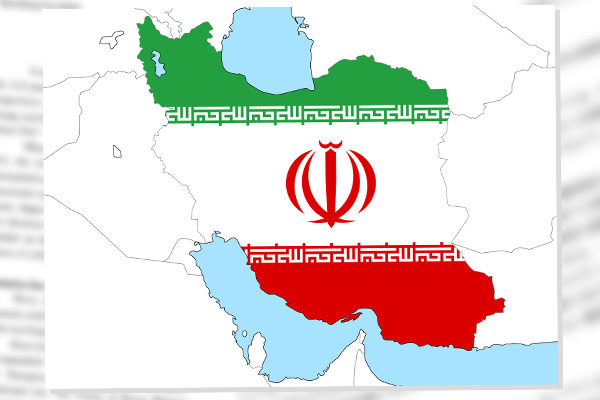
U.S. and Israeli military attacks on Iran since February 28 have immediately heightened tensions in the Middle East. As to whether the use of force is justified, careful consideration is required under international law, and it goes without saying that Japan should not readily endorse a military solution. However, the U.S. and Israeli attacks must be calmly assessed not only in terms of legitimacy under international law but also from the standpoint of protecting the nuclear non-proliferation regime. From the perspective of Japan, the only country to have suffered atomic bombings, it may be necessary to view the attacks as a “painful bulwark” to stop nuclear proliferation.
Painful bulwark: three viewpoints
The first viewpoint is the prevention of a nuclear domino effect in the Middle East. The Nuclear Non-Proliferation Treaty regime that Japan has long supported is facing a major test. As Iran is stockpiling highly enriched uranium at 60% purity, which is close to weapons grade, concerns about Iran’s development of nuclear weapons have been shared by the international community. If Iran’s nuclear armament becomes a fait accompli, neighboring countries such as Saudi Arabia and Turkey will be more likely to develop their own nuclear weapons. If such a chain of reaction begins, the NPT regime will be severely damaged. The latest attacks on Iran should be understood not as actions targeting a single country, but rather from the perspective of preventing the entire region from becoming nuclear-armed.
Second, the latest attacks help secure time to keep a diplomatic solution possible. Once completed, nuclear weapons become the strongest diplomatic card for any nation. As the case of North Korea demonstrates, negotiations on the denuclearization of any country after its possession of nuclear weapons will be extremely difficult. The fact that Iran has continued to stockpile highly enriched uranium in defiance of the international community’s concerns is significant. Slowing progress in the nuclear weapons development through physical strikes serves to create a final window of time to bring Iran back to the negotiating table and press it, through diplomatic pressure, to abandon its pursuit of nuclear weapons.
Third, there is the realistic view that preventing states from acquiring nuclear weapons helps minimize the risk of their future use. The more states possess nuclear weapons, the more sharply the risks of accidental launches, miscalculations, or the use of nuclear arms by extreme political leaders increase. In particular, the possession of nuclear weapons by terrorist-sponsoring countries must be prevented at all costs. A strong deterrent message that nuclear armament comes at an unbearable price can be a protective measure against future catastrophes.
Ideal of nuclear abolition and reality
French President Emmanuel Macron on March 2 vowed to increase France’s stockpile of nuclear warheads. Even France, a nuclear-armed state, is compelled to strengthen its nuclear deterrent. For Japan, the abolition of nuclear weapons is an ideal, and it must not abandon its leadership towards the abolition. However, Japan must also not turn a blind eye to the growing nuclear threats from China and North Korea. Japan should seriously take the strong U.S. will toward denuclearization, demonstrated by the military attacks, as a warning bell about the need to strengthen nuclear deterrent, rather than viewing it merely as an observer.
Kiyofumi Iwata is a member of the Planning Committee at the Japan Institute for National Fundamentals. Formerly, he served as Chief of Staff of the Japan Ground Self-Defense Force.
 Tsutomu Nishioka
 Takashi Arimoto
 Tadae Takubo
 Fumio Ota
 Yoshiko Sakurai
 Yasushi Tomiyama
 Masahiko Hosokawa
 Yoichi Shimada
 Hiroshi Yuasa
 Tadashi Narabayashi
 Hideo Tamura
 Kunio Orita
 Maki Nakagawa
 Etsuro Honda
 Yujiro Oiwa
 Hironobu Ishikawa
 Shiro Takahashi
 Katsuhiko Takaike
 Michio Ezaki
 Akira Momochi
 Akio Yaita
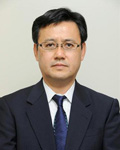 Yoshihiko Yamada
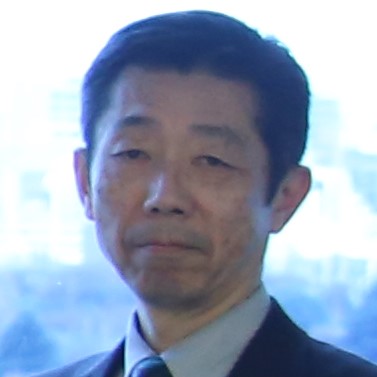 Seiji Kurosawa
 Koichi Endo
 Brahma Chellaney
 Nobuko Araki
 Yang Haiying
 James Auer
 Sumihiko Kawamura
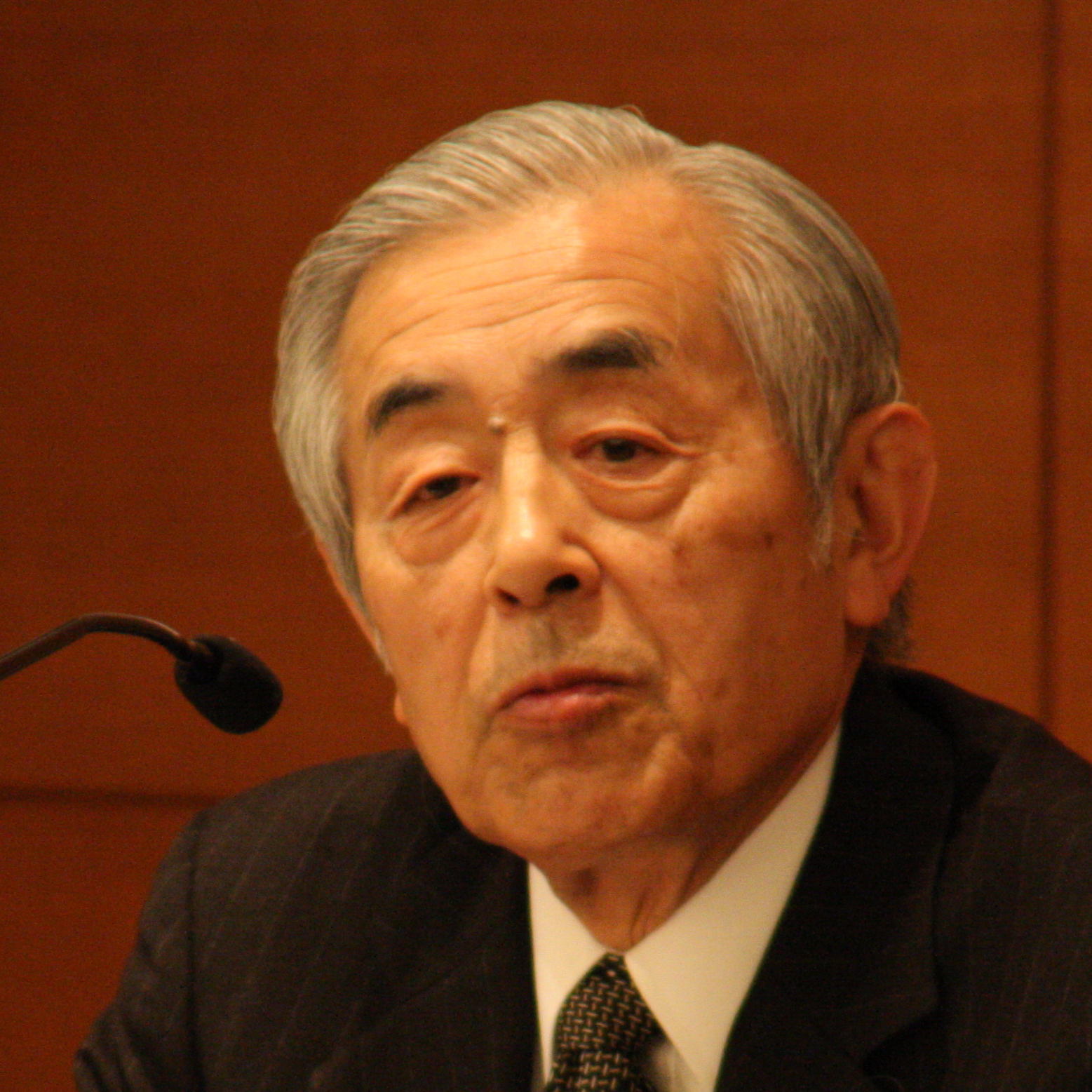 Hiroshi Kimura
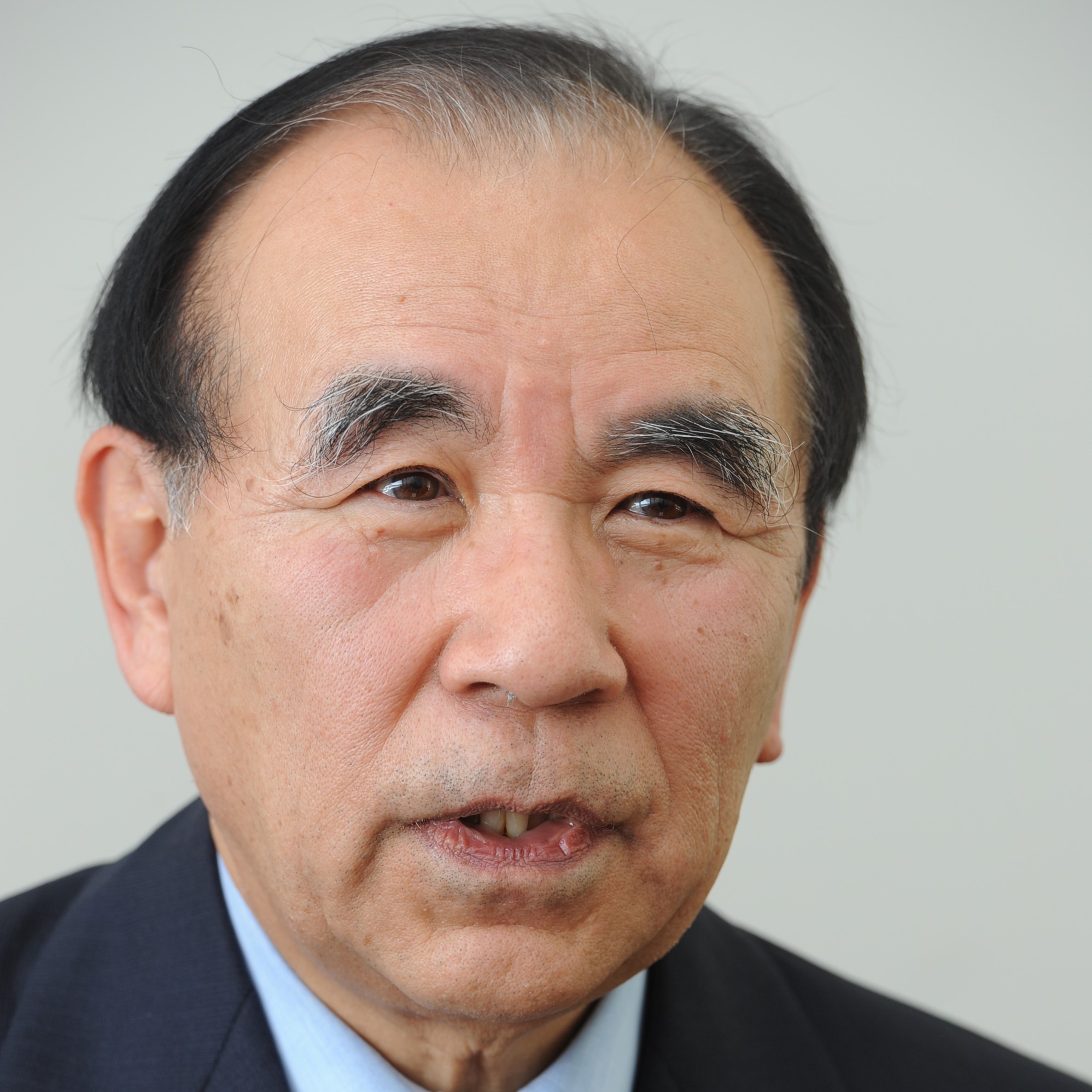 Osamu Nishi
 Koko Kato
 Tadashi Saito
 Shohei Umezawa
 Jason Morgan
 Arvind Gupta
 Kenro Nagoshi
 Takeshi Kudo
 Sukehiro Hirakawa
 Yumiko Nishimoto
 Rikiwo Shikama
 Eriko Yamatani
 Koichi Furusho
 Tadashi Ito
 Satoshi Hirano
 Lee Woo Young
 Taro Yayama
 Koh Sekai
 Koji Okamoto
 Tsutomu Toichi
 Hideaki Karaki
 Toshu Noguchi
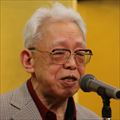 Kichinosuke Ihara
 Hisashi Matsumoto
 Yasuyuki Takai
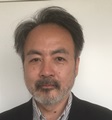 Nobuyuki Sato
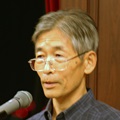 Chung Dae Kyun
 Toshio Watanabe
 Katsuya Tsukamoto
 Kazuto Suzuki
 Koichi Mera
 Akihisa Nagashima
 Miki Kase
 Eitaro Ogawa
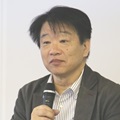 Hirotaka Watanabe
 Akinaka Senzaki
 Kevin Maher
 Yang Yi
 Hidetake Sawa
 Satoshi Tomisaka
 Nobukatsu Fujioka
 Masanori Kondo
 Hiroshi Ito
 Mio Sugita
 Rupakjyoti Borah
 Seiichi Okutomi
 Saburo Tsukamoto
 Yasuo Naito
 Satoshi Sakakibara
 Yen-Hung Lin
 Sanae Takaichi
 Haruhisa Nakagawa
 Norihide Miyoshi
 Syunichi Akasofu
 Ryoichi Hamamoto
 Hong Hyung
 Andrii Gurenko
 Ronald Morse
 Kazuhiko Inoue
 Keiichi Nakagawa
 Masamori Sase
 Katsutoshi Kawano
 Tomohisa Takei