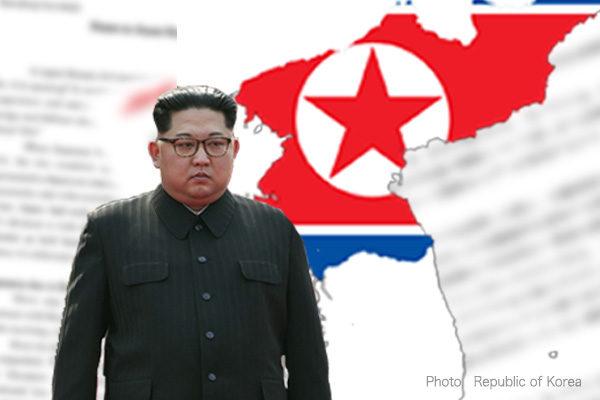
The ninth Congress of the Workers’ Party of Korea took place in North Korea for seven days from February 19 to 25. In the area of external relations, the content of North Korean leader Kim Jong Un’s speech on how to deal with the United States and South Korea was made public, and his conciliatory message to Washington drew attention.
Seeking Trump’s Pyongyang visit
“If the United States respects the present position of our state specified in the Constitution of the DPRK [Democratic People’s Republic of Korea] and withdraws its hostile policy toward the DPRK, there is no reason why we cannot get on well with the United States,” Kim said in the speech. The “present position specified in the Constitution” refers to North Korea’s position as a nuclear power. In response to a request for comment on Kim’s remark from South Korea’s Yonhap News Agency and other media outlets, a White House official said, “President Trump in his first term held three historic summits with North Korean Leader Kim Jong Un that stabilized the Korean Peninsula. President Trump remains open to talking with Kim Jong Un without any preconditions.”
I have obtained information that the Kim regime has been making behind-the-scenes efforts to persuade Washington to arrange U.S. President Donald Trump’s visit to Pyongyang on the occasion of his China trip in early April. The regime is said to be considering dismantling not only plutonium and enriched-uranium production facilities but also long-range nuclear missiles that can reach the U.S. mainland. It plans to present this dismantlement as the first step of “denuclearization” and intends to seek substantial relaxation of sanctions in return, according to my sources.
The U.S. National Defense Strategy, released by the Trump administration’s Department of War in January, says that while South Korea plays a leading role in deterring North Korea, the U.S. would provide “critical but more limited support.” The support means the nuclear umbrella. The strategy also positions North Korean nuclear missiles capable of reaching the U.S. mainland as “a clear and present danger.” The proposal under consideration by Pyongyang meets the National Defense Strategy’s concern about North Korean threats, reflecting some progress in the behind-the-scenes consultation between Pyongyang and Washington.
As Pyongyang is aiming to secure “settlement of the past” funds from Japan in exchange for concessions on the nuclear issue, the resolution of North Korea’s abduction of Japanese citizens, which is Japan’s main precondition for providing such funds, will become a topic at the potential U.S.-North Korea summit. If the U.S. and North Korean leaders reach agreement on the nuclear issue, Japanese Prime Minister Sanae Takaichi will visit Pyongyang to settle the abduction issue in the near future. In this context, Takaichi’s U.S. visit for talks with Trump in March will carry great significance. The abduction issue is entering a critical phase towards resolution.
Regime crisis due to cultural penetration from the South
Regarding South Korea, Kim said, “The DPRK remains strong and conclusive in its determination and will to regard the ROK [Republic of Korea] just as a very hostile state and eternal enemy,” effectively declaring that his regime would have no dealings whatsoever even with the pro‑North, left‑leaning South Korean government of President Lee Jae Myung. Kim even indicated a potential nuclear attack on South Korea, saying, “The possibility of the ROK’s complete collapse cannot be ruled out.” He explained the reason of his antagonism against the South as follows:
“From the very beginning, the successive ruling forces of the ROK did not want genuine reconciliation and unity with us, but have worked hard to spread their culture within our country by abusing the opportunities for reconciliation and cooperation in a sinister attempt to bring about its change and the final collapse of its social system.”
In other words, he confessed that South Korean culture has widely penetrated North Koreans, leading to a North Korean regime crisis.
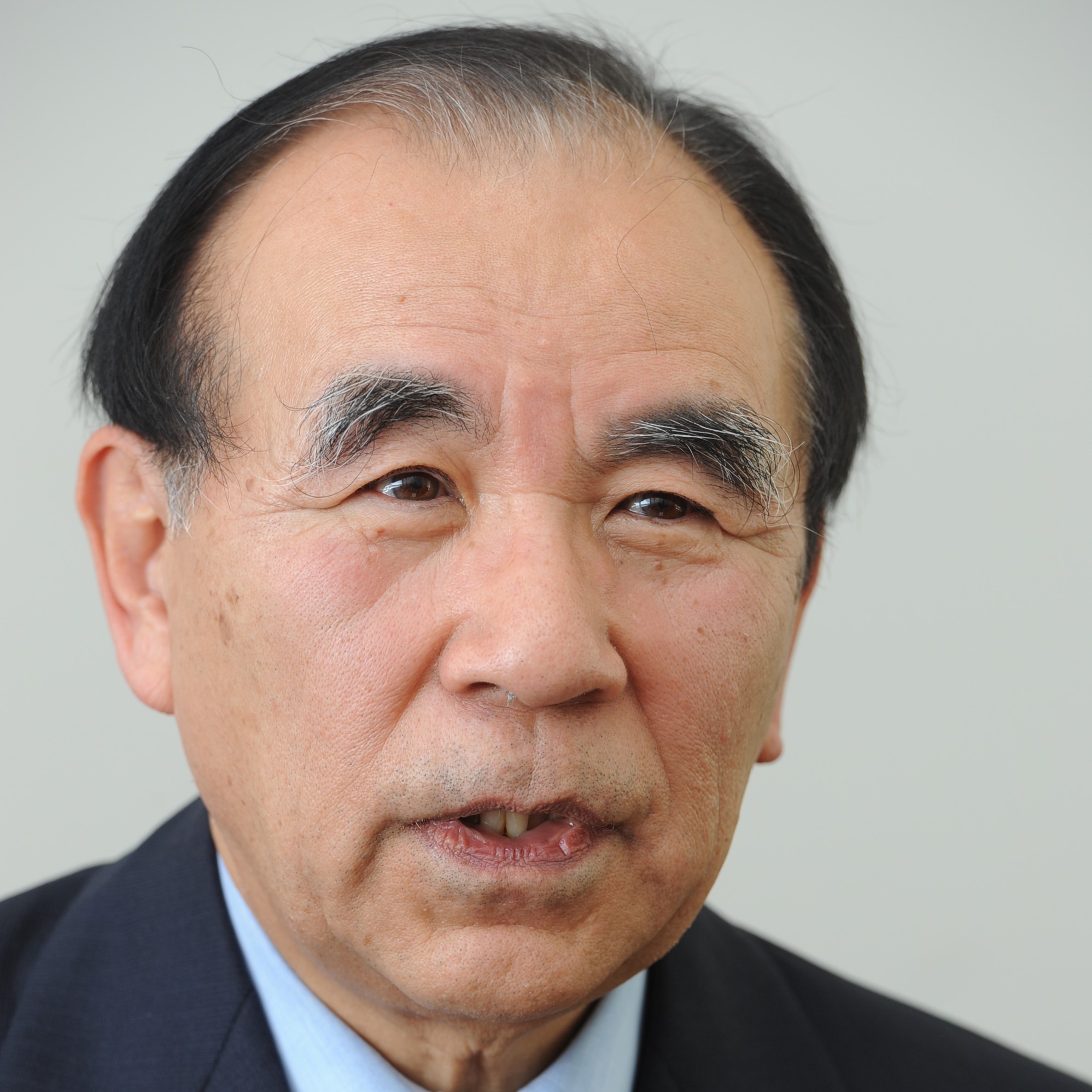
Tsutomu Nishioka is a senior fellow and a Planning Committee member at the Japan Institute for National Fundamentals and a specially-appointed professor at Reitaku University. He covers South and North Koreas.
 Takashi Arimoto
 Tadae Takubo
 Fumio Ota
 Yoshiko Sakurai
 Yasushi Tomiyama
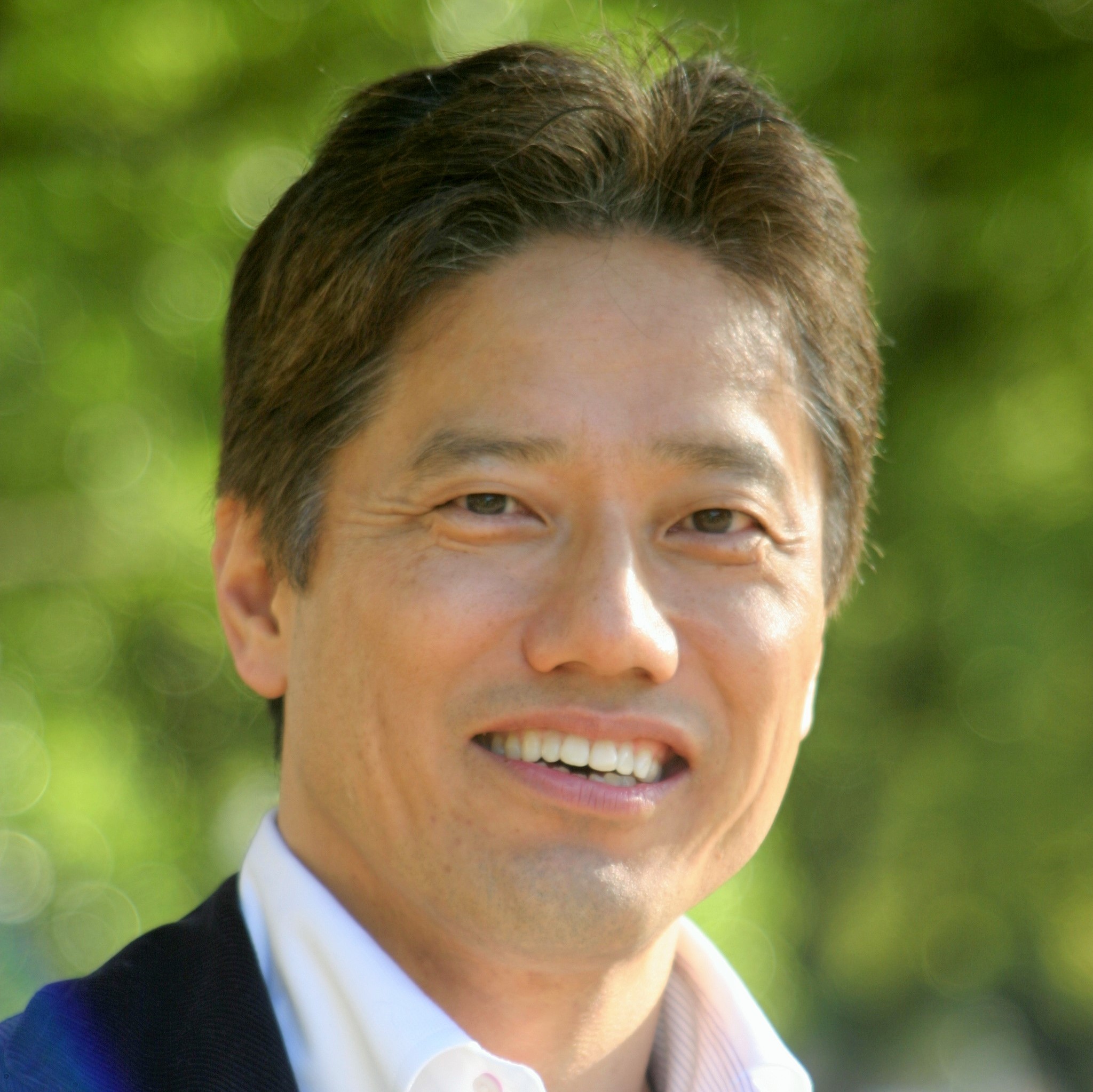 Masahiko Hosokawa
 Yoichi Shimada
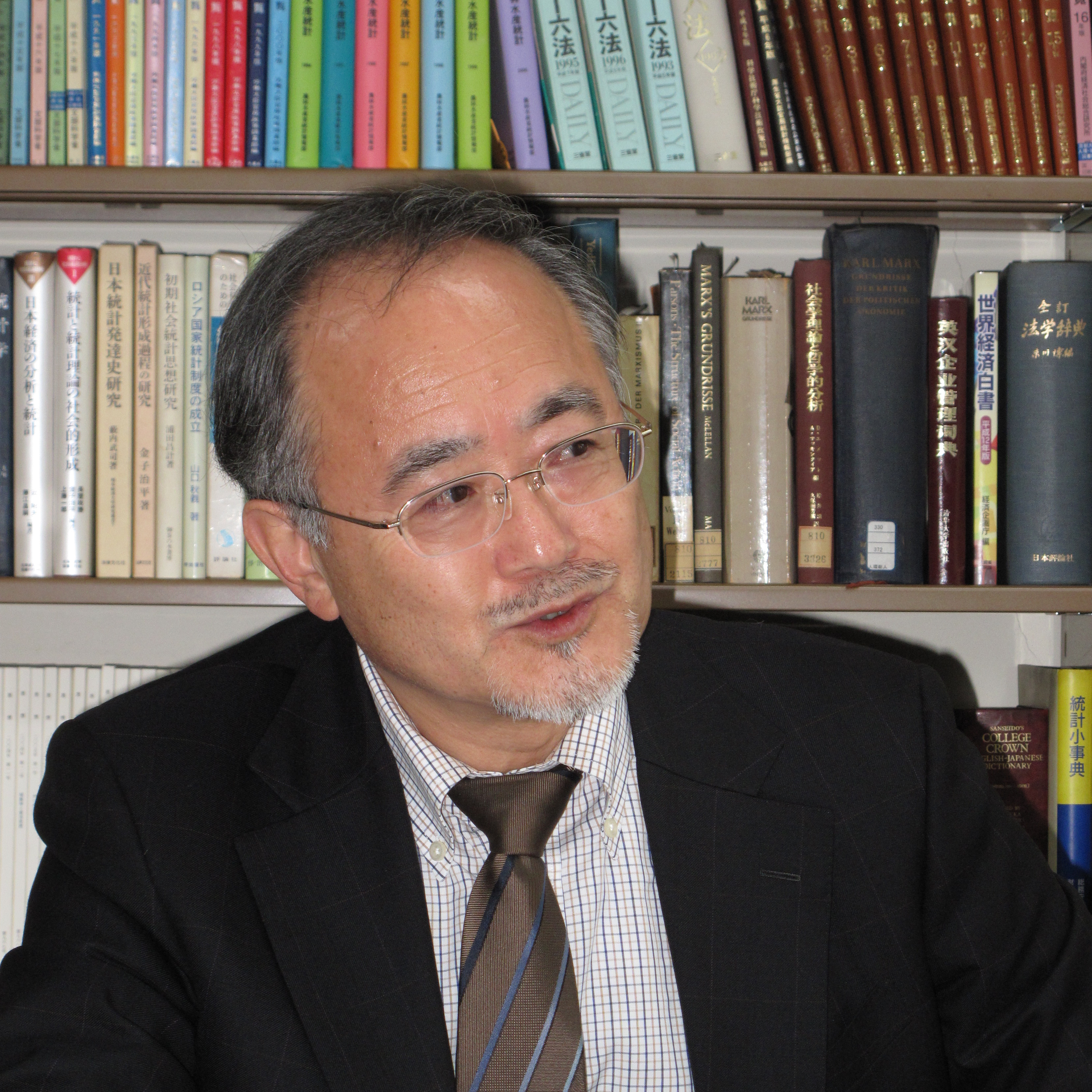 Hiroshi Yuasa
 Tadashi Narabayashi
 Hideo Tamura
 Kiyofumi Iwata
 Kunio Orita
 Maki Nakagawa
 Etsuro Honda
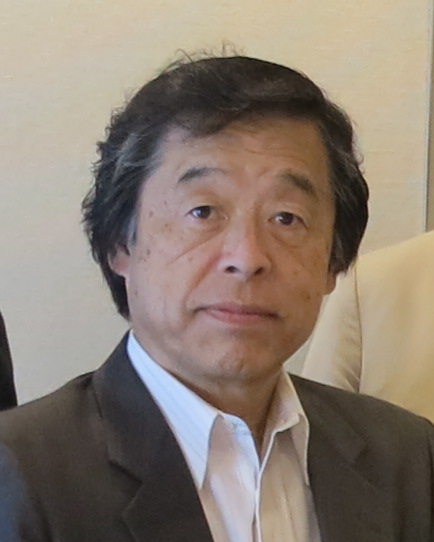 Yujiro Oiwa
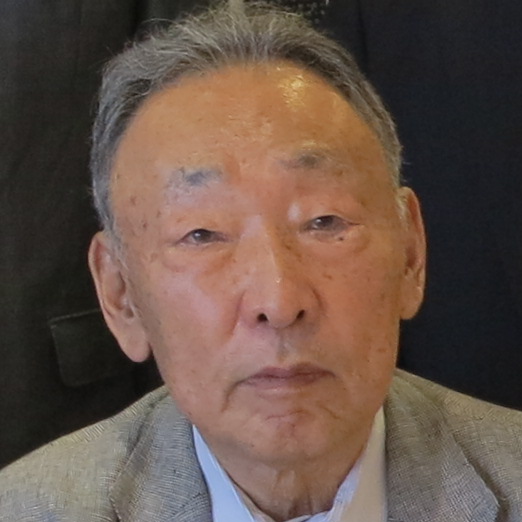 Hironobu Ishikawa
 Shiro Takahashi
 Katsuhiko Takaike
 Michio Ezaki
 Akira Momochi
 Akio Yaita
 Yoshihiko Yamada
 Seiji Kurosawa
 Koichi Endo
 Brahma Chellaney
 Nobuko Araki
 Yang Haiying
 James Auer
 Sumihiko Kawamura
 Hiroshi Kimura
 Osamu Nishi
 Koko Kato
 Tadashi Saito
 Shohei Umezawa
 Jason Morgan
 Arvind Gupta
 Kenro Nagoshi
 Takeshi Kudo
 Sukehiro Hirakawa
 Yumiko Nishimoto
 Rikiwo Shikama
 Eriko Yamatani
 Koichi Furusho
 Tadashi Ito
 Satoshi Hirano
 Lee Woo Young
 Taro Yayama
 Koh Sekai
 Koji Okamoto
 Tsutomu Toichi
 Hideaki Karaki
 Toshu Noguchi
 Kichinosuke Ihara
 Hisashi Matsumoto
 Yasuyuki Takai
 Nobuyuki Sato
 Chung Dae Kyun
 Toshio Watanabe
 Katsuya Tsukamoto
 Kazuto Suzuki
 Koichi Mera
 Akihisa Nagashima
 Miki Kase
 Eitaro Ogawa
 Hirotaka Watanabe
 Akinaka Senzaki
 Kevin Maher
 Yang Yi
 Hidetake Sawa
 Satoshi Tomisaka
 Nobukatsu Fujioka
 Masanori Kondo
 Hiroshi Ito
 Mio Sugita
 Rupakjyoti Borah
 Seiichi Okutomi
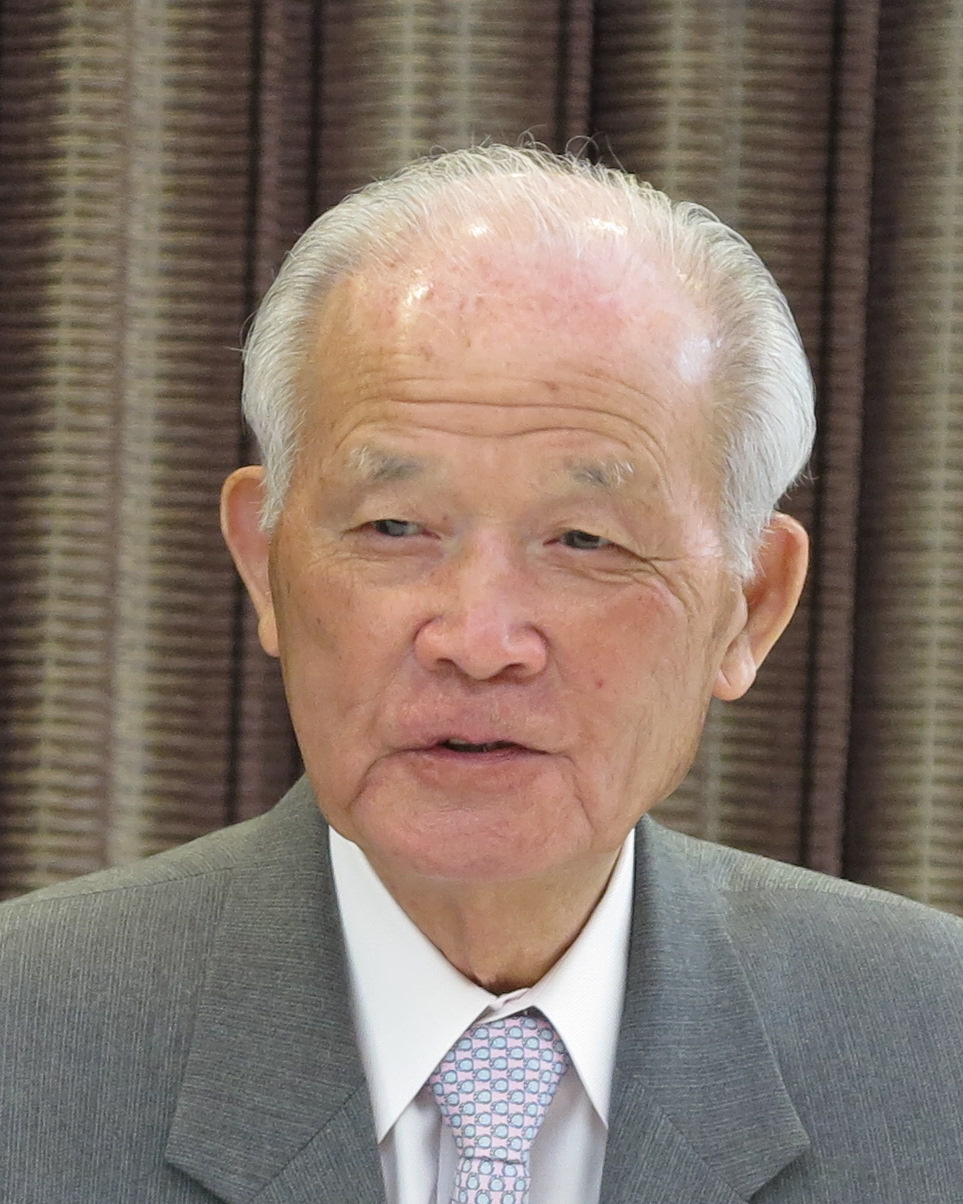 Saburo Tsukamoto
 Yasuo Naito
 Satoshi Sakakibara
 Yen-Hung Lin
 Sanae Takaichi
 Haruhisa Nakagawa
 Norihide Miyoshi
 Syunichi Akasofu
 Ryoichi Hamamoto
 Hong Hyung
 Andrii Gurenko
 Ronald Morse
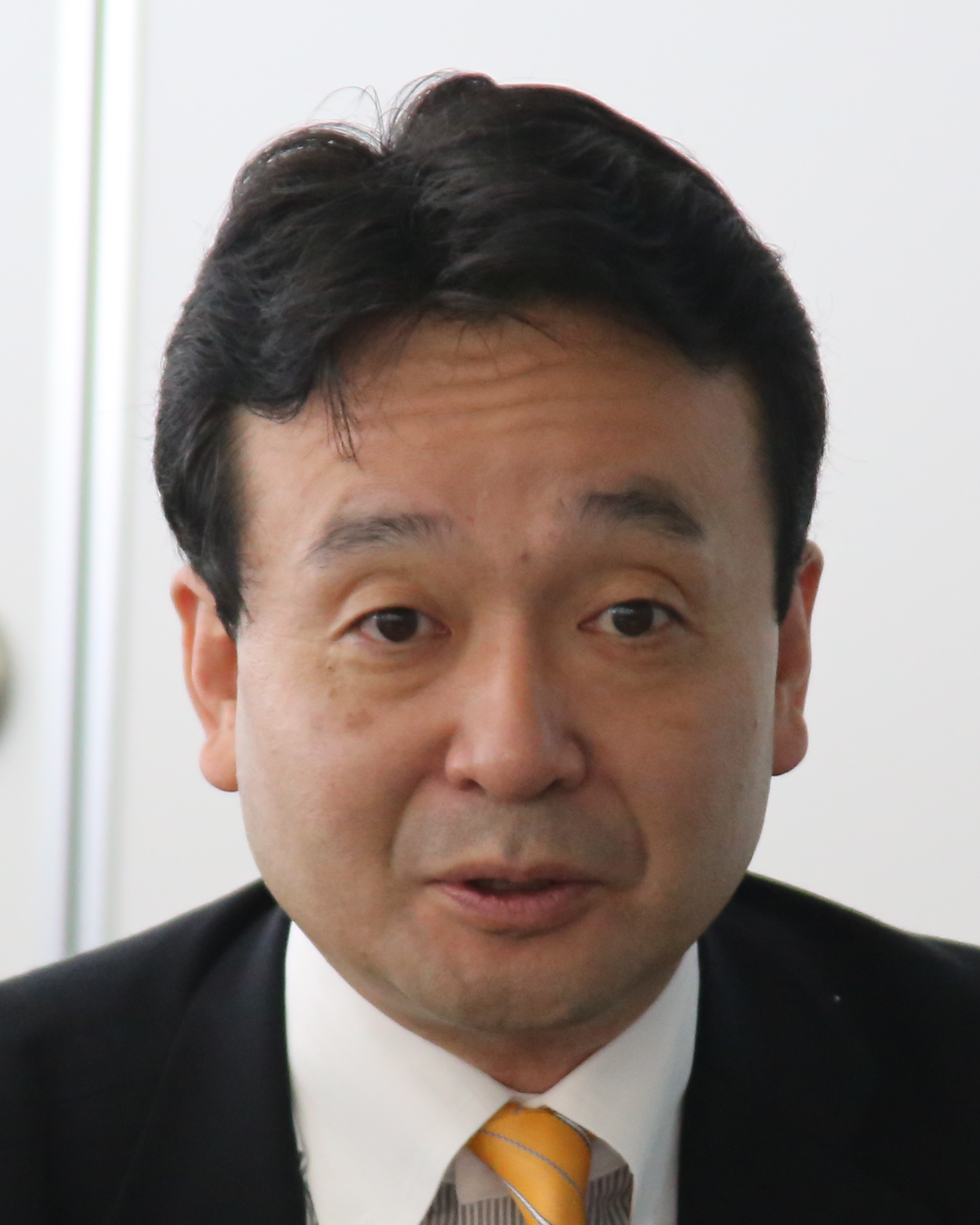 Kazuhiko Inoue
 Keiichi Nakagawa
 Masamori Sase
 Katsutoshi Kawano
 Tomohisa Takei