
With the overwhelming support of the public, the second Takaichi Cabinet has been inaugurated. This cabinet has announced many economic, security, and other policies to make Japan “strong and prosperous.” The most fundamental policy among them is the amendment of the constitution and the Imperial House Law.
Current provisions cannot protect the imperial lineage
Prime Minister Sanae Takaichi included in her campaign promises for the ruling Liberal Democratic Party’s leadership election, announced on September 19 last year, a commitment to amend the Imperial House Law in order to “protect the male imperial lineage that has lasted for Japan’s 126 Emperors,” alongside constitutional amendment. Takaichi has been consistent in this regard. In her policy speech on October 24 last year during her first cabinet, Takaichi said, “I have great expectations for discussions to deepen among the various political parties and factions regarding the stable succession of the Imperial Throne, leading to a revision of the Imperial House Law.” In her latest policy speech on February 20 for her second cabinet, she said, “I have great expectations for discussions to deepen at the National Diet regarding the stable succession of the Imperial Throne towards a revision of the Imperial House Law, while considering the significance of Japan’s traditions and history.”
Article 2 of the constitution says, “The Imperial Throne shall be dynastic and succeeded to in accordance with the Imperial House Law passed by the Diet.” Pursuant to this, Article 1 of the Imperial House Law says, “The Imperial Throne shall be succeeded to by a male offspring in the male line belonging to the Imperial Lineage.” Paragraph 1 of Article 2 provides for the specific order of succession to the Imperial Throne that begins with the eldest son of the Emperor followed by the eldest son of the Emperor’s eldest son and other Imperial Family members. Paragraph 2 says that, when no individual falls within these categories, the throne shall be passed to the “member of the Imperial Family next nearest in lineage.”
However, the existing heirs to the Imperial Throne are limited to three: Emperor Naruhito’s younger brother Crown Prince Fumihito Akishino, Crown Prince Akishino’s son Prince Hisahito, and Emperor Emeritus Akihito’s younger brother Prince Masahito Hitachi as in order of rank. Given that Prince Hitachi is 90 years old and Crown Prince Akishino 60 years old, Prince Hisahito is effectively the only future heir to Emperor Naruhito aged 66. There is no “member of the Imperial Family next nearest in lineage.” The current situation thus cannot guarantee the stable succession of the Imperial Throne to “protect the male imperial lineage that has lasted for Japan’s 126 Emperors,”
Since Emperor Naruhito has Princess Aiko as his daughter, there is a proposal to allow a male-line female, rather than a male-line male, to succeed to the Imperial Throne. If Princess Aiko remains single for the rest of her life, however, her succession to the throne will fail to guarantee the stable succession of the Imperial Throne. If Princess Aiko marries a private citizen and her descendant were to succeed to the throne, this would result in a female-line emperor. This is against the traditional male-line succession and should not be accepted.
Restore imperial status for male members of former imperial branches
In this context, the restoration of imperial status for male members of former imperial branches, which were divested of imperial status in 1947, is being considered. There may be various ways for the restoration. Rather than automatically restoring all former branches, one possibility would be for an appropriate individual to be adopted into the current Imperial Family; another would be for such an individual to be reinstated as a member of the Imperial Family in the capacity of a former imperial branch. Each of these options would require an amendment to the Imperial House Law, and given the current circumstances, action should be taken without delay.
Furthermore, I believe that if either of the above two proposals is combined with the marriage of an imperial princess with a former imperial branch member, the sense of unity between the people and the Imperial Family will be further deepened.
Katsuhiko Takaike is an attorney-at-law and Vice President of the Japan Institute for National Fundamentals.
 Tsutomu Nishioka
 Takashi Arimoto
 Tadae Takubo
 Fumio Ota
 Yoshiko Sakurai
 Yasushi Tomiyama
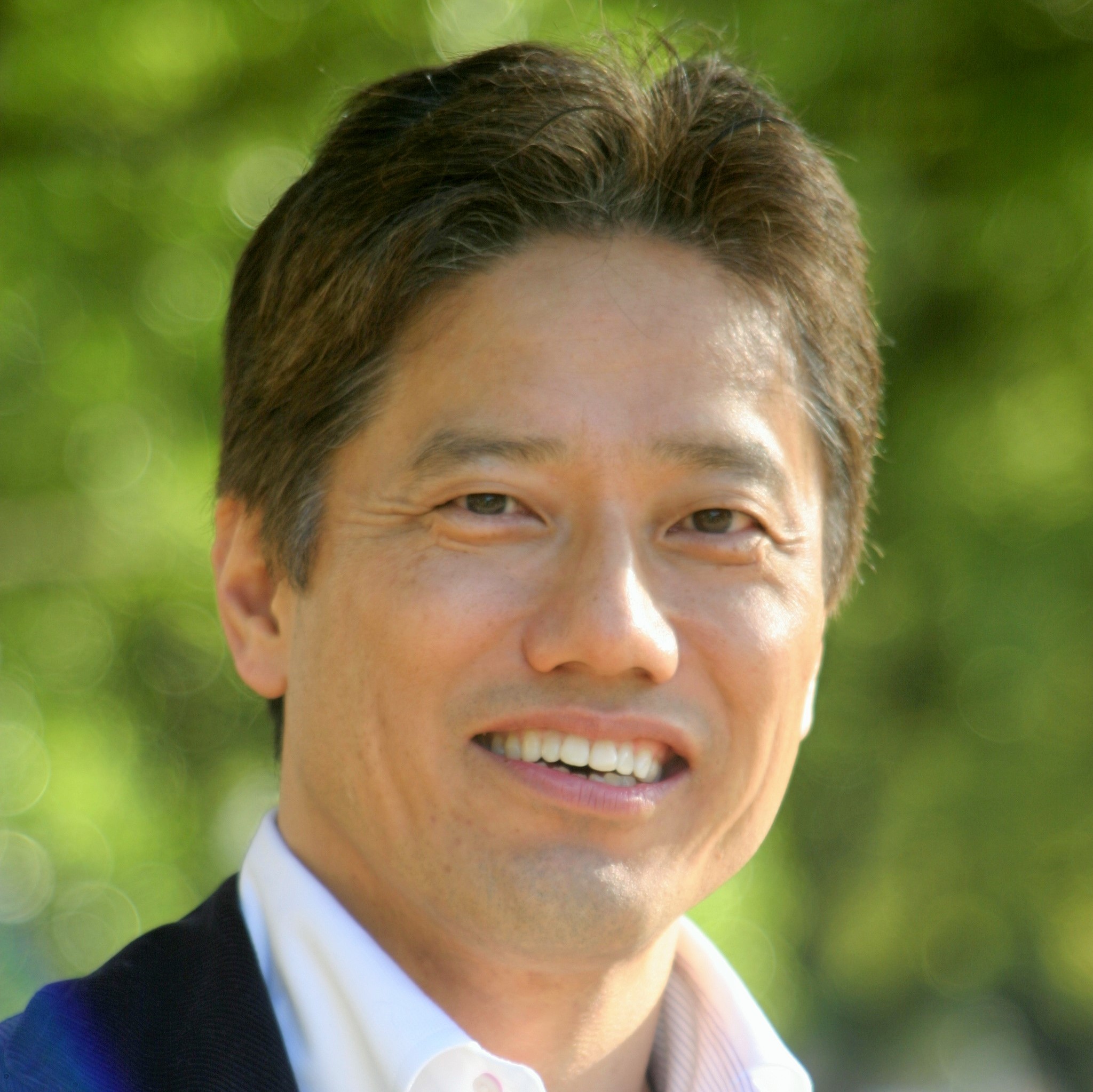 Masahiko Hosokawa
 Yoichi Shimada
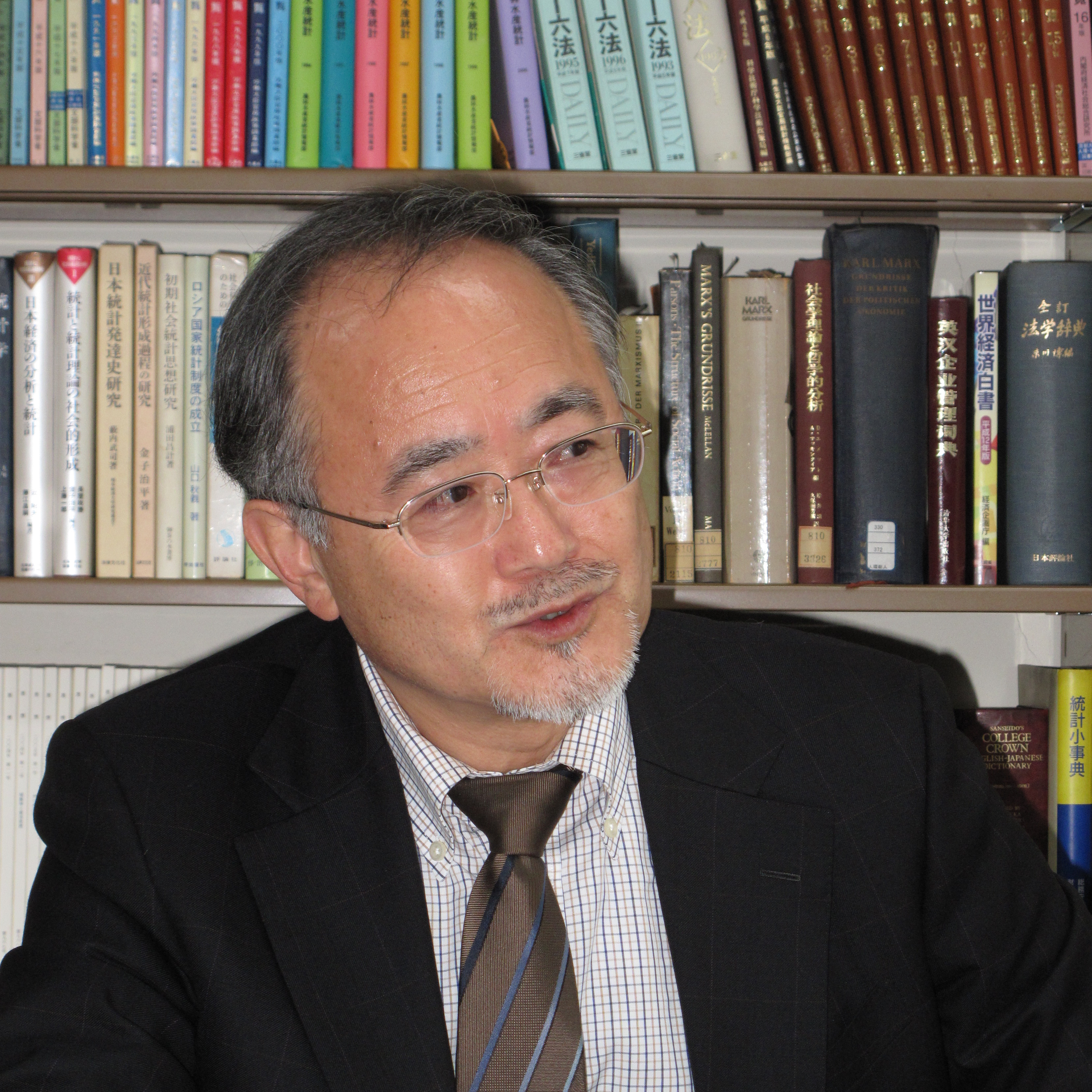 Hiroshi Yuasa
 Tadashi Narabayashi
 Hideo Tamura
 Kiyofumi Iwata
 Kunio Orita
 Maki Nakagawa
 Etsuro Honda
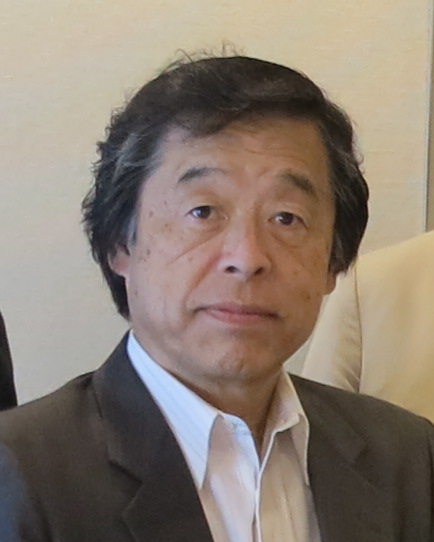 Yujiro Oiwa
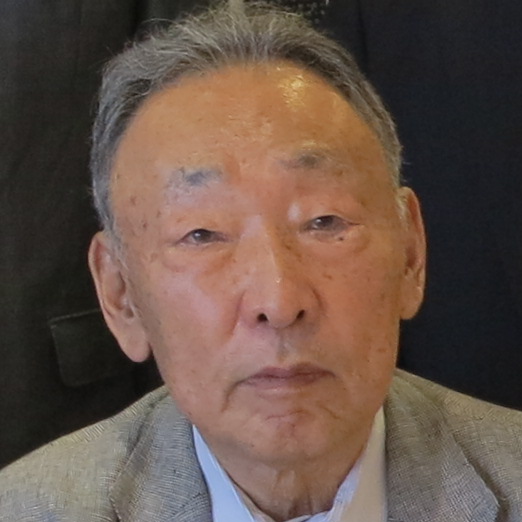 Hironobu Ishikawa
 Shiro Takahashi
 Michio Ezaki
 Akira Momochi
 Akio Yaita
 Yoshihiko Yamada
 Seiji Kurosawa
 Koichi Endo
 Brahma Chellaney
 Nobuko Araki
 Yang Haiying
 James Auer
 Sumihiko Kawamura
 Hiroshi Kimura
 Osamu Nishi
 Koko Kato
 Tadashi Saito
 Shohei Umezawa
 Jason Morgan
 Arvind Gupta
 Kenro Nagoshi
 Takeshi Kudo
 Sukehiro Hirakawa
 Yumiko Nishimoto
 Rikiwo Shikama
 Eriko Yamatani
 Koichi Furusho
 Tadashi Ito
 Satoshi Hirano
 Lee Woo Young
 Taro Yayama
 Koh Sekai
 Koji Okamoto
 Tsutomu Toichi
 Hideaki Karaki
 Toshu Noguchi
 Kichinosuke Ihara
 Hisashi Matsumoto
 Yasuyuki Takai
 Nobuyuki Sato
 Chung Dae Kyun
 Toshio Watanabe
 Katsuya Tsukamoto
 Kazuto Suzuki
 Koichi Mera
 Akihisa Nagashima
 Miki Kase
 Eitaro Ogawa
 Hirotaka Watanabe
 Akinaka Senzaki
 Kevin Maher
 Yang Yi
 Hidetake Sawa
 Satoshi Tomisaka
 Nobukatsu Fujioka
 Masanori Kondo
 Hiroshi Ito
 Mio Sugita
 Rupakjyoti Borah
 Seiichi Okutomi
 Saburo Tsukamoto
 Yasuo Naito
 Satoshi Sakakibara
 Yen-Hung Lin
 Sanae Takaichi
 Haruhisa Nakagawa
 Norihide Miyoshi
 Syunichi Akasofu
 Ryoichi Hamamoto
 Hong Hyung
 Andrii Gurenko
 Ronald Morse
 Kazuhiko Inoue
 Keiichi Nakagawa
 Masamori Sase
 Katsutoshi Kawano
 Tomohisa Takei