Immediately after taking office for his second term, U.S. President Donald Trump came up with a new Manhattan Project to develop artificial superintelligence (ASI) that would evolve current artificial intelligence (AI) by an order of magnitude. While current AI can conduct only imitation and analogical reasoning, ASI, or super AI, may be able to think like a human and make instant judgements. The development of ASI alone will require a huge investment of $500 billion over four years.
U.S. moving forward with super AI development
The original Manhattan Project was a nuclear weapons development program during World War II, where the U.S. government gathered as many as 15 Nobel Prize winners and invested enormous resources to achieve the world’s first successful development of nuclear weapons. For Japan, which ultimately suffered the dropping of two atomic bombs as a result, it was an extremely tragic project.
The priority investment targets of the new Manhattan Project include the development of ASI infrastructure integrating many U.S. government supercomputers, as well as six key fields: (1) advanced manufacturing, (2) biotechnology, (3) rare earth, (4) innovative nuclear fission and fusion reactors to power ASI, (5) quantum computing, and (6) semiconductors and microelectronics. It would be necessary to advance these areas simultaneously.
Prior to the inauguration of the second Trump administration, a bipartisan commission of the U.S. Congress recommended an AI version of the Manhattan Project, with China in mind. “There is an incredible first-mover advantage” in AI development, commission member Michael Kuiken said, arguing that the United States should invest a lot of public money in AI development for national security reasons to go ahead of China. In response, President Trump emphasized that the U.S. would become the AI center of the world.
If an ASI prototype is mounted on a robot to pilot a fighter jet, the ASI robot may perform as well as excellent pilots in mock battles. Even if the fighter is rapidly accelerated, the robot does not faint. If drones are combined with ASI, opposing nations may stand no chance.
U.S. businessman Elon Musk has transformed a sluggish electric vehicle factory into a facility to produce physical AI robots with “brains” and “muscles.”
SoftBank Group Chairman and CEO Masayoshi Son quickly offered a contribution to President Trump and obtained the position of coordinator for the construction of a gas-fired power plant for AI data centers, one of the first projects for investment in the U.S. based on the Japan-U.S. tariff agreement. The gas turbines for the power plant will be supplied by GE Vernova of the U.S. However, the plant should adopt the gas turbine combined cycle (GTCC) system combining gas and steam turbines, to which Japan is good. Since Japanese taxpayers’ money is to be invested in the project through the Japan Bank for International Cooperation (JBIC), the investment should benefit Japanese people as well as SoftBank and U.S. companies.
Promote cooperation at Japan-U.S. summit talks
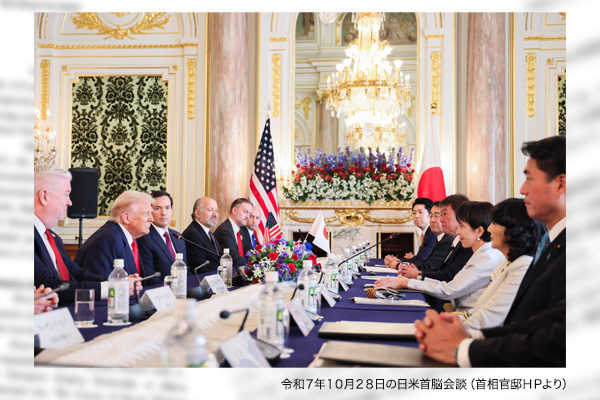
On February 20, Prime Minister Sanae Takaichi delivered a policy speech, vowing to “push the growth switch, push, push, push it relentlessly” by promoting “crisis management investment” for minimizing economic security and other risks and “growth investment” for blooming AI, semiconductor, shipbuilding, and other advanced technologies. Takaichi is scheduled to meet with Trump in Washington on March 19. In the Japan–U.S. summit meeting, it is hoped that discussions will address ways to align the new Manhattan Project with Japan’s growth strategy and a form of cooperation that maximizes Japan’s national interests.
Tadashi Narabayashi is a professor emeritus at Hokkaido University and a director at the Japan Institute for National Fundamentals.
 Tsutomu Nishioka
 Takashi Arimoto
 Tadae Takubo
 Fumio Ota
 Yoshiko Sakurai
 Yasushi Tomiyama
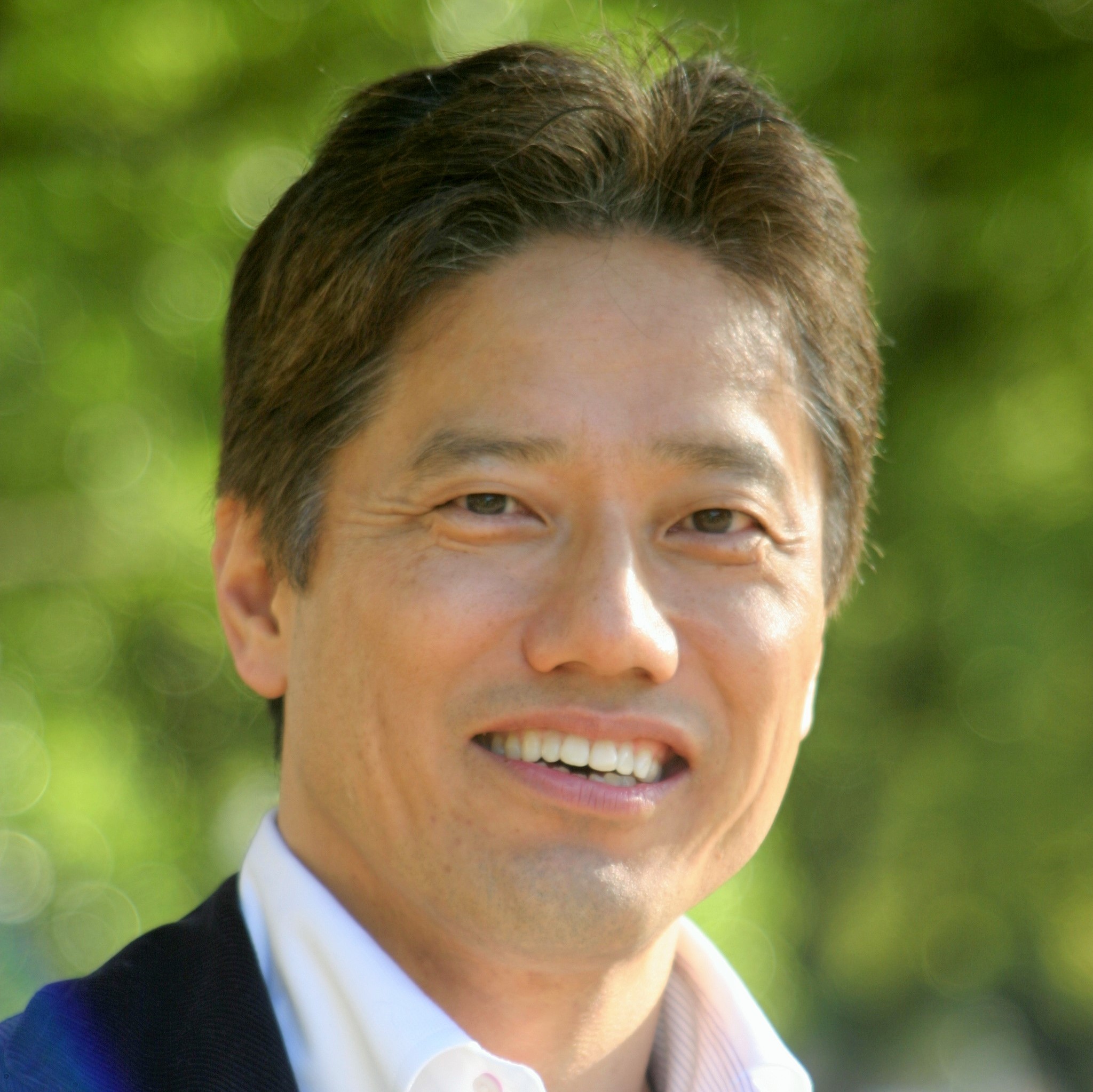 Masahiko Hosokawa
 Yoichi Shimada
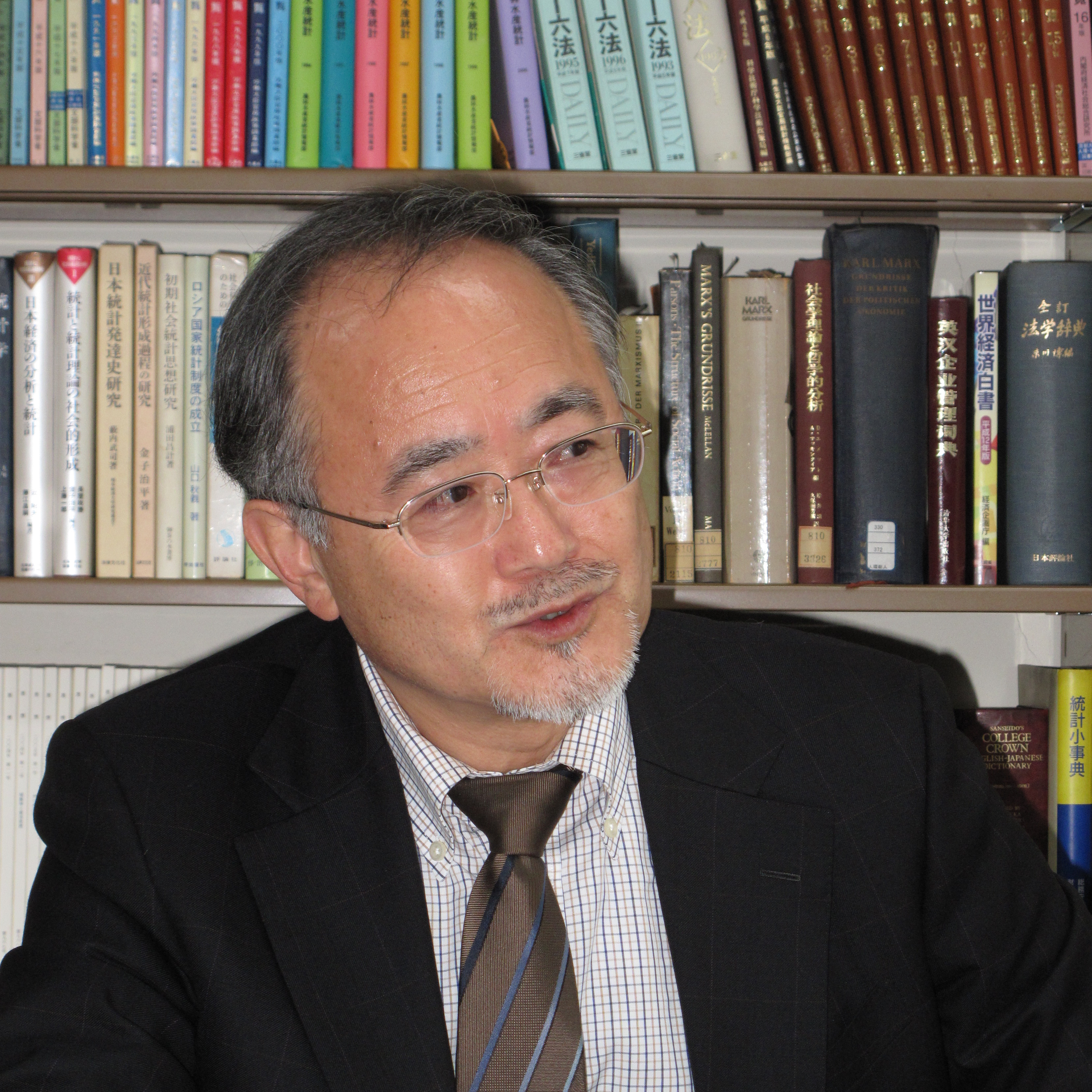 Hiroshi Yuasa
 Hideo Tamura
 Kiyofumi Iwata
 Kunio Orita
 Maki Nakagawa
 Etsuro Honda
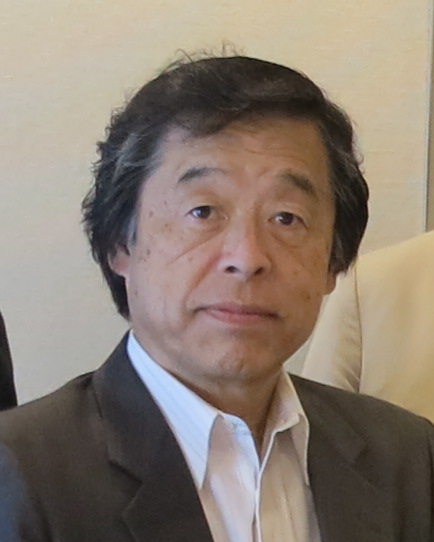 Yujiro Oiwa
 Hironobu Ishikawa
 Shiro Takahashi
 Katsuhiko Takaike
 Michio Ezaki
 Akira Momochi
 Akio Yaita
 Yoshihiko Yamada
 Seiji Kurosawa
 Koichi Endo
 Brahma Chellaney
 Nobuko Araki
 Yang Haiying
 James Auer
 Sumihiko Kawamura
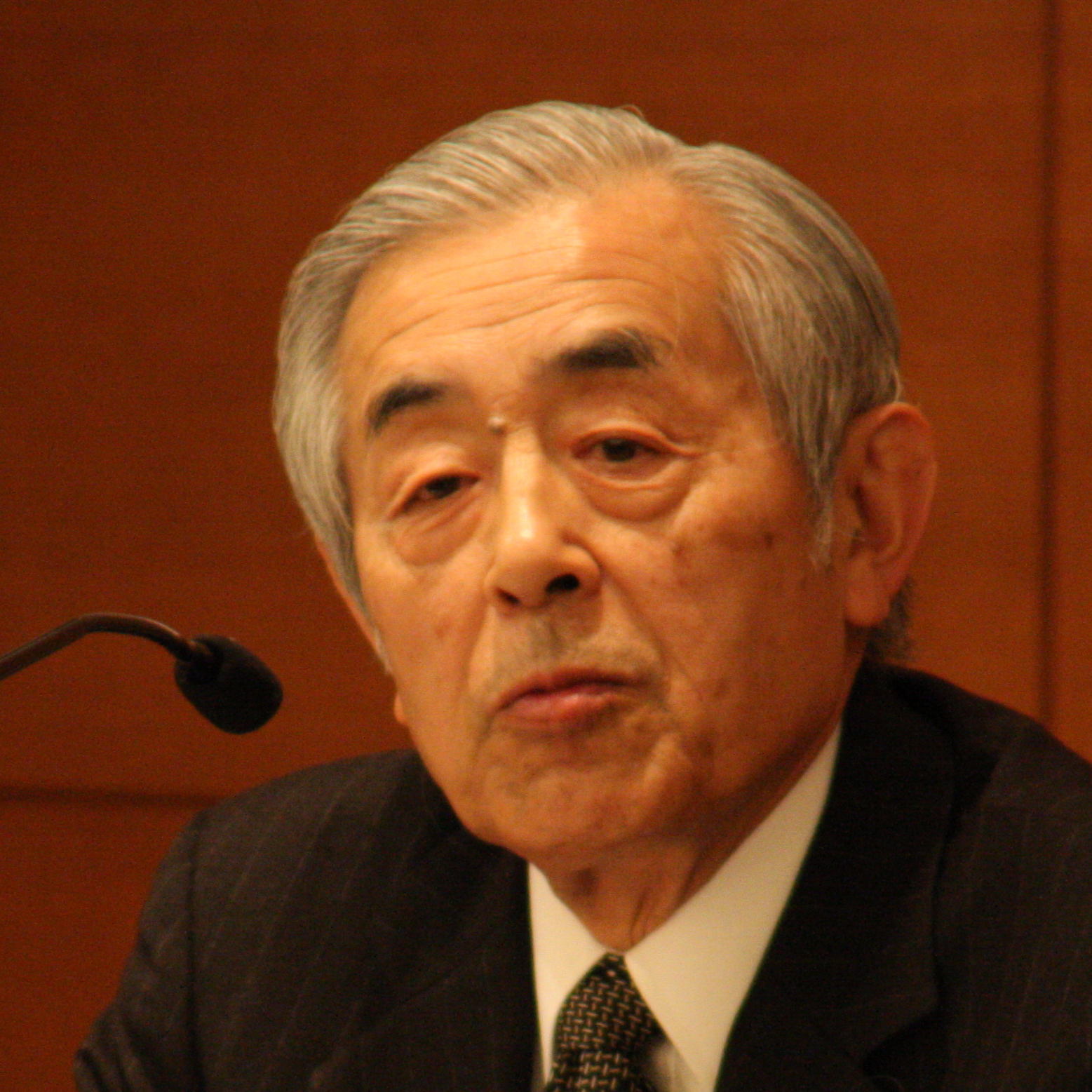 Hiroshi Kimura
 Osamu Nishi
 Koko Kato
 Tadashi Saito
 Shohei Umezawa
 Jason Morgan
 Arvind Gupta
 Kenro Nagoshi
 Takeshi Kudo
 Sukehiro Hirakawa
 Yumiko Nishimoto
 Rikiwo Shikama
 Eriko Yamatani
 Koichi Furusho
 Tadashi Ito
 Satoshi Hirano
 Lee Woo Young
 Taro Yayama
 Koh Sekai
 Koji Okamoto
 Tsutomu Toichi
 Hideaki Karaki
 Toshu Noguchi
 Kichinosuke Ihara
 Hisashi Matsumoto
 Yasuyuki Takai
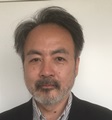 Nobuyuki Sato
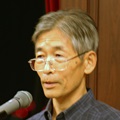 Chung Dae Kyun
 Toshio Watanabe
 Katsuya Tsukamoto
 Kazuto Suzuki
 Koichi Mera
 Akihisa Nagashima
 Miki Kase
 Eitaro Ogawa
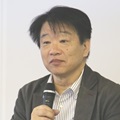 Hirotaka Watanabe
 Akinaka Senzaki
 Kevin Maher
 Yang Yi
 Hidetake Sawa
 Satoshi Tomisaka
 Nobukatsu Fujioka
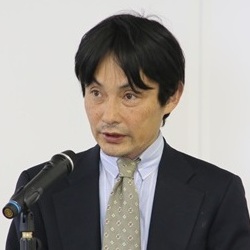 Masanori Kondo
 Hiroshi Ito
 Mio Sugita
 Rupakjyoti Borah
 Seiichi Okutomi
 Saburo Tsukamoto
 Yasuo Naito
 Satoshi Sakakibara
 Yen-Hung Lin
 Sanae Takaichi
 Haruhisa Nakagawa
 Norihide Miyoshi
 Syunichi Akasofu
 Ryoichi Hamamoto
 Hong Hyung
 Andrii Gurenko
 Ronald Morse
 Kazuhiko Inoue
 Keiichi Nakagawa
 Masamori Sase
 Katsutoshi Kawano
 Tomohisa Takei