Prime Minister Sanae Takaichi at the ruling Liberal Democratic Party’s convention in April said “the time has come” for amending the constitution. “I would like the way to be paved by next year’s LDP convention for initiating constitutional amendments for a national referendum.” Many of the voters who gave the LDP a record number of seats in the February general election for the House of Representatives must have been thrilled by Takaichi’s remark, expecting that the constitutional amendment might finally be achieved.
However, a big concern has emerged. There are some predictions that Article 9 of the constitution may not be included in the initial amendment proposals. Under the Shinzo Abe administration, the LDP decided to advance four constitutional amendment items: (1) explicitly stipulating the Self-Defense Forces in the constitution, (2) responding to the state of emergency, (3) eliminating any House of Councillors electoral district spanning multiple prefectures, and (4) enhancing education. However, there is a concern that the first item might be removed from the initial constitutional amendment proposals.
Give honor to SDF personnel
I have repeatedly argued that Article 9 must be included in the initial constitutional amendment proposals. A decade ago, the ruling LDP led by then Prime Minister Shinzo Abe won a landslide victory in a House of Councillors election, allowing pro-amendment forces to secure a two-thirds majority in both houses of the Diet. At the time, I contributed a column titled “Initiate an amendment to explicitly stipulate the SDF in the constitution” to the Sankei Shimbun newspaper as follows:
“SDF personnel are currently carrying out missions risking their lives in areas such as South Sudan and the vicinity of the Senkaku Islands. They have taken an oath: ‘When carrying out missions, I will take risks fulfilling my responsibilities to respond to the mandate of the people.’ The way to reward them is to grant honor to them.
“If politicians order SDF personnel to work for the nation at the risk of their lives while avoiding an explicit provision regarding the SDF in the initial constitutional amendment proposals, they would be too disrespectful to SDF personnel. I strongly believe that we must not shrink from the effort to explicitly stipulate the SDF in the constitution in order to give honor to them.”
Nine months after this column was published, Abe came up with a proposal to explicitly stipulate the SDF in the constitution. The proposed constitutional provision for the SDF is based on the premise that Paragraph 2 of Article 9 of the constitution will be left unchanged. As long as Paragraph 2 that prohibits Japan from maintaining war potential exists, the SDF will continue to face various constraints from which normal military forces are free. I sincerely feel sorry for SDF personnel for the continued constraints. In the face of postwar Japan’s strong complacency about peace, however, I believed 10 years ago that Japan should begin by explicitly stipulating the SDF in the constitution.
Respect for life-risking mission
Over the past decade, the international environment surrounding Japan has steadily deteriorated. Many military experts argue that a constitution that would maintain Paragraph 2 of Article 9 while explicitly stipulating the SDF would be insufficient to prepare for contingencies that could occur in the near future.
Even after a decade has passed, however, even the explicit constitutional provision for the SDF has not been achieved. Excluding any Article 9 amendment from the initial constitutional amendment proposals would be too disrespectful to SDF personnel. Those who put their lives on the line should first be given honor. I strongly reiterate this point.
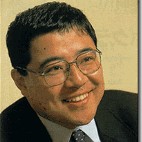
Tsutomu Nishioka is a senior fellow and a Planning Committee member at the Japan Institute for National Fundamentals and a specially-appointed professor at Reitaku University.
 Takashi Arimoto
 Tadae Takubo
 Fumio Ota
 Yoshiko Sakurai
 Yasushi Tomiyama
 Masahiko Hosokawa
 Yoichi Shimada
 Hiroshi Yuasa
 Tadashi Narabayashi
 Hideo Tamura
 Kiyofumi Iwata
 Kunio Orita
 Maki Nakagawa
 Etsuro Honda
 Yujiro Oiwa
 Hironobu Ishikawa
 Shiro Takahashi
 Katsuhiko Takaike
 Michio Ezaki
 Akira Momochi
 Akio Yaita
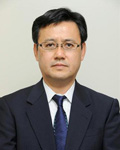 Yoshihiko Yamada
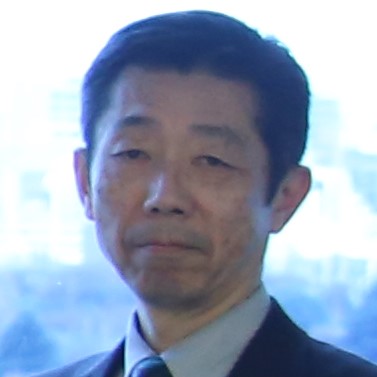 Seiji Kurosawa
 Koichi Endo
 Brahma Chellaney
 Nobuko Araki
 Yang Haiying
 James Auer
 Sumihiko Kawamura
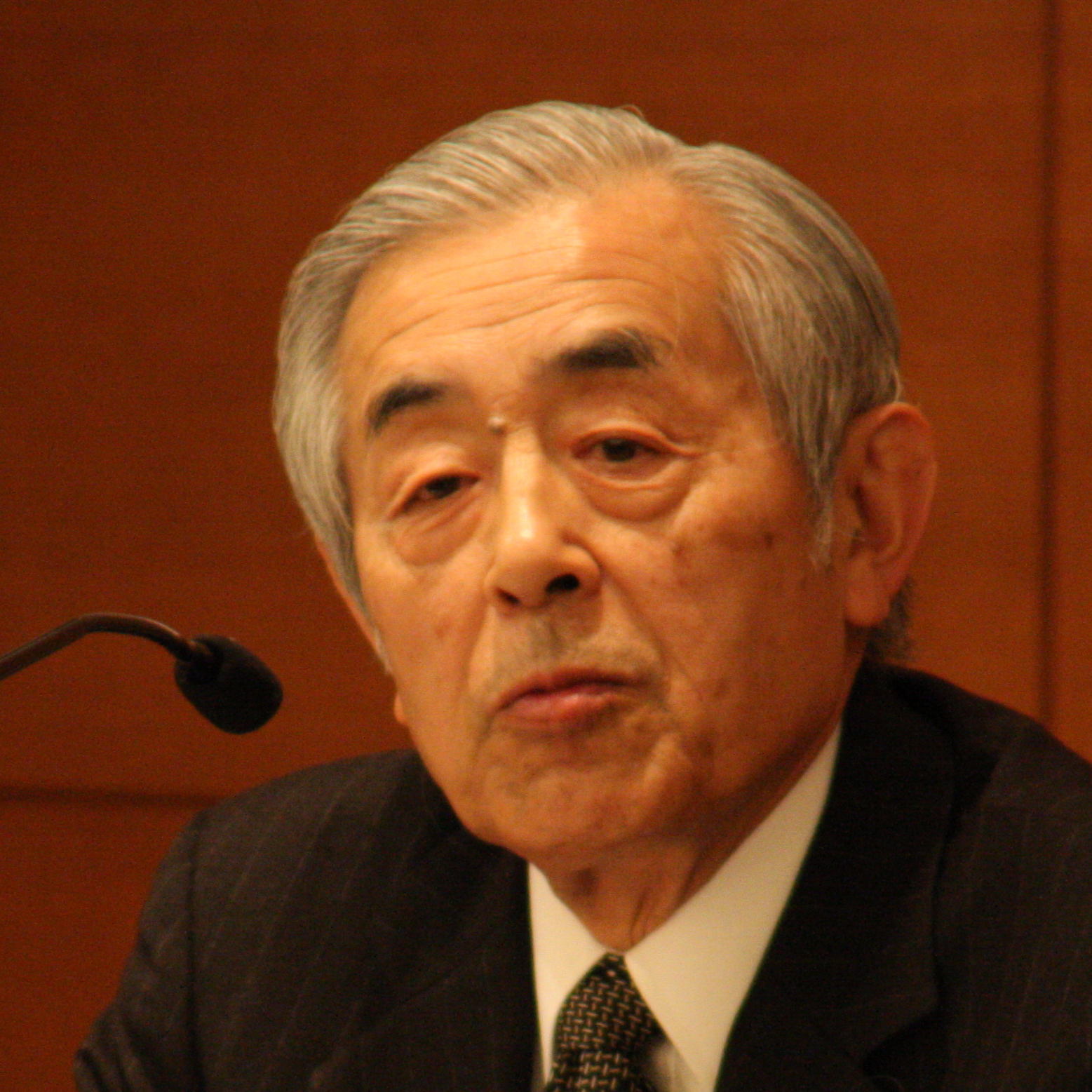 Hiroshi Kimura
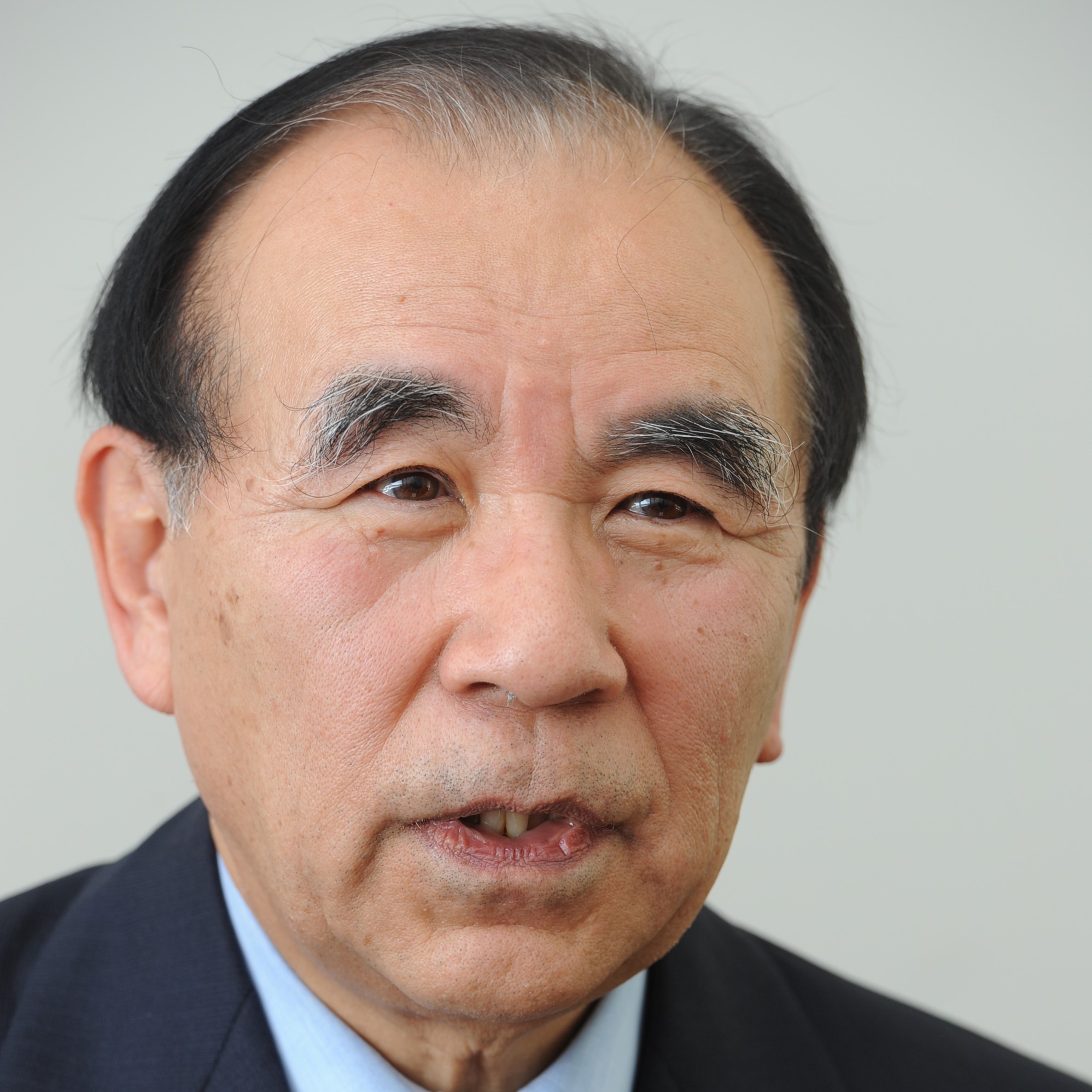 Osamu Nishi
 Koko Kato
 Tadashi Saito
 Shohei Umezawa
 Jason Morgan
 Arvind Gupta
 Kenro Nagoshi
 Takeshi Kudo
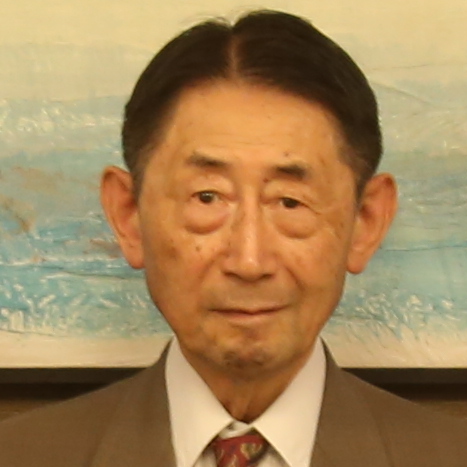 Sukehiro Hirakawa
 Yumiko Nishimoto
 Rikiwo Shikama
 Eriko Yamatani
 Koichi Furusho
 Tadashi Ito
 Satoshi Hirano
 Lee Woo Young
 Taro Yayama
 Koh Sekai
 Koji Okamoto
 Tsutomu Toichi
 Hideaki Karaki
 Toshu Noguchi
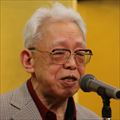 Kichinosuke Ihara
 Hisashi Matsumoto
 Yasuyuki Takai
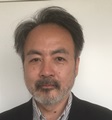 Nobuyuki Sato
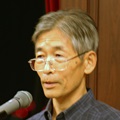 Chung Dae Kyun
 Toshio Watanabe
 Katsuya Tsukamoto
 Kazuto Suzuki
 Koichi Mera
 Akihisa Nagashima
 Miki Kase
 Eitaro Ogawa
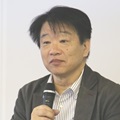 Hirotaka Watanabe
 Akinaka Senzaki
 Kevin Maher
 Yang Yi
 Hidetake Sawa
 Satoshi Tomisaka
 Nobukatsu Fujioka
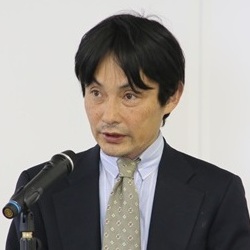 Masanori Kondo
 Hiroshi Ito
 Mio Sugita
 Rupakjyoti Borah
 Seiichi Okutomi
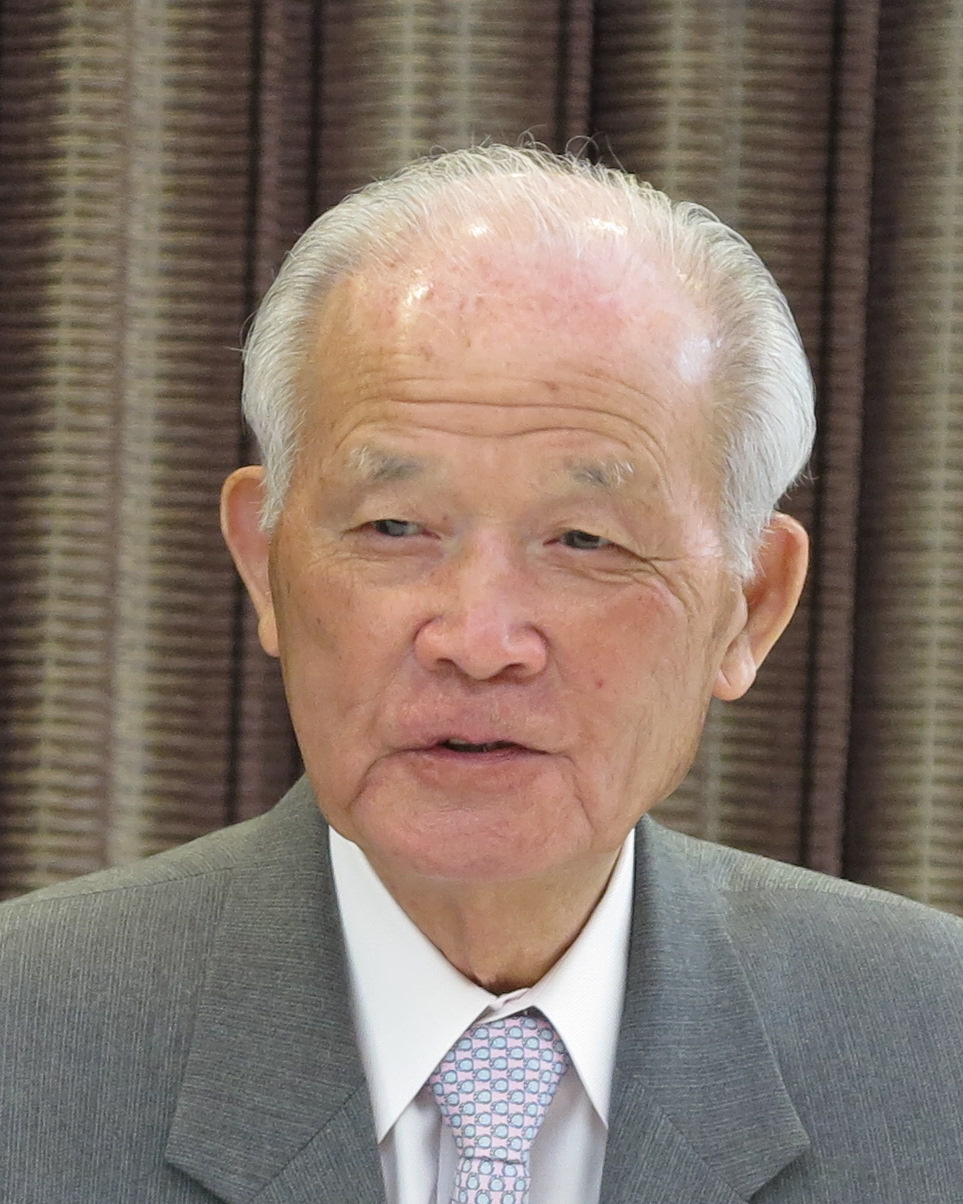 Saburo Tsukamoto
 Yasuo Naito
 Satoshi Sakakibara
 Yen-Hung Lin
 Sanae Takaichi
 Haruhisa Nakagawa
 Norihide Miyoshi
 Syunichi Akasofu
 Ryoichi Hamamoto
 Hong Hyung
 Andrii Gurenko
 Ronald Morse
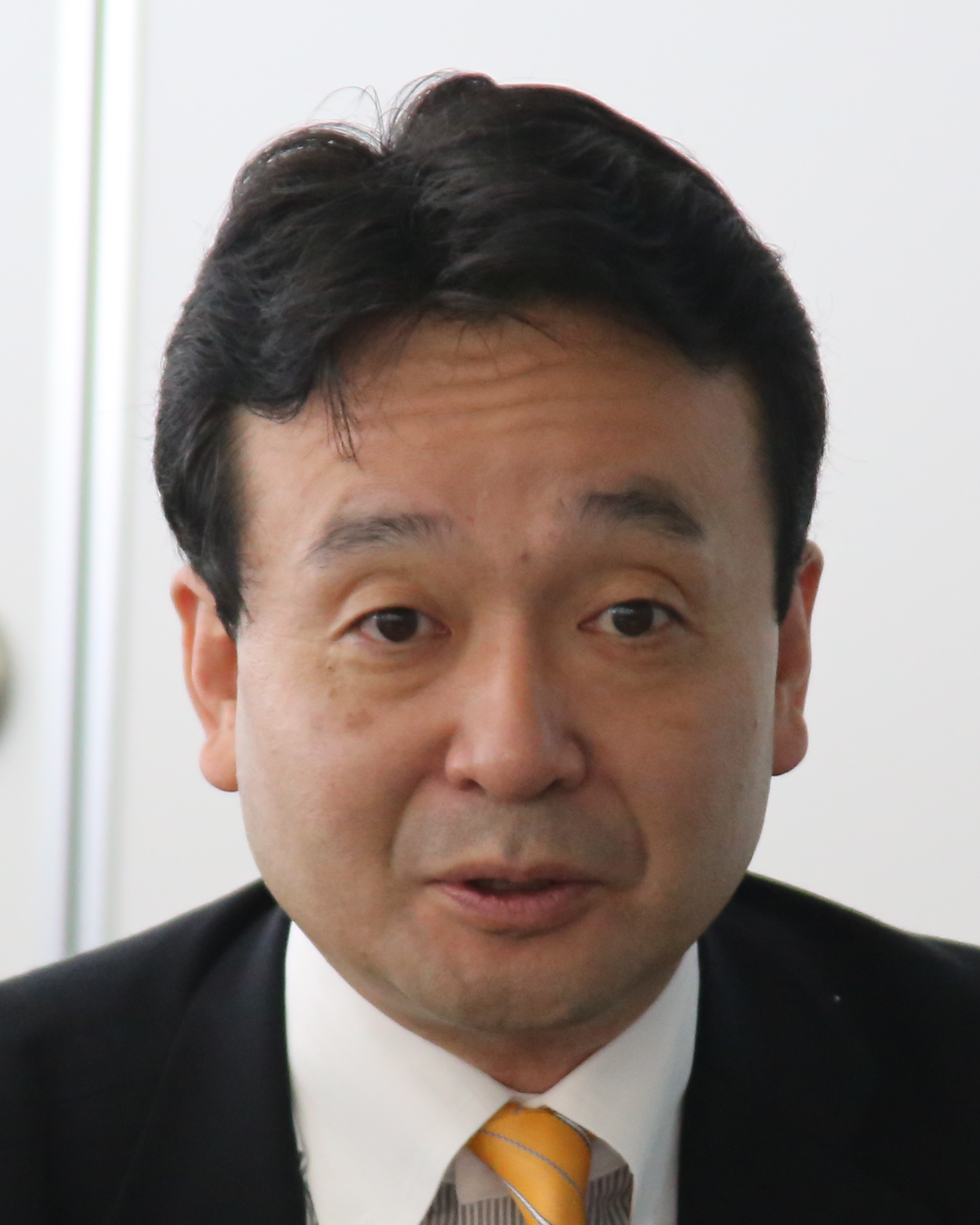 Kazuhiko Inoue
 Keiichi Nakagawa
 Masamori Sase
 Katsutoshi Kawano
 Tomohisa Takei