
The Japanese government has settled on a policy to toughen permanent residency requirements for foreign nationals. It will, in principle, require applicants to have an annual income above the average for Japanese households and to have a projected pension benefit that meets the standard level received after 30 years of participation in the Employees’ Pension Insurance system. Relevant guidelines will be revised on October 1 and applied, in principle, to applications filed from next April.
The new policy should be supported. Yet the fundamental reason for a rapid increase in the number of foreign permanent residents in Japan is the significant relaxation of the minimum residency requirement from 20 years to 10 years in 1998. The absence of any discussion on this point means that the essence of the problem is still not understood.
Addressing the rapid increase in foreign permanent residents
The Japan Institute for National Fundamentals has repeatedly made policy proposals to stop the rapid increase in the number of foreign permanent residents in Japan. In response, the House of Councillors Judicial Affairs Committee adopted a resolution in 2018 calling for “stricter screening” of permanent residency applications. Under the Sanae Takaichi Cabinet, which has been advocating a review of Japan’s policies on foreign nationals, measures have at last been taken to address the rapid increase in foreign permanent residents.
Some criticize the new policy as exclusionary toward foreign nationals, but such arguments are off the mark. Foreigners who legally reside in Japan with other residence statuses without obtaining permanent residency are not excluded. By renewing those statuses, they can continue living in Japan for extended periods.
Still, the lack of discussion on the significant relaxation of the requirements for permanent residency in 1998 is problematic. As has been repeatedly pointed out, the Ministry of Justice at the time halved the minimum residency requirement for permanent residency in Japan from 20 years to 10 years. As a result, the number of foreign permanent residents in Japan has surged. According to official statistics, the number of foreign permanent residents, which stood at 80,000 (6% of foreign residents) at the end of 1997, increased to 950,000 (23%) by the end of 2025. The number of Chinese permanent residents surged from 28,000 to 350,000 during the same period.
This means that the sharp increase in the number of foreign permanent residents was triggered by the requirement relaxation in 1998. What is particularly problematic is that the policy decision to rapidly increase foreign permanent residents—who can reside indefinitely and can engage in any type of activity in Japan—was made through an internal regulation revision by the Ministry of Justice rather than through any revision of law, with no discussion either in the Diet or within the ruling parties. There was no media coverage at the time, either. Even in today’s media reports and expert comments regarding the latest policy change, there is no mention at all of the relaxation of the requirements in 1998.
Fundamental institutional reform is needed
The new policy to toughen the requirements for permanent residency permits aims to ensure that foreign permanent residents will be able to reside in Japan without using welfare in old age. It does not seek to reform the permanent residency system itself. In 2024, JINF proposed to restore the 20-year minimum residency requirement and to consider the abolition of the permanent residency system by integrating it into a single long-term residency system with a fixed period of stay and national‑interest screening at each renewal. If the government's policy of not accepting immigrants remains unchanged, it should urgently undertake a fundamental review of the permanent residency system.
Tsutomu Nishioka is a senior fellow and a Planning Committee member at the Japan Institute for National Fundamentals and a specially-appointed professor at Reitaku University.
 Takashi Arimoto
 Tadae Takubo
 Fumio Ota
 Yoshiko Sakurai
 Yasushi Tomiyama
 Masahiko Hosokawa
 Yoichi Shimada
 Hiroshi Yuasa
 Tadashi Narabayashi
 Hideo Tamura
 Kiyofumi Iwata
 Kunio Orita
 Maki Nakagawa
 Etsuro Honda
 Yujiro Oiwa
 Hironobu Ishikawa
 Shiro Takahashi
 Katsuhiko Takaike
 Michio Ezaki
 Akira Momochi
 Akio Yaita
 Yoshihiko Yamada
 Seiji Kurosawa
 Koichi Endo
 Brahma Chellaney
 Nobuko Araki
 Yang Haiying
 James Auer
 Sumihiko Kawamura
 Hiroshi Kimura
 Osamu Nishi
 Koko Kato
 Tadashi Saito
 Shohei Umezawa
 Jason Morgan
 Arvind Gupta
 Kenro Nagoshi
 Takeshi Kudo
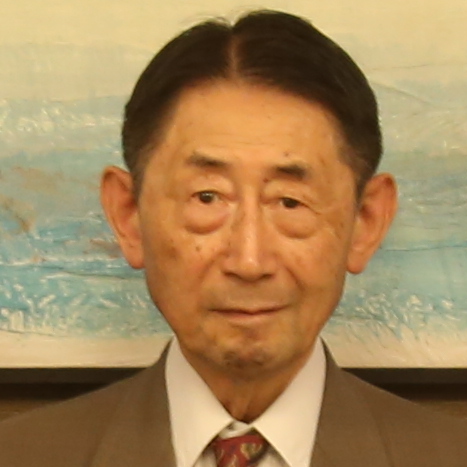 Sukehiro Hirakawa
 Yumiko Nishimoto
 Rikiwo Shikama
 Eriko Yamatani
 Koichi Furusho
 Tadashi Ito
 Satoshi Hirano
 Lee Woo Young
 Taro Yayama
 Koh Sekai
 Koji Okamoto
 Tsutomu Toichi
 Hideaki Karaki
 Toshu Noguchi
 Kichinosuke Ihara
 Hisashi Matsumoto
 Yasuyuki Takai
 Nobuyuki Sato
 Chung Dae Kyun
 Toshio Watanabe
 Katsuya Tsukamoto
 Kazuto Suzuki
 Koichi Mera
 Akihisa Nagashima
 Miki Kase
 Eitaro Ogawa
 Hirotaka Watanabe
 Akinaka Senzaki
 Kevin Maher
 Yang Yi
 Hidetake Sawa
 Satoshi Tomisaka
 Nobukatsu Fujioka
 Masanori Kondo
 Hiroshi Ito
 Mio Sugita
 Rupakjyoti Borah
 Seiichi Okutomi
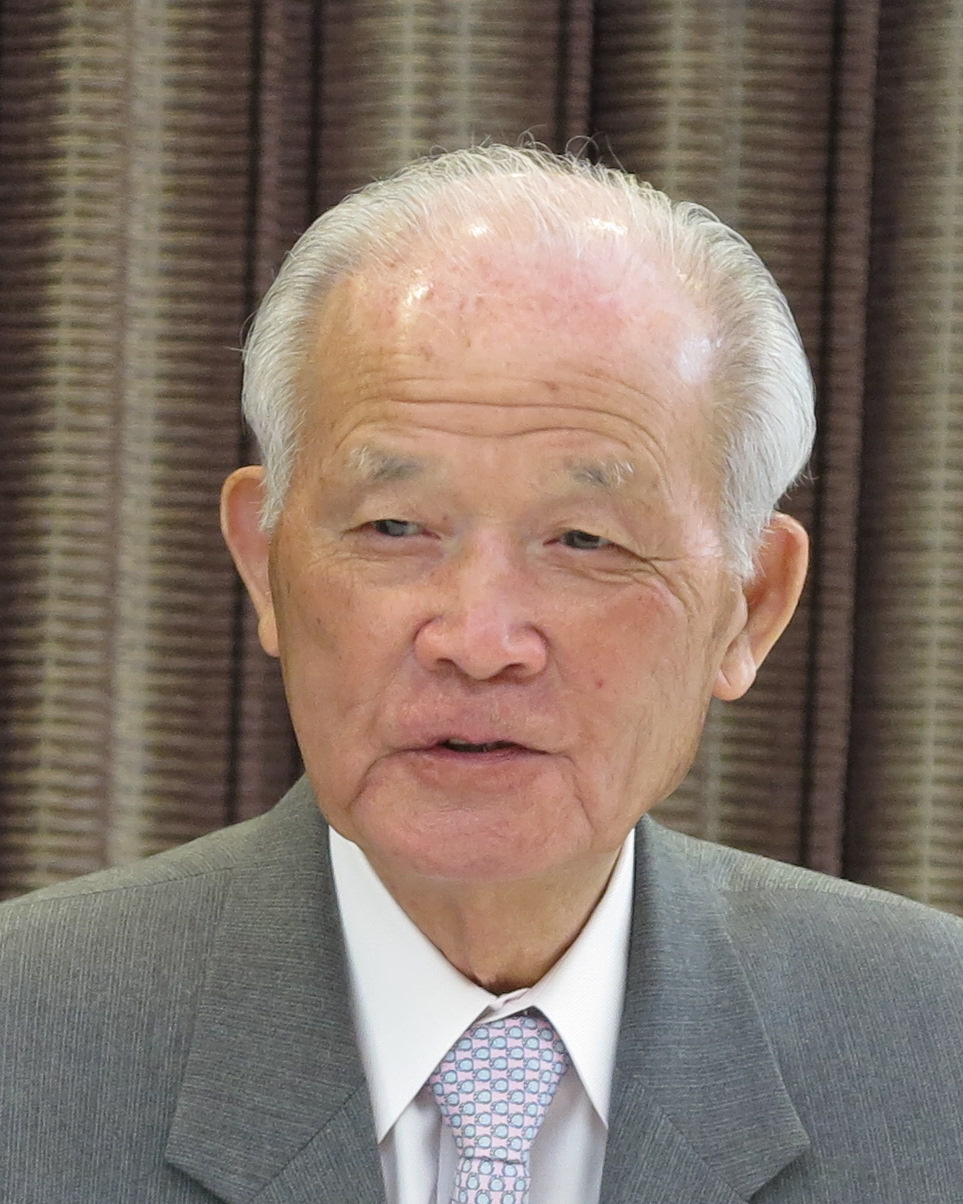 Saburo Tsukamoto
 Yasuo Naito
 Satoshi Sakakibara
 Yen-Hung Lin
 Sanae Takaichi
 Haruhisa Nakagawa
 Norihide Miyoshi
 Syunichi Akasofu
 Ryoichi Hamamoto
 Hong Hyung
 Andrii Gurenko
 Ronald Morse
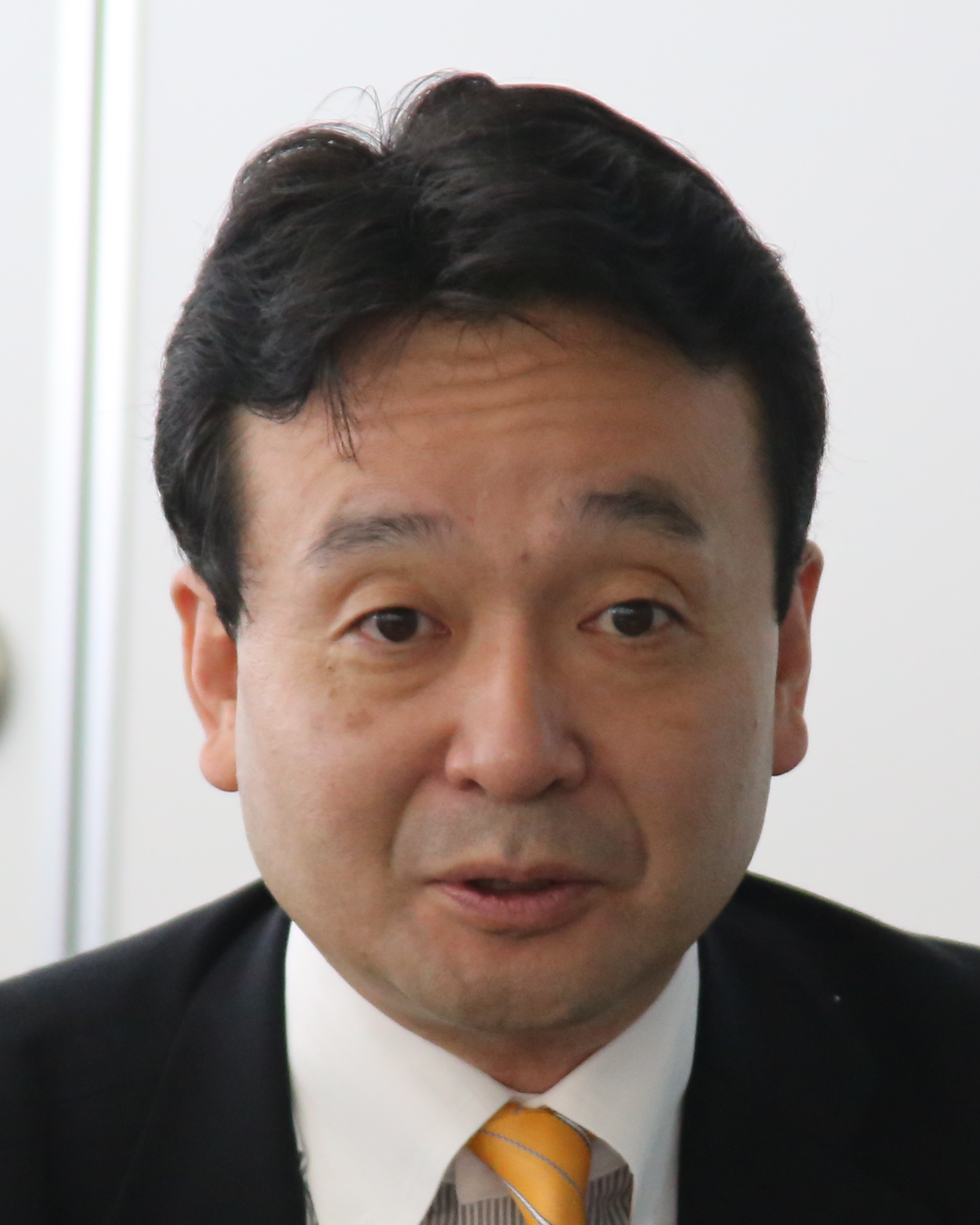 Kazuhiko Inoue
 Keiichi Nakagawa
 Masamori Sase
 Katsutoshi Kawano
 Tomohisa Takei