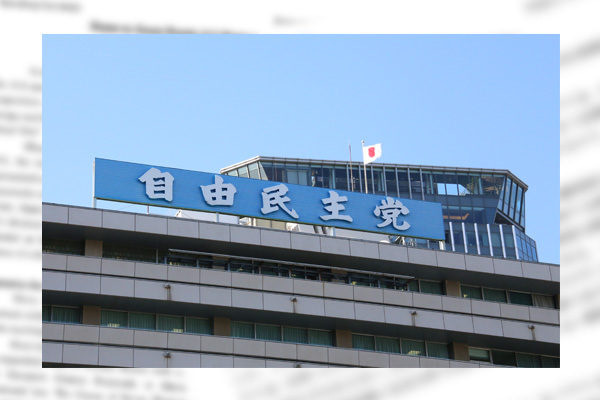
On May 25, the ruling Liberal Democratic Party’s Research Commission on Security approved a draft proposal for updating the Japanese government’s three security-related documents late this year. The proposal emphasizes responses to new ways of fighting using drones and artificial intelligence, and war-sustaining capabilities for prolonged wars. Both are important. Regarding the crucial issue of how to prevent nuclear attacks, however, the proposal goes no further than touching on the traditional framework of “further ensuring the reliability of extended deterrence based on nuclear deterrence provided by the United States.” It appears to have deliberately avoided essential discussions on how to confront nuclear threats.
Nuclear use in a Taiwan contingency growing realistic
In reality, however, Japan cannot be secure only by depending on the U.S. On May 28, the International Institute for Strategic Studies, a British think tank, released its Asia-Pacific Regional Security Assessment 2026 ahead of this year’s Shangri-La Dialogue, which brings together Asian and other defense ministers. In the report, the IISS warned that the Asia-Pacific region “can no longer be classified as fully at peace.” “Conflict with China would risk escalation, potentially to a nuclear level, given the strategic importance of Taiwan to Beijing,” it said.
It is entirely conceivable that if a Taiwan contingency occurs, Japan’s political, economic, social infrastructure and its military facilities could become subject to nuclear threats or attacks. It is overly optimistic to think that only Japan will be free from nuclear threats. The U.S. Congressional Research Service has noted that the primary stated purpose of U.S. regional nuclear deterrence capabilities has been to deter “the limited use of nuclear weapons” by Russia, China, and North Korea, and their “nuclear coercion.” What we must face now is not just a full-scale nuclear war. A more realistic scenario is that nuclear weapons could be used locally as an extension of a conventional war.
LDP should not run away from nuclear threats
Despite the looming crisis, the LDP proposal fails to address the nuclear issue in detail, suggesting that the ruling party does not fully grasp the gravity of the current situation. House of Representatives lawmaker Keitaro Ono, secretary-general of the LDP commission, reportedly explained that the proposal refrained from discussing the nuclear issue or calling for revising the three non-nuclear principles because higher-level discussions were required. Is there any organization that can have higher-level discussions than the ruling party that can steer the country? We can’t help but question whether the LDP feels responsible for protecting the people from nuclear threats.
Any strategy that turns a blind eye to nuclear weapons as the greatest threat cannot serve as a shield to protect the people in the worst-case scenario. What is now required of the ruling LDP is not to shelve the nuclear issue or fear public opinion being divided, but to directly ask the people what to do to prevent Japan from being attacked again with nuclear weapons.
Kiyofumi Iwata is a member of the Planning Committee at the Japan Institute for National Fundamentals. Formerly, he served as Chief of Staff of the Japan Ground Self-Defense Force.
 Tsutomu Nishioka
 Takashi Arimoto
 Tadae Takubo
 Fumio Ota
 Yoshiko Sakurai
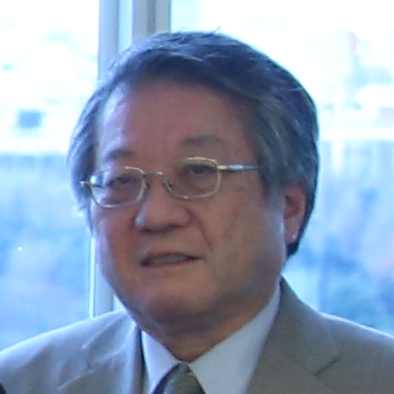 Yasushi Tomiyama
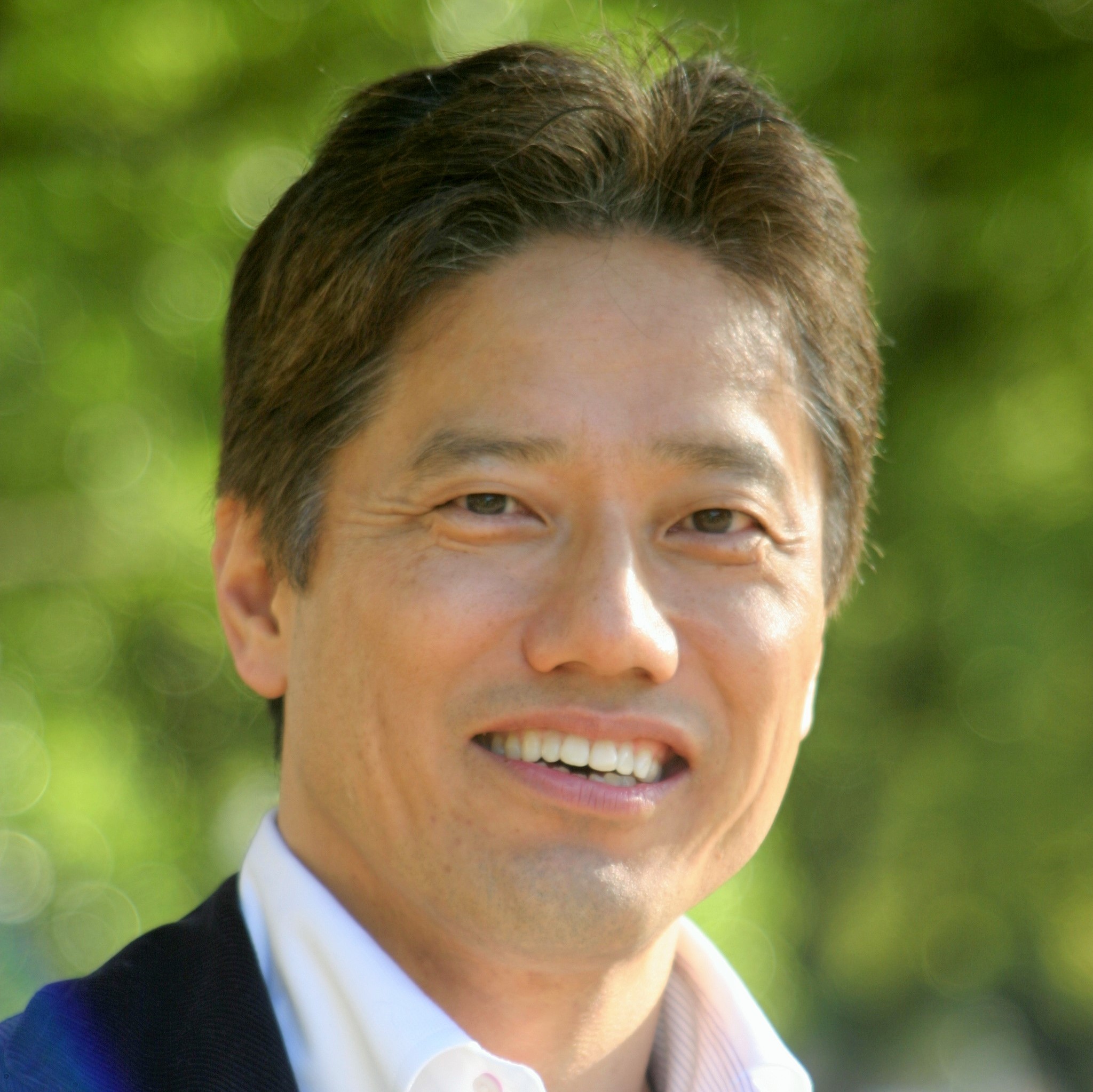 Masahiko Hosokawa
 Yoichi Shimada
 Hiroshi Yuasa
 Tadashi Narabayashi
 Hideo Tamura
 Kunio Orita
 Maki Nakagawa
 Etsuro Honda
 Yujiro Oiwa
 Hironobu Ishikawa
 Shiro Takahashi
 Katsuhiko Takaike
 Michio Ezaki
 Akira Momochi
 Akio Yaita
 Yoshihiko Yamada
 Seiji Kurosawa
 Koichi Endo
 Brahma Chellaney
 Nobuko Araki
 Yang Haiying
 James Auer
 Sumihiko Kawamura
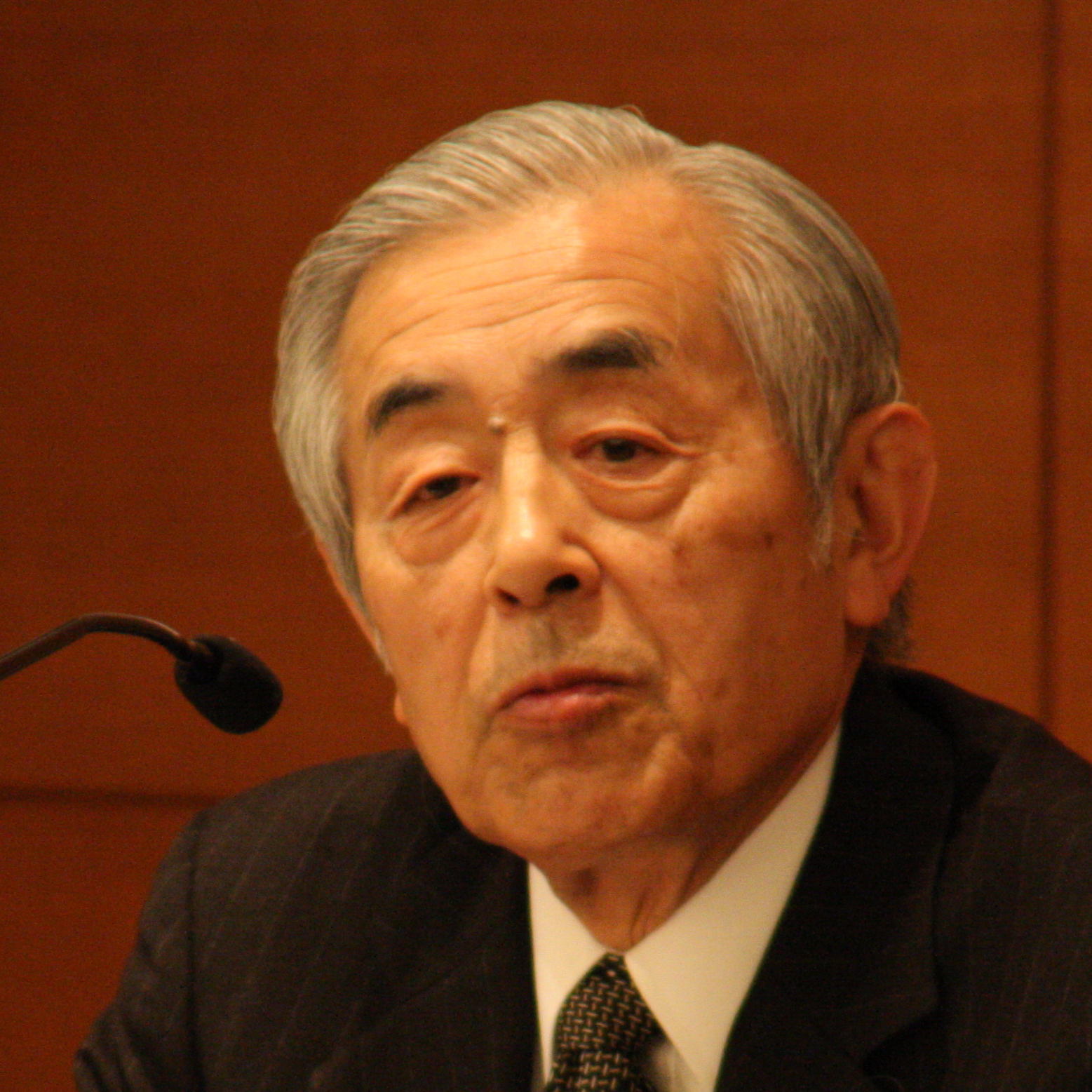 Hiroshi Kimura
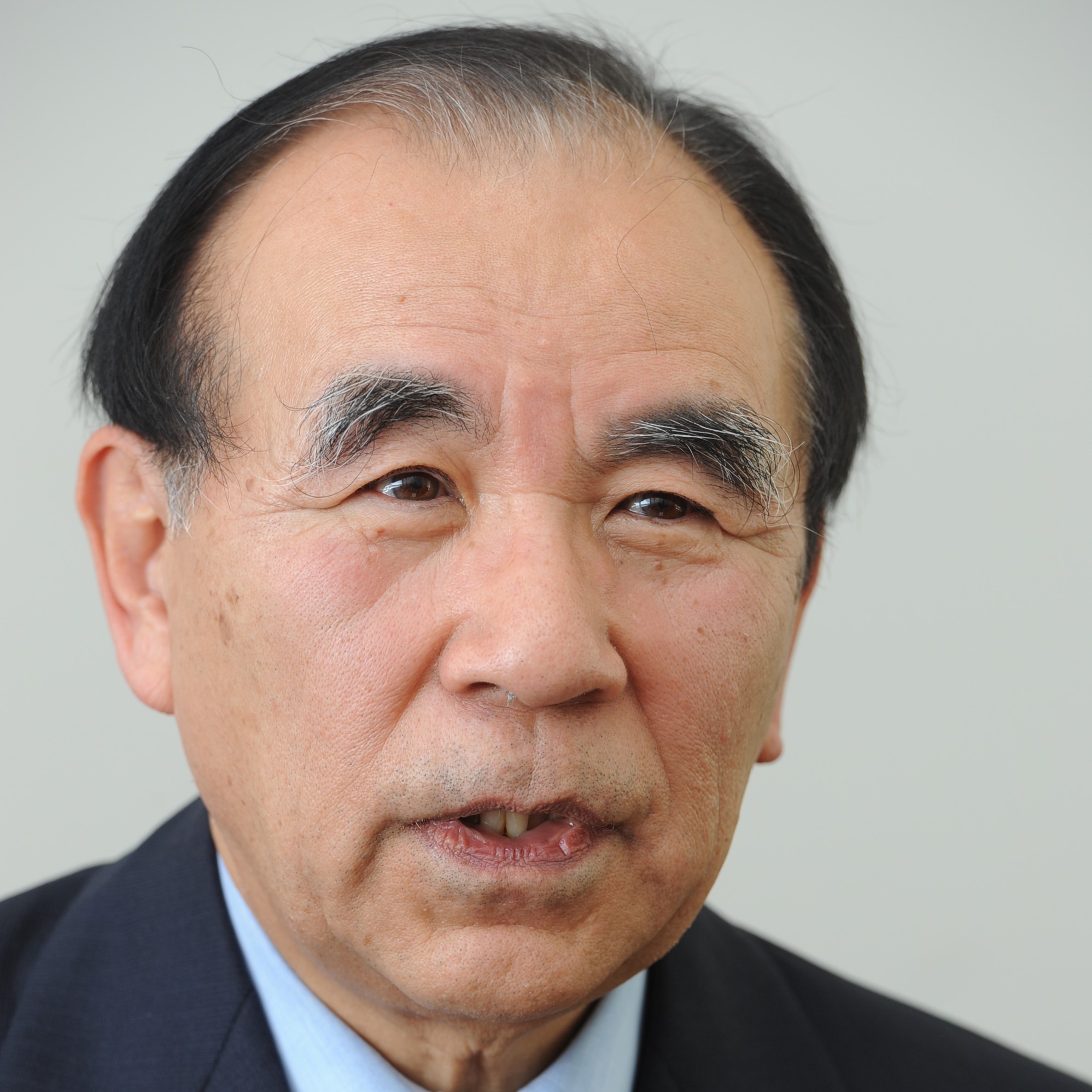 Osamu Nishi
 Koko Kato
 Tadashi Saito
 Shohei Umezawa
 Jason Morgan
 Arvind Gupta
 Kenro Nagoshi
 Takeshi Kudo
 Sukehiro Hirakawa
 Yumiko Nishimoto
 Rikiwo Shikama
 Eriko Yamatani
 Koichi Furusho
 Tadashi Ito
 Satoshi Hirano
 Lee Woo Young
 Taro Yayama
 Koh Sekai
 Koji Okamoto
 Tsutomu Toichi
 Hideaki Karaki
 Toshu Noguchi
 Kichinosuke Ihara
 Hisashi Matsumoto
 Yasuyuki Takai
 Nobuyuki Sato
 Chung Dae Kyun
 Toshio Watanabe
 Katsuya Tsukamoto
 Kazuto Suzuki
 Koichi Mera
 Akihisa Nagashima
 Miki Kase
 Eitaro Ogawa
 Hirotaka Watanabe
 Akinaka Senzaki
 Kevin Maher
 Yang Yi
 Hidetake Sawa
 Satoshi Tomisaka
 Nobukatsu Fujioka
 Masanori Kondo
 Hiroshi Ito
 Mio Sugita
 Rupakjyoti Borah
 Seiichi Okutomi
 Saburo Tsukamoto
 Yasuo Naito
 Satoshi Sakakibara
 Yen-Hung Lin
 Sanae Takaichi
 Haruhisa Nakagawa
 Norihide Miyoshi
 Syunichi Akasofu
 Ryoichi Hamamoto
 Hong Hyung
 Andrii Gurenko
 Ronald Morse
 Kazuhiko Inoue
 Keiichi Nakagawa
 Masamori Sase
 Katsutoshi Kawano
 Tomohisa Takei