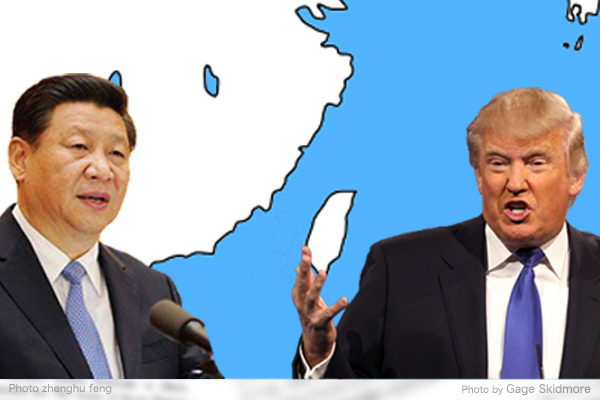
The recent U.S.–China summit in Beijing was a tug‑of‑war between competing timelines: Washington’s short‑term economic interests in China and Beijing’s long‑term pursuit of superiority over the United States. U.S. President Donald Trump had a clear intention to secure economic gains ahead of November’s midterm elections. Chinese President Xi Jinping for his part sought to achieve strategic stability so that China’s geopolitical rise would not be obstructed. At the summit, Xi’s threatening warning about Taiwan came out from the outset, creating a stark contrast with the grandiose welcome ceremony.
Xi exploited Trump’s weakness
Xi’s message to Trump was clear. The Chinese leader told Trump that the Taiwan question is the most important issue in China‑U.S. relations and if it is handled improperly, the entire relationship will be put in great jeopardy. Xi’s reference to the “Thucydides Trap” to urge the U.S. not to interfere with China’s ambitions was particularly decisive in determining the direction of the summit. The alarm bell from ancient Greek history, which warns of an inevitable war between a rising power and an existing hegemon, served as Xi’s way of cautioning the U.S. against risking a war.
This shattered Trump’s wish for the “greatest summit in history” focusing on economic deals. The U.S. readout after the meeting dared not touch on Taiwan, placing economic topics such as access to the Chinese market and China’s investment in the U.S. at the top, and limiting itself to matters like the opening of the Hormuz Strait and Iran nuclear issue. Was this an attempt to postpone making decisions on Taiwan?
However, the Chinese side did not miss the strategic opportunity when Trump entered Beijing while being plagued with many weaknesses. The Iran war has led the U.S. to become short of munitions and see soaring domestic fuel prices and rapidly falling approval rantings for Trump. Furthermore, Trump’s high tariffs on China have been repelled by China’s restrictions on rare earth exports to the U.S. Even his authority to impose these tariffs has been denied by multiple U.S. court rulings. And the rift within the U.S.–Europe alliance, which is the greatest strength for the U.S., continues to widen. The current situation in which the U.S. has abandoned its leadership in the free world should be seen by Xi as an opportunity to push for geopolitical change.
Wait‑and‑see posture until September
It was a relief that, as far as we can tell, Trump did not make the various Taiwan‑related issues part of his bargaining. If he had done so, he would have lost the trust of U.S. allies such as Japan and faced a backlash from the U.S. Congress dominated by China hawks. This is probably why Trump gave only ambiguous answers when Xi asked whether the U.S. would defend Taiwan.
Accordingly, Xi offered Trump only limited economic concessions, such as reducing the planned purchase of Boeing aircraft from the initial 500 to just 200, playing his economic cards sparingly. Until Xi’s next visit to the U.S. set for September, Xi is expected to watch whether the U.S. side will shelve approval of U.S. arms sales to Taiwan and whether it will lift sanctions on Chinese companies that buy Iranian crude oil.
The fact that Japanese Prime Minister Sanae Takaichi was briefed by Trump on the details of the U.S.-China summit in telephone talks on his way back home from China is significant. This is because a world in which the Trump administration elevates China to a “G2” partner, sidelines U.S. allies, and seeks to manage the international order jointly with Beijing is inherently dangerous at a time when Japan faces military threats in the East China Sea, the Taiwan Strait, and the Korean Peninsula.
Hiroshi Yuasa is a Planning Committee member and a senior fellow at the Japan Institute for National Fundamentals. He is also a columnist for the Sankei Shimbun newspaper.
 Tsutomu Nishioka
 Takashi Arimoto
 Tadae Takubo
 Fumio Ota
 Yoshiko Sakurai
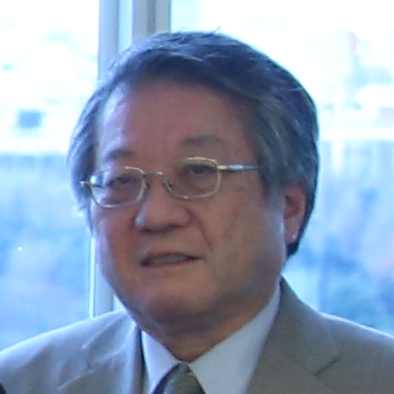 Yasushi Tomiyama
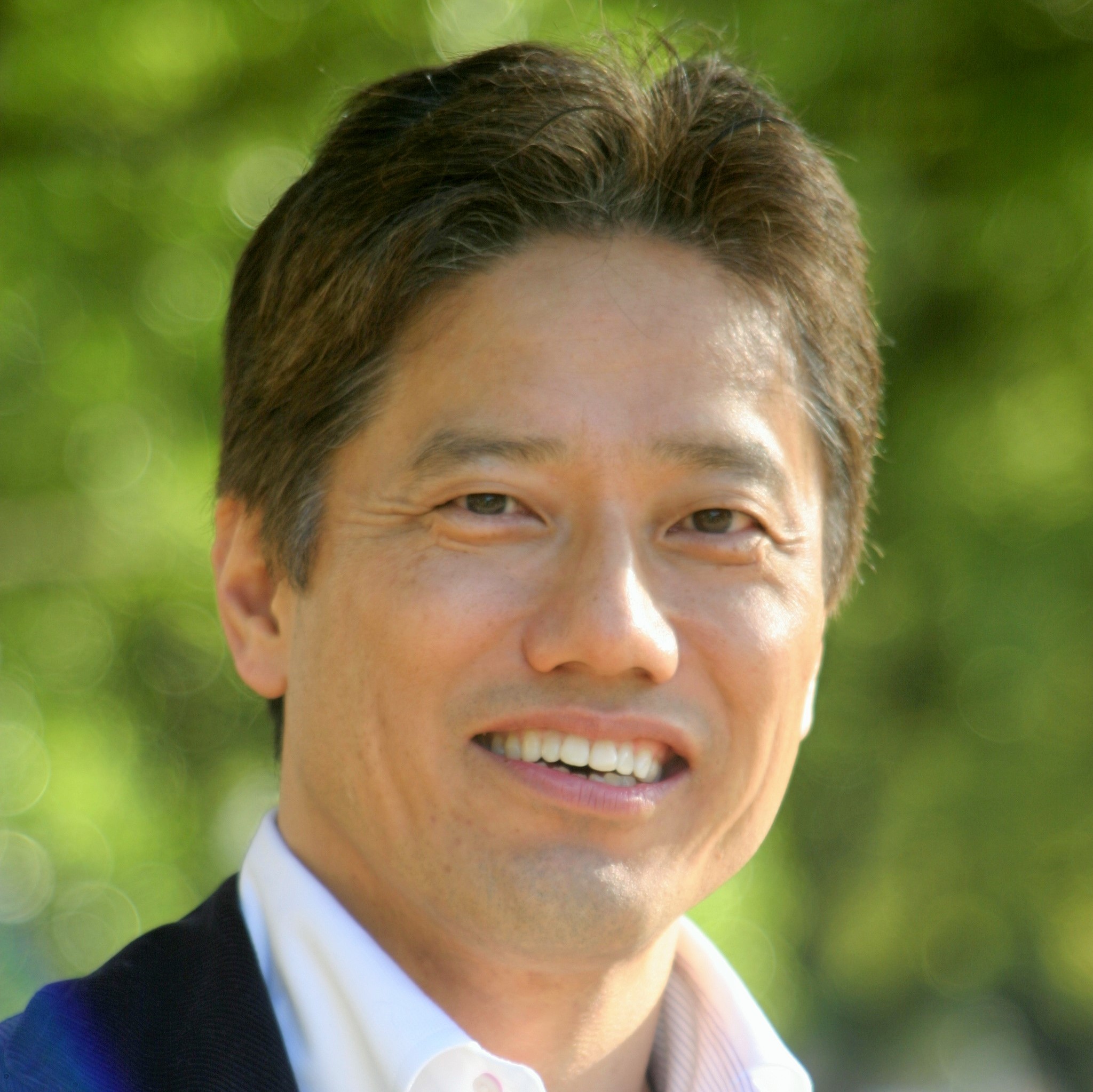 Masahiko Hosokawa
 Yoichi Shimada
 Tadashi Narabayashi
 Hideo Tamura
 Kiyofumi Iwata
 Kunio Orita
 Maki Nakagawa
 Etsuro Honda
 Yujiro Oiwa
 Hironobu Ishikawa
 Shiro Takahashi
 Katsuhiko Takaike
 Michio Ezaki
 Akira Momochi
 Akio Yaita
 Yoshihiko Yamada
 Seiji Kurosawa
 Koichi Endo
 Brahma Chellaney
 Nobuko Araki
 Yang Haiying
 James Auer
 Sumihiko Kawamura
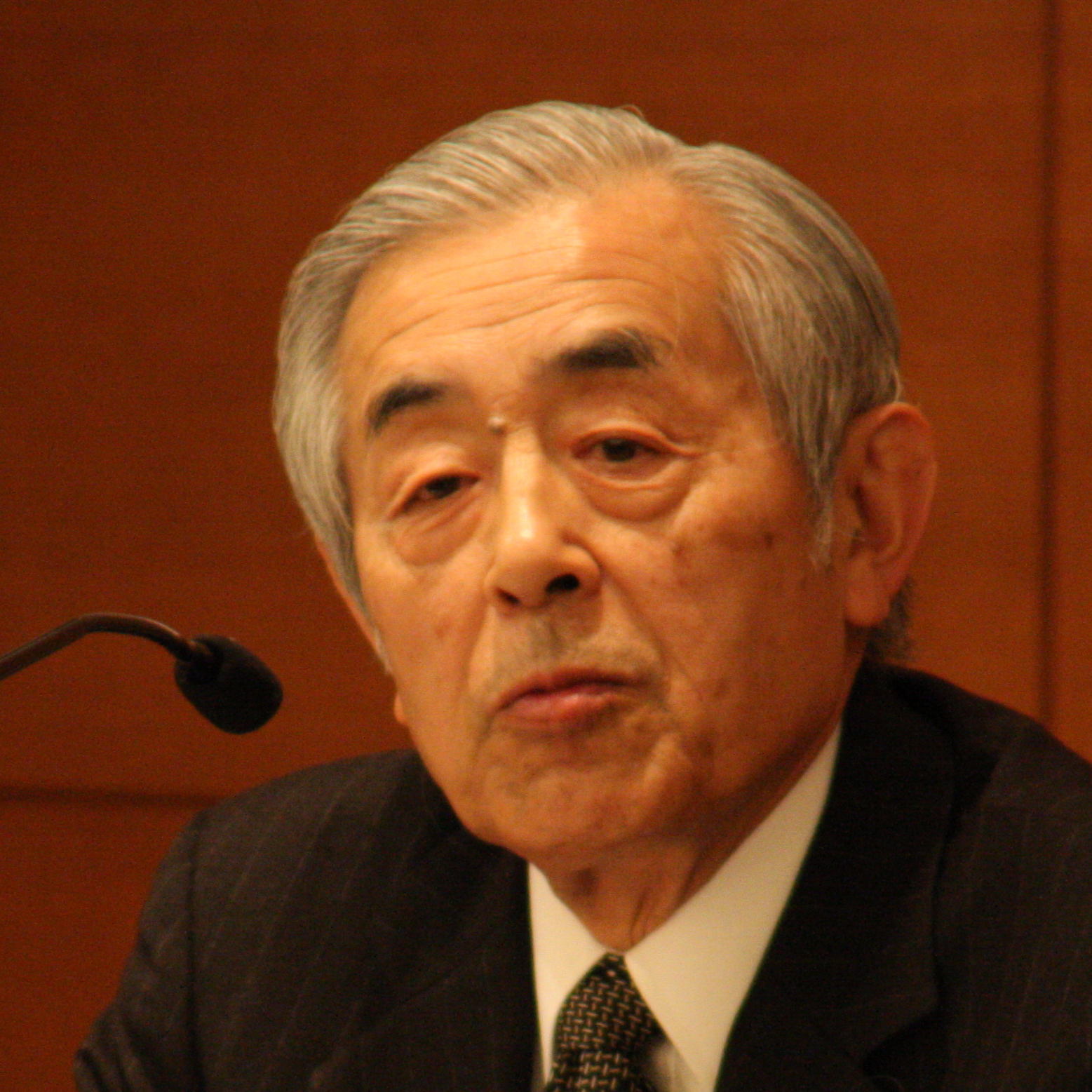 Hiroshi Kimura
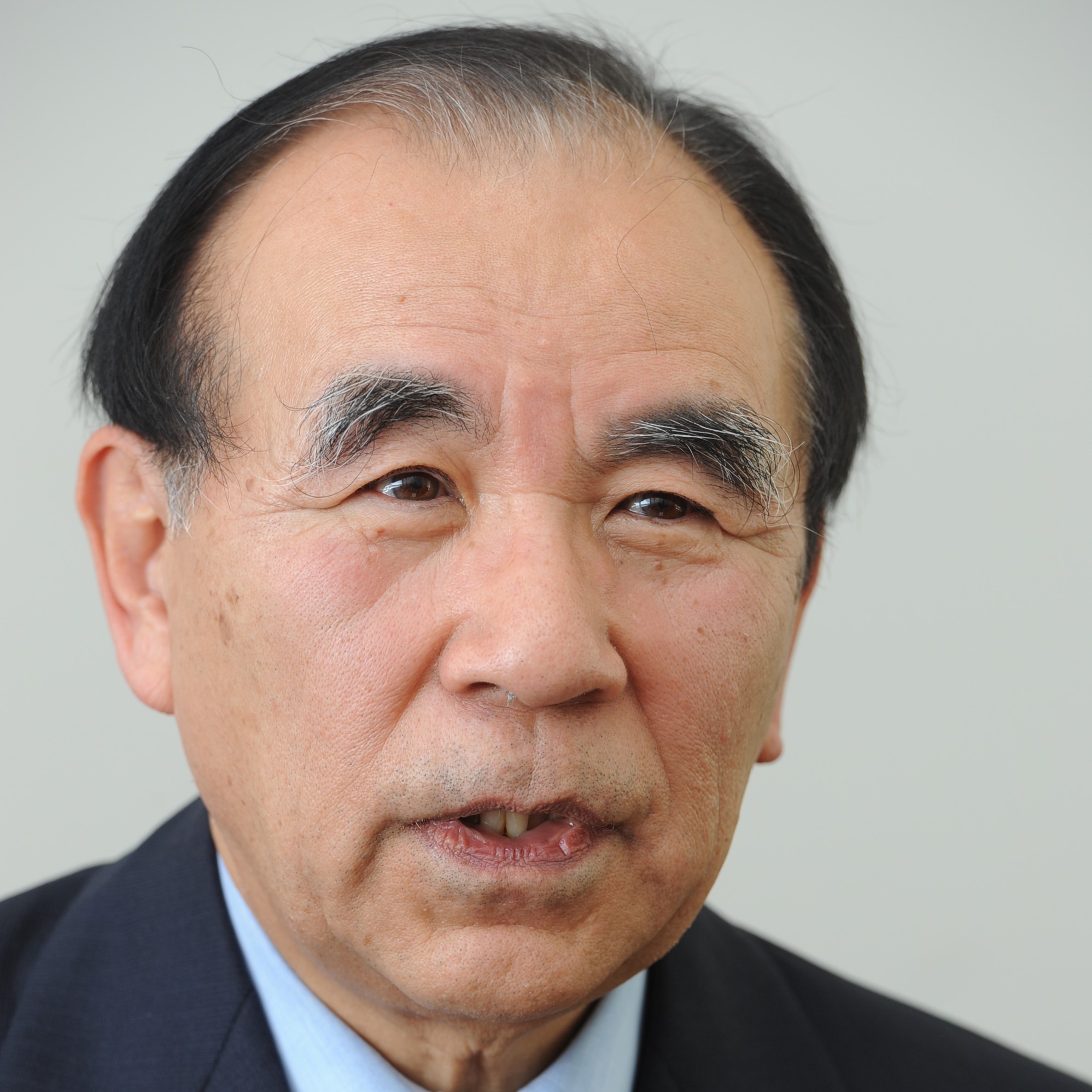 Osamu Nishi
 Koko Kato
 Tadashi Saito
 Shohei Umezawa
 Jason Morgan
 Arvind Gupta
 Kenro Nagoshi
 Takeshi Kudo
 Sukehiro Hirakawa
 Yumiko Nishimoto
 Rikiwo Shikama
 Eriko Yamatani
 Koichi Furusho
 Tadashi Ito
 Satoshi Hirano
 Lee Woo Young
 Taro Yayama
 Koh Sekai
 Koji Okamoto
 Tsutomu Toichi
 Hideaki Karaki
 Toshu Noguchi
 Kichinosuke Ihara
 Hisashi Matsumoto
 Yasuyuki Takai
 Nobuyuki Sato
 Chung Dae Kyun
 Toshio Watanabe
 Katsuya Tsukamoto
 Kazuto Suzuki
 Koichi Mera
 Akihisa Nagashima
 Miki Kase
 Eitaro Ogawa
 Hirotaka Watanabe
 Akinaka Senzaki
 Kevin Maher
 Yang Yi
 Hidetake Sawa
 Satoshi Tomisaka
 Nobukatsu Fujioka
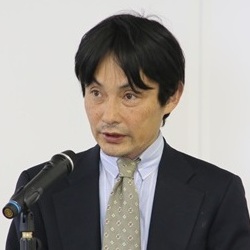 Masanori Kondo
 Hiroshi Ito
 Mio Sugita
 Rupakjyoti Borah
 Seiichi Okutomi
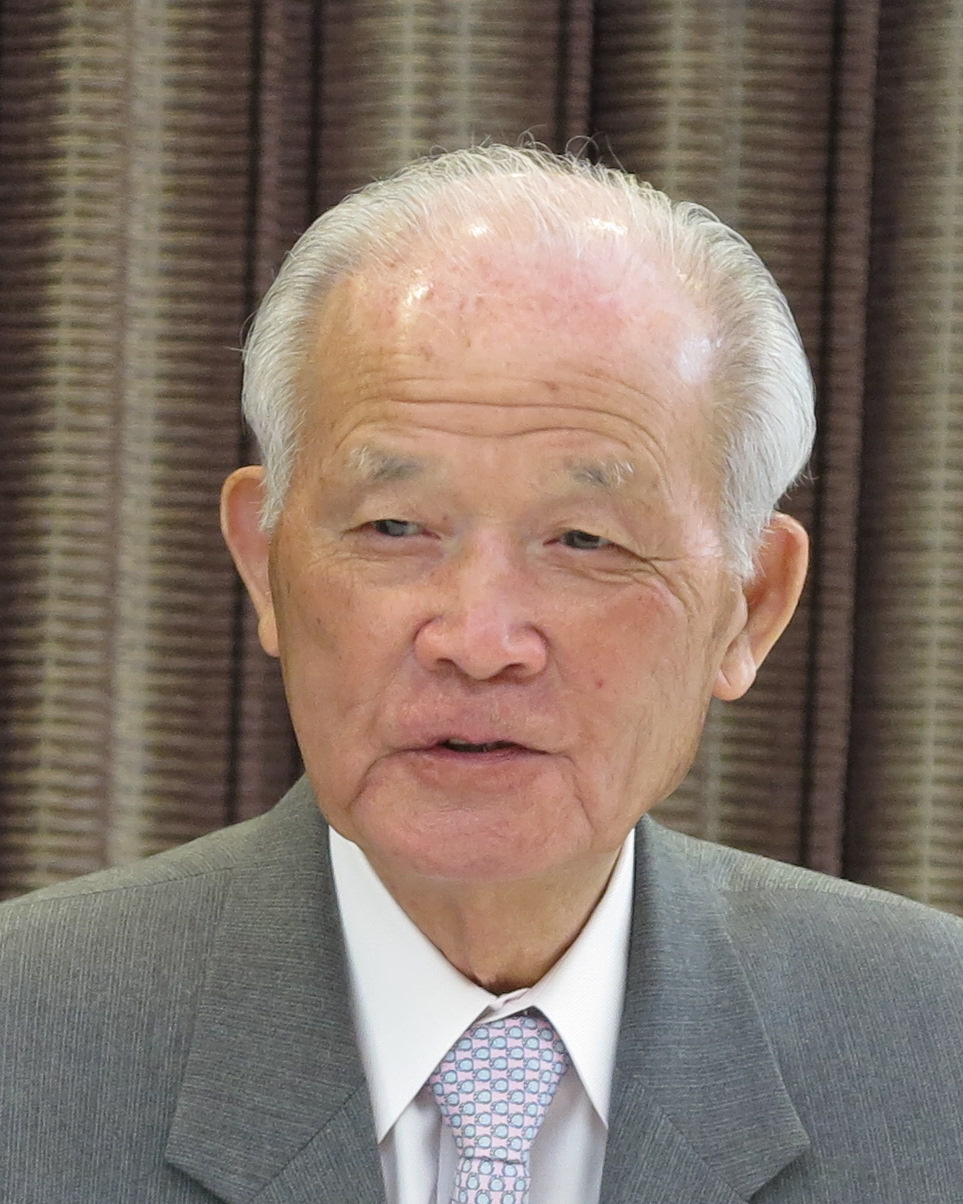 Saburo Tsukamoto
 Yasuo Naito
 Satoshi Sakakibara
 Yen-Hung Lin
 Sanae Takaichi
 Haruhisa Nakagawa
 Norihide Miyoshi
 Syunichi Akasofu
 Ryoichi Hamamoto
 Hong Hyung
 Andrii Gurenko
 Ronald Morse
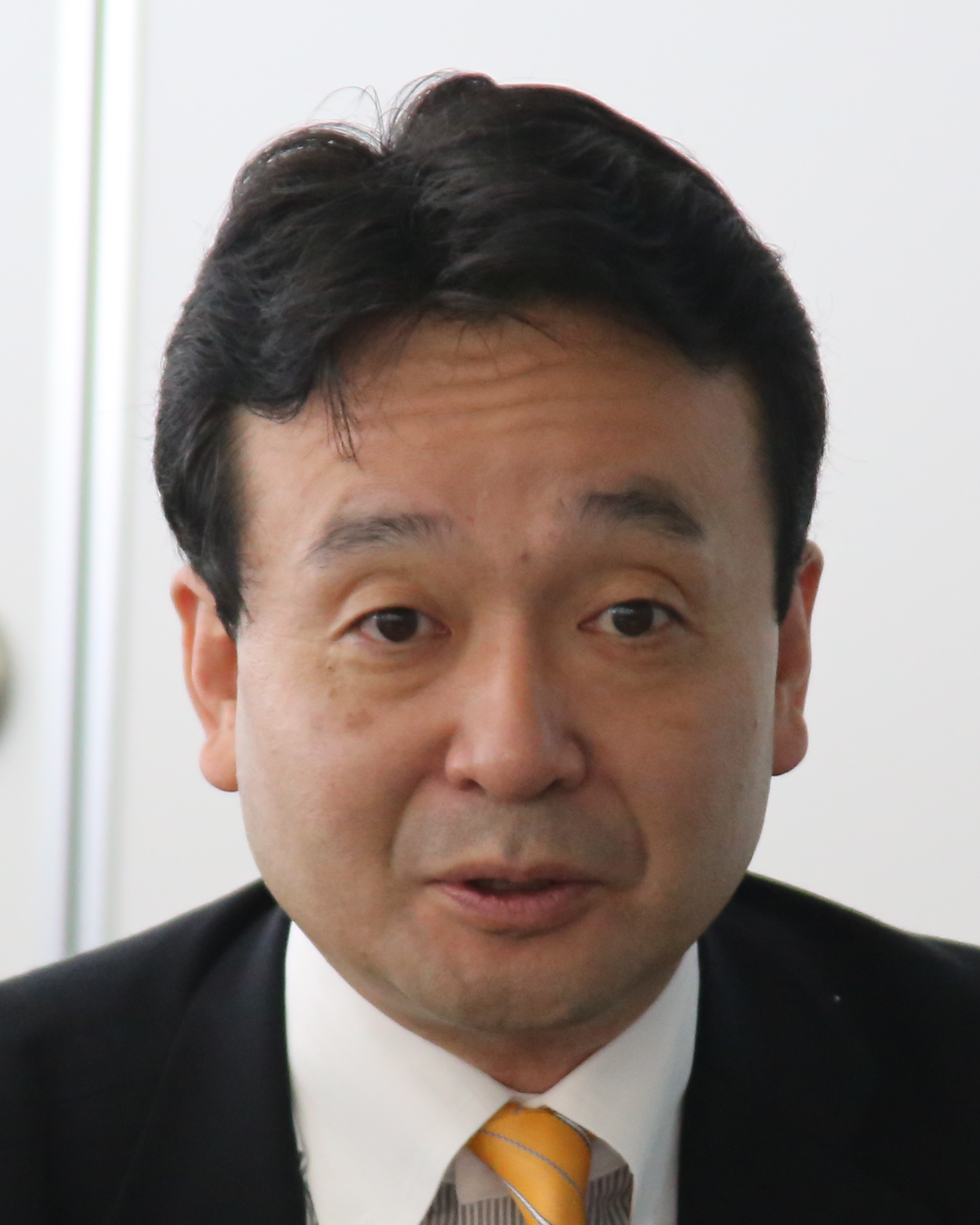 Kazuhiko Inoue
 Keiichi Nakagawa
 Masamori Sase
 Katsutoshi Kawano
 Tomohisa Takei