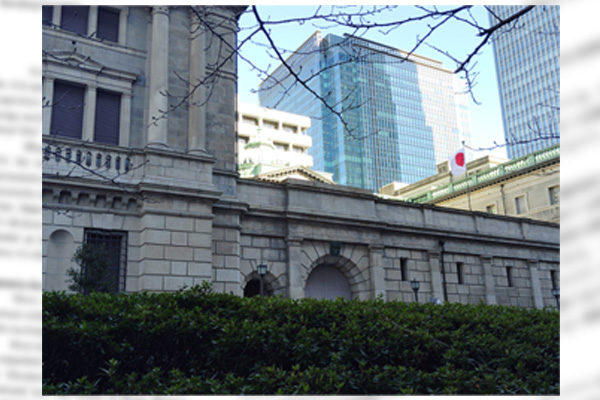
The Bank of Japan is expected to raise its policy interest rate at its monetary policy meeting scheduled for June 15-16. Although the rate hike is reportedly designed to respond to rising prices and the weak yen, the advisability of the hike is seriously questionable. Interest rate hikes are not only powerless against inflation caused by soaring energy prices but they also carry a significant risk of shrinking demand and putting deflationary pressure on the national economy. Furthermore, the past BOJ rate hikes have failed to reverse the weakness of the yen.
Powerless against cost-push inflation
The BOJ’s traditional way of thinking is to “withdraw lavish main dishes before the party gets lively,” meaning that monetary policy should be tightened early, before demand overheats with inflation prevailing. However, it is questionable to apply this idea to the current phase of price increases caused by high costs.
The price increases from mid-2020 tended to lag crude oil price surges by 10 months to nearly a year. Companies that had responded to chronic deflation cut labor and other costs while refusing to pass increases in raw material prices on to selling prices. Nevertheless, a sharp rise in crude oil prices after Russia’s invasion of Ukraine hit them directly, making their cost-cutting efforts insufficient.
Although crude oil prices began to decline in the latter half of 2022, the upward trend in consumer prices continued. As purchase prices kept rising endlessly and gradually seeping in, companies raised their product prices incrementally while monitoring the situation.
Just as the pace of price increases had finally begun to slow, the United States and Israel launched attacks on Iran in late February this year. The Strait of Hormuz was closed, causing crude oil prices to surge again. Even if a peace deal is reached between the U.S. and Iran, it will take time to restore the damaged oil facilities of the Persian Gulf oil-producing countries. Energy prices are likely to remain high, leading Japan’s price increases to persist for a long time.
However, real wages have remained below year-before levels since 2022. Fragile household consumption could be crushed by continued price increases.
Yen-weakening prevention effect also in doubt
Nevertheless, the BOJ under Governor Kazuo Ueda may be rushing to raise interest rates in an apparent bid to prevent the yen from depreciating. At a time when purchases of dollar assets in the U.S. are gaining momentum amid the current artificial intelligence investment boom, however, it may be impossible for Japan’s rate hike to stop yen selling. To reverse the yen’s weakness, Japan needs a repatriation of funds: Japanese companies have to redirect huge profits earned through their overseas investment, including in the U.S., to domestic investment.
The key lies in growth‑oriented, fiscally driven investment under the Sanae Takaichi government, but with domestic demand so fragile, the outlook remains uncertain. Article 4 of the BOJ Act requires monetary policy to be consistent with the government’s basic economic policy. Shouldn’t the BOJ take this seriously into account?
Hideo Tamura is a Planning Committee member at the Japan Institute for National Fundamentals and a columnist for the Sankei Shimbun newspaper.
 Tsutomu Nishioka
 Takashi Arimoto
 Tadae Takubo
 Fumio Ota
 Yoshiko Sakurai
 Yasushi Tomiyama
 Masahiko Hosokawa
 Yoichi Shimada
 Hiroshi Yuasa
 Tadashi Narabayashi
 Kiyofumi Iwata
 Kunio Orita
 Maki Nakagawa
 Etsuro Honda
 Yujiro Oiwa
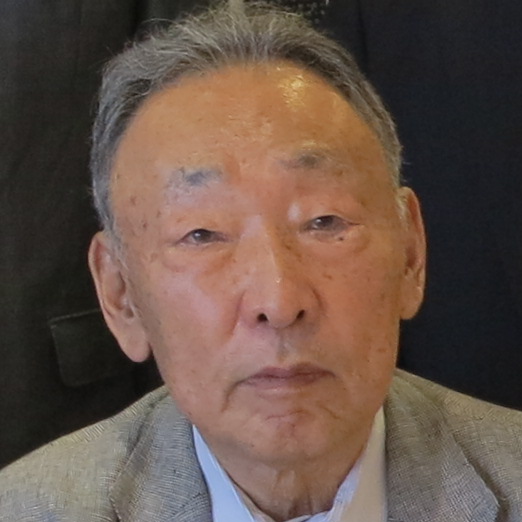 Hironobu Ishikawa
 Shiro Takahashi
 Katsuhiko Takaike
 Michio Ezaki
 Akira Momochi
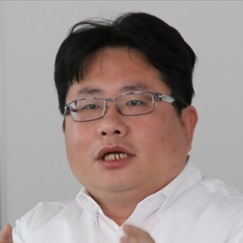 Akio Yaita
 Yoshihiko Yamada
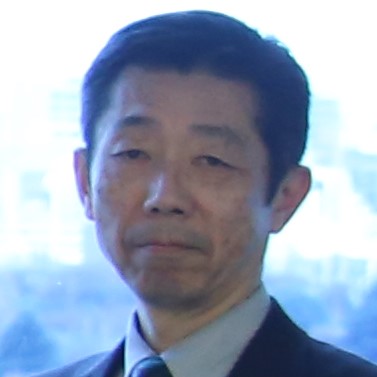 Seiji Kurosawa
 Koichi Endo
 Brahma Chellaney
 Nobuko Araki
 Yang Haiying
 James Auer
 Sumihiko Kawamura
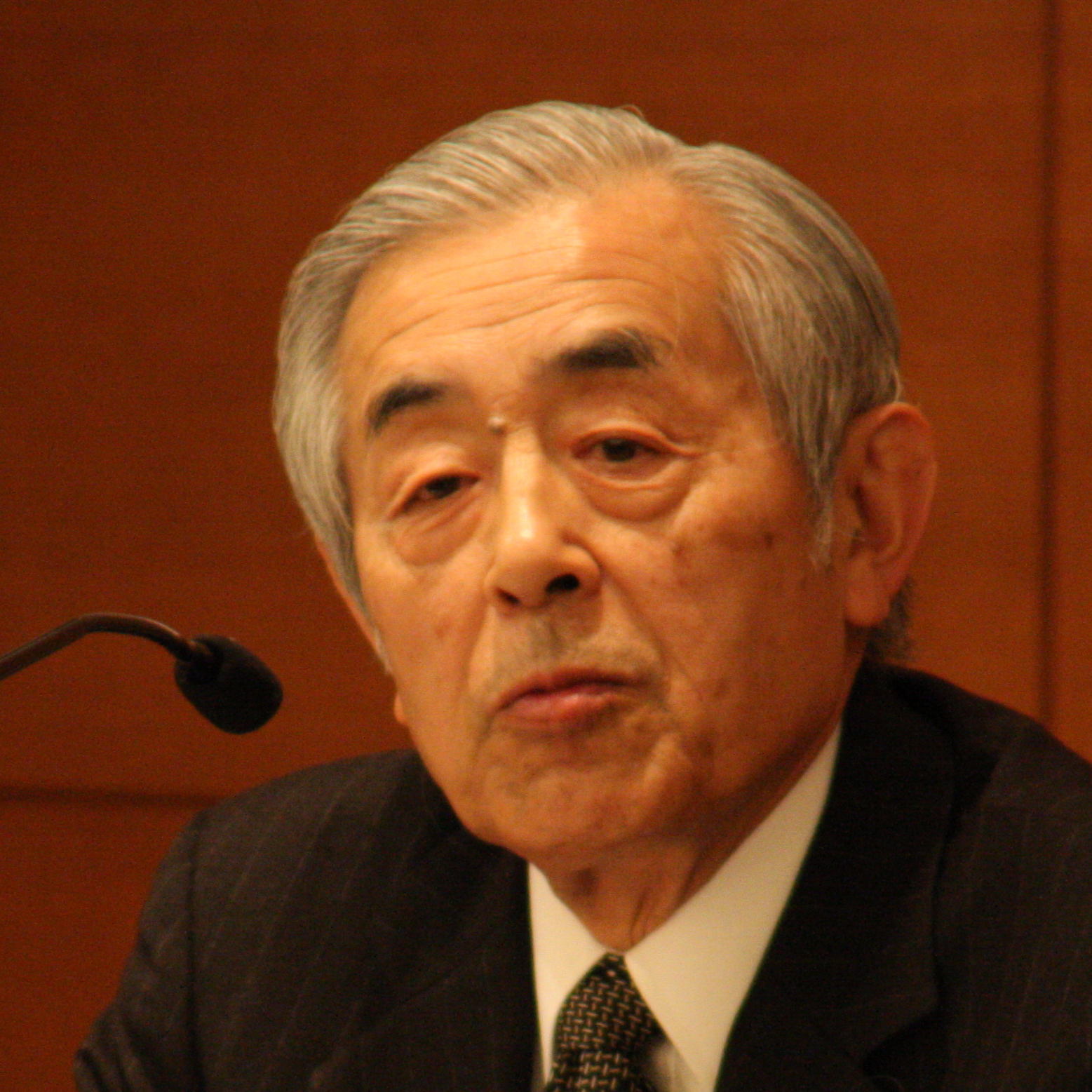 Hiroshi Kimura
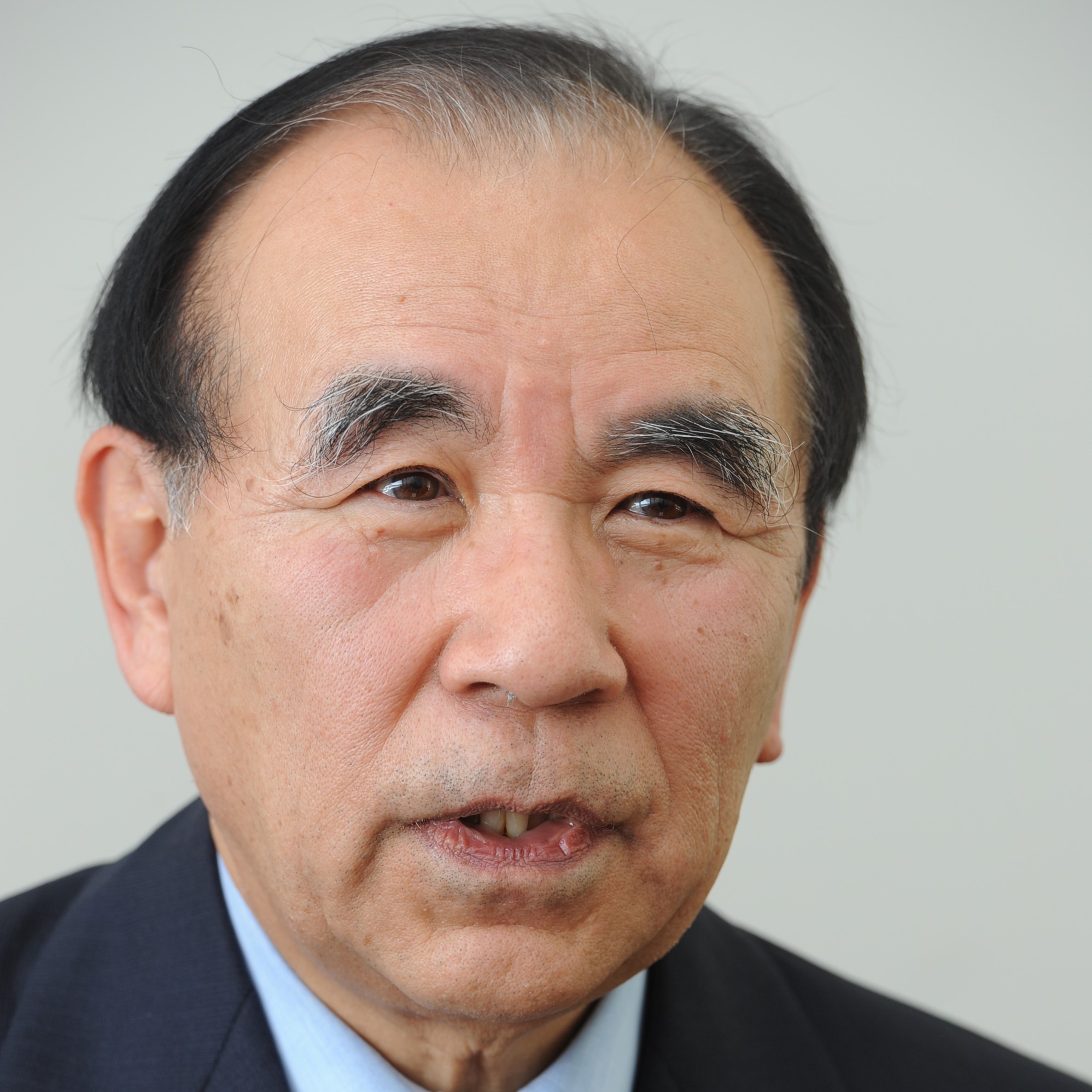 Osamu Nishi
 Koko Kato
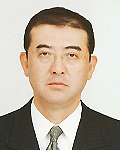 Tadashi Saito
 Shohei Umezawa
 Jason Morgan
 Arvind Gupta
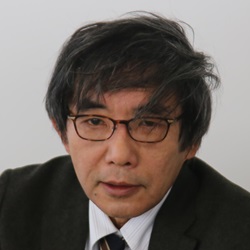 Kenro Nagoshi
 Takeshi Kudo
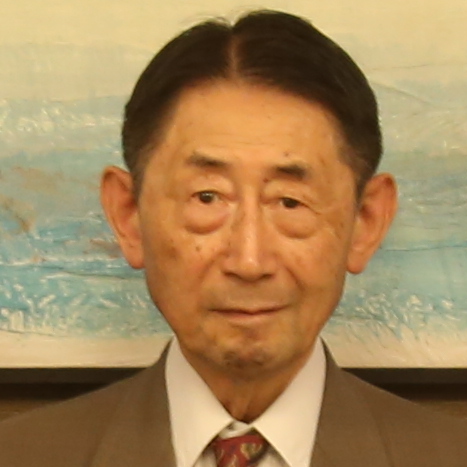 Sukehiro Hirakawa
 Yumiko Nishimoto
 Rikiwo Shikama
 Eriko Yamatani
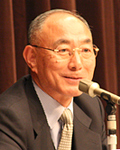 Koichi Furusho
 Tadashi Ito
 Satoshi Hirano
 Lee Woo Young
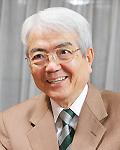 Taro Yayama
 Koh Sekai
 Koji Okamoto
 Tsutomu Toichi
 Hideaki Karaki
 Toshu Noguchi
 Kichinosuke Ihara
 Hisashi Matsumoto
 Yasuyuki Takai
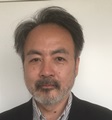 Nobuyuki Sato
 Chung Dae Kyun
 Toshio Watanabe
 Katsuya Tsukamoto
 Kazuto Suzuki
 Koichi Mera
 Akihisa Nagashima
 Miki Kase
 Eitaro Ogawa
 Hirotaka Watanabe
 Akinaka Senzaki
 Kevin Maher
 Yang Yi
 Hidetake Sawa
 Satoshi Tomisaka
 Nobukatsu Fujioka
 Masanori Kondo
 Hiroshi Ito
 Mio Sugita
 Rupakjyoti Borah
 Seiichi Okutomi
 Saburo Tsukamoto
 Yasuo Naito
 Satoshi Sakakibara
 Yen-Hung Lin
 Sanae Takaichi
 Haruhisa Nakagawa
 Norihide Miyoshi
 Syunichi Akasofu
 Ryoichi Hamamoto
 Hong Hyung
 Andrii Gurenko
 Ronald Morse
 Kazuhiko Inoue
 Keiichi Nakagawa
 Masamori Sase
 Katsutoshi Kawano
 Tomohisa Takei