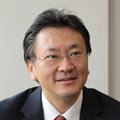
Genta Koja, 42, a former deputy Naha mayor backed by the ruling Liberal Democratic Party and others, won in Okinawa Prefecture’s gubernatorial election on September 14, putting an end to the left-leaning “All Okinawa” group’s prefectural government that has confronted Japan’s central government for many years. It is very significant that the election result will pave the way for balancing realistic security policy with economic development in the southernmost Japanese prefecture.
The biggest effects of Koja's victory will be the enhancement of Okinawa's defense infrastructure and progress in resolving its U.S. base issue. There is great hope that the Okinawa government under new Governor Koja will break the deadlock over the removal of the dangers posed by the U.S. Marine Futenma air station and the planned relocation of the air station to Henoko in the same prefecture, and resume practical dialogue with the central government based on mutual trust. In the prolonged deadlock, the Okinawa government has repeated court battles and emotional disputes with the central government.
Expected smooth coordination with SDF
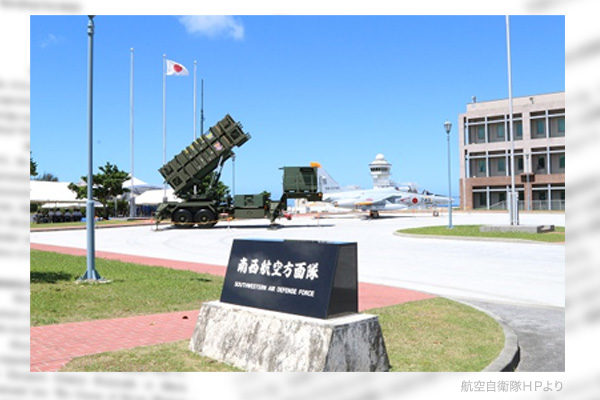
What is most important for the new Okinawa government is to fundamentally improve the operational environment of the Self-Defense Forces. Under incumbent Okinawa Governor Denny Tamaki, 66, effective restrictions have been imposed on the defense preparations such as the SDF’s use of sea and air ports, its contingency training, and shelter development.
As tensions in the Taiwan Strait increase due to Chinese military intimidation activities, Okinawa Prefecture's smooth coordination with the SDF to promptly establish preparations for protecting Okinawan residents and a rapid contingency response posture will directly contribute to enhancing Japan's deterrence.
Furthermore, the new Okinawa government will also contribute to curbing the prefecture’s increased tilt toward China under Governor Tamaki. The excessive rapprochement with China under the name of independent regional diplomacy has carried a risk of creating opportunities for China’s influence operations. The Koja prefectural government is expected to work as a bulwark to firmly block Chinese infiltration operations into Japan’s border islands.
Learn lessons from a former conservative Okinawa government
However, we must not indulge in unconditional optimism about the birth of the conservative Okinawa government. What must be remembered is bitter lessons from the conservative prefectural government of Keiichi Inamine who took power from the progressives in November 1998. The Inamine government clung to linking Okinawa’s acceptance of U.S. military bases to local economic promotion and fell into a serious dilemma between local public opinion against U.S. bases and the central government that rejected his proposal for a 15-year limit on the U.S. use of the Futenma replacement facility, thereby ultimately leading Okinawan people to be widely divided and frustrated. Such a mistake should not be repeated.
What is required of the Koja Okinawa government is not merely endorsing central government policies or reverting to dependence on national subsidies. It is to position the return of U.S. bases and the use of their former sites as a catalyst for autonomous economic growth and to establish a “self-sustaining economic structure” that does not rely on subsidies. It is expected that the Koja prefectural government will build an equal partnership with the central government and, through dialogue that protects the dignity of Okinawan residents, solidify Okinawa’s defense posture.
The real challenge for new Governor Koja is to look squarely at the setback of the Inamine government and govern Okinawa without excessively depending on the central government.
Takashi Arimoto is a Planning Committee member at the Japan Institute for National Fundamentals and a columnist at the Sankei Shimbun newspaper.
 Tsutomu Nishioka
 Tadae Takubo
 Fumio Ota
 Yoshiko Sakurai
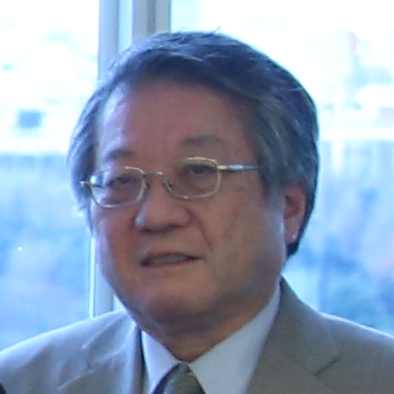 Yasushi Tomiyama
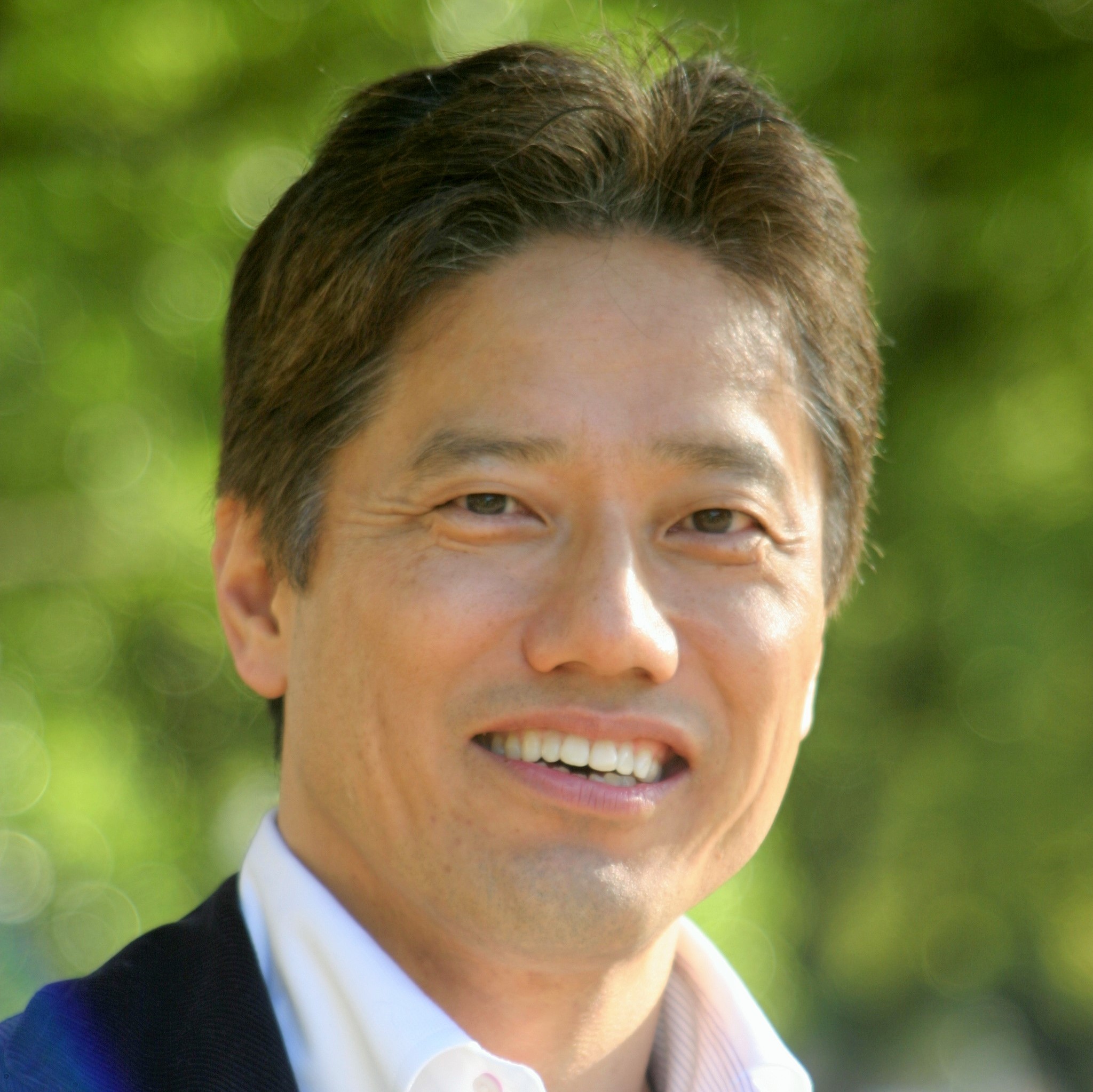 Masahiko Hosokawa
 Yoichi Shimada
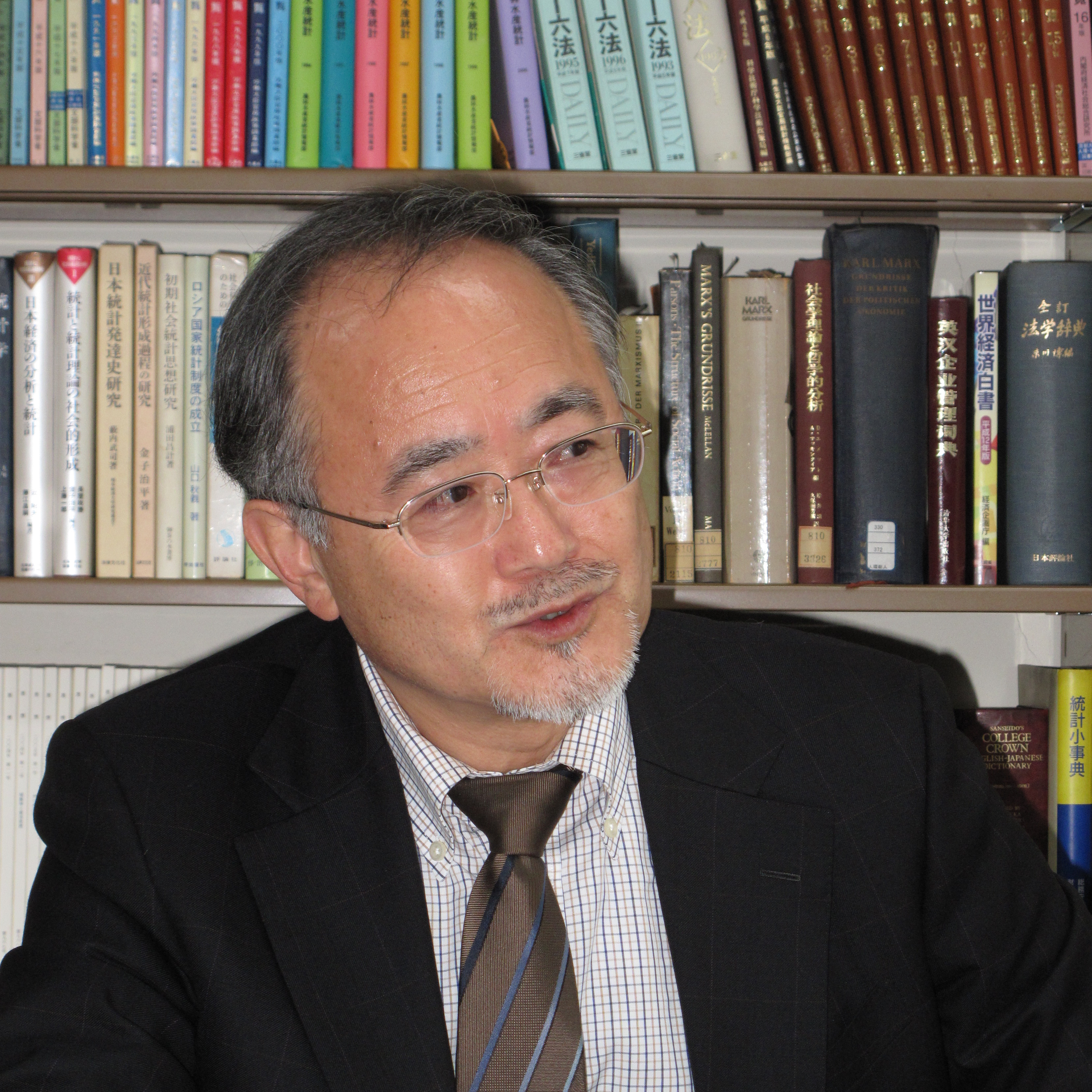 Hiroshi Yuasa
 Tadashi Narabayashi
 Hideo Tamura
 Kiyofumi Iwata
 Kunio Orita
 Maki Nakagawa
 Etsuro Honda
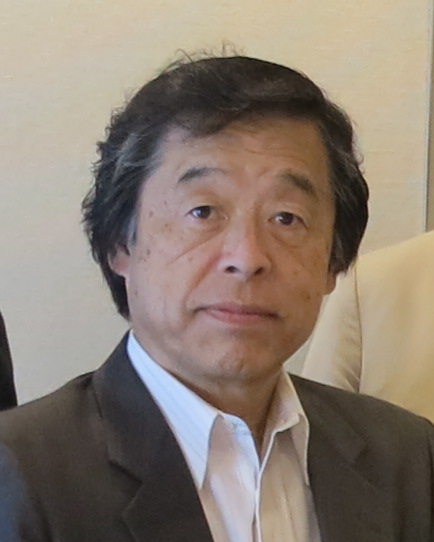 Yujiro Oiwa
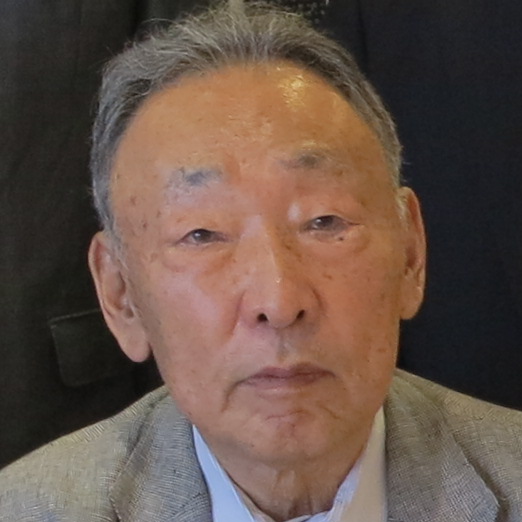 Hironobu Ishikawa
 Shiro Takahashi
 Katsuhiko Takaike
 Michio Ezaki
 Akira Momochi
 Akio Yaita
 Yoshihiko Yamada
 Seiji Kurosawa
 Koichi Endo
 Brahma Chellaney
 Nobuko Araki
 Yang Haiying
 James Auer
 Sumihiko Kawamura
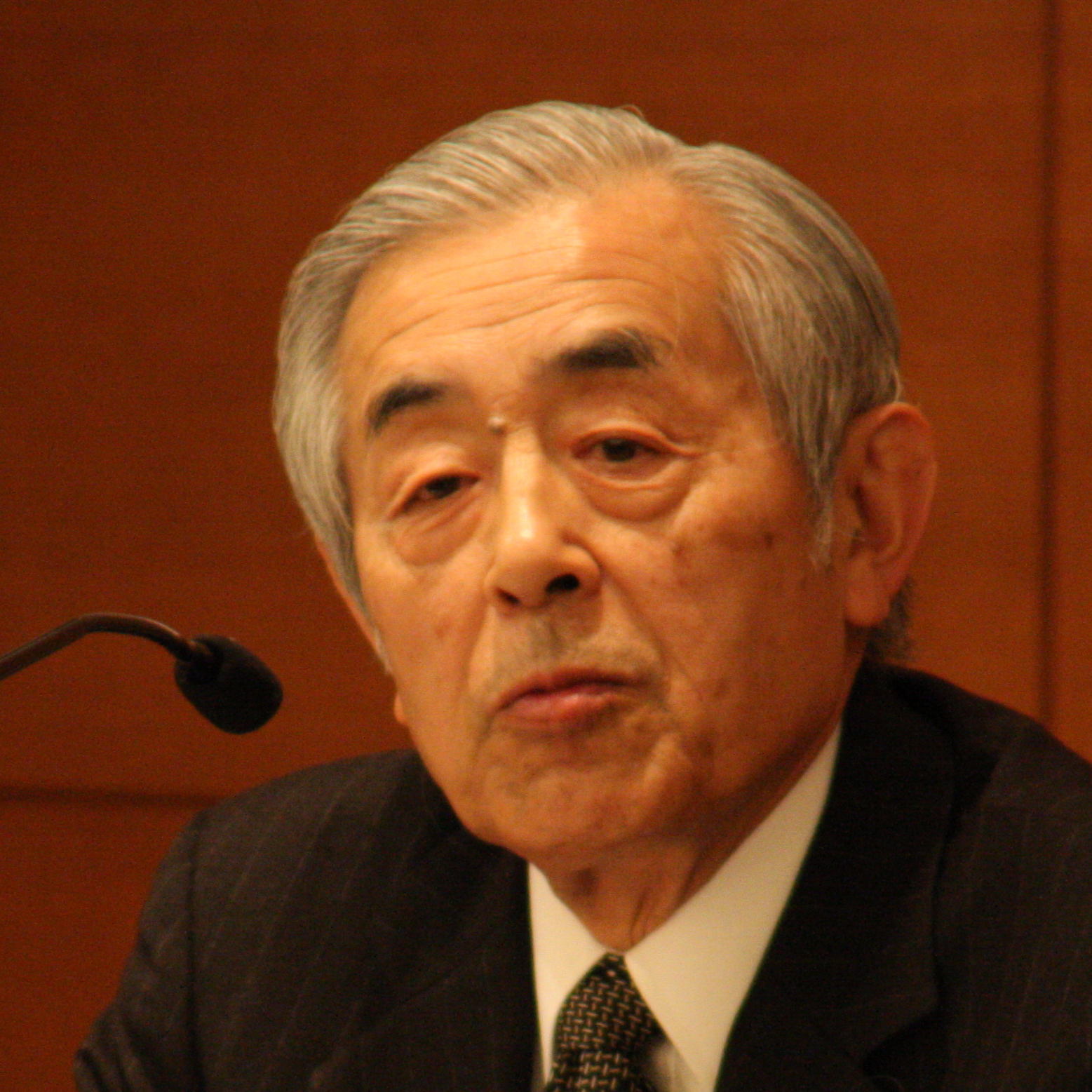 Hiroshi Kimura
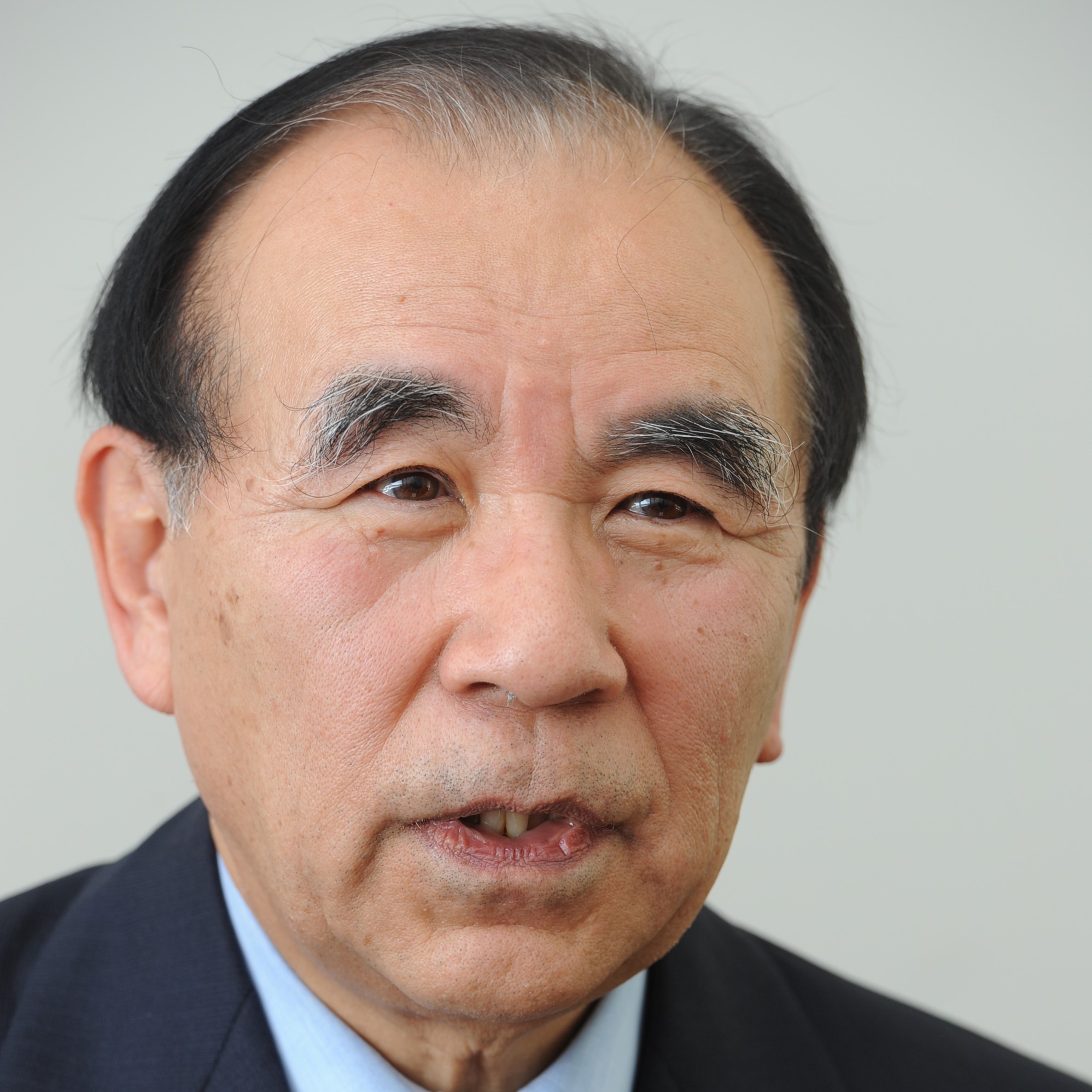 Osamu Nishi
 Koko Kato
 Tadashi Saito
 Shohei Umezawa
 Jason Morgan
 Arvind Gupta
 Kenro Nagoshi
 Takeshi Kudo
 Sukehiro Hirakawa
 Yumiko Nishimoto
 Rikiwo Shikama
 Eriko Yamatani
 Koichi Furusho
 Tadashi Ito
 Satoshi Hirano
 Lee Woo Young
 Taro Yayama
 Koh Sekai
 Koji Okamoto
 Tsutomu Toichi
 Hideaki Karaki
 Toshu Noguchi
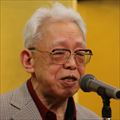 Kichinosuke Ihara
 Hisashi Matsumoto
 Yasuyuki Takai
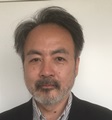 Nobuyuki Sato
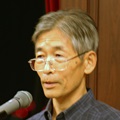 Chung Dae Kyun
 Toshio Watanabe
 Katsuya Tsukamoto
 Kazuto Suzuki
 Koichi Mera
 Akihisa Nagashima
 Miki Kase
 Eitaro Ogawa
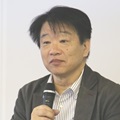 Hirotaka Watanabe
 Akinaka Senzaki
 Kevin Maher
 Yang Yi
 Hidetake Sawa
 Satoshi Tomisaka
 Nobukatsu Fujioka
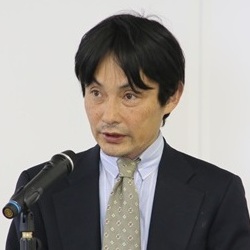 Masanori Kondo
 Hiroshi Ito
 Mio Sugita
 Rupakjyoti Borah
 Seiichi Okutomi
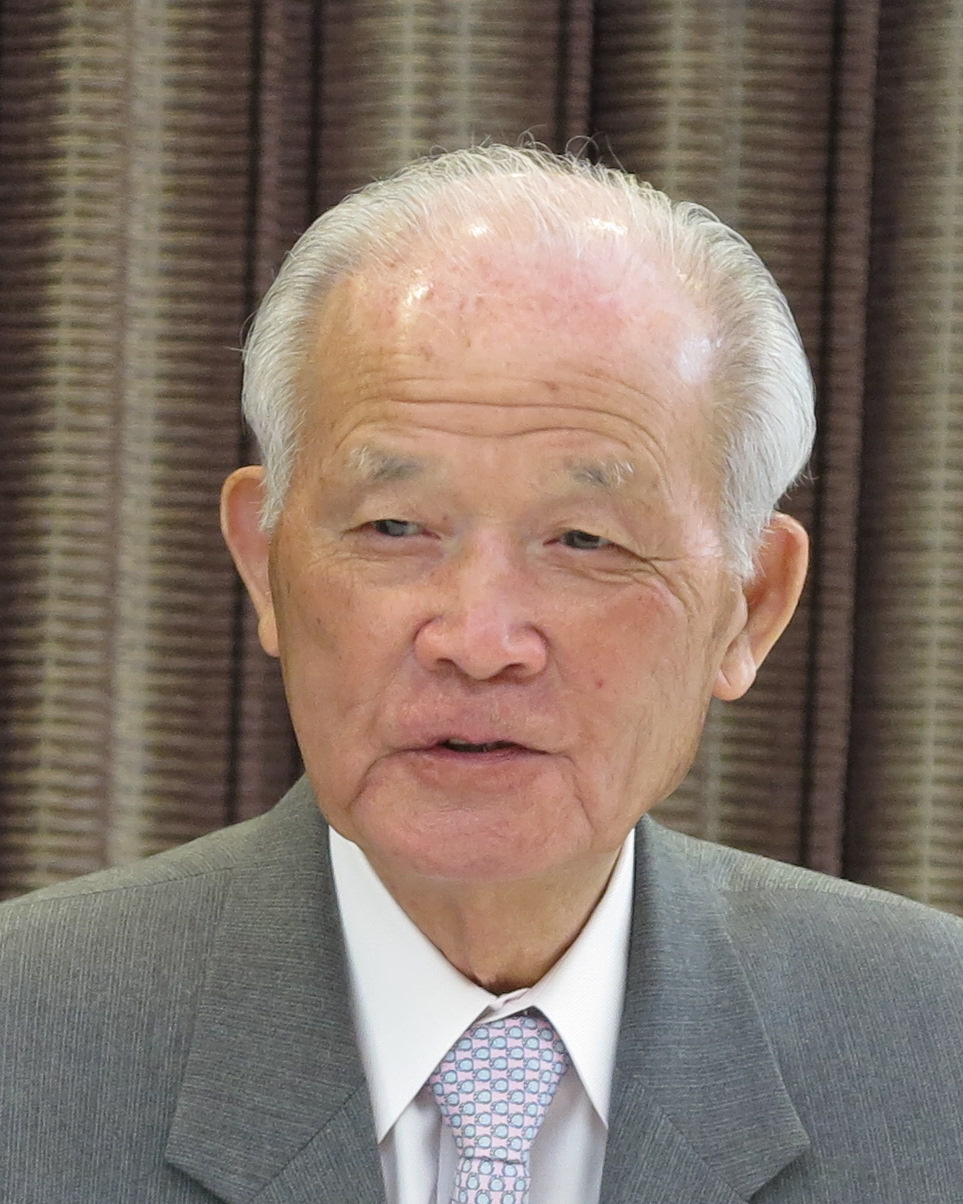 Saburo Tsukamoto
 Yasuo Naito
 Satoshi Sakakibara
 Yen-Hung Lin
 Sanae Takaichi
 Haruhisa Nakagawa
 Norihide Miyoshi
 Syunichi Akasofu
 Ryoichi Hamamoto
 Hong Hyung
 Andrii Gurenko
 Ronald Morse
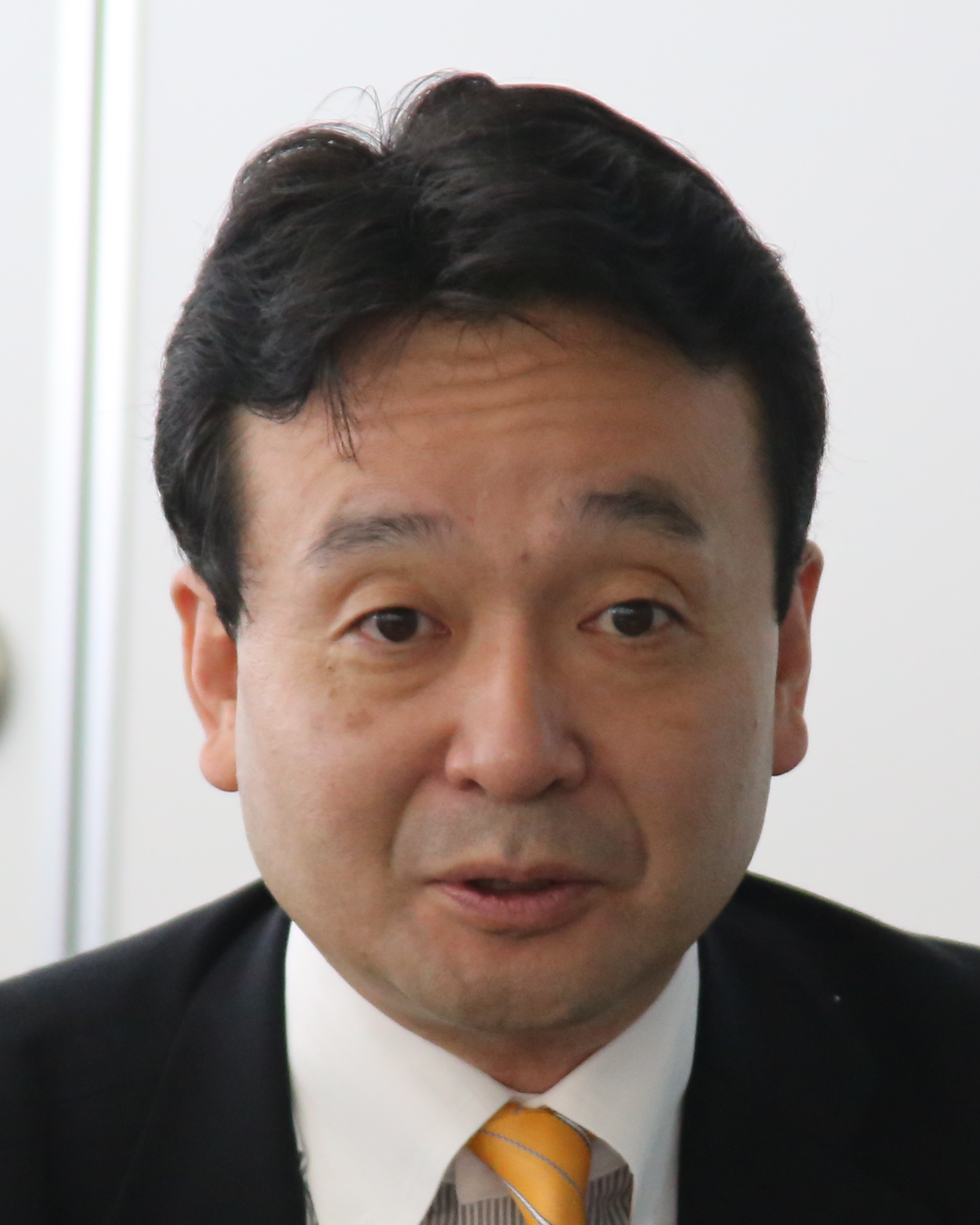 Kazuhiko Inoue
 Keiichi Nakagawa
 Masamori Sase
 Katsutoshi Kawano
 Tomohisa Takei