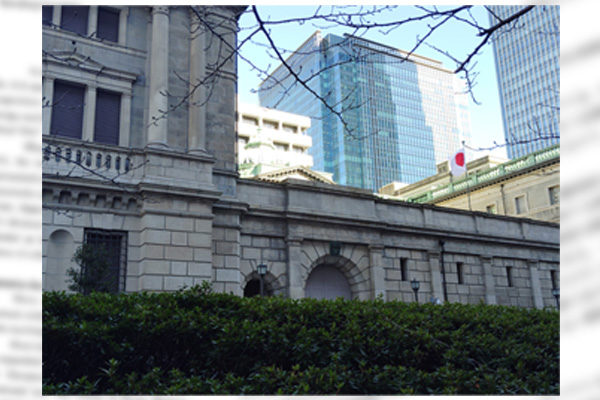
At its monetary policy meeting on September 18, the Bank of Japan decided to raise its policy interest rate by 0.25 percentage points to 1.25%, effective on September 24. The policy interest rate was thus increased to the highest level in 31 years, since 1995 just before Japan plunged into a chronic deflationary recession. BOJ Governor Kazuo Ueda has hinted at the possibility of consecutive and significant rate hikes in the period ahead. But the central bank should not stop the momentum of Japan’s economic revitalization led by the Sanae Takaichi administration.
Interest rate hikes cool domestic demand
One thing that cannot be overlooked in regard to the BOJ’s interest rate hike is pressure from the United States. At a press conference following a meeting of Group of 20 finance ministers and central bank governors in the U.S. in early September, U.S. Treasury Secretary Scott Bessent made a remark urging Japan to halt its reflationary policy. Prompted by the remark, leading Japanese media outlets quickly reported that the BOJ was certain to raise the policy interest rate. At the monetary policy meeting, most of the BOJ policy board members agreed to the rate hike.
If the BOJ, which should base its rate-hike decisions on domestic economic conditions, is overly susceptible to Washington’s wishes, foreign investment funds may decide whether to buy or sell yen or Japanese government bonds based on statements by senior U.S. government officials and U.S. financial market trends. On the foreign exchange market where speculative yen selling had begun to subside, in fact, the yen’s depreciation was suspended after the BOJ rate-hike decision.
At his press conference, BOJ Governor Ueda denied pressure from the U.S. and repeatedly emphasized that the momentum of corporate goods price hikes indicated that consumer prices could rise beyond the BOJ’s 2% price stabilization target. However, this explanation is unconvincing. Currently, the consumer price inflation rate is below 2%, with sharp price increases limited to food and energy products affected by higher costs associated with the turmoil in the Strait of Hormuz and other conflicts.
In this case, the appropriate way to address inflation would be through government energy subsidies and a cut in the consumption tax on food products. Amid weak domestic consumer demand, interest rate hikes would significantly boost mortgage costs for working households and borrowing costs for small, medium-sized, and micro enterprises.
PM should have dialogue with BOJ governor
True to its commitment to “responsible and proactive fiscal policy,” the Takaichi administration has shown moderation in fiscal spending. The planned injection of fiscal funds into 17 strategic areas, including artificial intelligence, is expected to drive domestic investment and serve as a catalyst for private-sector investment. Yet private-sector investment, which is what ultimately matters, will depend on expectations for future domestic demand.
A review of the revised budget for fiscal 2026 and budget requests for fiscal 2027 shows that part of significant increases in tax revenue will be used for redeeming government debt. This reflects an intention to restrain policy spending increase and additional government bond issuance. While this would help stabilize the government bond market, it could also put pressure on domestic demand to the extent that the increase in tax revenues is not sufficiently returned to the private sector. If the BOJ rushes into additional rate hikes under such circumstances, the Takaichi administration’s growth strategy may be disrupted. Takaichi should hurry dialogue with Governor Ueda.
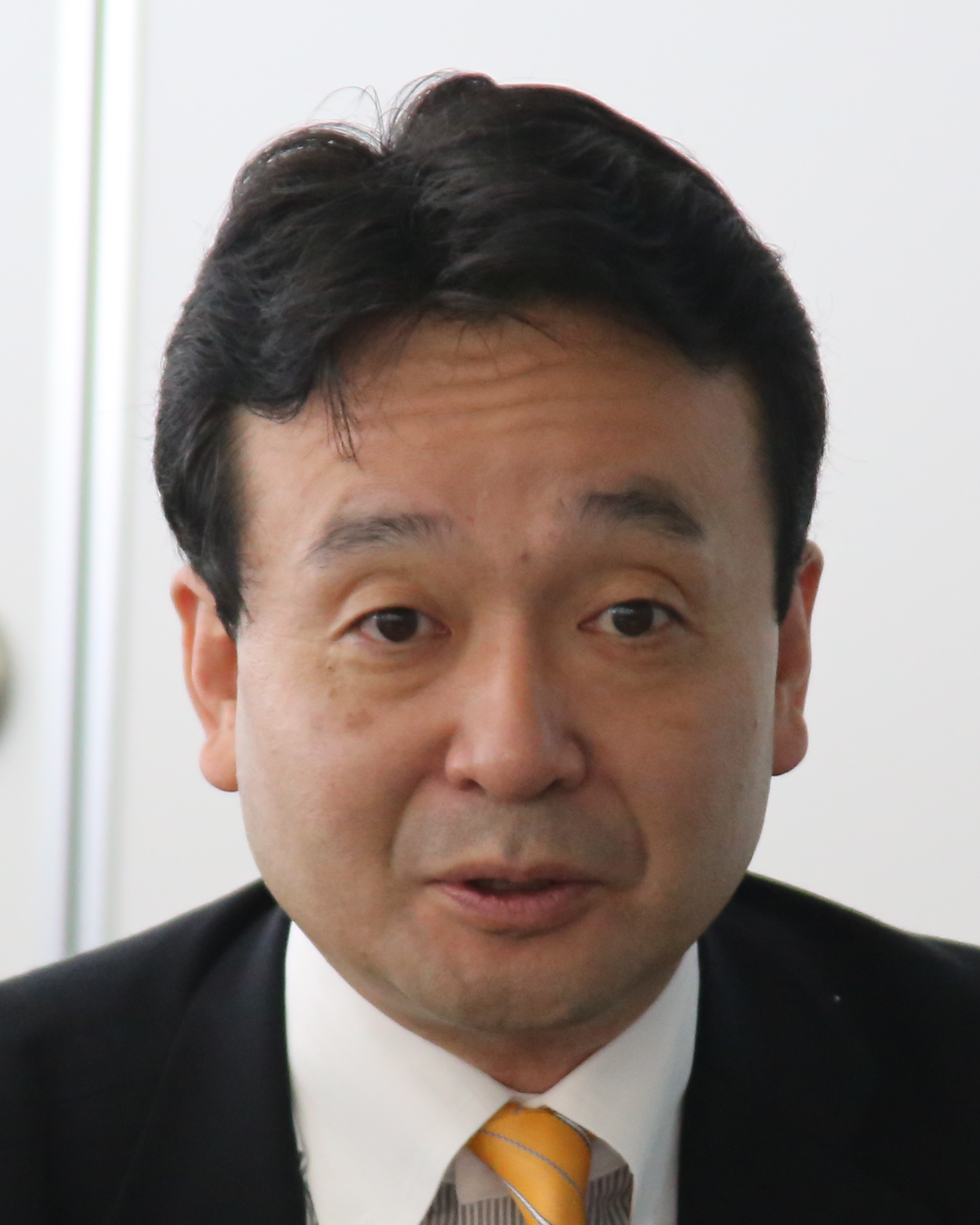
Hideo Tamura is a Planning Committee member at the Japan Institute for National Fundamentals and a columnist for the Sankei Shimbun newspaper.
 Tsutomu Nishioka
 Takashi Arimoto
 Tadae Takubo
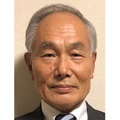 Fumio Ota
 Yoshiko Sakurai
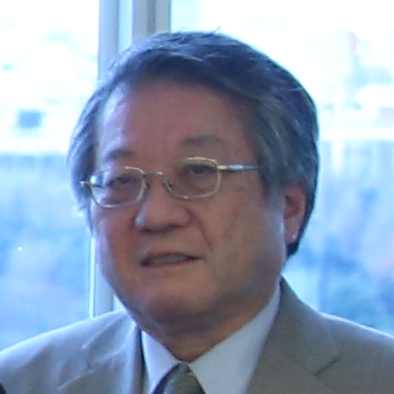 Yasushi Tomiyama
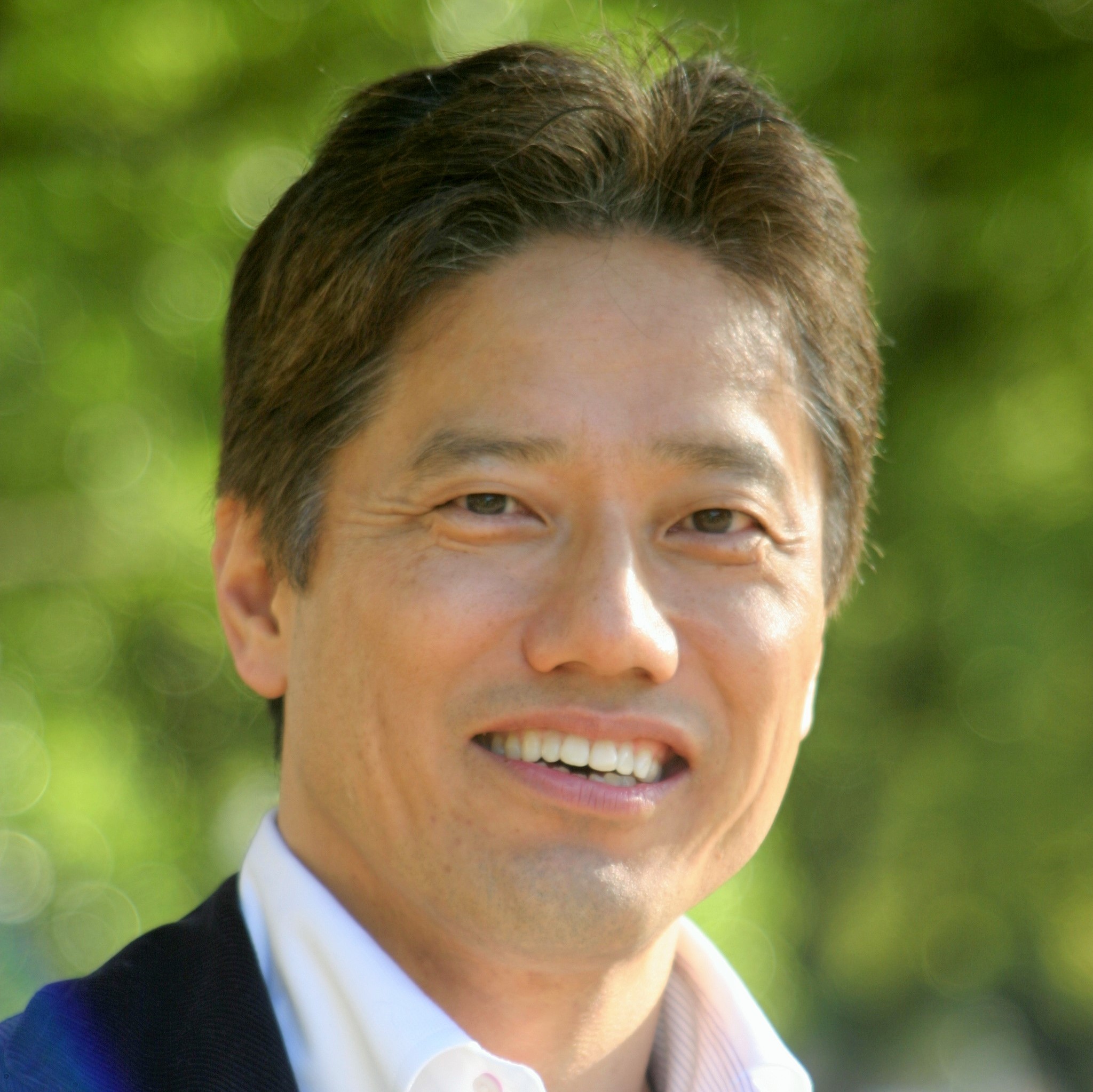 Masahiko Hosokawa
 Yoichi Shimada
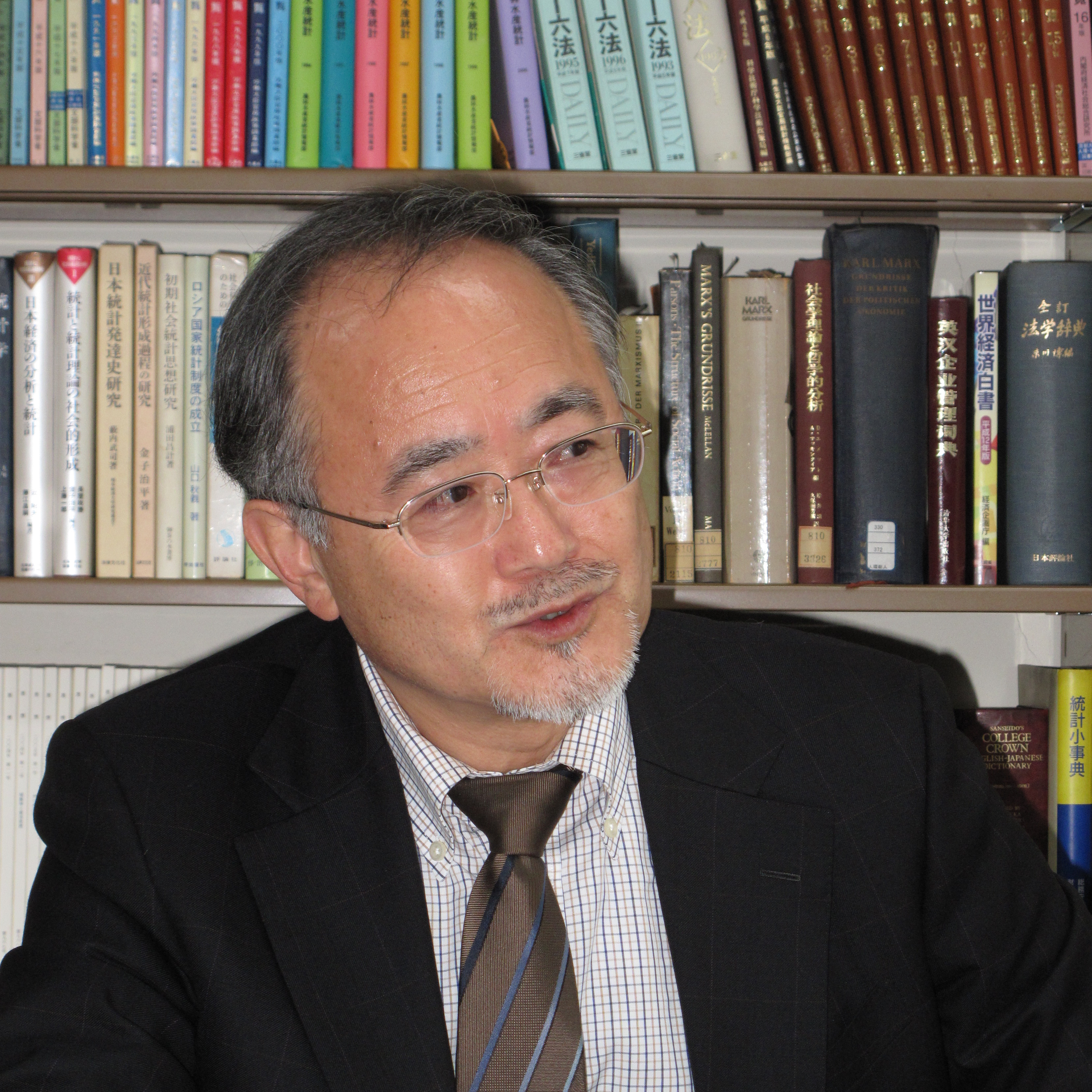 Hiroshi Yuasa
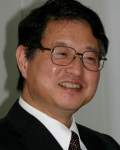 Tadashi Narabayashi
 Kiyofumi Iwata
 Kunio Orita
 Maki Nakagawa
 Etsuro Honda
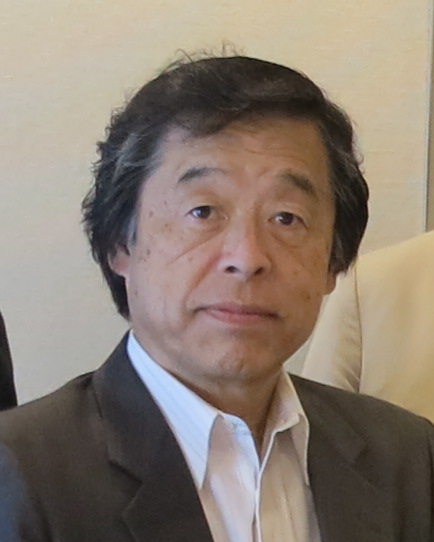 Yujiro Oiwa
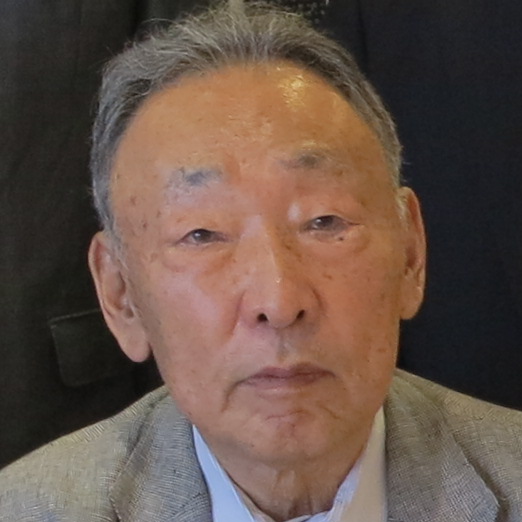 Hironobu Ishikawa
 Shiro Takahashi
 Katsuhiko Takaike
 Michio Ezaki
 Akira Momochi
 Akio Yaita
 Yoshihiko Yamada
 Seiji Kurosawa
 Koichi Endo
 Brahma Chellaney
 Nobuko Araki
 Yang Haiying
 James Auer
 Sumihiko Kawamura
 Hiroshi Kimura
 Osamu Nishi
 Koko Kato
 Tadashi Saito
 Shohei Umezawa
 Jason Morgan
 Arvind Gupta
 Kenro Nagoshi
 Takeshi Kudo
 Sukehiro Hirakawa
 Yumiko Nishimoto
 Rikiwo Shikama
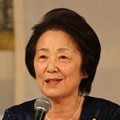 Eriko Yamatani
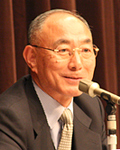 Koichi Furusho
 Tadashi Ito
 Satoshi Hirano
 Lee Woo Young
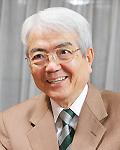 Taro Yayama
 Koh Sekai
 Koji Okamoto
 Tsutomu Toichi
 Hideaki Karaki
 Toshu Noguchi
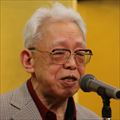 Kichinosuke Ihara
 Hisashi Matsumoto
 Yasuyuki Takai
 Nobuyuki Sato
 Chung Dae Kyun
 Toshio Watanabe
 Katsuya Tsukamoto
 Kazuto Suzuki
 Koichi Mera
 Akihisa Nagashima
 Miki Kase
 Eitaro Ogawa
 Hirotaka Watanabe
 Akinaka Senzaki
 Kevin Maher
 Yang Yi
 Hidetake Sawa
 Satoshi Tomisaka
 Nobukatsu Fujioka
 Masanori Kondo
 Hiroshi Ito
 Mio Sugita
 Rupakjyoti Borah
 Seiichi Okutomi
 Saburo Tsukamoto
 Yasuo Naito
 Satoshi Sakakibara
 Yen-Hung Lin
 Sanae Takaichi
 Haruhisa Nakagawa
 Norihide Miyoshi
 Syunichi Akasofu
 Ryoichi Hamamoto
 Hong Hyung
 Andrii Gurenko
 Ronald Morse
 Kazuhiko Inoue
 Keiichi Nakagawa
 Masamori Sase
 Katsutoshi Kawano
 Tomohisa Takei