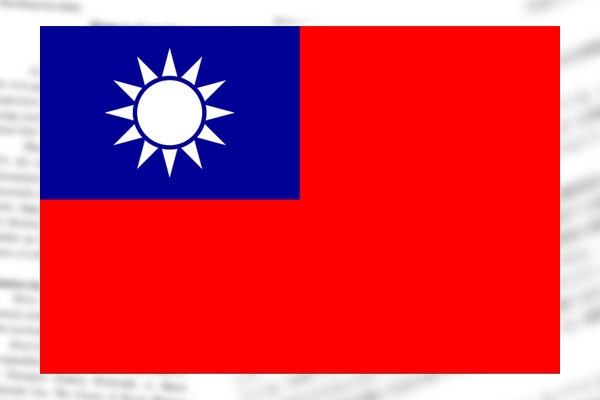
Loss of Taiwan would shake Japan’s foundation
If Taiwan comes under Chinese control, Japan’s security environment will irreversibly deteriorate. Located almost at the center of the first island chain connecting Japan to the Philippines, Taiwan serves as a gateway for China to advance into the Western Pacific and as a bulwark for Japan to block the Chinese advance. If this bulwark collapses, China could deploy missiles on Taiwan, thereby putting Japan’s Southwest Islands, which stretch southwest towards Taiwan, within their range. China could also expand naval and air forces into the Pacific free of constraints, using Taiwan as a base. Japan’s Sakishima Islands, part of the Southwest Islands and lying closest to Taiwan, as well as Okinawa Island will become front bases facing direct Chinese threats, forcing Japan to fundamentally strengthen its defense posture.
The threats would not be limited to the military domain. Given that Taiwan accounts for over 90% of the world’s cutting-edge semiconductor production and stands at the center of the global semiconductor supply chains, its loss would directly hit Japan’s automobile and other core industries. Furthermore, Japan’s main arteries for crude oil and logistics depend on the stability of the waters surrounding Taiwan. As a hub for international submarine cables, Taiwan is a vital pillar supporting Japan’s energy security, industrial infrastructure, and digital economy. The loss of Taiwan would shake the prerequisites for Japan’s survival and prosperity.
Moreover, Taiwan’s value is not limited to military and economic dimensions. Taiwan ranks first in Asia and 12th in the world in the Democracy Index compiled by a British research and analysis organization, demonstrating that democracy characterized by freedom, elections, and government change can mature even within the Chinese world. This serves as a living rebuttal to the Chinese Communist Party’s claim that democracy does not fit the Chinese people. Taiwan’s presence itself serves as a bulwark against authoritarianism.
Clarifying intention to engage is the greatest deterrent
What is important here is the reality that Japan is not in a position to choose whether or not to be “drawn into” a Taiwan contingency. If Japan hesitates to engage and leaves its intentions ambiguous, it would cause misunderstandings for the other side and invite a greater crisis. The lesson here is that the Korean War is often attributed to the ambiguity of the Acheson Line that the United States outlined in 1950 as its defense perimeter seemingly excluding South Korea. A recent analysis by the Center for Strategic and International Studies has found that if Tokyo rejects the use of U.S. military bases in Japan and chooses not to engage in a Taiwan contingency, the defense of Taiwan would fail.
That is why it is meaningful for Japan to clarify its intention to engage in a Taiwan contingency. The fact that China has raised strong opposition to Japanese Prime Minister Sanae Takaichi’s remark that a Taiwan contingency could become a survival-threatening situation for Japan should be seen as a sign that the Japanese attitude is raising the cost of China’s aggression and working as a deterrent. Supporting Taiwan’s status quo is not an act of helping others, but is the most realistic form of Japan’s self-defense to protect its own survival and prosperity.
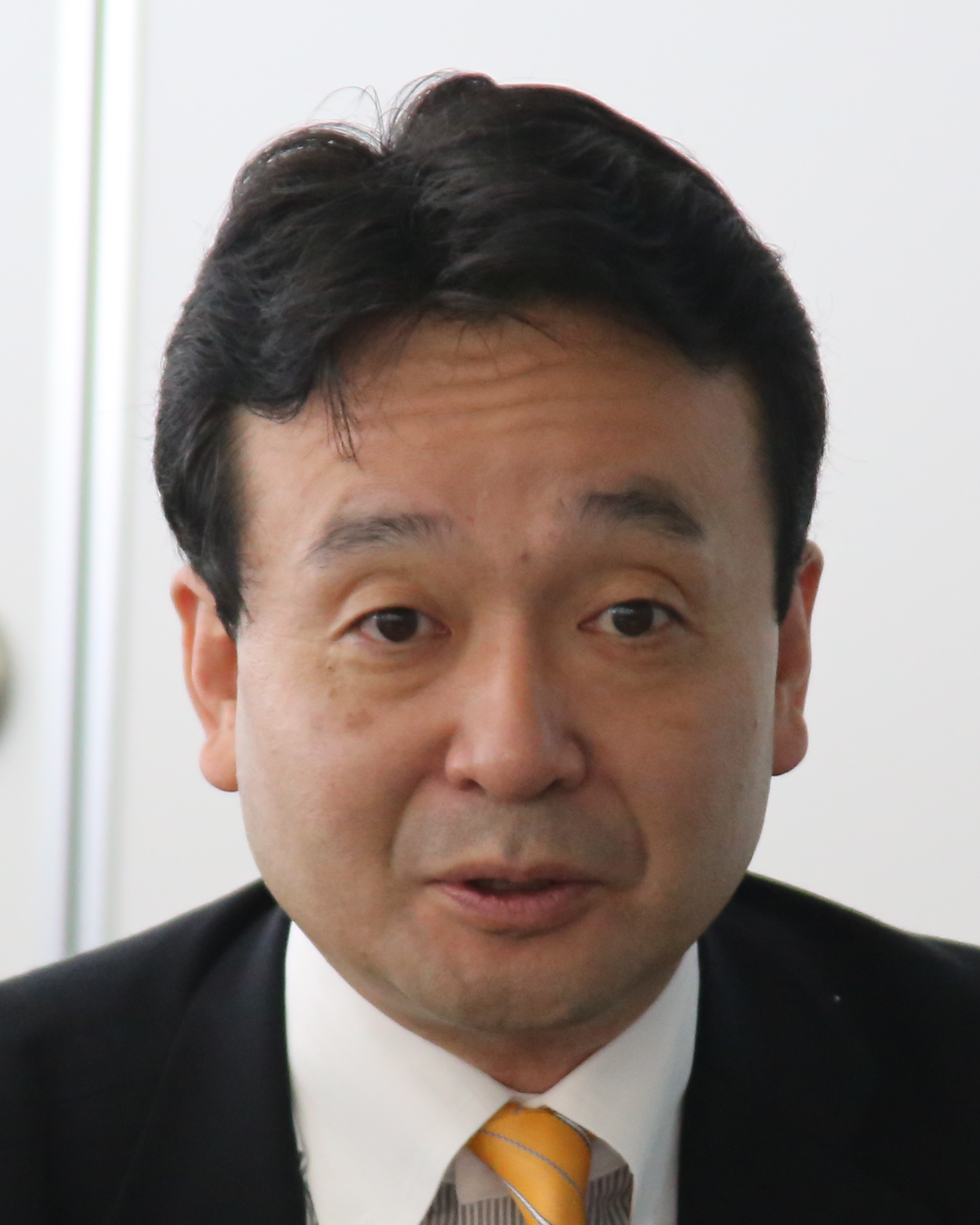
Kiyofumi Iwata is Vice President of the Japan Institute for National Fundamentals. Formerly, he served as Chief of Staff of the Japan Ground Self-Defense Force.
 Tsutomu Nishioka
 Takashi Arimoto
 Tadae Takubo
 Fumio Ota
 Yoshiko Sakurai
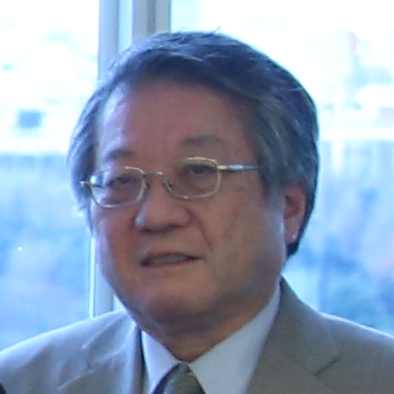 Yasushi Tomiyama
 Masahiko Hosokawa
 Yoichi Shimada
 Hiroshi Yuasa
 Tadashi Narabayashi
 Hideo Tamura
 Kunio Orita
 Maki Nakagawa
 Etsuro Honda
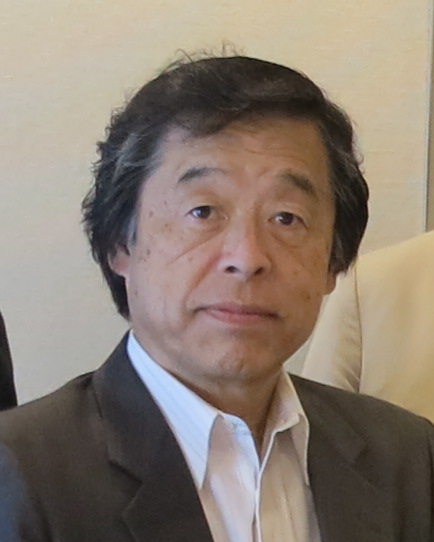 Yujiro Oiwa
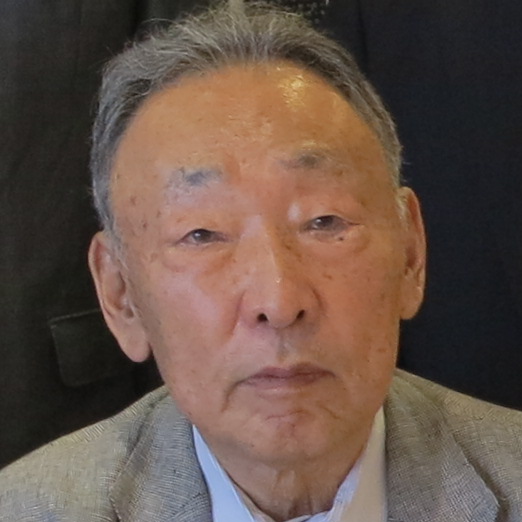 Hironobu Ishikawa
 Shiro Takahashi
 Katsuhiko Takaike
 Michio Ezaki
 Akira Momochi
 Akio Yaita
 Yoshihiko Yamada
 Seiji Kurosawa
 Koichi Endo
 Brahma Chellaney
 Nobuko Araki
 Yang Haiying
 James Auer
 Sumihiko Kawamura
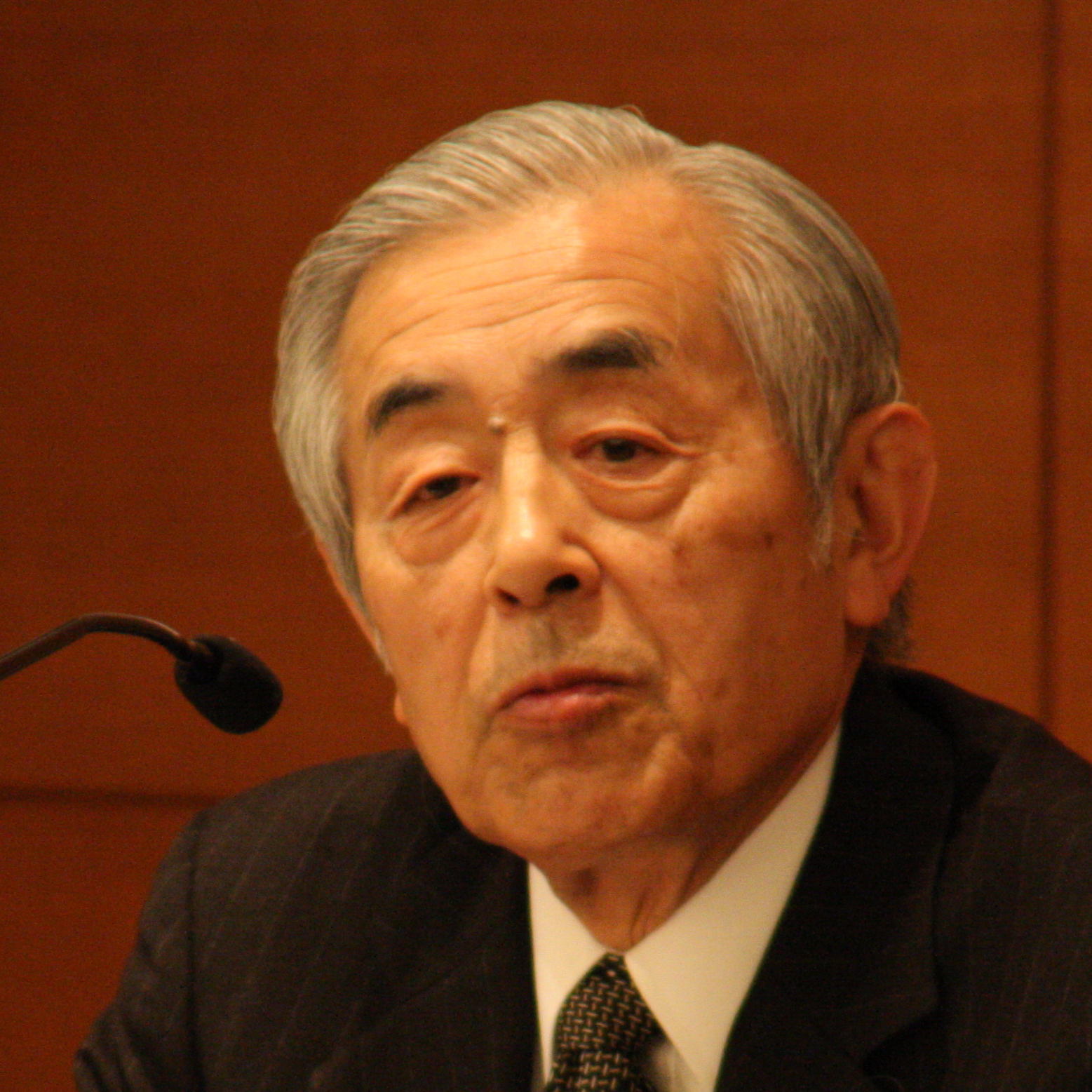 Hiroshi Kimura
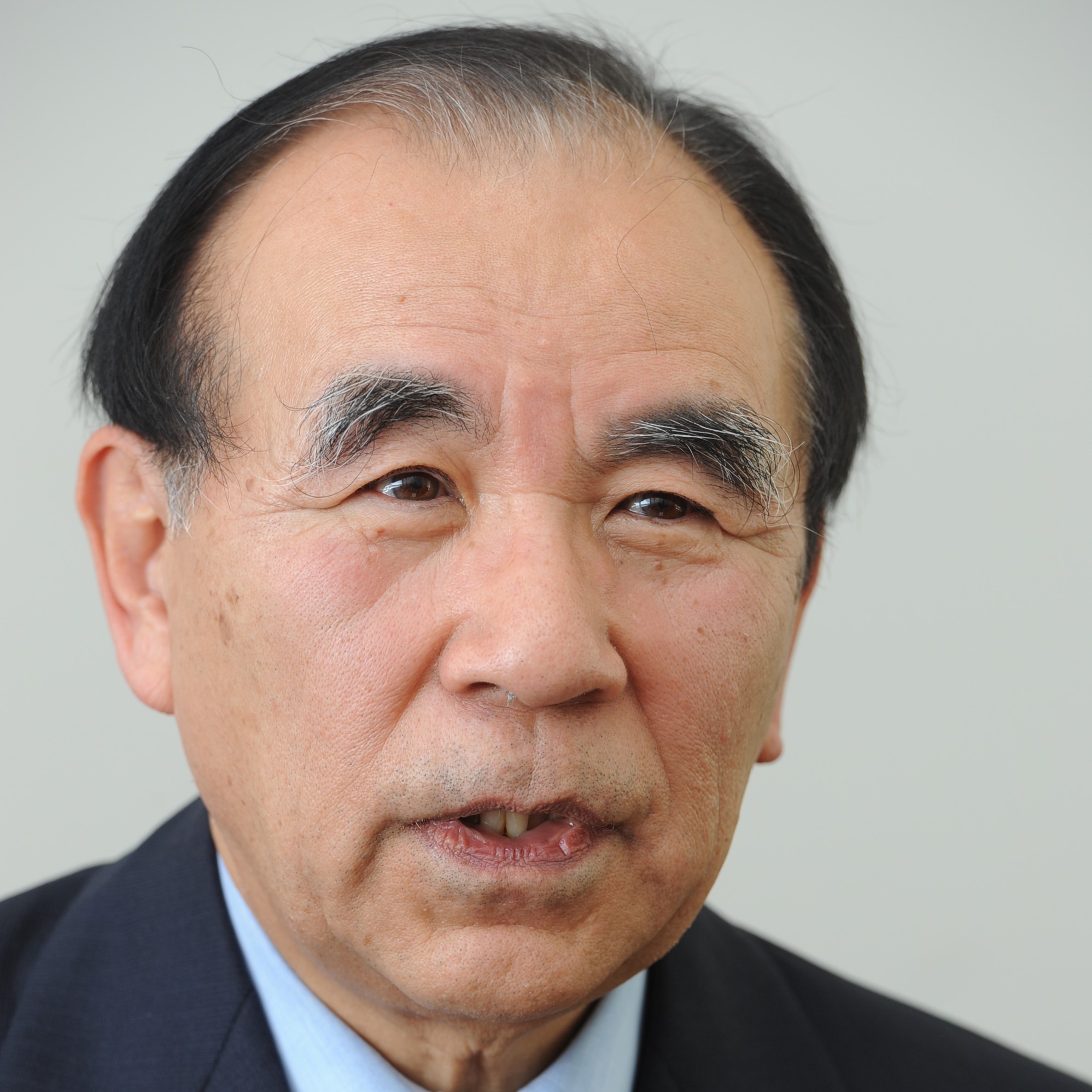 Osamu Nishi
 Koko Kato
 Tadashi Saito
 Shohei Umezawa
 Jason Morgan
 Arvind Gupta
 Kenro Nagoshi
 Takeshi Kudo
 Sukehiro Hirakawa
 Yumiko Nishimoto
 Rikiwo Shikama
 Eriko Yamatani
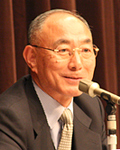 Koichi Furusho
 Tadashi Ito
 Satoshi Hirano
 Lee Woo Young
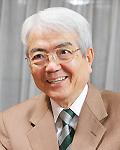 Taro Yayama
 Koh Sekai
 Koji Okamoto
 Tsutomu Toichi
 Hideaki Karaki
 Toshu Noguchi
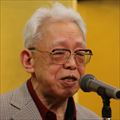 Kichinosuke Ihara
 Hisashi Matsumoto
 Yasuyuki Takai
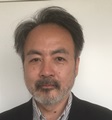 Nobuyuki Sato
 Chung Dae Kyun
 Toshio Watanabe
 Katsuya Tsukamoto
 Kazuto Suzuki
 Koichi Mera
 Akihisa Nagashima
 Miki Kase
 Eitaro Ogawa
 Hirotaka Watanabe
 Akinaka Senzaki
 Kevin Maher
 Yang Yi
 Hidetake Sawa
 Satoshi Tomisaka
 Nobukatsu Fujioka
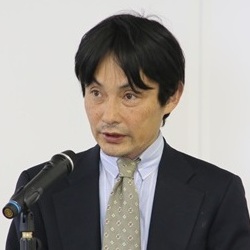 Masanori Kondo
 Hiroshi Ito
 Mio Sugita
 Rupakjyoti Borah
 Seiichi Okutomi
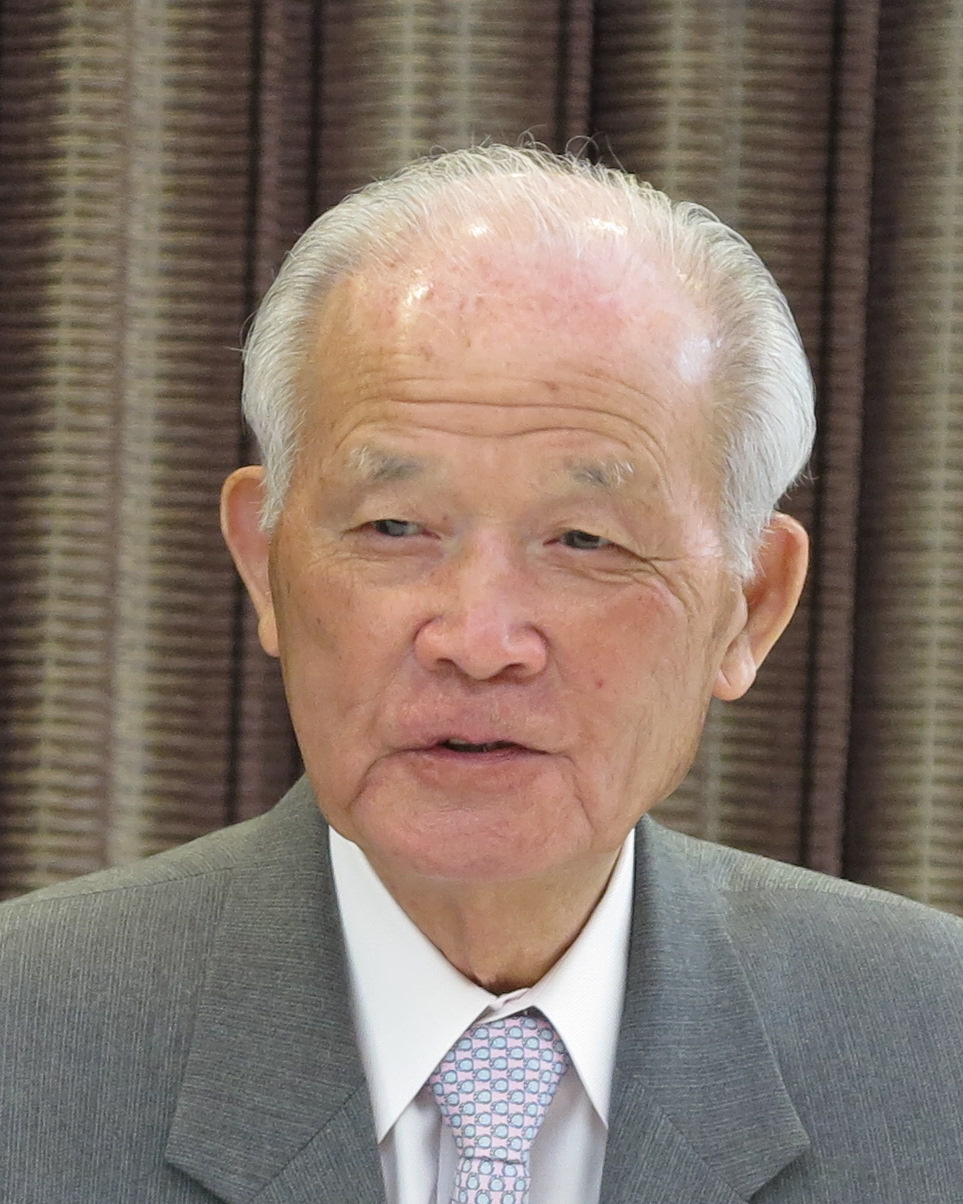 Saburo Tsukamoto
 Yasuo Naito
 Satoshi Sakakibara
 Yen-Hung Lin
 Sanae Takaichi
 Haruhisa Nakagawa
 Norihide Miyoshi
 Syunichi Akasofu
 Ryoichi Hamamoto
 Hong Hyung
 Andrii Gurenko
 Ronald Morse
 Kazuhiko Inoue
 Keiichi Nakagawa
 Masamori Sase
 Katsutoshi Kawano
 Tomohisa Takei