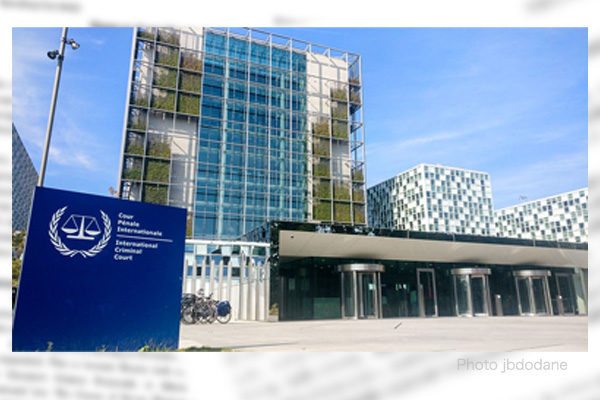
The U.S. Department of State has imposed sanctions on International Criminal Court President Tomoko Akane and other ICC officials. The sanctions for the first Japanese national to head the ICC include a freeze on her assets in the United States and restrictions on her use of credit cards. The ICC is a permanent international criminal tribunal founded in 2002 to prosecute and punish criminals who violate international law. Japan has been a member state of the ICC since its founding, continuously sent judges to the court, and supported it as the largest financial contributor. Japan, which emphasizes the rule of law in the international community, should maintain its basic policy of supporting the ICC while skillfully managing its relationship with the U.S.
International Criminal Court targeted by the U.S.
The ICC’s mission is to probe into four major types of crimes: genocide, crimes against humanity, war crimes, and the crime of aggression. However, the ICC can probe into crimes only if countries where the crimes occurred or suspects’ home countries lack the willingness and ability to investigate crimes and prosecute suspects.
Furthermore, one of the following is required for the ICC to initiate an investigation: (1) a referral by a member state, (2) a referral by the U.N. Security Council, and (3) initiation of an investigation by the ICC prosecutor.
According to the Department of State, sanctions were imposed on Akane and others because the ICC sought to prosecute nationals of non-member states, including the U.S. The court is structured to assert investigative authority over suspects from non-ICC countries if crimes were committed in member states.
Specifically, when the ICC initiated investigations in 2020 in Afghanistan, an ICC member, alleged war crimes committed by members of the U.S. military and the Central Intelligence Agency—nationals of a non-ICC country—also became subject to investigation at the discretion of the ICC prosecutor. The U.S. raised strong opposition to the investigations, claiming that they infringed on U.S. sovereignty and constituted an abuse of prosecutor’s power.
Even if arrest warrants for suspects are issued with the criminal facts established, the ICC itself lacks the capability to execute the warrants, failing to cause any real harm on the U.S. or its citizens. Nevertheless, the U.S. harshly responded to the ICC because of its firm determination to absolutely protect its own citizens.
For example, the George W. Bush administration enacted the American Service-Members’ Protection Act, asking foreign countries to sign bilateral agreements promising not to extradite Americans to the ICC. The Barack Obama administration never accepted the ICC’s investigations against U.S. citizens. The U.S. thus has a bipartisan policy of refusing to extradite American military personnel or agents who have carried out missions under U.S. government orders, to foreign countries or international organizations.
ICC should turn attention to China as well
The ICC is expected to direct its attention toward investigating additional violations of international law that exist around the world. In 2023, the ICC issued an arrest warrant for Russian President Vladimir Putin for the war crime of abducting children from Ukraine. However, it is too hesitant to investigate China’s persecution of Uighurs and other ethnic minorities, which the first Trump administration designated as genocide.
Japan has a bitter experience of having war crimes imposed on it under the logic of the victors in the postwar International Military Tribunal for the Far East, also known as the Tokyo Tribunal of War Criminals. If the ICC judges war crimes from a more objective perspective, it would be worthy of Japan’s support. As the U.S., Japan’s sole ally, has gone as far as calling for dismantling the ICC, Japan will be forced to navigate difficult diplomacy. It is hoped that Japan will remain steadfast in its fundamental stance of upholding the rule of law.
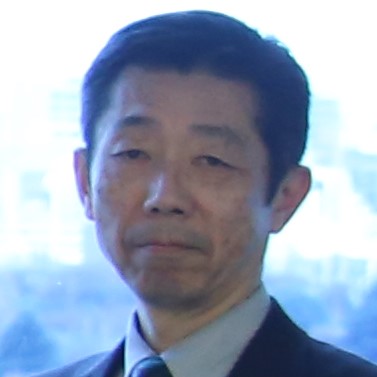
Seiji Kurosawa is a retired captain of the Japan Maritime Self-Defense Force and former Legal Affairs General of the Joint Staff. He is also a director of the Japan Institute for National Fundamentals.
 Tsutomu Nishioka
 Takashi Arimoto
 Tadae Takubo
 Fumio Ota
 Yoshiko Sakurai
 Yasushi Tomiyama
 Masahiko Hosokawa
 Yoichi Shimada
 Hiroshi Yuasa
 Tadashi Narabayashi
 Hideo Tamura
 Kiyofumi Iwata
 Kunio Orita
 Maki Nakagawa
 Etsuro Honda
 Yujiro Oiwa
 Hironobu Ishikawa
 Shiro Takahashi
 Katsuhiko Takaike
 Michio Ezaki
 Akira Momochi
 Akio Yaita
 Yoshihiko Yamada
 Koichi Endo
 Brahma Chellaney
 Nobuko Araki
 Yang Haiying
 James Auer
 Sumihiko Kawamura
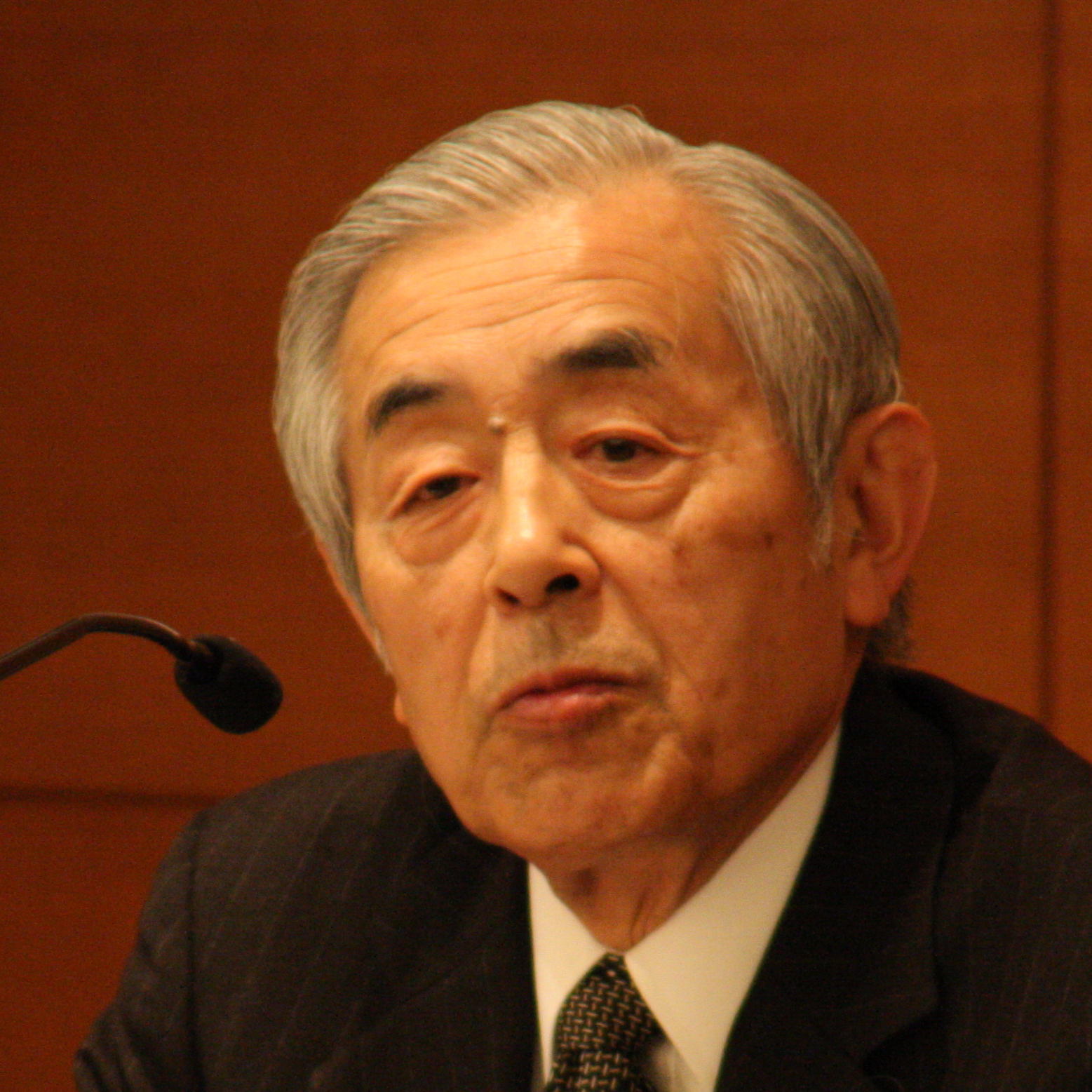 Hiroshi Kimura
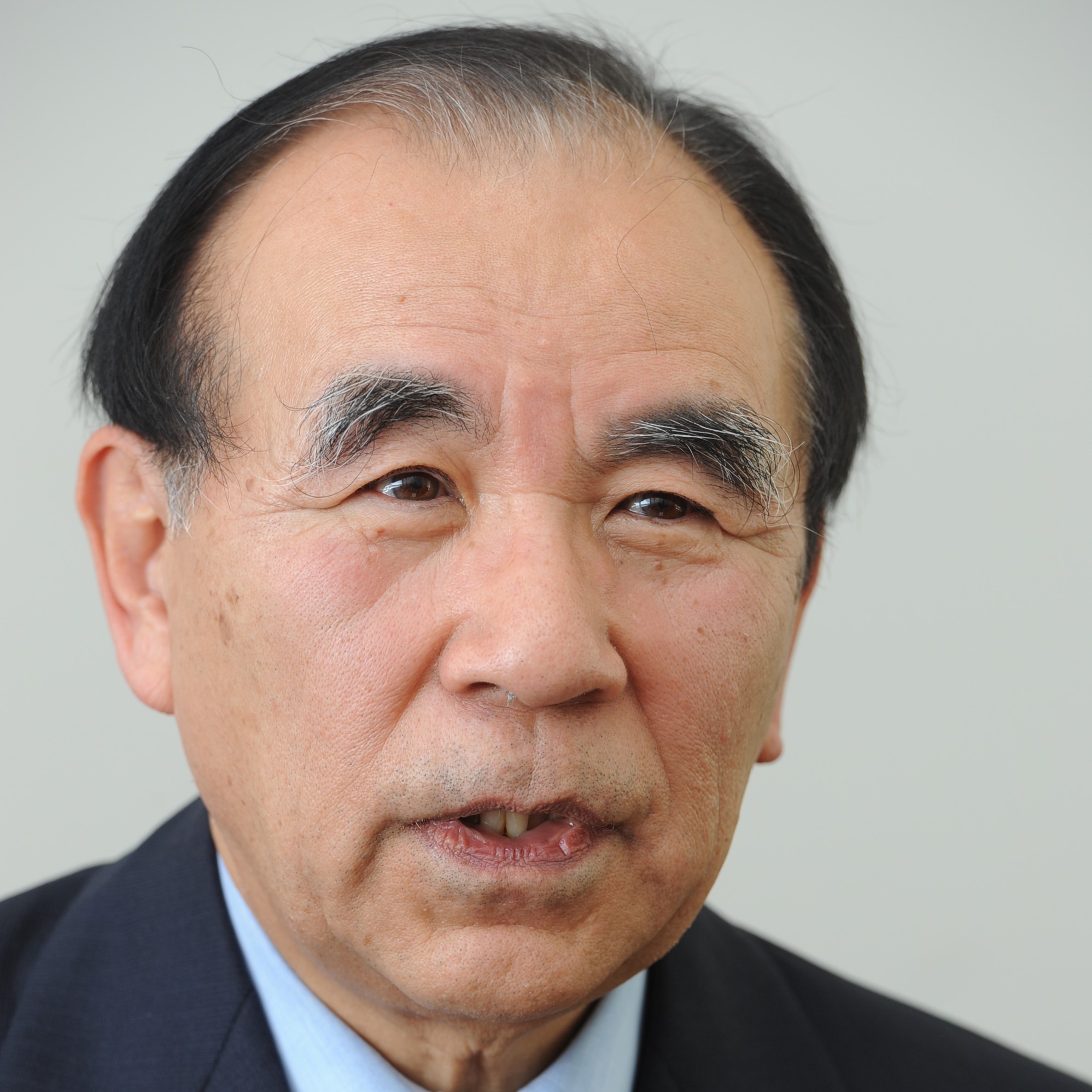 Osamu Nishi
 Koko Kato
 Tadashi Saito
 Shohei Umezawa
 Jason Morgan
 Arvind Gupta
 Kenro Nagoshi
 Takeshi Kudo
 Sukehiro Hirakawa
 Yumiko Nishimoto
 Rikiwo Shikama
 Eriko Yamatani
 Koichi Furusho
 Tadashi Ito
 Satoshi Hirano
 Lee Woo Young
 Taro Yayama
 Koh Sekai
 Koji Okamoto
 Tsutomu Toichi
 Hideaki Karaki
 Toshu Noguchi
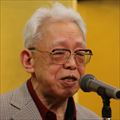 Kichinosuke Ihara
 Hisashi Matsumoto
 Yasuyuki Takai
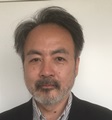 Nobuyuki Sato
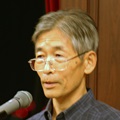 Chung Dae Kyun
 Toshio Watanabe
 Katsuya Tsukamoto
 Kazuto Suzuki
 Koichi Mera
 Akihisa Nagashima
 Miki Kase
 Eitaro Ogawa
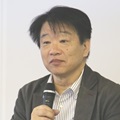 Hirotaka Watanabe
 Akinaka Senzaki
 Kevin Maher
 Yang Yi
 Hidetake Sawa
 Satoshi Tomisaka
 Nobukatsu Fujioka
 Masanori Kondo
 Hiroshi Ito
 Mio Sugita
 Rupakjyoti Borah
 Seiichi Okutomi
 Saburo Tsukamoto
 Yasuo Naito
 Satoshi Sakakibara
 Yen-Hung Lin
 Sanae Takaichi
 Haruhisa Nakagawa
 Norihide Miyoshi
 Syunichi Akasofu
 Ryoichi Hamamoto
 Hong Hyung
 Andrii Gurenko
 Ronald Morse
 Kazuhiko Inoue
 Keiichi Nakagawa
 Masamori Sase
 Katsutoshi Kawano
 Tomohisa Takei