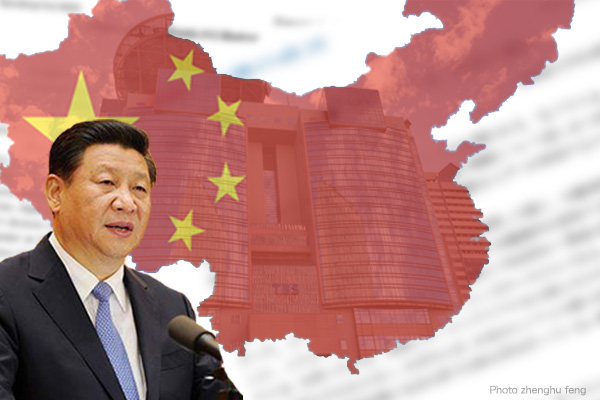
Beijing is putting pressure on the popular Japanese TV drama “Vivant” airing on the TBS network. The drama is a fictional entertainment work. At a press briefing on October 29, Chinese Foreign Ministry spokesperson Guo Jiakun criticized the drama, saying, “This TV drama once again exposed the persistent existence of a certain force within Japan that attempts to use cultural products to distort and smear China’s image and spread anti-China sentiment.”
Exploiting fiction to bash Takaichi
Season 2 of Vivant, which started on July 26, features a battle between fictitious intelligence organizations affiliated with the Japanese Self-Defense Forces and with China. In response to this fictional storyline, the Chinese side launched a coordinated wave of criticism through state-controlled media and official bodies, such as the Chinese Consulate General in Osaka, beginning with a report by the state-run China Central Television (CCTV) on October 25. Chinese state-controlled media took issue with a scene aired on October 4 in which a member of the Chinese-affiliated organization tortures a Self-Defense Forces intelligence officer. This means that the Chinese side turned the matter into a political issue more than twenty days after the episode aired. Why?
The Chinese side has not hidden its intention to link Vivant to criticism of Japanese Prime Minister Sanae Takaichi. On October 26, the China Global Television Network (CGTN) Japanese, an international broadcasting division of the CCTV, posted a lengthy message on X, formerly Twitter. The message condemned Vivant as a “fake drama” that could instill the hostile view of China advocated by right-wing politicians into ordinary people and characterized the first year of the Takaichi administration as being “out of control.” Moreover, on October 29, it warned against the “poisoning” of Japan's cultural and entertainment industries by a new form of militarism, stating that “many of Japan's leading companies have provided commercial backing for the program” and that “Sanae Takaichi has publicly recommended it by name.” The prime minister only told the House of Representatives Budget Committee on October 14 that she would be happy to watch the video record of the drama during the yearend and New Year holiday period. In short, China is exploiting the fictional work to engage in “Takaichi bashing” and cause disruption.
Protect the freedom of expression
Realities in China are far more disturbing than fiction. Beijing has cracked down on Tibetans, Uyghurs, and Mongolians, imposed censorship as a matter of routine, and “educated” for decades Chinese people through absurd anti-Japanese dramas.
In recent years, China has used the threat of withdrawing Chinese money to “educate” other countries as well. Many Japanese, American, and European companies have succumbed to the threat, apologized to China, and engaged in self-censorship. Hollywood is no exception. China has been gradually eroding the freedom of expression beyond its own borders.
On October 29, Sanrio Company, Ltd. announced the cancellation of its collaboration with Vivant involving the production and sale of related merchandise, and issued an apology after being singled out for criticism from China. The Chinese side has explicitly criticized the drama's cast members, director, and sponsors, and even mentioned NHK’s year-end Grand Song Festival due to be hosted by the lead actor of the drama, further intensifying its pressure campaign.
There must be no modification of domestic TV programs, nor any self-censorship, as a result of China's “cross-border censorship.” If Japan fails to protect its freedom of expression, the country will be eroded by the values of authoritarian states, and freedom itself will disappear. Japan's entertainment industry must not repeat Hollywood's mistake.
Tomoko Seo is a Planning Committee member at the Japan Institute for National Fundamentals and Editor in Chief of Sankei Shimbun Syuppan.
 Tsutomu Nishioka
 Takashi Arimoto
 Tadae Takubo
 Fumio Ota
 Yoshiko Sakurai
 Yasushi Tomiyama
 Masahiko Hosokawa
 Yoichi Shimada
 Hiroshi Yuasa
 Tadashi Narabayashi
 Hideo Tamura
 Kiyofumi Iwata
 Kunio Orita
 Maki Nakagawa
 Etsuro Honda
 Yujiro Oiwa
 Shiro Takahashi
 Hironobu Ishikawa
 Katsuhiko Takaike
 Michio Ezaki
 Akira Momochi
 Akio Yaita
 Yoshihiko Yamada
 Seiji Kurosawa
 Koichi Endo
 Brahma Chellaney
 Nobuko Araki
 James Auer
 Yang Haiying
 Hiroshi Kimura
 Sumihiko Kawamura
 Takeshi Kudo
 Arvind Gupta
 Shohei Umezawa
 Jason Morgan
 Kenro Nagoshi
 Koko Kato
 Osamu Nishi
 Tadashi Saito
 Koji Okamoto
 Yumiko Nishimoto
 Tsutomu Toichi
 Kichinosuke Ihara
 Nobuyuki Sato
 Tadashi Ito
 Rikiwo Shikama
 Satoshi Hirano
 Sukehiro Hirakawa
 Lee Woo Young
 Toshu Noguchi
 Eriko Yamatani
 Koh Sekai
 Hideaki Karaki
 Yasuyuki Takai
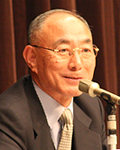 Koichi Furusho
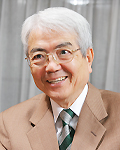 Taro Yayama
 Hisashi Matsumoto
 Katsuya Tsukamoto
 Seiichi Okutomi
 Akinaka Senzaki
 Hiroshi Ito
 Yen-Hung Lin
 Ryoichi Hamamoto
 Andrii Gurenko
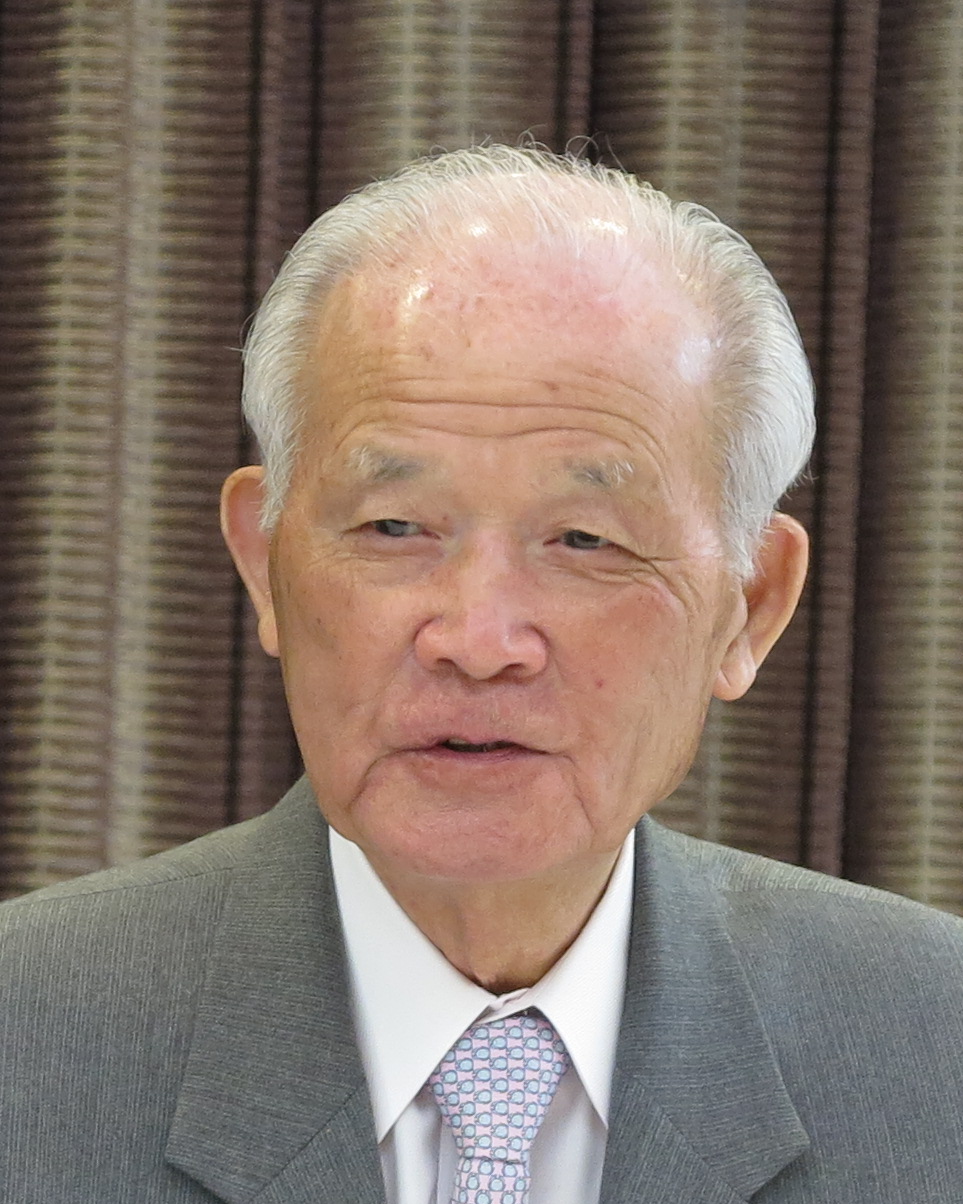 Saburo Tsukamoto
 Katsutoshi Kawano
 Kazuto Suzuki
 Kevin Maher
 Tomohisa Takei
 Sanae Takaichi
 Yang Yi
 Haruhisa Nakagawa
 Norihide Miyoshi
 Koichi Mera
 Satoshi Tomisaka
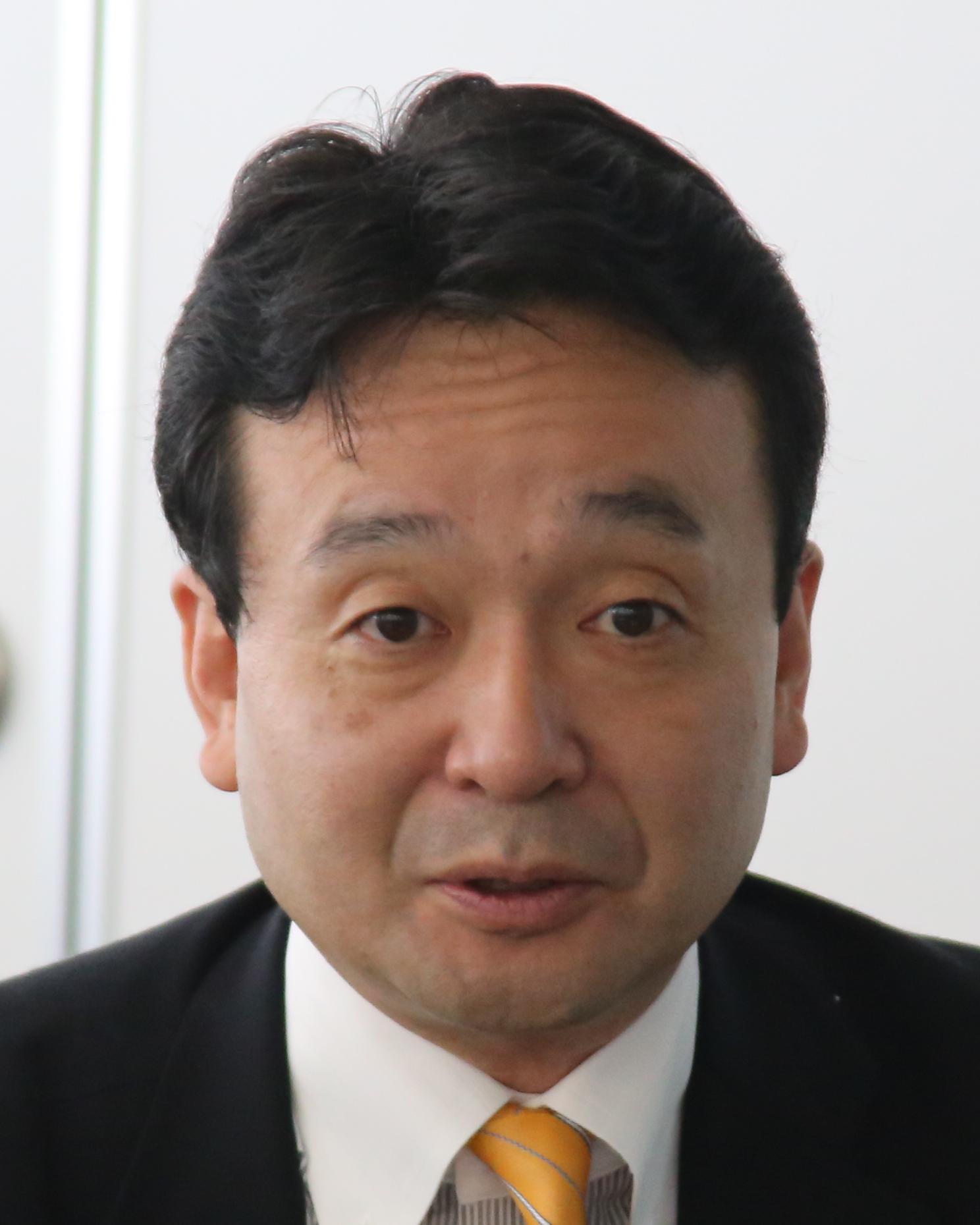 Kazuhiko Inoue
 Akihisa Nagashima
 Mio Sugita
 Hong Hyung
 Keiichi Nakagawa
 Miki Kase
 Ronald Morse
 Yasuo Naito
 Toshio Watanabe
 Eitaro Ogawa
 Nobukatsu Fujioka
 Rupakjyoti Borah
 Satoshi Sakakibara
 Syunichi Akasofu
 Masamori Sase
 Chung Dae Kyun
 Hirotaka Watanabe
 Masanori Kondo
 Hidetake Sawa