Next month, the Japanese government will approve revisions to the three security documents, including the National Security Strategy, by cabinet decision. Behind the revision of the documents four years after their adoption in 2022 is the rapid deterioration of the security environment. However, deliberations are underway to set defense spending for the next five years in the 50 trillion- to 60 trillion-yen range to fund the defense buildup. Although the figure appears to be an increase from the current 43 trillion-yen plan in nominal yen terms, the real purchasing power will be significantly reduced once the yen’s rapid depreciation and rising hikes are taken into account. While revising the three documents in response to the deteriorating strategic environment, the government is effectively undermining efforts to strengthen Japan’s defense capabilities. This contradiction cannot be overlooked.
Defense spending “increase” is actually a cut
According to the Nikkei Shimbun newspaper on November 14, the Finance and Defense Ministries have entered deliberations to set the five-year defense spending in the 50 trillion- to 60 trillion-yen range. Although the Defense Ministry initially estimated the required amount at around 70 trillion to 80 trillion yen, the Finance Ministry reportedly dismissed the figure as “exorbitant.”
Since the defense budget includes yen-denominated expenses that are incurred entirely within Japan, such as personnel costs for Self-Defense Forces personnel, a simple comparison may not be appropriate. But payments for defense equipment and components imported from the United States and most fuel purchases are made in dollars. While the current plan of 43 trillion yen was premised on the exchange rate of 108 yen to the dollar, the exchange rate has averaged around 158 yen to the dollar over the past 30 days, meaning the yen depreciated against the dollar by about 50%. Simply converting the totals into dollars, 43 trillion yen was equivalent to about $400 billion, whereas 50 trillion yen under the next plan would amount to only about $320 billion, a decline of roughly 20 percent. Even 60 trillion yen would fall short of the current plan in dollar terms.
Moreover, even if 60 trillion yen is secured, the allocation available for new equipment procurement, after excluding personnel costs and installment payments on past contracts, would remain at around 30 trillion yen. Any increase from the current 27 trillion yen could well be absorbed by exchange-rate losses and soaring prices. It is only natural that a senior Defense Ministry official lamented, “People would be justified in saying that Japan’s defense capabilities are being weakened.”
Meanwhile, the international environment continues to deteriorate. China’s preparations for an invasion of Taiwan are making steady progress, as evidenced by its military buildup and large-scale exercises by the People’s Liberation Army. Since October, a fleet led by the aircraft carrier Liaoning has conducted intensive training in the Western Pacific, which Taiwan’s Ministry of National Defense has characterized as an “area-denial” exercise to block U.S. forces from coming to Taiwan’s aid. Former Australian Prime Minister Kevin Rudd, a China expert, estimates the chances of China launching an invasion of Taiwan at one in three if President Lai Chingte is re-elected in Taiwan’s presidential election in January 2028. To the United States, which is urging its allies to enhance defense efforts, Japan’s effective standstill in defense buildup would likely be seen as a step backward.
Consider issuing government bonds to cover defense spending
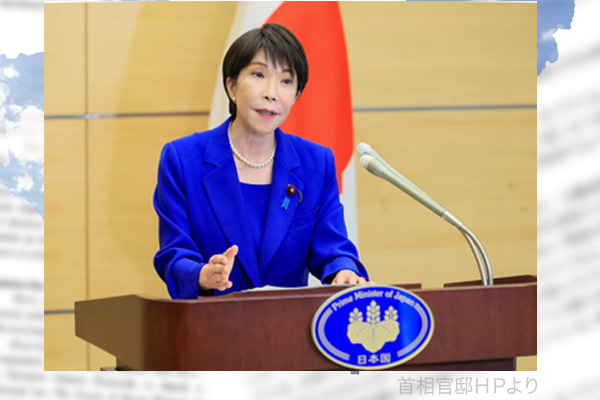
Under these circumstances, one cannot help but doubt whether the Sanae Takaichi administration, which is moving toward an effective reduction in defense spending, is seriously committed to the survival of the nation and the safety of its people. It is understandable that simultaneously cutting the consumption tax and raising taxes to fund defense spending would be difficult. If so, the administration should openly discuss the option of financing defense spending through government bonds.
Of course, a reckless increase in government bond issuance risks the yen’s further depreciation and interest rate hikes. However, there should be measures for the government to secure emergency financial resources while maintaining market confidence through spending reforms and careful explanations. Even Germany, known for its strict fiscal discipline, amended its constitution in 2025 to allow most defense spending to be financed through government bonds as an exception to the debt limit. Is it not the role of politicians to demonstrate an even greater determination in Japan, which faces multiple threats from neighboring countries?
Kiyofumi Iwata is Vice President of the Japan Institute for National Fundamentals. Formerly, he served as Chief of Staff of the Japan Ground Self-Defense Force.
 Tsutomu Nishioka
 Takashi Arimoto
 Tadae Takubo
 Fumio Ota
 Yoshiko Sakurai
 Yasushi Tomiyama
 Masahiko Hosokawa
 Yoichi Shimada
 Hiroshi Yuasa
 Tadashi Narabayashi
 Hideo Tamura
 Kunio Orita
 Maki Nakagawa
 Etsuro Honda
 Yujiro Oiwa
 Shiro Takahashi
 Hironobu Ishikawa
 Katsuhiko Takaike
 Michio Ezaki
 Akira Momochi
 Akio Yaita
 Yoshihiko Yamada
 Seiji Kurosawa
 Koichi Endo
 Brahma Chellaney
 Nobuko Araki
 James Auer
 Yang Haiying
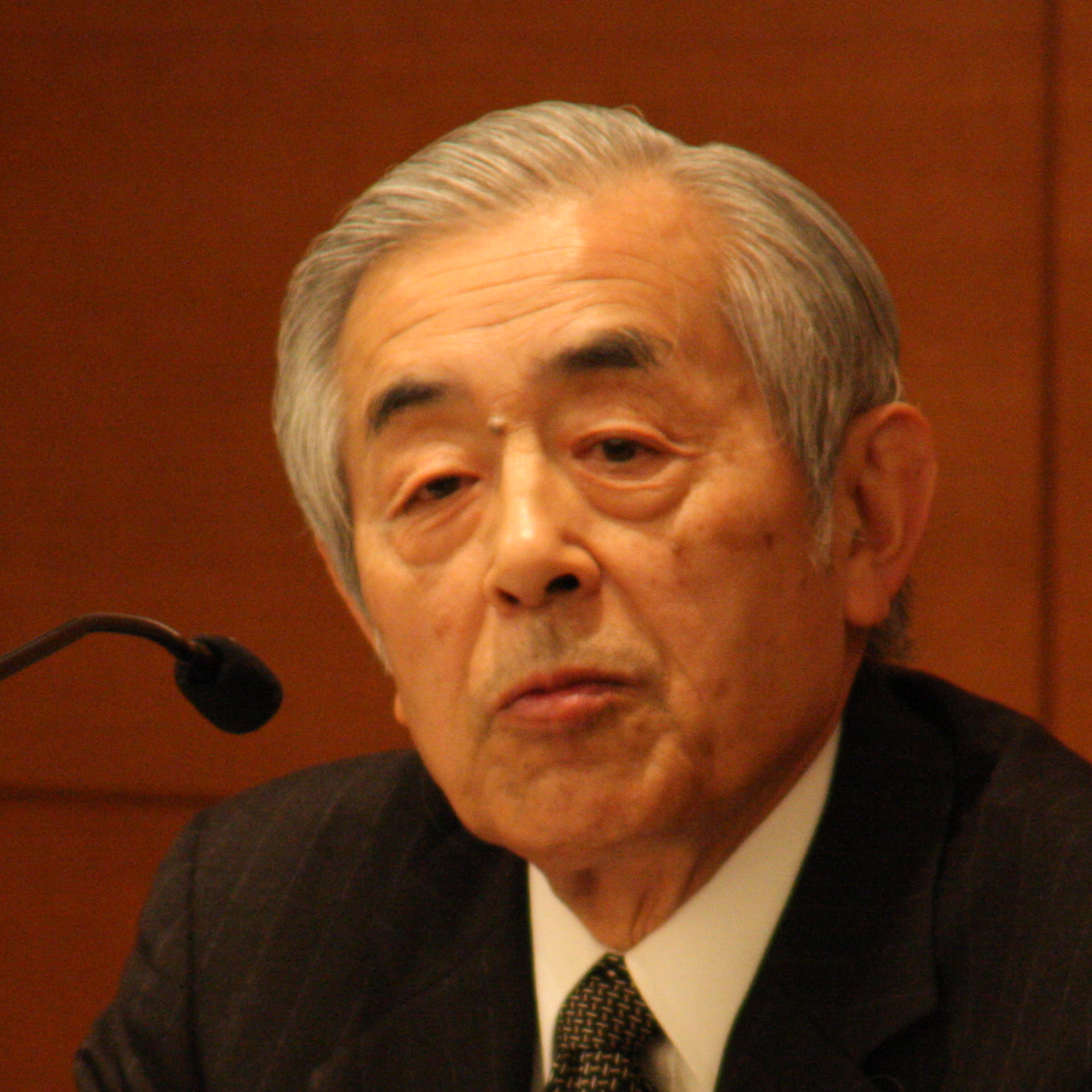 Hiroshi Kimura
 Sumihiko Kawamura
 Takeshi Kudo
 Arvind Gupta
 Shohei Umezawa
 Jason Morgan
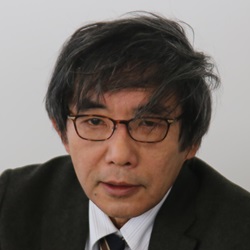 Kenro Nagoshi
 Koko Kato
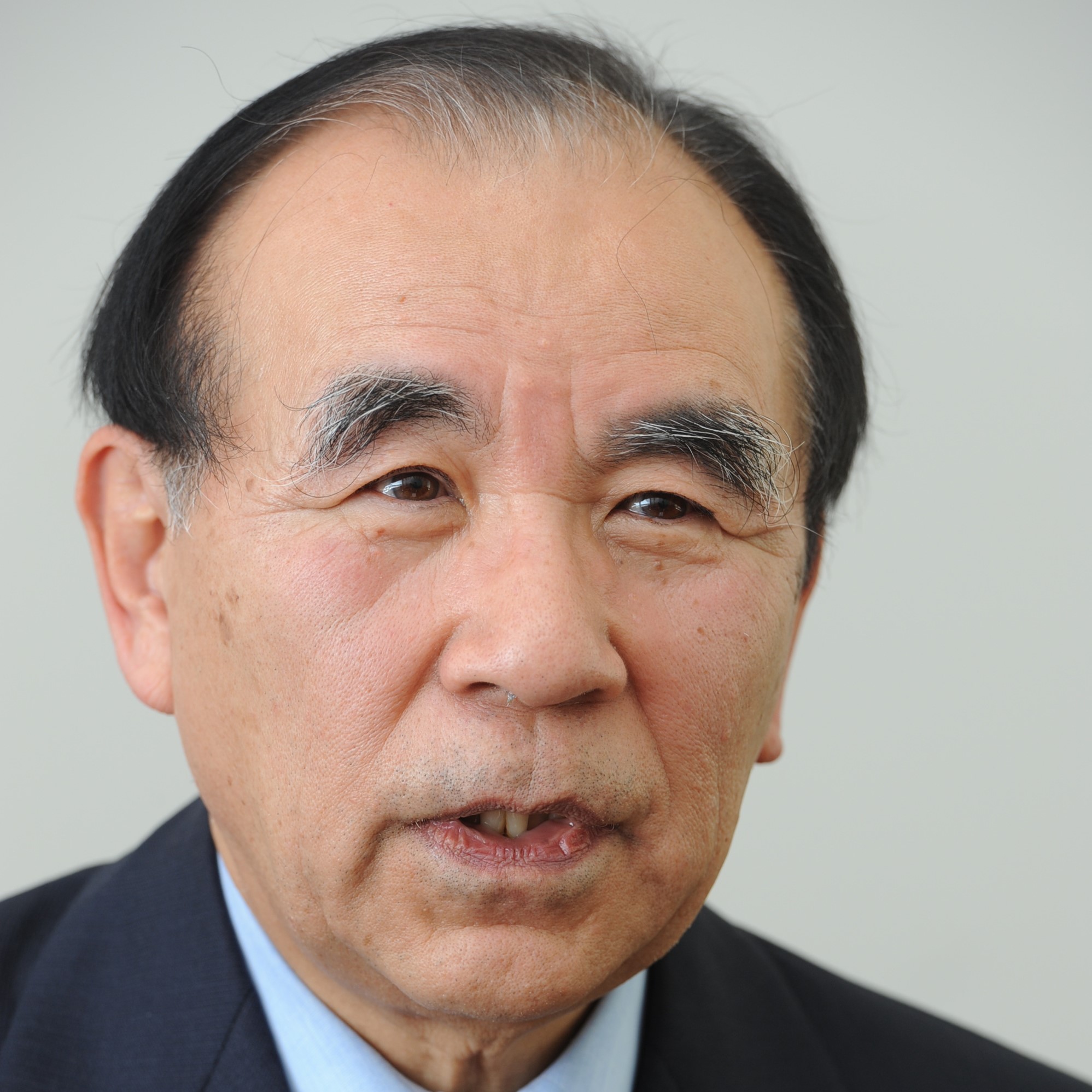 Osamu Nishi
 Tadashi Saito
 Koji Okamoto
 Yumiko Nishimoto
 Tsutomu Toichi
 Kichinosuke Ihara
 Nobuyuki Sato
 Tadashi Ito
 Rikiwo Shikama
 Satoshi Hirano
 Sukehiro Hirakawa
 Lee Woo Young
 Toshu Noguchi
 Eriko Yamatani
 Koh Sekai
 Hideaki Karaki
 Yasuyuki Takai
 Koichi Furusho
 Taro Yayama
 Hisashi Matsumoto
 Katsuya Tsukamoto
 Seiichi Okutomi
 Tomoko Seo
 Akinaka Senzaki
 Hiroshi Ito
 Yen-Hung Lin
 Ryoichi Hamamoto
 Andrii Gurenko
 Saburo Tsukamoto
 Katsutoshi Kawano
 Kazuto Suzuki
 Kevin Maher
 Tomohisa Takei
 Sanae Takaichi
 Yang Yi
 Haruhisa Nakagawa
 Norihide Miyoshi
 Koichi Mera
 Satoshi Tomisaka
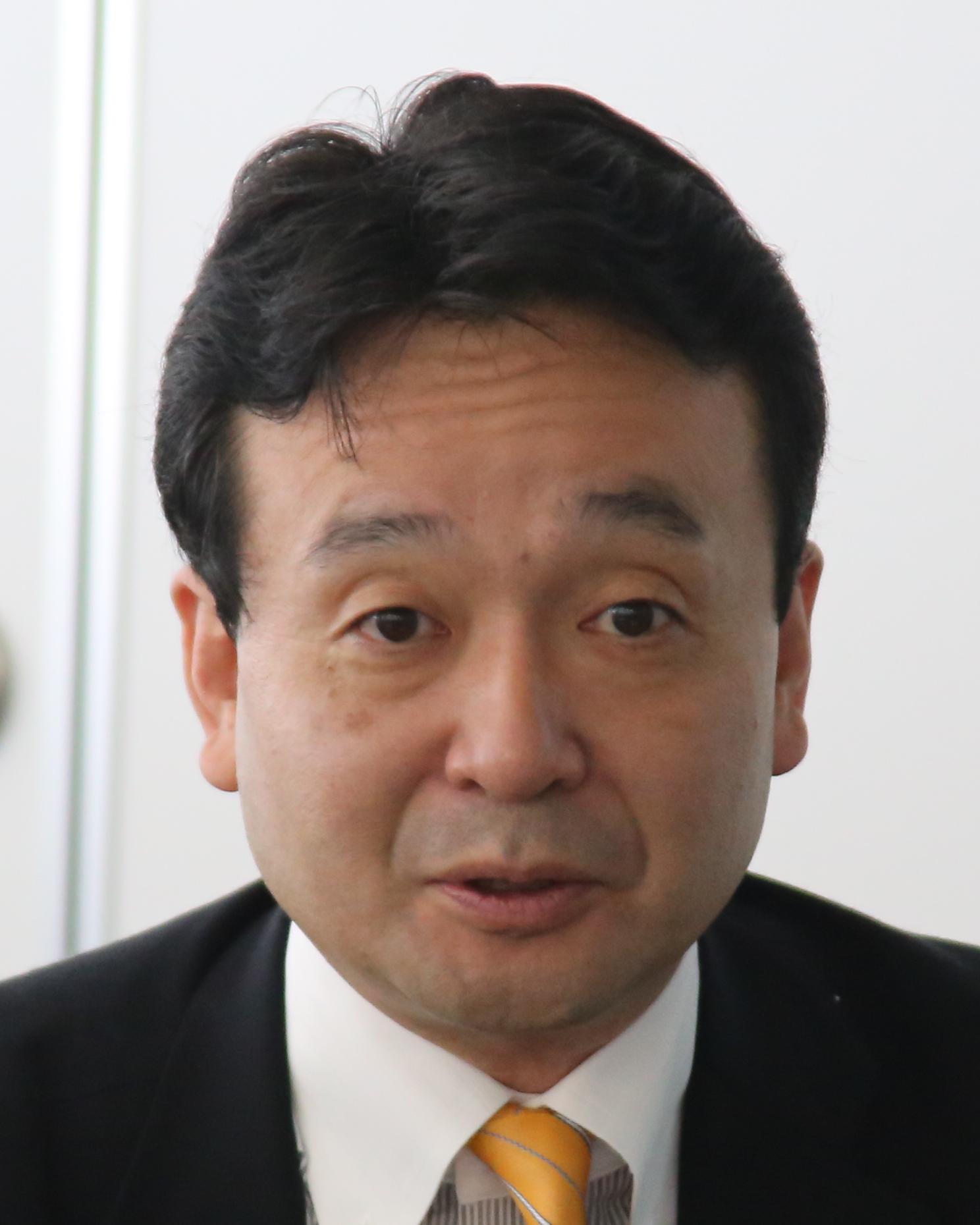 Kazuhiko Inoue
 Akihisa Nagashima
 Mio Sugita
 Hong Hyung
 Keiichi Nakagawa
 Miki Kase
 Ronald Morse
 Yasuo Naito
 Toshio Watanabe
 Eitaro Ogawa
 Nobukatsu Fujioka
 Rupakjyoti Borah
 Satoshi Sakakibara
 Syunichi Akasofu
 Masamori Sase
 Chung Dae Kyun
 Hirotaka Watanabe
 Masanori Kondo
 Hidetake Sawa