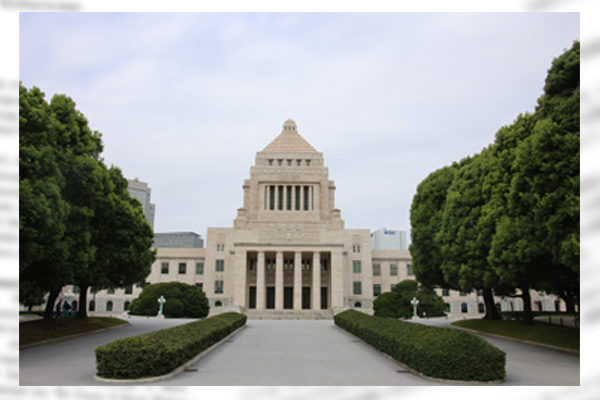
The House of Representatives election was officially announced on January 27, with voting and ballot counting to take place on February 8. It is desirable for forces advocating constitutional amendment and stronger deterrence to gain seats in the election to promptly respond to what is widely described as the most severe international situation since the end of World War II.
Ambiguity marks opposition’s key policies
Prime Minister and the ruling Liberal Democratic Party leader Sanae Takaichi argues that strong public confidence in her administration is essential to break away from a practice of formulating an annual government budget on the premise of a supplementary budget and restore “Japanese diplomacy at the center of the world.”
The Centrist Reform Alliance (CRA), a new party created by the Constitutional Democratic Party of Japan, the largest opposition group, and the Komeito party, the LDP’s former coalition partner, has reversed the CDP’s basic policies of abolishing what it called “unconstitutional parts” of the national security legislation and eliminating nuclear power plants. The new party can be said to have launched realistic national security and energy policies to make a change of government possible. While the reversal itself is desirable, the CRA has not clarified whether it would accept the limited exercise of the right of collective self-defense under the national security legislation, and left some of its candidates describing their ultimate goals include eliminating nuclear power plants.
Furthermore, although the party says it places the Japan–U.S. alliance at the center of its policy, its leadership has fallen short of clarifying whether to support the long-delayed relocation of the U.S. Marine Corps Futenma Air Station to Camp Schwab in Henoko, Okinawa. CRA Co-Secretary-General Jun Azumi said, “It is not realistic to stop the relocation,” while CRA co-leader Yoshihiko Noda said, “We are cautious.”
Former Komeito leader Natsuo Yamaguchi had criticized the 2009-2012 Democratic Party of Japan government, which included many CDP members, as the “nightmare of failure.” The inconsistent remarks by the CRA leadership regarding the Futenma relocation are reminiscent of the DPJ government’s confusion. With its basic policies remaining ambiguous, it is impossible to entrust the CRA with governing the country.
A strong leader is required
U.S. President Donald Trump, former German Chancellor Angela Merkel, and other foreign leaders listened to former Japanese Prime Minister Shinzo Abe not only because he had broad strategic visions such as the Free and Open Indo-Pacific, but also because he maintained a long-term, stable administration. Chinese President Xi Jinping and Russian President Vladimir Putin, as well as the U.S. and German leaders, would not take “weak” foreign leaders seriously.
In building Japan’s future relations with the United States and China, it is essential for pro‑constitutional revision forces to secure more than the two-thirds majority, or 310 seats, in the House of Representatives, the threshold required to initiate constitutional amendments. Having gained public confidence, these forces should give top priority to amending Article 9 of the constitution to clarify the Self‑Defense Forces as constitutional.
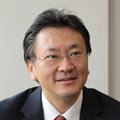
Takashi Arimoto is a Planning Committee member at the Japan Institute for National Fundamentals and a columnist at the Sankei Shimbun newspaper.
 Tsutomu Nishioka
 Tadae Takubo
 Fumio Ota
 Yoshiko Sakurai
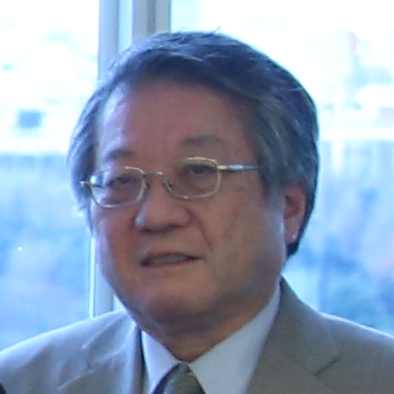 Yasushi Tomiyama
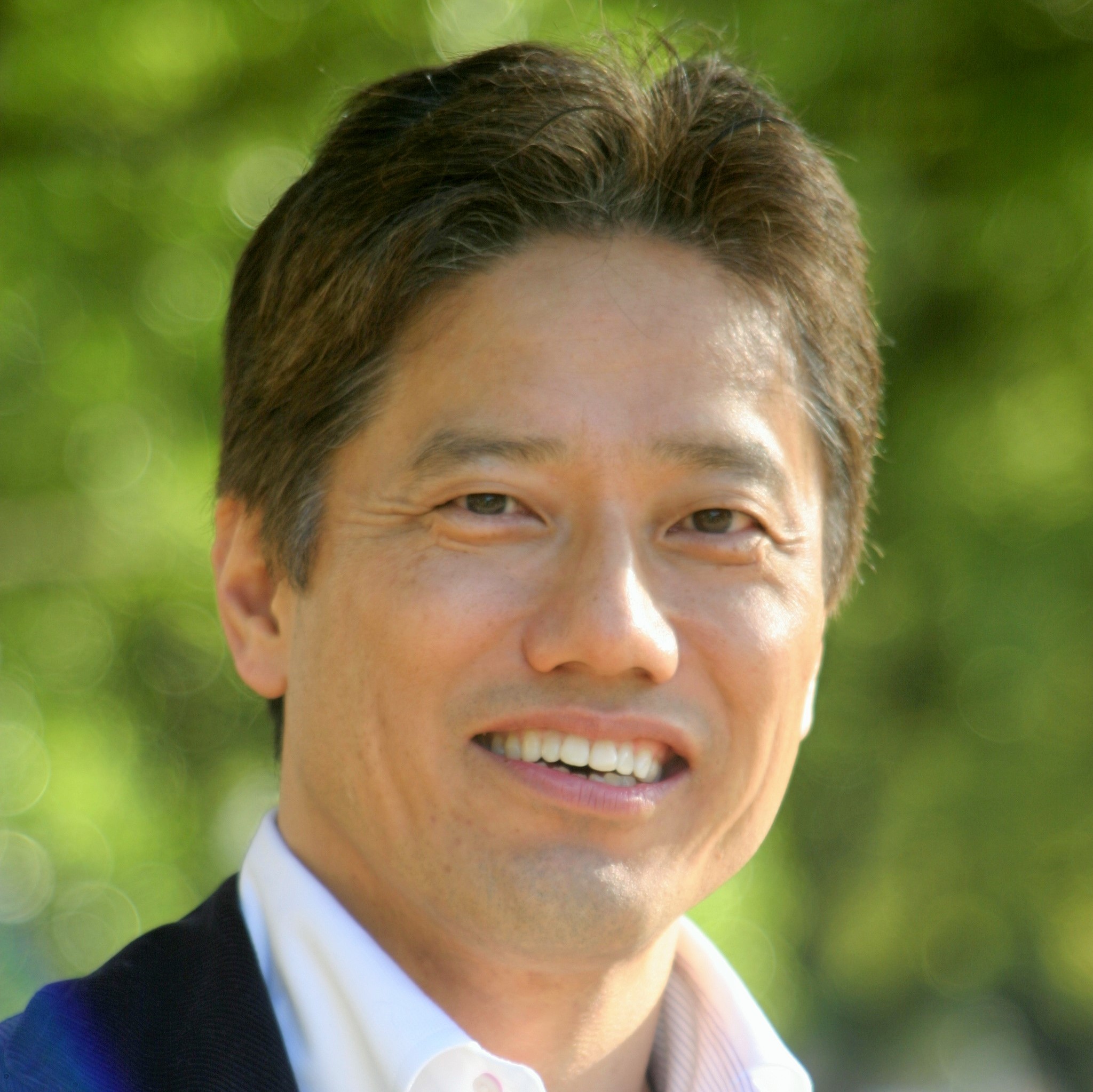 Masahiko Hosokawa
 Yoichi Shimada
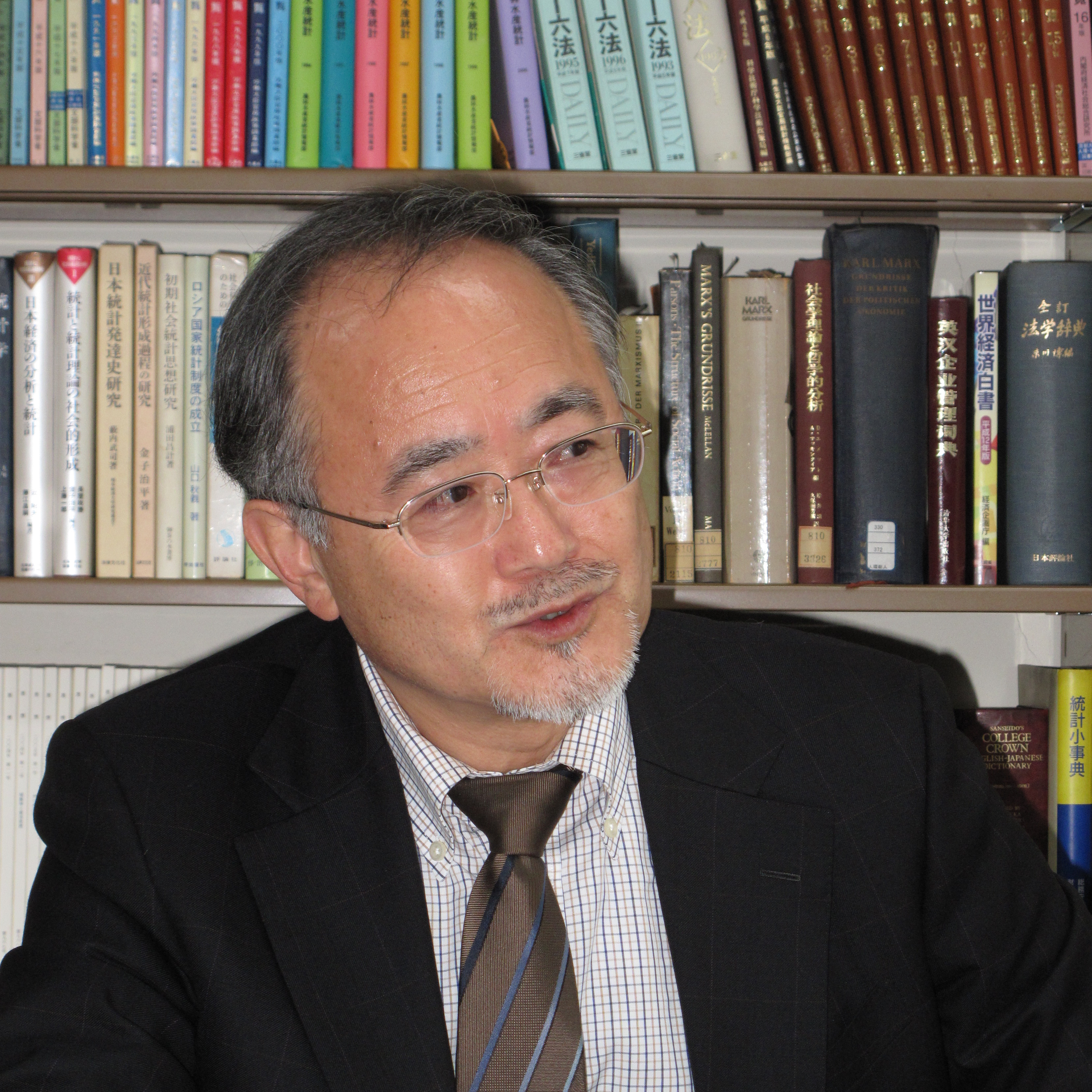 Hiroshi Yuasa
 Tadashi Narabayashi
 Hideo Tamura
 Kiyofumi Iwata
 Kunio Orita
 Maki Nakagawa
 Etsuro Honda
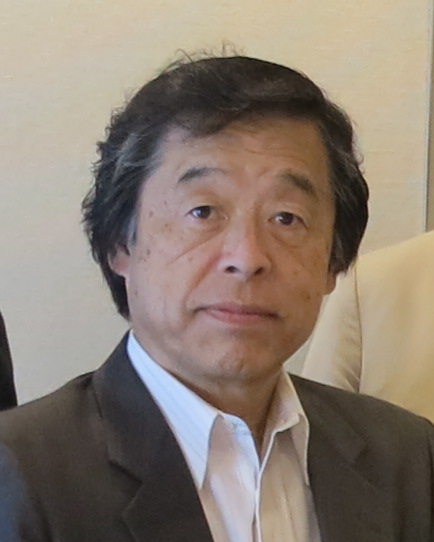 Yujiro Oiwa
 Shiro Takahashi
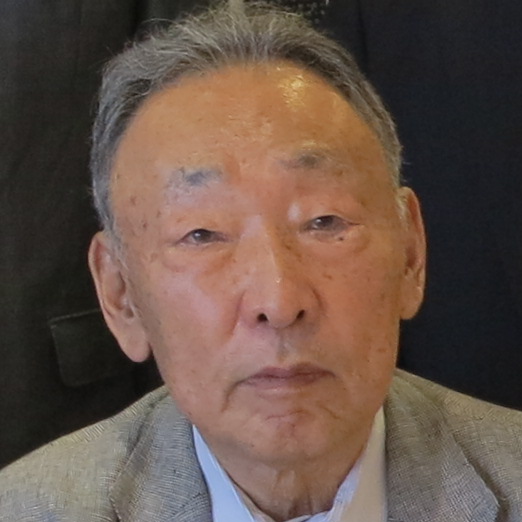 Hironobu Ishikawa
 Katsuhiko Takaike
 Michio Ezaki
 Akira Momochi
 Yoshihiko Yamada
 Akio Yaita
 Seiji Kurosawa
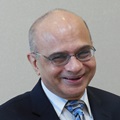 Brahma Chellaney
 Koichi Endo
 Nobuko Araki
 James Auer
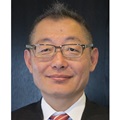 Yang Haiying
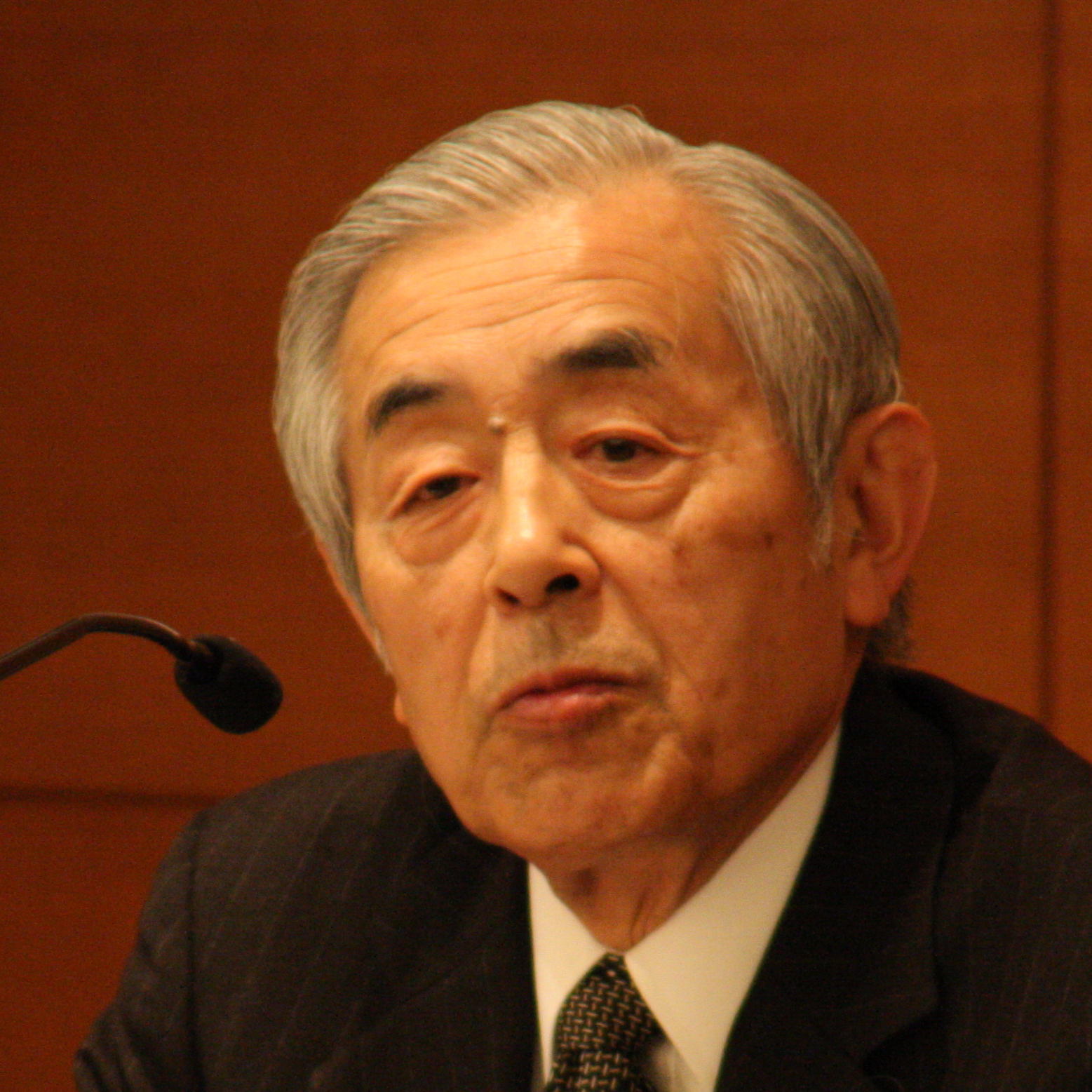 Hiroshi Kimura
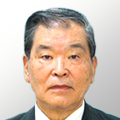 Sumihiko Kawamura
 Arvind Gupta
 Shohei Umezawa
 Koko Kato
 Takeshi Kudo
 Jason Morgan
 Kenro Nagoshi
 Tadashi Saito
 Osamu Nishi
 Hisashi Matsumoto
 Tsutomu Toichi
 Kichinosuke Ihara
 Nobuyuki Sato
 Yumiko Nishimoto
 Toshu Noguchi
 Satoshi Hirano
 Hideaki Karaki
 Koji Okamoto
 Tadashi Ito
 Eriko Yamatani
 Lee Woo Young
 Rikiwo Shikama
 Sukehiro Hirakawa
 Taro Yayama
 Yasuyuki Takai
 Koh Sekai
 Koichi Furusho
 Sanae Takaichi
 Satoshi Tomisaka
 Yen-Hung Lin
 Ryoichi Hamamoto
 Andrii Gurenko
 Katsutoshi Kawano
 Kazuto Suzuki
 Kevin Maher
 Miki Kase
 Akihisa Nagashima
 Ronald Morse
 Hidetake Sawa
 Yang Yi
 Keiichi Nakagawa
 Seiichi Okutomi
 Haruhisa Nakagawa
 Hong Hyung
 Mio Sugita
 Tomohisa Takei
 Rupakjyoti Borah
 Masamori Sase
 Chung Dae Kyun
 Hirotaka Watanabe
 Masanori Kondo
 Koichi Mera
 Syunichi Akasofu
 Satoshi Sakakibara
 Hiroshi Ito
 Toshio Watanabe
 Nobukatsu Fujioka
 Eitaro Ogawa
 Saburo Tsukamoto
 Kazuhiko Inoue
 Norihide Miyoshi
 Yasuo Naito
 Katsuya Tsukamoto
 Akinaka Senzaki