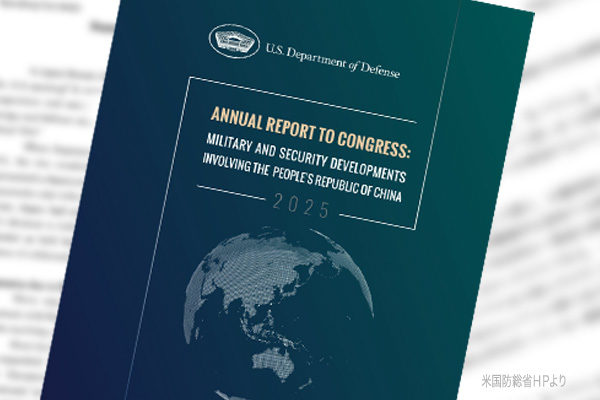
The U.S. Defense Department’s annual report on Chinese military and security developments submitted to Congress late last year heightened a sense of urgency regarding a Taiwan contingency further and sounded a strong alarm about Japan’s national security awareness.
Qualitative change in U.S. threat perception
It is particularly significant that the report specified the Chinese People’s Liberation Army’s goal of acquiring capabilities to achieve “strategic decisive victory” over Taiwan by 2027. The previous annual report had positioned 2027 simply as a “benchmark” in capacity building to accelerate military modernization and only indirectly referred to an invasion of Taiwan. However, this year’s report made clear the specific operational goal of achieving victory in the invasion of Taiwan in 2027. This means that China has shifted its 2027 posture from a phase of quantitative force buildup to one of qualitative preparations for an invasion.
While almost halving the number of pages to 100, the latest Pentagon report increased descriptions of Chinese military exercises and actions. This indicates a strong U.S. sense of caution that Chinese military exercises have gone beyond the demonstration of strength and transitioned to an actual combat phase.
Taiwan’s 2025 National Defense Report in October issued a similar warning, while China’s PLA Daily on October 6 emphasized its capabilities to immediately switch from training to real war. The stronger these capabilities are, the lower the psychological and military hurdles for President Xi Jinping when deciding to invade Taiwan.
Serious concerns on low‑yield nukes and capabilities to blockade South China Sea
In this regard, Japan should pay special attention to Chinese nuclear forces and the South China Sea. The Pentagon report pointed to a possible progress in the development of low‑yield nuclear weapons of less than 10 kilotons. Low‑yield nuclear weapons lower the threshold for using them, making nuclear use a realistic option in a Taiwan contingency.
In Japan late last year, moves to block discussions on nuclear deterrence were seen over an off-the-record remark by a senior official at the Prime Minister’s Office that “Japan should possess nuclear weapons.” However, Japan can no longer avoid direct discussions on nuclear deterrence.
The Pentagon report also pointed to progress in China’s efforts to militarize the South China Sea. The sea should be considered under China’s de facto control. It is not unexpected that important sea lanes for the passage of about 40% of Japan’s trade volume and about 80% of Japan’s crude oil imports will be blocked in the event of an emergency. Japan has come to the stage where it needs to rebuild its national strategy on the premise that the South China Sea will become impassable in the event of a Taiwan contingency.
Japan’s parliamentary debate over the survival-threatening situation in November revealed the opposition camp’s lack of crisis awareness regarding a Taiwan contingency. However, the year 2027 when China aims to develop capabilities to achieve a “decisive victory” in a Taiwan contingency is already one year away.
The latest Pentagon report should be taken as a warning letter rather than an analytical document. The inaction of Japan’s opposition camp, which turns a blind eye to reality, may cause a disaster in the future.
Kiyofumi Iwata is a member of the Planning Committee at the Japan Institute for National Fundamentals. Formerly, he served as Chief of Staff of the Japan Ground Self-Defense Force.
 Tsutomu Nishioka
 Tadae Takubo
 Takashi Arimoto
 Fumio Ota
 Yoshiko Sakurai
 Yasushi Tomiyama
 Masahiko Hosokawa
 Yoichi Shimada
 Hiroshi Yuasa
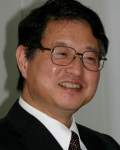 Tadashi Narabayashi
 Hideo Tamura
 Kunio Orita
 Maki Nakagawa
 Etsuro Honda
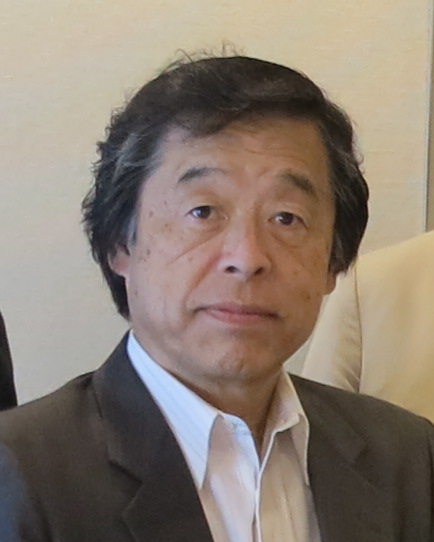 Yujiro Oiwa
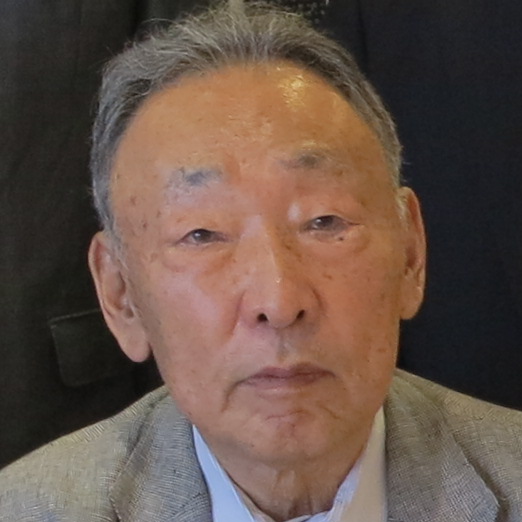 Hironobu Ishikawa
 Shiro Takahashi
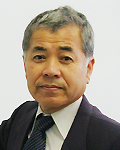 Katsuhiko Takaike
 Michio Ezaki
 Akira Momochi
 Akio Yaita
 Yoshihiko Yamada
 Seiji Kurosawa
 Koichi Endo
 Brahma Chellaney
 Nobuko Araki
 Yang Haiying
 James Auer
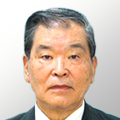 Sumihiko Kawamura
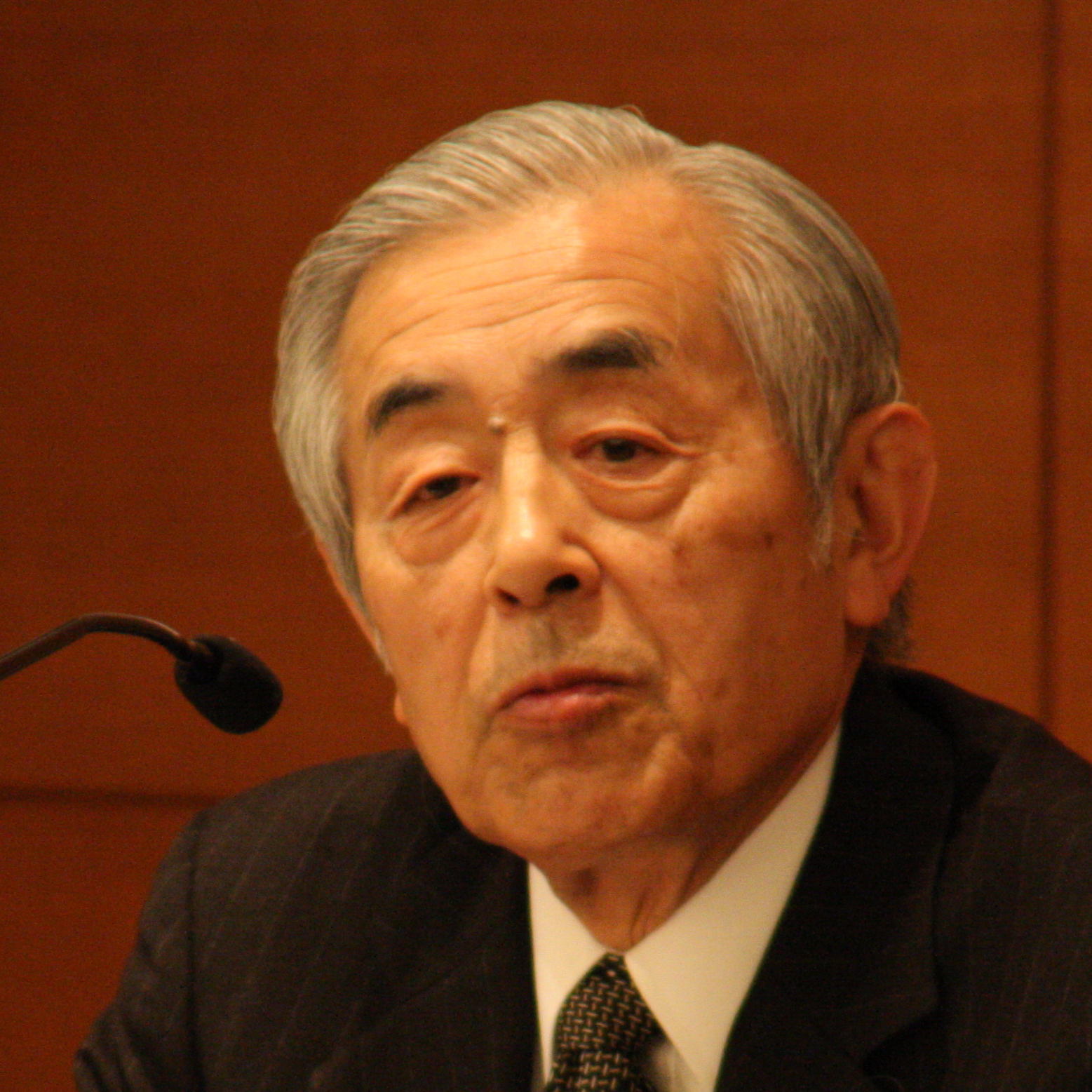 Hiroshi Kimura
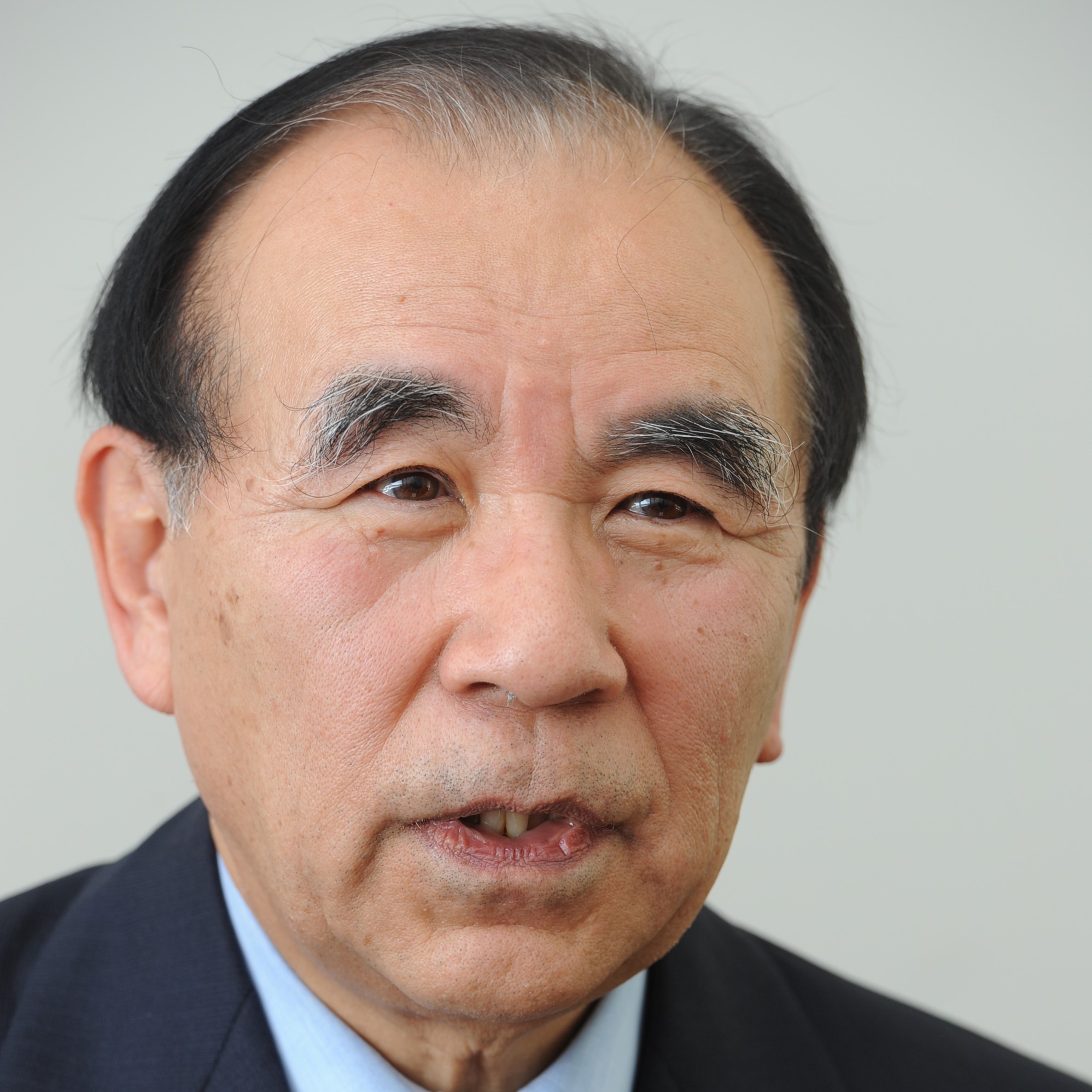 Osamu Nishi
 Koko Kato
 Tadashi Saito
 Shohei Umezawa
 Jason Morgan
 Arvind Gupta
 Kenro Nagoshi
 Takeshi Kudo
 Sukehiro Hirakawa
 Yumiko Nishimoto
 Rikiwo Shikama
 Eriko Yamatani
 Koichi Furusho
 Tadashi Ito
 Satoshi Hirano
 Lee Woo Young
 Taro Yayama
 Koh Sekai
 Koji Okamoto
 Tsutomu Toichi
 Hideaki Karaki
 Toshu Noguchi
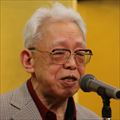 Kichinosuke Ihara
 Hisashi Matsumoto
 Yasuyuki Takai
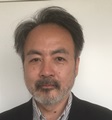 Nobuyuki Sato
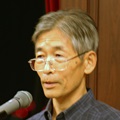 Chung Dae Kyun
 Toshio Watanabe
 Katsuya Tsukamoto
 Kazuto Suzuki
 Koichi Mera
 Akihisa Nagashima
 Miki Kase
 Eitaro Ogawa
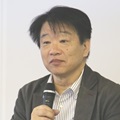 Hirotaka Watanabe
 Akinaka Senzaki
 Kevin Maher
 Yang Yi
 Hidetake Sawa
 Satoshi Tomisaka
 Nobukatsu Fujioka
 Masanori Kondo
 Hiroshi Ito
 Mio Sugita
 Rupakjyoti Borah
 Seiichi Okutomi
 Saburo Tsukamoto
 Yasuo Naito
 Satoshi Sakakibara
 Yen-Hung Lin
 Sanae Takaichi
 Haruhisa Nakagawa
 Norihide Miyoshi
 Syunichi Akasofu
 Ryoichi Hamamoto
 Hong Hyung
 Andrii Gurenko
 Ronald Morse
 Kazuhiko Inoue
 Keiichi Nakagawa
 Masamori Sase
 Katsutoshi Kawano
 Tomohisa Takei