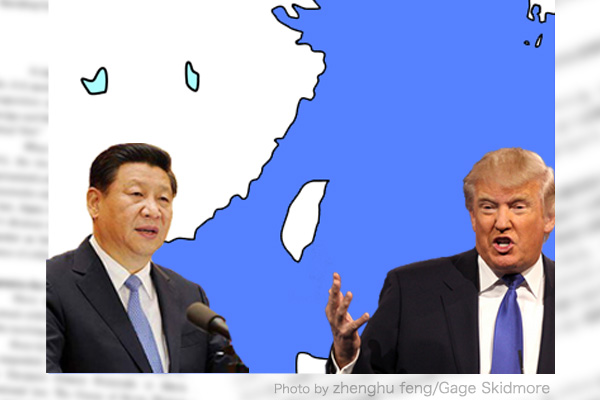
“Nothing worries me,” U.S. President Donald Trump said in commenting on China’s military exercises around Taiwan late last year. He also said, “I have a great relationship with (Chinese) President Xi (Jinping).” On China’s potential invasion of Taiwan, Trump said “I don’t believe he’s going to be doing it.”
At a time when China is testing how the United States would respond to China’s invasion of Taiwan, such appeasement remarks by Trump may encourage Beijing to see the U.S. as an easy picking and decide to invade Taiwan. It inevitably brings to mind the 1938 Munich Conference, where British and French leaders accepted Adolf Hitler’s demand for the cession of the Sudetenland from Czechoslovakia on condition that he would make no further territorial claims—an act that later became one of the factors leading to the outbreak of World War II.
U.S. has a lax perception on China
The second Trump administration’s National Security Strategy released in December clearly toned down the severity of the attitude toward China from the strategy of the first Trump administration. The U.S. Defense Department’s subsequent annual report on China’s military and security developments, though being appropriate in its substance, made me feel uncomfortable by stating in the preface that “under President Trump’s leadership, relations between the United States and China are stronger than they have been in many years.”
The latest report further said that the Pentagon would build on this progress in part by opening a wider range of military-to-military communications with the Chinese People’s Liberation Army with a focus on strategic stability as well as deconfliction and de-escalation. However, U.S.-China military-to-military communications are not new, but have been underway since the Biden presidency. It is clear that no great hopes can be placed on military-to-military communications with the PLA, in which I was involved as a senior Self-Defense Forces officer. This is because the PLA tries to take advantage of such communications for its information warfare while we intend to build bilateral confidence building measures. Any authoritarian country abuses external military-to-military communications for its own military purposes.
We should coolly watch China’s capabilities and intentions. In fact, China has been enhancing military capabilities unlimitedly, while President Xi has not given up his intention to reunify Taiwan.
Important April U.S.-China summit
The main reason why North Korea decided to invade South Korea in the Korean War in 1950 was that then U.S. Secretary of State Dean Acheson excluded South Korea from the U.S. defense line, leading North Korea to misunderstand that the U.S. had no intention of defending South Korea. The U.S. should not repeat such mistake.
Asked about U.S. responses to China’s possible invasion of Taiwan, former U.S. President Joe Biden explicitly stated or indicated the U.S.’ use of military force on five occasions. In responding to a similar question, President Trump has vowed to raise tariffs on China to 200% without mentioning the use of force. China is closely watching U.S. leaders’ statements. A clear statement that does not lead China to misunderstand U.S. intentions will be required at a U.S.-China summit meeting scheduled for April.
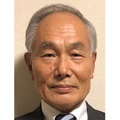
Fumio Ota is a senior fellow and a Planning Committee member at the Japan Institute for National Fundamentals. He is a retired Vice Admiral of the Japan Maritime Self-Defense Force.
 Tsutomu Nishioka
 Takashi Arimoto
 Tadae Takubo
 Yoshiko Sakurai
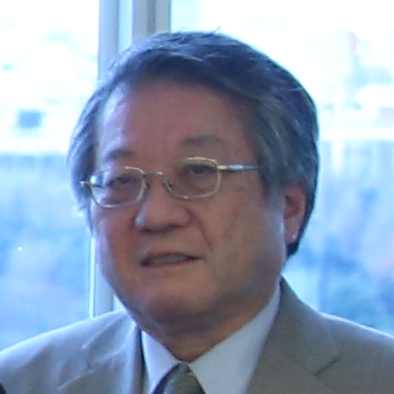 Yasushi Tomiyama
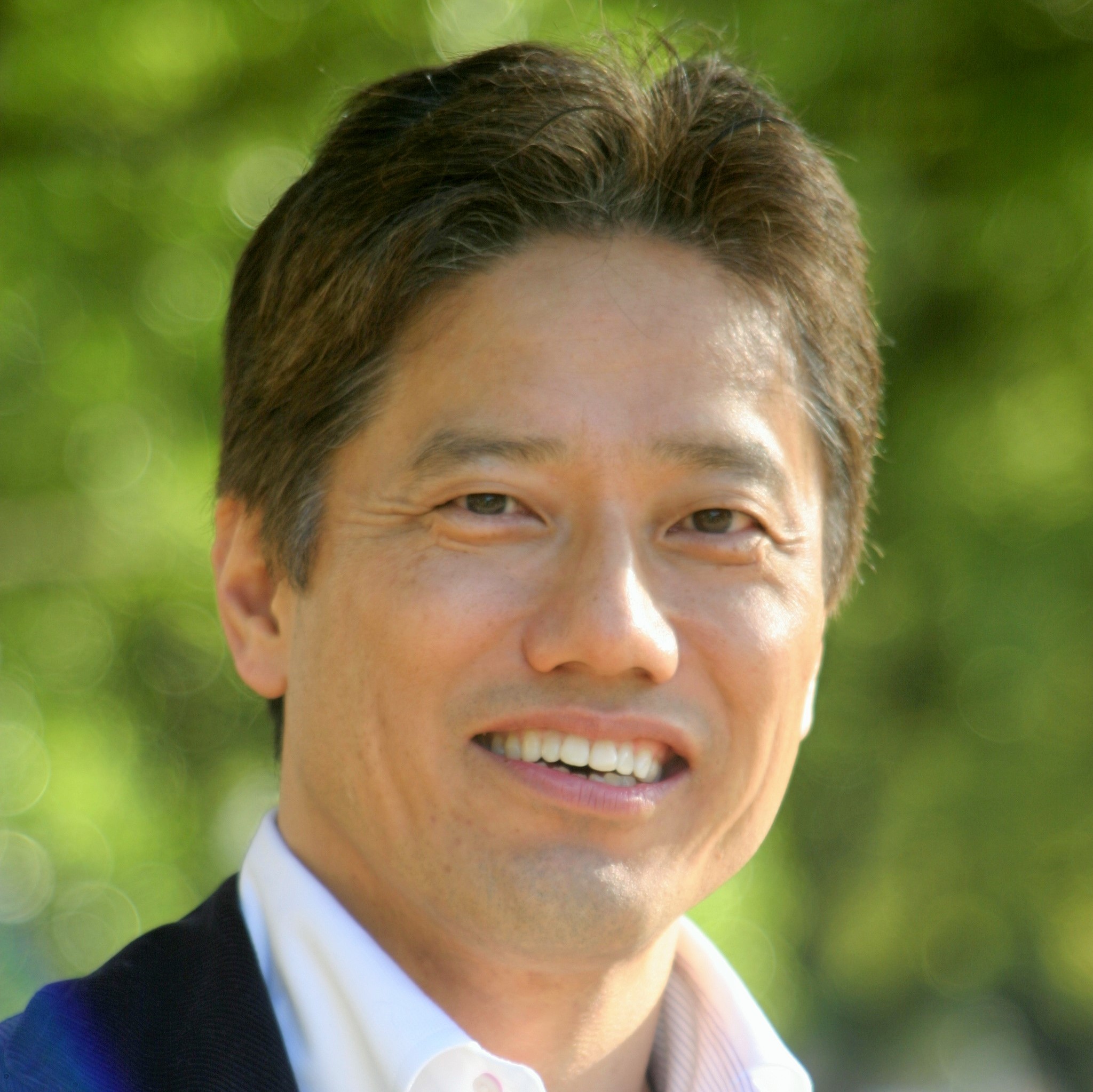 Masahiko Hosokawa
 Yoichi Shimada
 Hiroshi Yuasa
 Tadashi Narabayashi
 Hideo Tamura
 Kiyofumi Iwata
 Kunio Orita
 Maki Nakagawa
 Etsuro Honda
 Yujiro Oiwa
 Hironobu Ishikawa
 Shiro Takahashi
 Katsuhiko Takaike
 Michio Ezaki
 Akira Momochi
 Akio Yaita
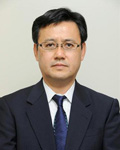 Yoshihiko Yamada
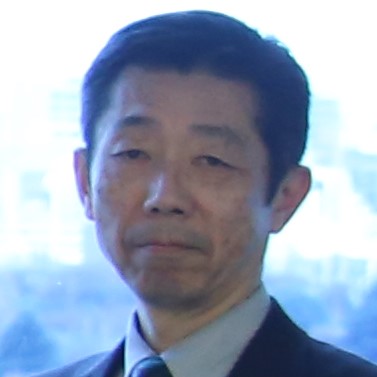 Seiji Kurosawa
 Koichi Endo
 Brahma Chellaney
 Nobuko Araki
 Yang Haiying
 James Auer
 Sumihiko Kawamura
 Hiroshi Kimura
 Osamu Nishi
 Koko Kato
 Tadashi Saito
 Shohei Umezawa
 Jason Morgan
 Arvind Gupta
 Kenro Nagoshi
 Takeshi Kudo
 Sukehiro Hirakawa
 Yumiko Nishimoto
 Rikiwo Shikama
 Eriko Yamatani
 Koichi Furusho
 Tadashi Ito
 Satoshi Hirano
 Lee Woo Young
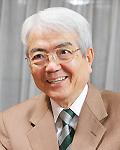 Taro Yayama
 Koh Sekai
 Koji Okamoto
 Tsutomu Toichi
 Hideaki Karaki
 Toshu Noguchi
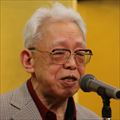 Kichinosuke Ihara
 Hisashi Matsumoto
 Yasuyuki Takai
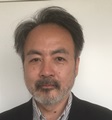 Nobuyuki Sato
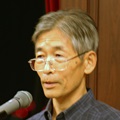 Chung Dae Kyun
 Toshio Watanabe
 Katsuya Tsukamoto
 Kazuto Suzuki
 Koichi Mera
 Akihisa Nagashima
 Miki Kase
 Eitaro Ogawa
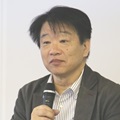 Hirotaka Watanabe
 Akinaka Senzaki
 Kevin Maher
 Yang Yi
 Hidetake Sawa
 Satoshi Tomisaka
 Nobukatsu Fujioka
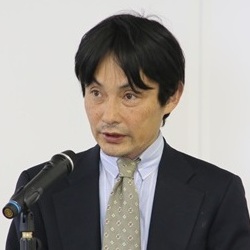 Masanori Kondo
 Hiroshi Ito
 Mio Sugita
 Rupakjyoti Borah
 Seiichi Okutomi
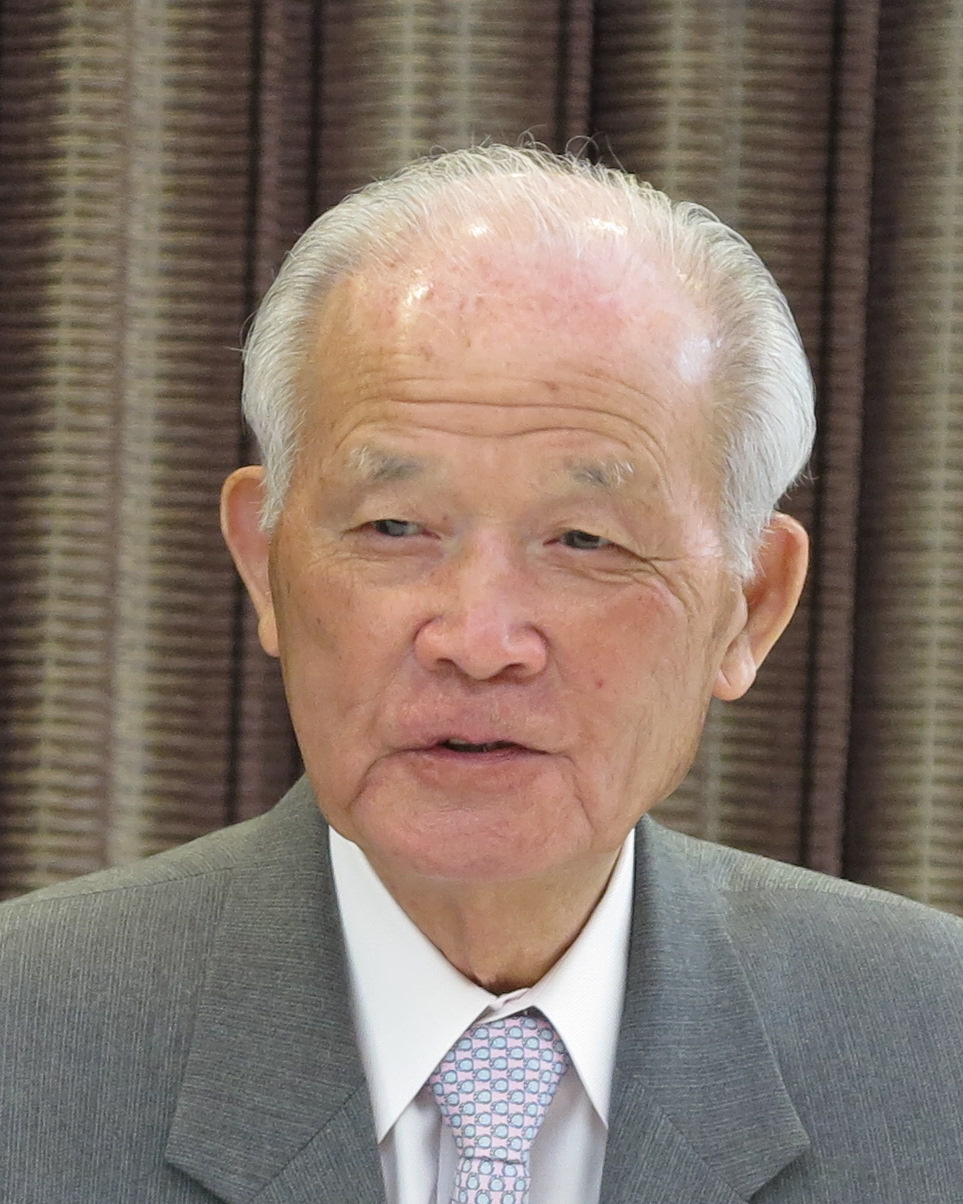 Saburo Tsukamoto
 Yasuo Naito
 Satoshi Sakakibara
 Yen-Hung Lin
 Sanae Takaichi
 Haruhisa Nakagawa
 Norihide Miyoshi
 Syunichi Akasofu
 Ryoichi Hamamoto
 Hong Hyung
 Andrii Gurenko
 Ronald Morse
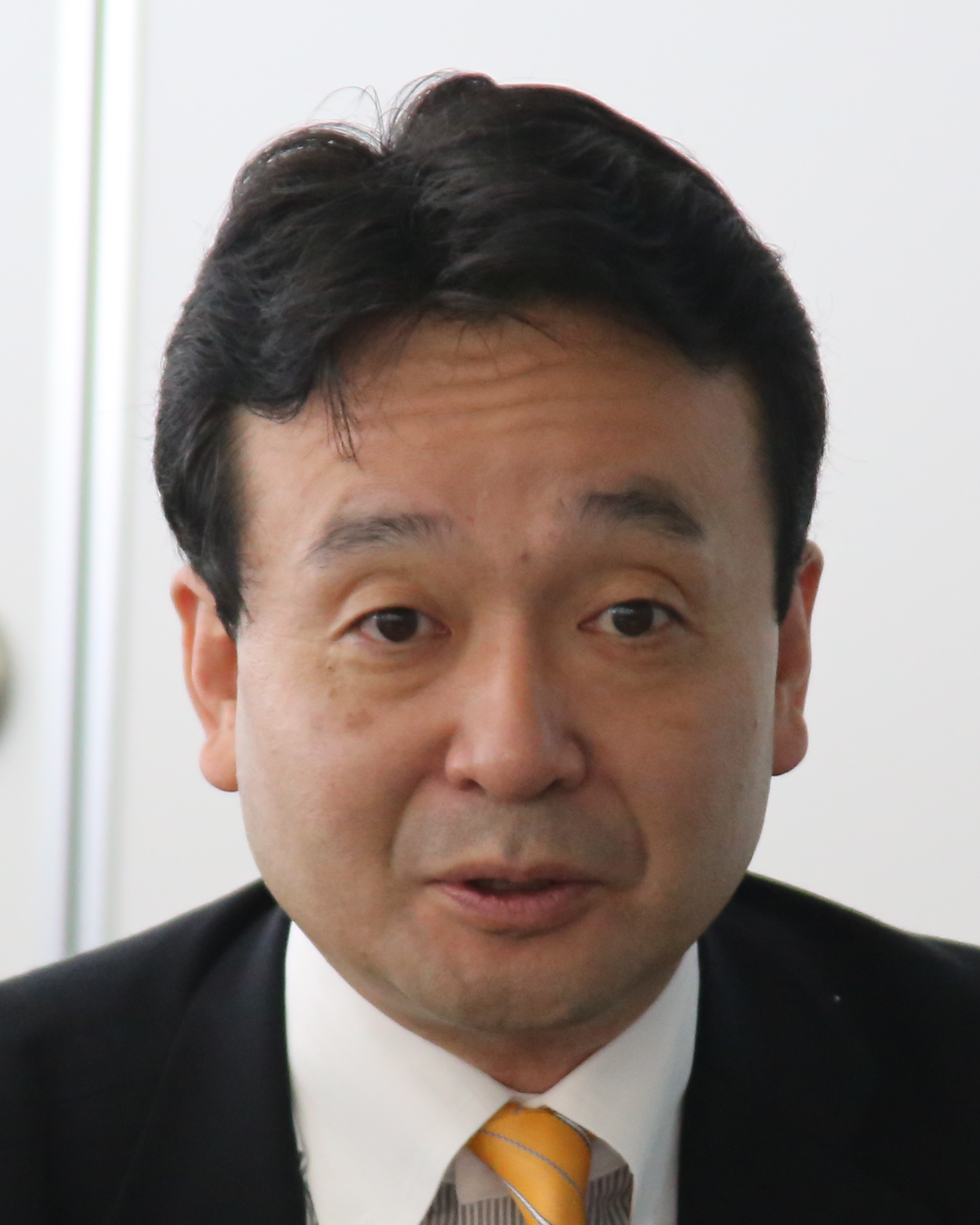 Kazuhiko Inoue
 Keiichi Nakagawa
 Masamori Sase
 Katsutoshi Kawano
 Tomohisa Takei