In 2026 that marks the 100th anniversary of the start of the Showa era (1926-1989) in Japan, nations around the world are competing with each other in the midst of turbulence. U.S. President Donald Trump’s capture of Venezuelan President Nicolas Maduro at the beginning of the year, as well as Russian President Vladimir Putin’s aggression in Ukraine and Chinese President Xi Jinping’s military intimidation against Taiwan, runs counter to the spirit of the United Nations Charter and international law as actions that threaten peace.
Taking this into account, we must recognize that it is no longer geopolitically possible to apply traditional international law to the current international community and that we have entered an age in which major powers use force to achieve their goals. Based on this fact, it is time for Japan to take a realistic policy of increasing deterrence against the Chinese Communist Party, which is the greatest threat to our country.
Honorable spirit of cooperation and inclusion
The first priority is close coordination with the Trump administration, which has announced the new National Security Strategy. The United States in the strategy vowed to establish the Western Hemisphere—centered on the Americas—as its sphere of influence to eliminate the influence of other countries, particularly China. While the U.S. blames “narco-terrorism” for its attack on Venezuela, its capture of Venezuelan President Maduro is expected to lead to eliminating the influence of China that imports 80% of Venezuelan oil production.
The U.S. security strategy emphasizes Taiwan as a base to prevent China from advancing to the second island chain (from the Ogasawara Islands to Guam). This is a welcome direction for Japan. The fates of Japan and Taiwan overlap. Japan is responsible for making unprecedented defense buildup efforts to strengthen defense capabilities for the first island chain (from Japan to the Philippines via Taiwan) in cooperation with the U.S., the Philippines, South Korea, and others.
And with that in mind, we should take pride in recognizing that, in the presence of the three powers that shape the world—the U.S., China, and Russia—our nation’s character and the values that sustain it will surely contribute to a better future for humanity. To that end, Japan must present its own path, one distinctly different from those of these countries.
Prime Minister Sanae Takaichi, who claims to inherit the late former Prime Minister Shinzo Abe’s policies, should be aware of how Abe’s Free and Open Indo-Pacific and Trans-Pacific Partnership initiatives were widely open and deeply resonated with other countries. Japan listens to the voices of various people, ethnic groups, and countries and moved forward while embracing those forces that share its values. Japan’s spirit of cooperation and inclusion began with the 17-article constitution of Prince Shotoku more than 1,400 years ago. The time has come for Japan to preach and spread its values or national character maintained throughout the long history to the international community as its national strategy.
Winning information war with China
This will override China’s information warfare tactics that aim to degrade Japan. Since Prime Minister Takaichi’s remarks on a Taiwan contingency on November 7, the Chinese Communist Party has groundlessly criticized Japan for reviving militarism and failing to reflect on the past war of aggression, trying to isolate Japan on the United Nations stage.
Sending out to the world stories that demonstrate Japan’s national character based on its history is not simply designed to win the information war with China. Letting the U.S. know Japan’s true values will pave the way for a better bilateral alliance. In the year marking the 100th anniversary of the start of the Showa era and the 250th anniversary of the founding of the U.S., Japan should move forward by emphasizing its long-standing national character so that it can shine in a way that is most true to itself.
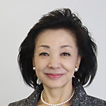
Yoshiko Sakurai is President, Japan Institute for National Fundamentals.
 Tsutomu Nishioka
 Takashi Arimoto
 Tadae Takubo
 Fumio Ota
 Yasushi Tomiyama
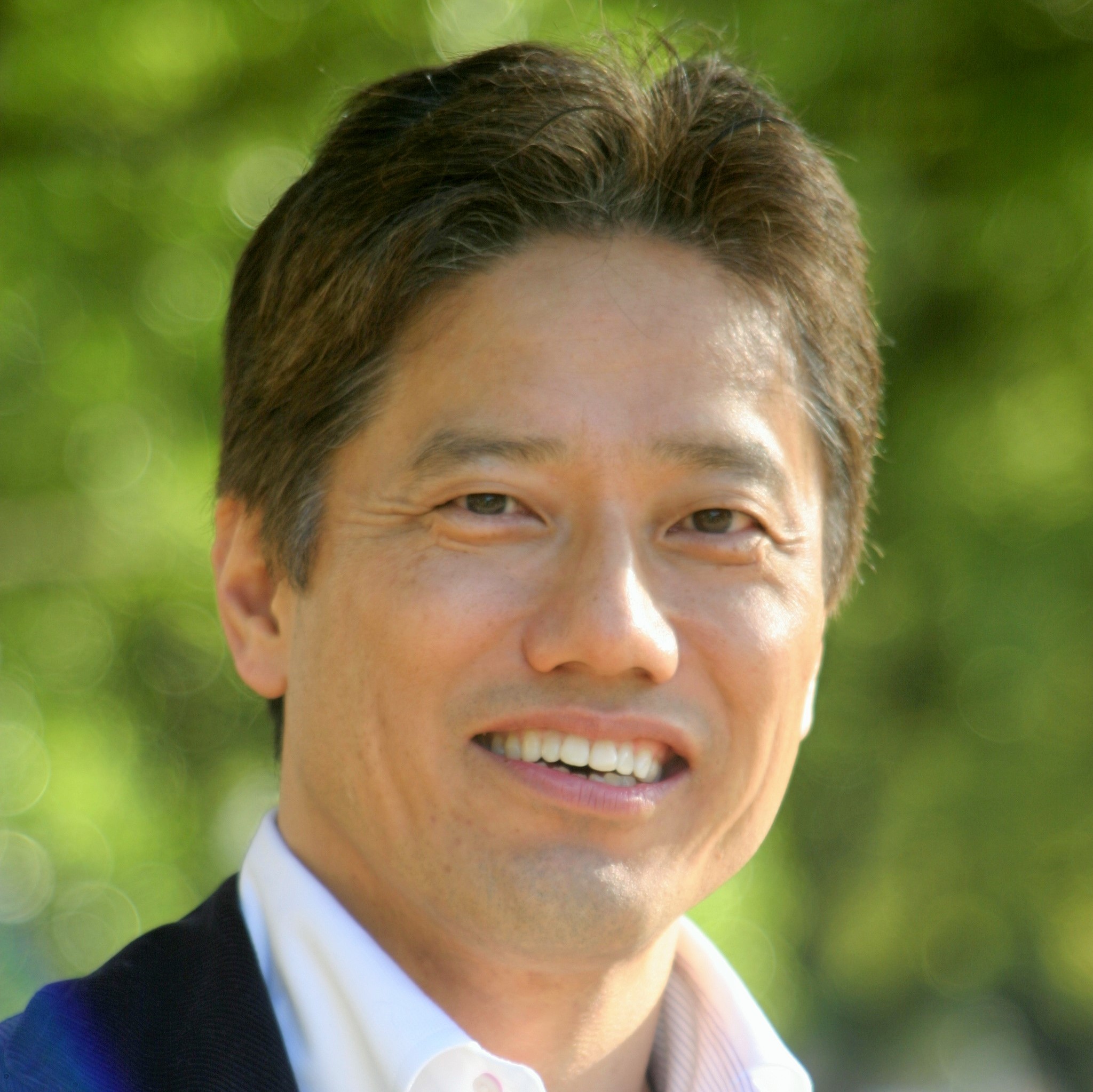 Masahiko Hosokawa
 Yoichi Shimada
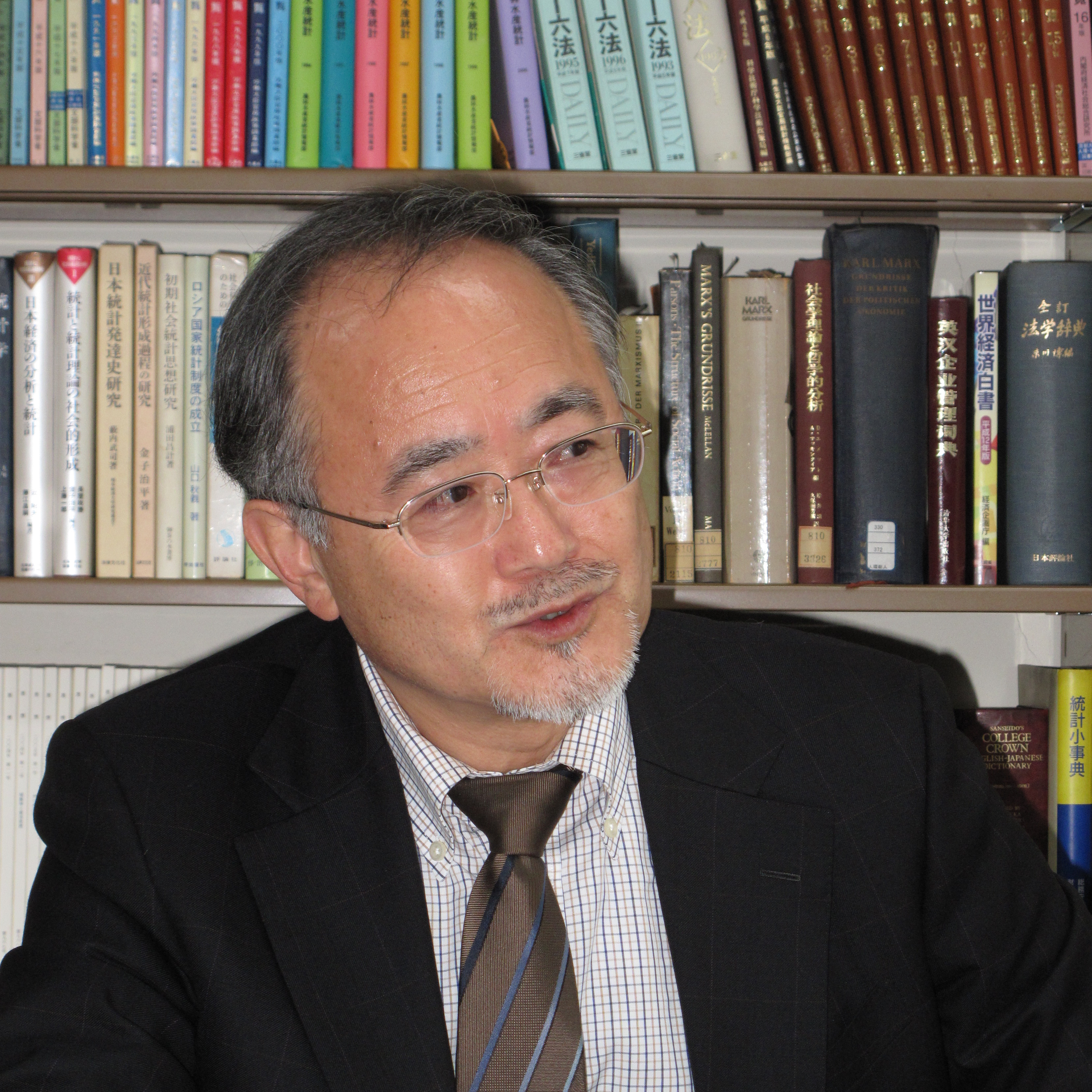 Hiroshi Yuasa
 Tadashi Narabayashi
 Hideo Tamura
 Kiyofumi Iwata
 Kunio Orita
 Maki Nakagawa
 Etsuro Honda
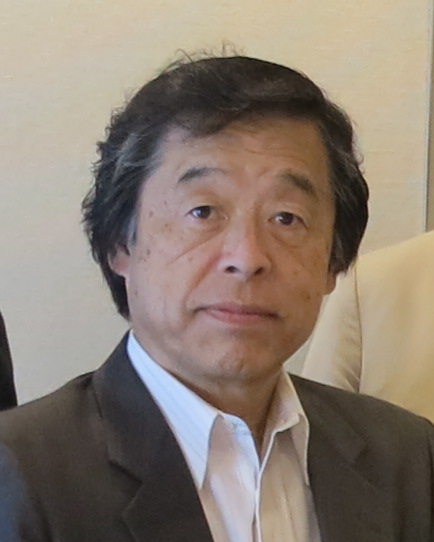 Yujiro Oiwa
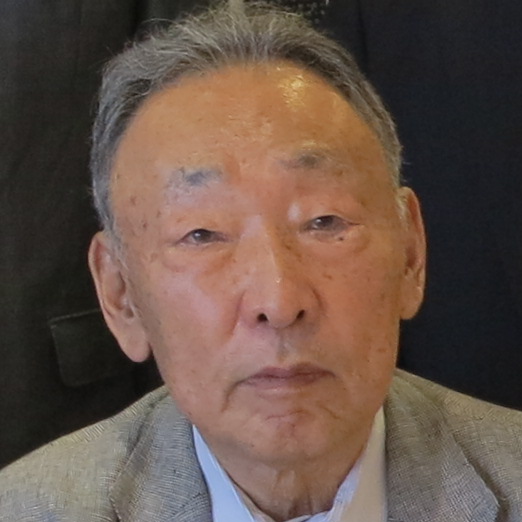 Hironobu Ishikawa
 Shiro Takahashi
 Katsuhiko Takaike
 Michio Ezaki
 Akira Momochi
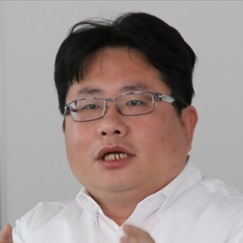 Akio Yaita
 Yoshihiko Yamada
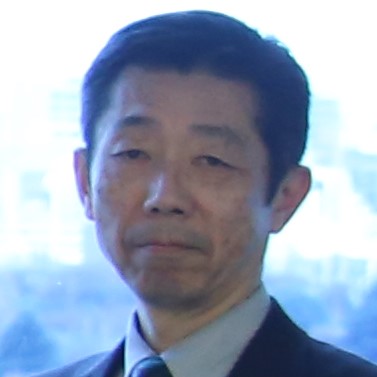 Seiji Kurosawa
 Koichi Endo
 Brahma Chellaney
 Nobuko Araki
 Yang Haiying
 James Auer
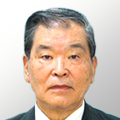 Sumihiko Kawamura
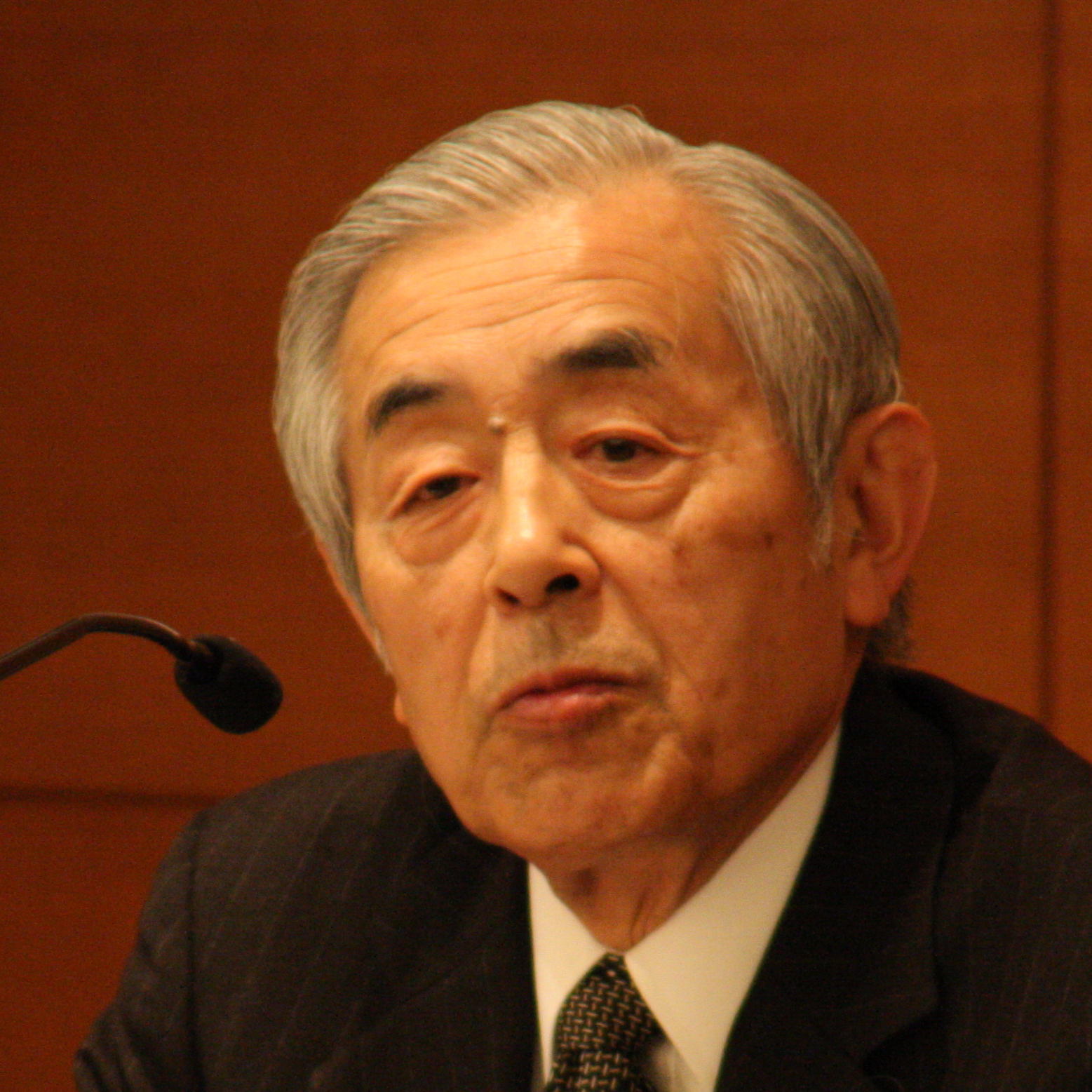 Hiroshi Kimura
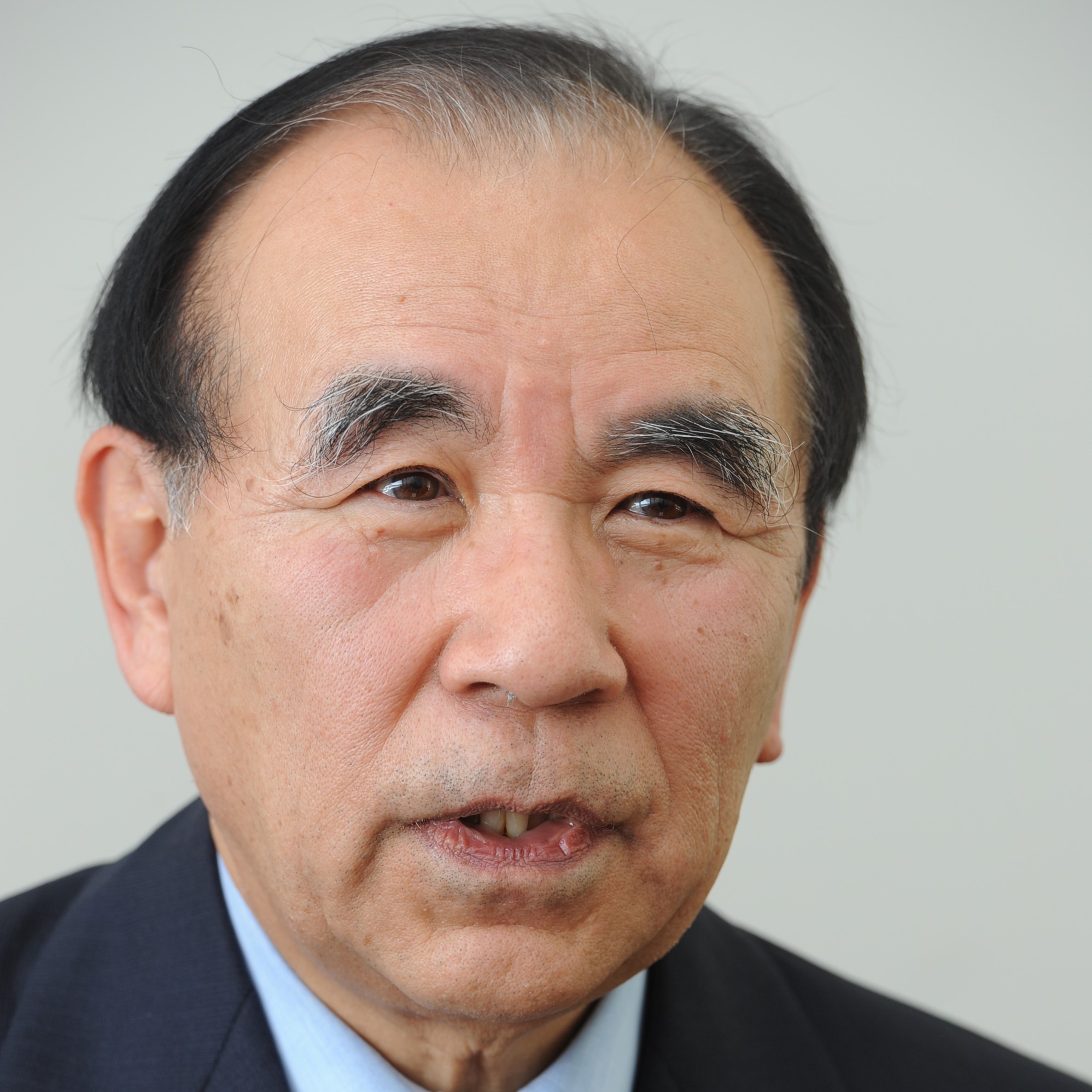 Osamu Nishi
 Koko Kato
 Tadashi Saito
 Shohei Umezawa
 Jason Morgan
 Arvind Gupta
 Kenro Nagoshi
 Takeshi Kudo
 Sukehiro Hirakawa
 Yumiko Nishimoto
 Rikiwo Shikama
 Eriko Yamatani
 Koichi Furusho
 Tadashi Ito
 Satoshi Hirano
 Lee Woo Young
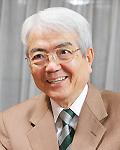 Taro Yayama
 Koh Sekai
 Koji Okamoto
 Tsutomu Toichi
 Hideaki Karaki
 Toshu Noguchi
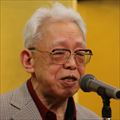 Kichinosuke Ihara
 Hisashi Matsumoto
 Yasuyuki Takai
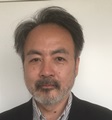 Nobuyuki Sato
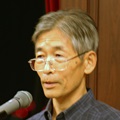 Chung Dae Kyun
 Toshio Watanabe
 Katsuya Tsukamoto
 Kazuto Suzuki
 Koichi Mera
 Akihisa Nagashima
 Miki Kase
 Eitaro Ogawa
 Hirotaka Watanabe
 Akinaka Senzaki
 Kevin Maher
 Yang Yi
 Hidetake Sawa
 Satoshi Tomisaka
 Nobukatsu Fujioka
 Masanori Kondo
 Hiroshi Ito
 Mio Sugita
 Rupakjyoti Borah
 Seiichi Okutomi
 Saburo Tsukamoto
 Yasuo Naito
 Satoshi Sakakibara
 Yen-Hung Lin
 Sanae Takaichi
 Haruhisa Nakagawa
 Norihide Miyoshi
 Syunichi Akasofu
 Ryoichi Hamamoto
 Hong Hyung
 Andrii Gurenko
 Ronald Morse
 Kazuhiko Inoue
 Keiichi Nakagawa
 Masamori Sase
 Katsutoshi Kawano
 Tomohisa Takei