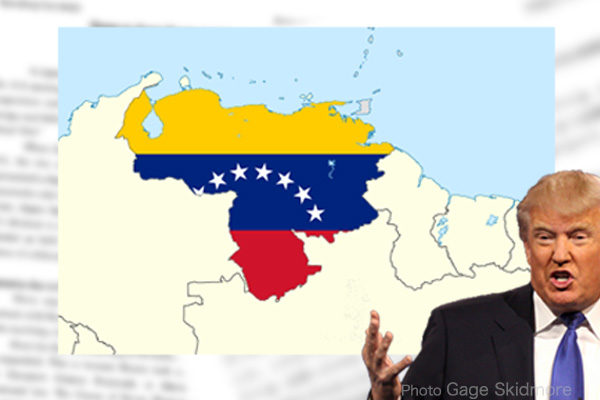
On January 3, the United States launched a military attack on Venezuela, capturing Venezuelan President Nicolás Maduro and his wife and taking them to New York. The Trump administration does not recognize Maduro as president, claiming that Venezuela’s presidential elections were fraudulent. The first Trump administration had recognized then National Assembly Speaker Juan Guaidó as interim president. U.S. President Donald Trump pressured Maduro to resign for his involvement in drug smuggling, hinting at military intervention and ordering strikes against drug-carrying ships since last September.
Perfectly successful U.S. surprise attack
The military attack, though its legitimacy under international law appears questionable, was a perfectly successful “decapitation operation”—a mission to capture an enemy leader—in order to try Maduro as a criminal in the U.S.
In the early morning of January 3, about 150 U.S. military aircraft from 20 nearby bases carried out a surprise attack and secured air supremacy before the Delta Force special-operations unit was inserted by helicopter. The operation ended with the Maduro couple captured and transferred to an offshore amphibious assault ship. The purpose of the operation was to capture Maduro unharmed. U.S. troops withdrew immediately after accomplishing the purpose. There were no casualties on the U.S. side. It was a perfect joint operation by the Army, Navy, Air force, and intelligence agencies.
According to media reports, rehearsals were repeated at a training ground that was faithfully replicated the target area. The surprise attack succeeded without any prior information leakage, and despite the darkness of night, there was no friendly fire. It was a spectacular decapitation operation.
Green light to China’s detention of Taiwanese President?
Some say that the display of U.S. military capabilities might have made a Chinese invasion of Taiwan more difficult. However, I believe that the U.S. military attack on Venezuela has lowered the barriers to the invasion.
The latest operation was carried out on a relatively small scale and was conducted close to the U.S. mainland. As Taiwan is far away from the U.S. mainland, the U.S. would have to move troops on a large scale in the event of a Taiwan contingency. If China, which has a geographical advantage, carries out a surprise attack on Taiwan, it will be difficult for the U.S. to respond effectively.
China’s operation to “decapitate” Taiwanese President Lai Chingte has already been under planning. Satellite photos show that China has constructed a building modeled after Taiwan’s Presidential Office in the Inner Mongolia Autonomous Region and conducted rehearsals for the operation.
The Trump administration’s decapitation operation against Maduro may have effectively given China a green light to conduct a similar operation against Lai. Moreover, it would be difficult for the Trump administration to raise objections to such a Chinese law-enforcement operation in Taiwan, which China claims as part of its territory, and which would be different from the latest U.S. attack on a foreign country.
If China detains Lai and spreads false information that he has defected to the U.S., Taiwan may face a debacle. This constitutes China’s cognitive warfare. Considering that the U.S. military operation has lowered the barriers to a potential Chinese invasion of Taiwan, we should be more vigilant.
Kunio Orita is a member of the JINF Planning Committee and a special professor at Reitaku University. He is a retired Lieutenant General of the Japan Air Self-Defense Force.
 Tsutomu Nishioka
 Tadae Takubo
 Takashi Arimoto
 Fumio Ota
 Yoshiko Sakurai
 Yasushi Tomiyama
 Masahiko Hosokawa
 Yoichi Shimada
 Hiroshi Yuasa
 Tadashi Narabayashi
 Hideo Tamura
 Kiyofumi Iwata
 Maki Nakagawa
 Etsuro Honda
 Yujiro Oiwa
 Hironobu Ishikawa
 Shiro Takahashi
 Katsuhiko Takaike
 Michio Ezaki
 Akira Momochi
 Akio Yaita
 Yoshihiko Yamada
 Seiji Kurosawa
 Koichi Endo
 Brahma Chellaney
 Nobuko Araki
 Yang Haiying
 James Auer
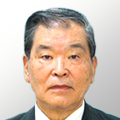 Sumihiko Kawamura
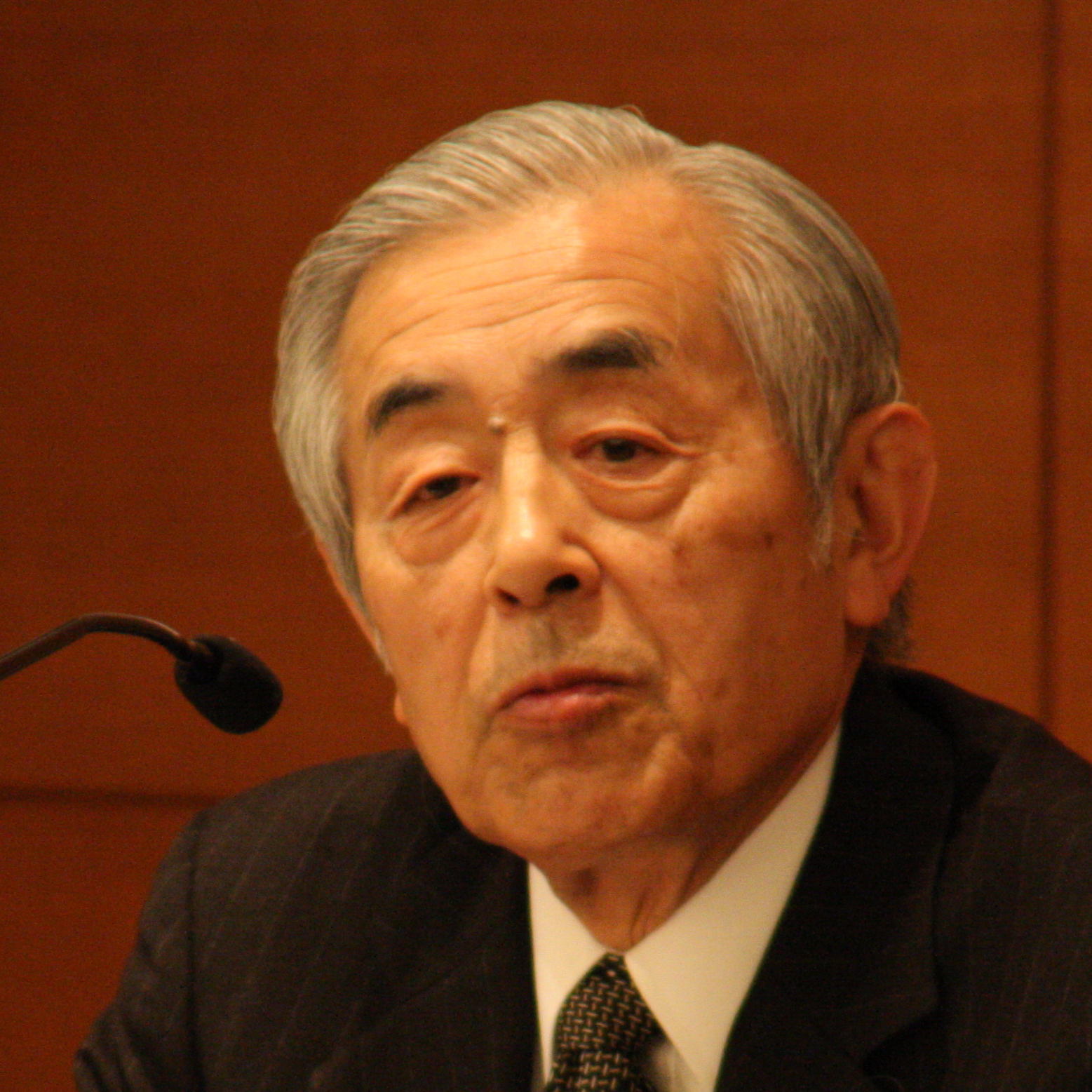 Hiroshi Kimura
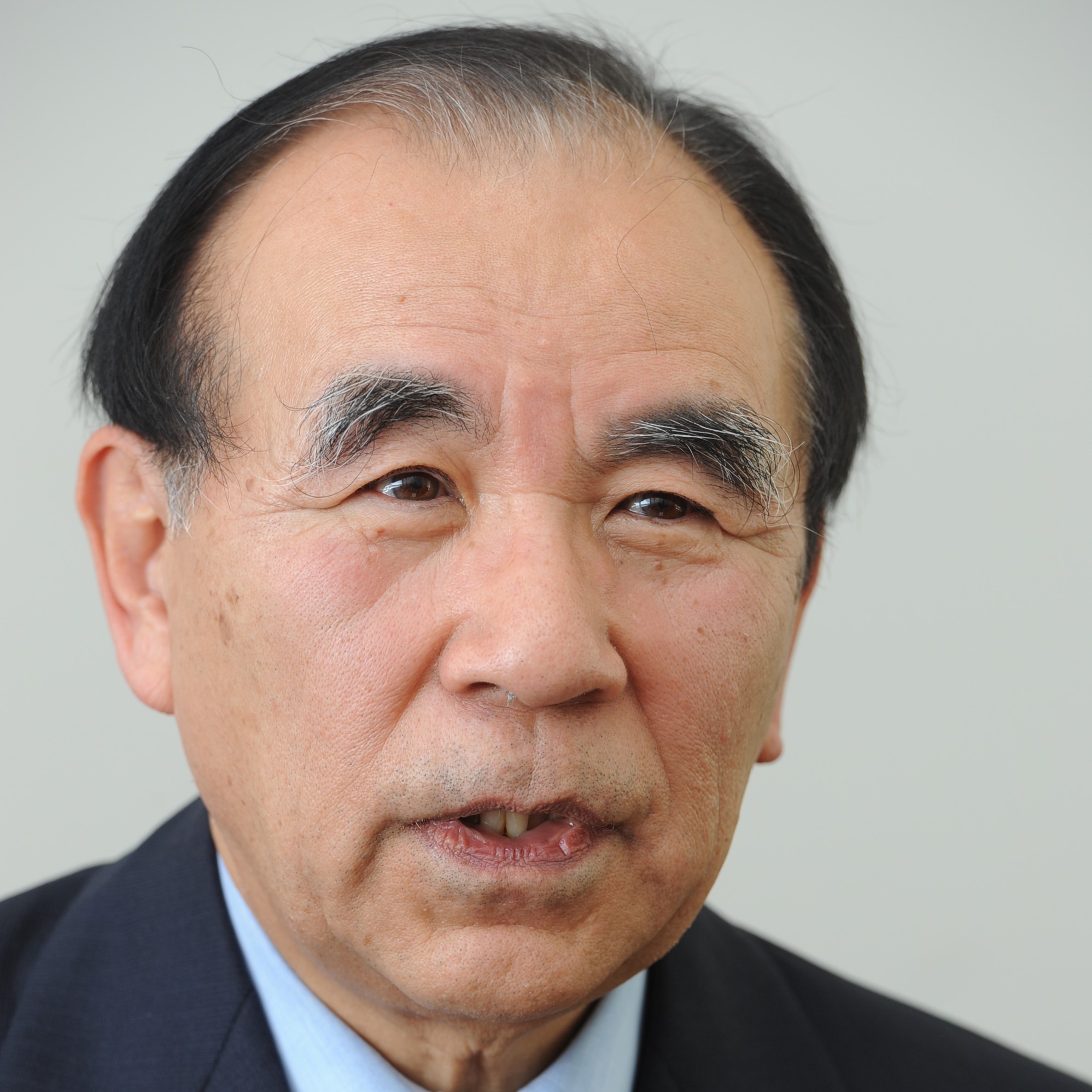 Osamu Nishi
 Koko Kato
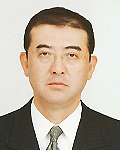 Tadashi Saito
 Shohei Umezawa
 Jason Morgan
 Arvind Gupta
 Kenro Nagoshi
 Takeshi Kudo
 Sukehiro Hirakawa
 Yumiko Nishimoto
 Rikiwo Shikama
 Eriko Yamatani
 Koichi Furusho
 Tadashi Ito
 Satoshi Hirano
 Lee Woo Young
 Taro Yayama
 Koh Sekai
 Koji Okamoto
 Tsutomu Toichi
 Hideaki Karaki
 Toshu Noguchi
 Kichinosuke Ihara
 Hisashi Matsumoto
 Yasuyuki Takai
 Nobuyuki Sato
 Chung Dae Kyun
 Toshio Watanabe
 Katsuya Tsukamoto
 Kazuto Suzuki
 Koichi Mera
 Akihisa Nagashima
 Miki Kase
 Eitaro Ogawa
 Hirotaka Watanabe
 Akinaka Senzaki
 Kevin Maher
 Yang Yi
 Hidetake Sawa
 Satoshi Tomisaka
 Nobukatsu Fujioka
 Masanori Kondo
 Hiroshi Ito
 Mio Sugita
 Rupakjyoti Borah
 Seiichi Okutomi
 Saburo Tsukamoto
 Yasuo Naito
 Satoshi Sakakibara
 Yen-Hung Lin
 Sanae Takaichi
 Haruhisa Nakagawa
 Norihide Miyoshi
 Syunichi Akasofu
 Ryoichi Hamamoto
 Hong Hyung
 Andrii Gurenko
 Ronald Morse
 Kazuhiko Inoue
 Keiichi Nakagawa
 Masamori Sase
 Katsutoshi Kawano
 Tomohisa Takei