Prime Minister Sanae Takaichi, who also serves as the President of the ruling Liberal Democratic Party, intends to draw up a proposal for constitutional amendments by next year’s LDP convention. However, it will be difficult for the LDP to build consensus with its coalition partner, the Japan Innovation Party. Regarding the amendment of Article 9, the LDP has put forward a proposal to explicitly stipulate the existing Self-Defense Forces, while the JIP is advocating for the deletion of the second paragraph of Article 9, which prohibits the maintenance of war potential, and the creation of national defense forces. Their differences are not minor.
Should the amendment of Article 9 explicitly stipulate the Self-Defense Forces, or delete the second paragraph and create national defense forces? Amendments to the constitution must be initiated by two-thirds majority in each chamber of the National Diet. Since the LDP and JIP have not secured a simple majority in the House of Councillors, a dominant view within the LDP, according to reports, calls for adopting the proposal to stipulate the SDF, which may be easily accepted by some opposition parties including the Komeito party, the LDP’s former coalition partner.
Even under the Shinzo Abe administration backed by an overwhelming majority in the Diet, however, the debate over constitutional amendments based on the LDP proposal failed to make substantial progress. This fact is significant.
Diet Legislative Bureaus lack military expertise
The Research Commission on the Constitution was established in each of the two Diet chambers in 2000 before the Commission on the Constitution was launched in each chamber in 2011 to draft specific constitutional amendments. Although 15 years have already passed since then, even a draft amendment based on the proposal to stipulate the SDF has yet to be prepared. The reasons for the failure are not limited to some opposition parties’ objections.
At least three components must be prepared to amend Article 9. The first is a draft amendment, followed by a set of anticipated questions and answers to unify and clarify the interpretation of the article, and a legislative package to revise relevant laws such as the Act for the Establishment of the Ministry of Defense and the SDF Act.
However, the Diet Legislative Bureaus, which serve as secretariats for the Commissions on the Constitution, lack military and diplomatic expertise, while being full of legal experts. In addition, these Legislative Bureaus are not structured to draft legislative proposals in coordination with the Cabinet Secretariat’s National Security Secretariat and the Ministry of Defense, nor have they established a close working relationship with the Cabinet Legislation Bureau that is responsible for the government’s authoritative legal interpretation. As a result, it is difficult for the Diet Legislative Bureaus to prepare anticipated questions and answers based on current military challenges or to draft concrete amendment proposals for the SDF Act and other laws.
In other words, under the current system for the parliamentary Commissions on the Constitution, the Diet Legislative Bureaus, although they can handle formal tasks such as amending the wording of articles, fall short of undertaking substantive and comprehensive institutional design that reflects the increasingly severe international environment, the expertise of the government and the Ministry of Defense, and the realities of the SDF. Incidentally, the LDP Headquarters for the Realization of Constitutional Revision has only a handful of staff members and is not equipped to incorporate military expertise that meets global standards.
Establish a Cabinet Constitution Office
Therefore, if the government is to engage seriously in amending Article 9, it should establish a Constitution Office within the Cabinet to prepare a set of anticipated questions and answers and the relevant legislative package in an integrated manner while the Diet drafts the specific constitutional amendments.
Constitutional amendment is a grave undertaking related to the foundation of the nation. Japan under the parliamentary cabinet system is required to establish an institutional framework for the Diet and the Cabinet to closely cooperate in promoting effective and consistent constitutional revision.
Michio Ezaki is a member of the Planning Committee at the Japan Institute for National Fundamentals and a specially-appointed professor at Reitaku University.
 Tsutomu Nishioka
 Tadae Takubo
 Takashi Arimoto
 Fumio Ota
 Yoshiko Sakurai
 Yasushi Tomiyama
 Masahiko Hosokawa
 Yoichi Shimada
 Hiroshi Yuasa
 Tadashi Narabayashi
 Hideo Tamura
 Kiyofumi Iwata
 Kunio Orita
 Maki Nakagawa
 Etsuro Honda
 Yujiro Oiwa
 Hironobu Ishikawa
 Shiro Takahashi
 Katsuhiko Takaike
 Akira Momochi
 Akio Yaita
 Yoshihiko Yamada
 Seiji Kurosawa
 Koichi Endo
 Brahma Chellaney
 Nobuko Araki
 Yang Haiying
 James Auer
 Sumihiko Kawamura
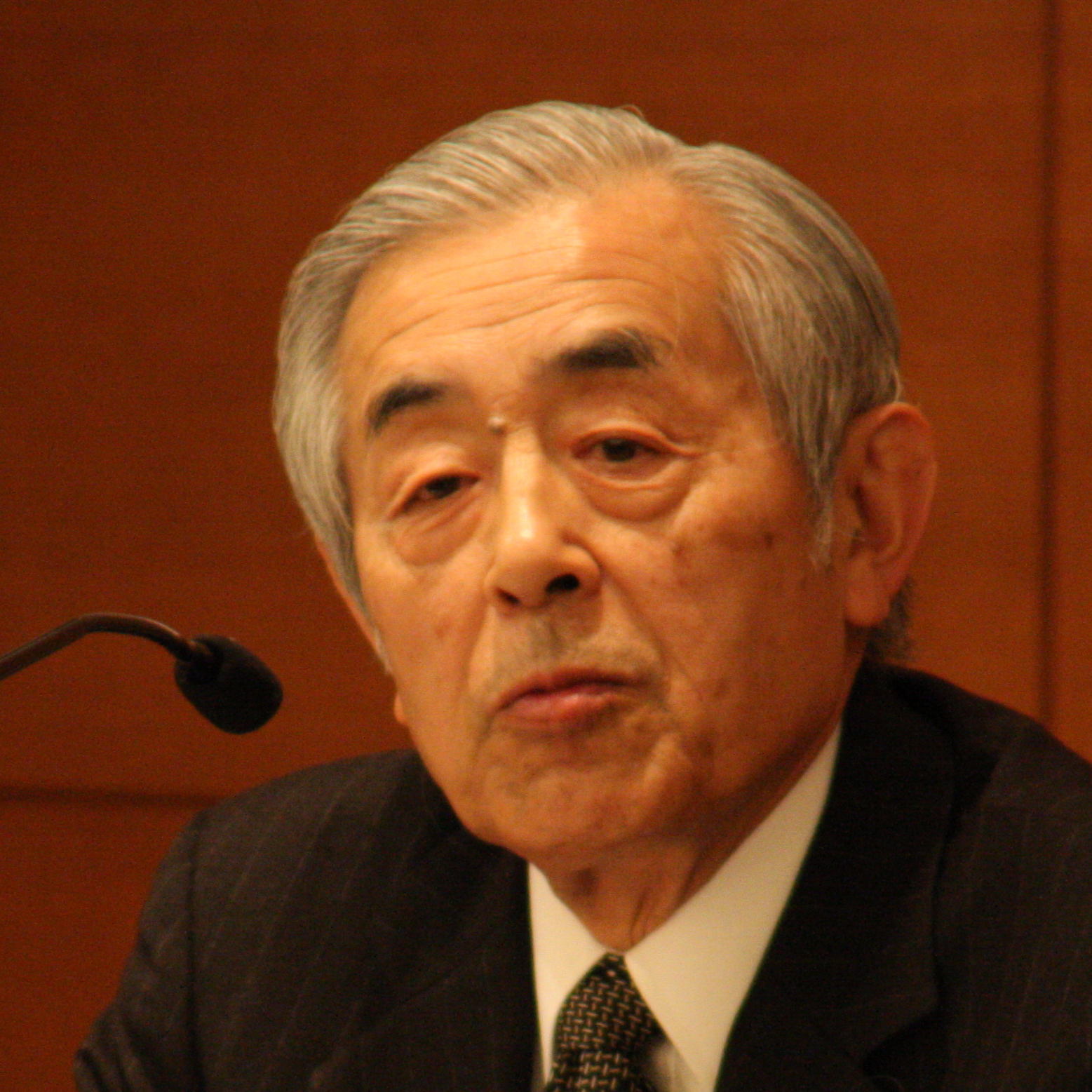 Hiroshi Kimura
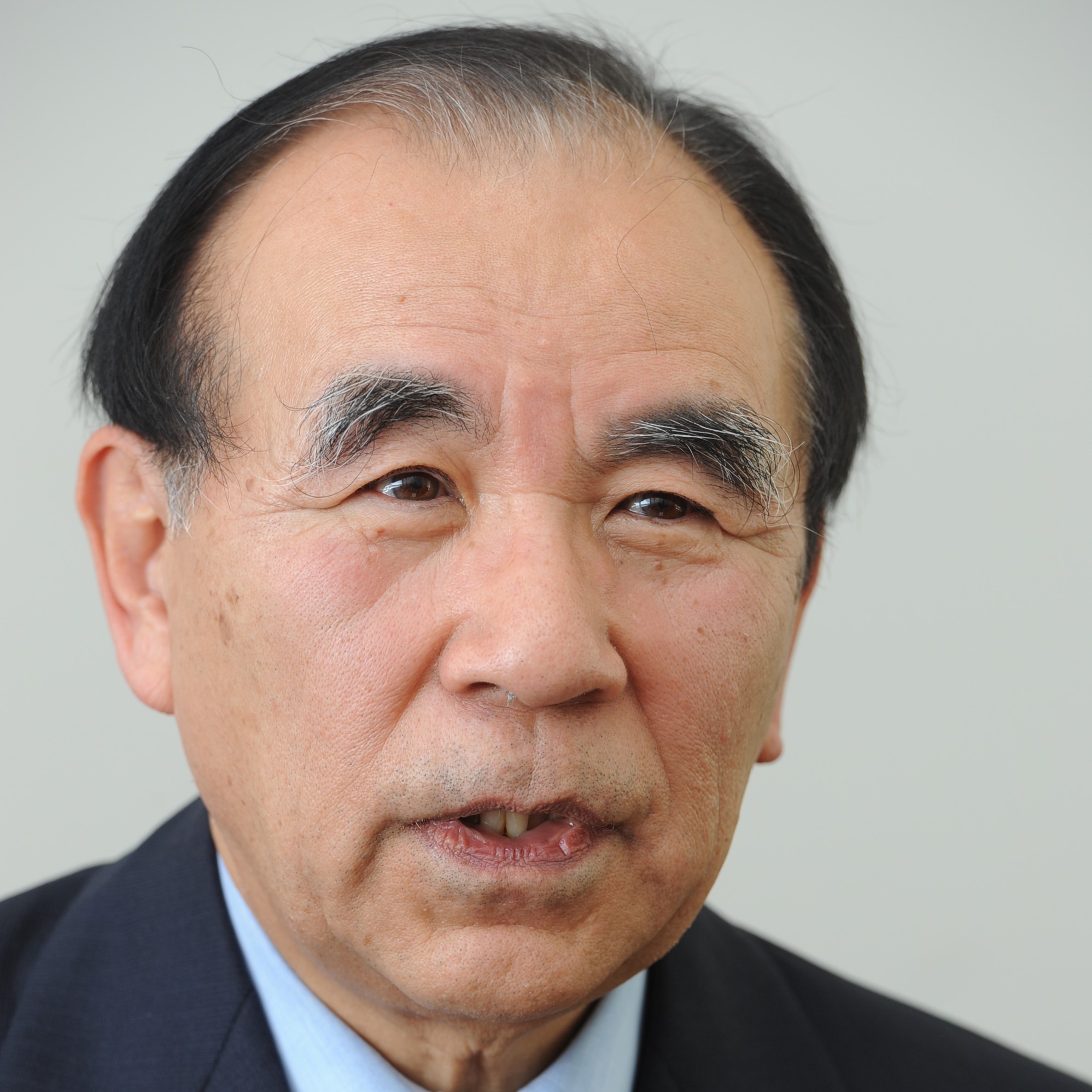 Osamu Nishi
 Koko Kato
 Tadashi Saito
 Shohei Umezawa
 Jason Morgan
 Arvind Gupta
 Kenro Nagoshi
 Takeshi Kudo
 Sukehiro Hirakawa
 Yumiko Nishimoto
 Rikiwo Shikama
 Eriko Yamatani
 Koichi Furusho
 Tadashi Ito
 Satoshi Hirano
 Lee Woo Young
 Taro Yayama
 Koh Sekai
 Koji Okamoto
 Tsutomu Toichi
 Hideaki Karaki
 Toshu Noguchi
 Kichinosuke Ihara
 Hisashi Matsumoto
 Yasuyuki Takai
 Nobuyuki Sato
 Chung Dae Kyun
 Toshio Watanabe
 Katsuya Tsukamoto
 Kazuto Suzuki
 Koichi Mera
 Akihisa Nagashima
 Miki Kase
 Eitaro Ogawa
 Hirotaka Watanabe
 Akinaka Senzaki
 Kevin Maher
 Yang Yi
 Hidetake Sawa
 Satoshi Tomisaka
 Nobukatsu Fujioka
 Masanori Kondo
 Hiroshi Ito
 Mio Sugita
 Rupakjyoti Borah
 Seiichi Okutomi
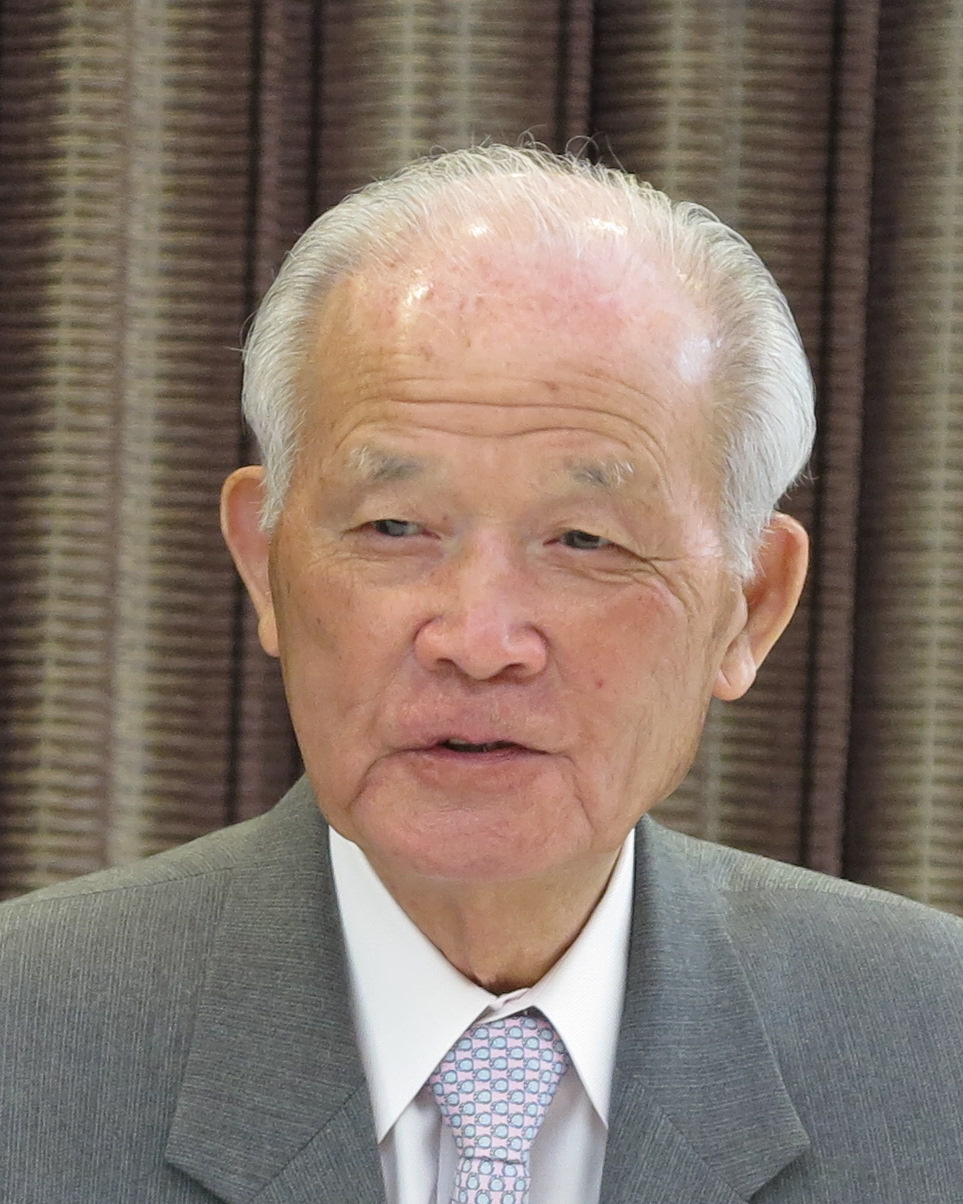 Saburo Tsukamoto
 Yasuo Naito
 Satoshi Sakakibara
 Yen-Hung Lin
 Sanae Takaichi
 Haruhisa Nakagawa
 Norihide Miyoshi
 Syunichi Akasofu
 Ryoichi Hamamoto
 Hong Hyung
 Andrii Gurenko
 Ronald Morse
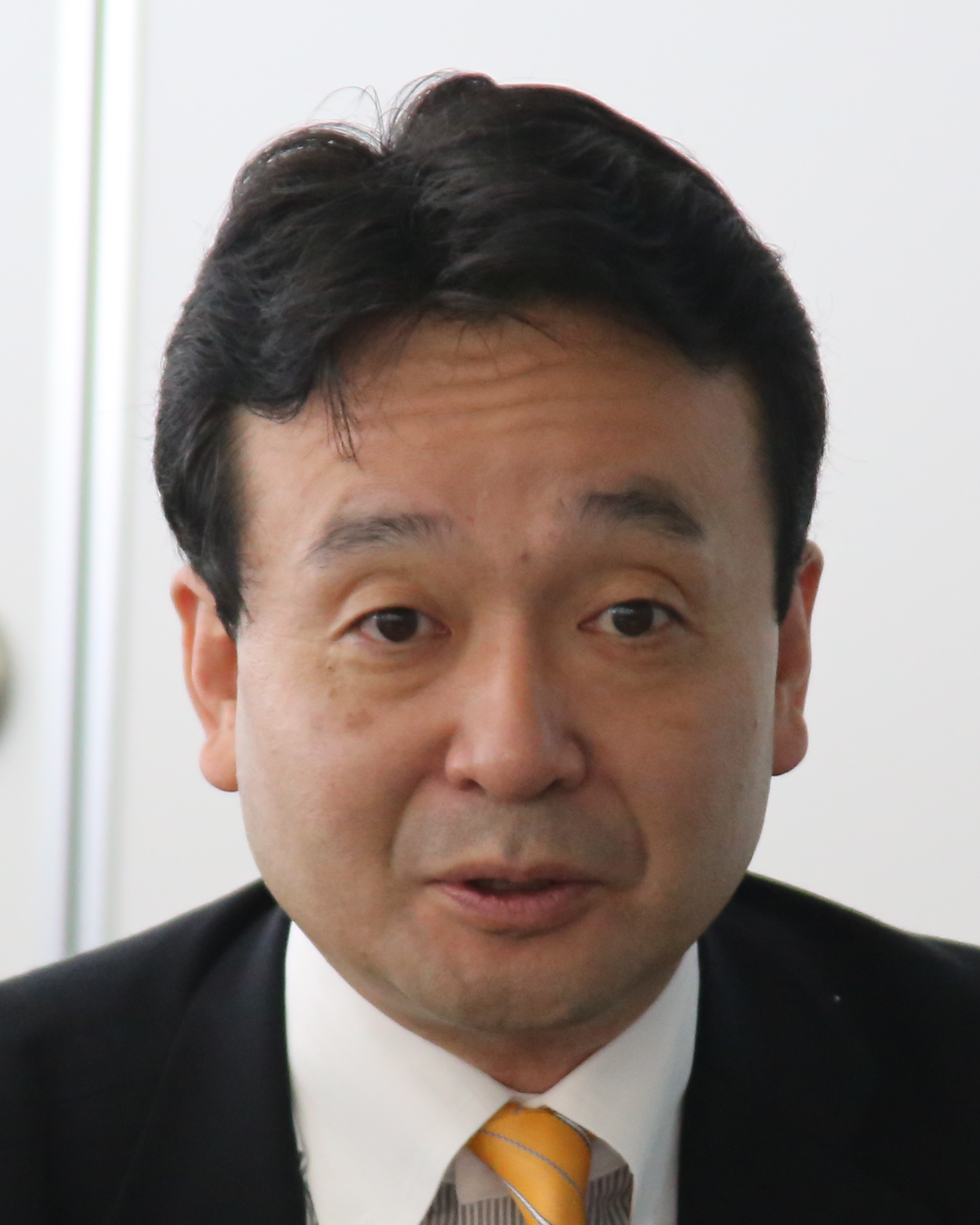 Kazuhiko Inoue
 Keiichi Nakagawa
 Masamori Sase
 Katsutoshi Kawano
 Tomohisa Takei