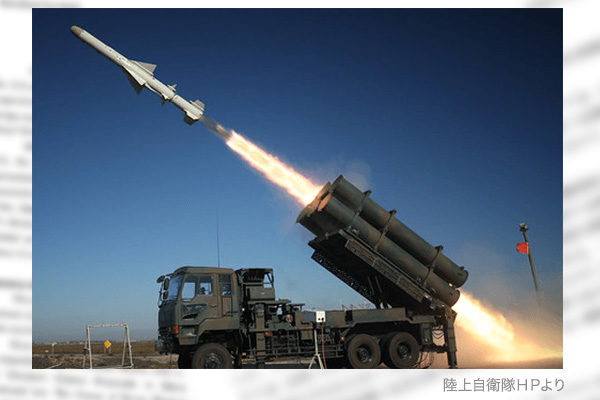
This year’s multilateral joint military exercise Balikatan, which means “shoulder to shoulder” in the Tagalog language of the Philippines, has turned out far more significant than ever before. A record of more than 17,000 troops from Japan, the United States, and the Philippines at the core, joined by Australia, Canada, France, and New Zealand, participated in the exercise across Luzon, Palawan, and other Philippine islands. More important than the scale was the qualitative shift: the exercise was not a mere symbolic display but a combat‑oriented drill with an eye on the South China Sea and the Luzon Strait between Taiwan and the Philippines.
SDF’s live firing to defend First Island Chain
Symbolizing the qualitative shift was the Japan Ground Self-Defense Force’s live firing of Type-88 surface-to-ship guided missiles on May 6. Two Type-88 missiles launched from the coast of Paoay in northern Luzon hit the decommissioned ship BRP Quezon about 75 kilometers away from the coast. This was the first time that Japan’s Self-Defense Forces participated in the Balikatan in a full-fledged manner. It was significant that Japanese anti-ship missiles for coastal defense were successfully fired in the Philippines. This was a moment when the joint defense posture of the First Island Chain (linking Japan, Taiwan, and the Philippines), as advocated in the U.S. National Defense Strategy, became a tangible reality.
The missile firing should not be viewed as a self-contained action by the SDF. According to U.S. reports, throughout the entire exercise, a multilateral anti-ship missile network was tested for the first time. It involved coordination among the U.S. unmanned anti-ship missile launchers known as Navy Marine Expeditionary Ship Interdiction System (NMESIS), the U.S. High Mobility Artillery Rocket System (HIMARS), the Philippine military’s anti-ship missiles, and the JGSDF Type-88 missiles.
Published information cannot confirm U.S. forces’ direct provision of targeting data for the JGSDF missile firing. However, the Philippine military explains that Japan, the United States, and the Philippines can build a “truly unified tactical picture” by sharing sensor data, suggesting that trilateral coordination at least in the missile firing has become a reality.
China recognizes strategic importance of missile firing
A Chinese foreign ministry spokesperson strongly criticized Japan for firing offensive missiles overseas, arguing that the action went beyond the scope of its self-defense. However, this Chinese overreaction proves the strategic importance of the firing. Japan, the United States, and the Philippines jointly demonstrated their “denial capabilities” to prevent China from unilaterally changing status quo by force along the First Island Chain.
The SDF’s full-fledged participation in the exercise, following the effectuation of the Japan-Philippines Reciprocal Access Agreement that facilitates cooperation between the two militaries, has pushed bilateral defense cooperation to a new phase. Talks on Japan’s defense equipment transfers to the Philippines made progress in conjunction with the exercise, leading Philippine Defense Secretary Gilbert Teodoro to voice expectation for the improved interoperability. The success of the exercise should further boost Japan’s defense equipment transfers to and operational cooperation with the Philippines in the future. The First Island Chain has now become more than a geographic concept and has been etched into history as a line that Japan, the United States, and the Philippines have both the will and the capability to defend “shoulder to shoulder.”
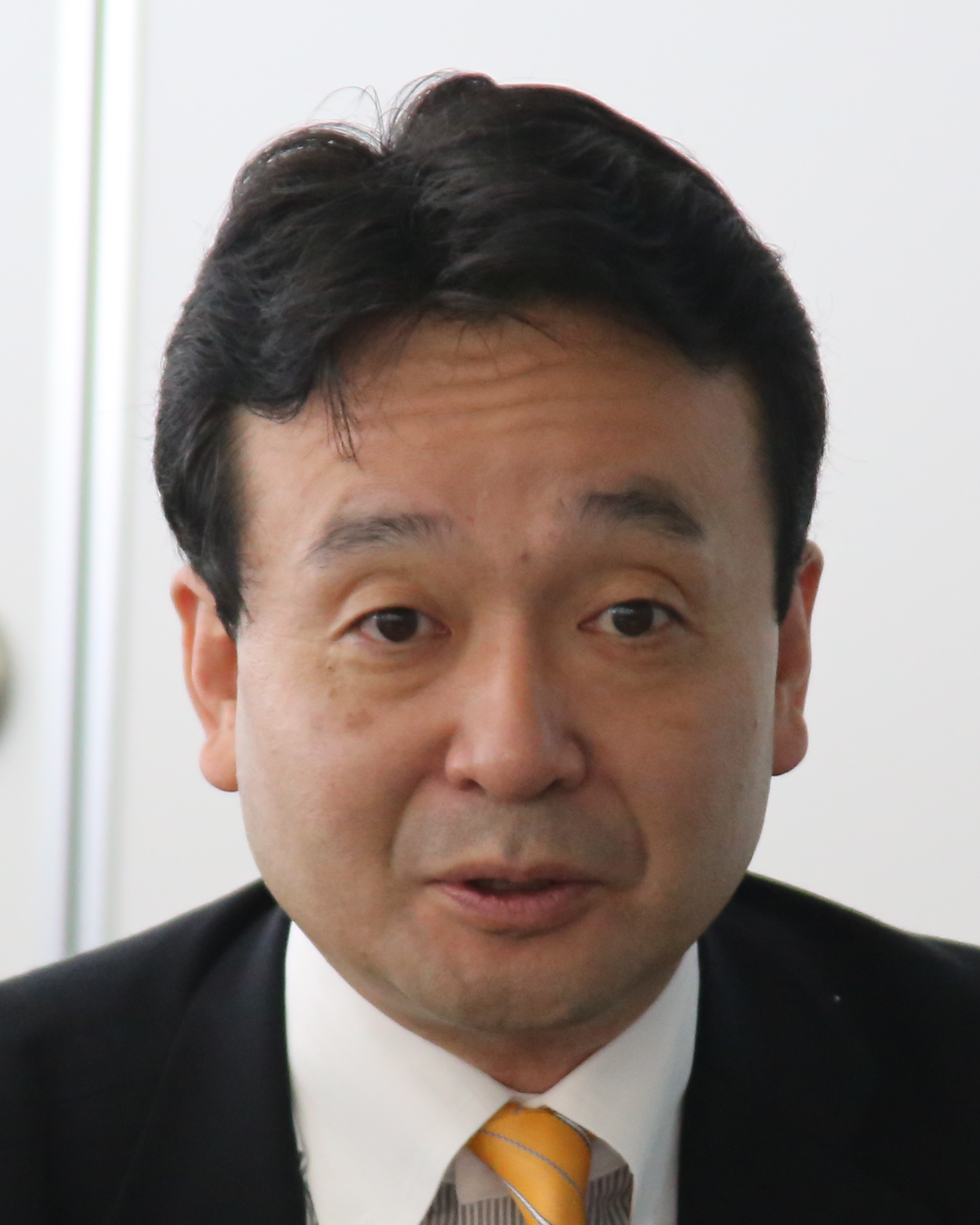
Kiyofumi Iwata is a member of the Planning Committee at the Japan Institute for National Fundamentals. Formerly, he served as Chief of Staff of the Japan Ground Self-Defense Force.
 Tsutomu Nishioka
 Tadae Takubo
 Takashi Arimoto
 Fumio Ota
 Yoshiko Sakurai
 Yasushi Tomiyama
 Masahiko Hosokawa
 Yoichi Shimada
 Hiroshi Yuasa
 Tadashi Narabayashi
 Hideo Tamura
 Kunio Orita
 Maki Nakagawa
 Etsuro Honda
 Yujiro Oiwa
 Hironobu Ishikawa
 Shiro Takahashi
 Katsuhiko Takaike
 Michio Ezaki
 Akira Momochi
 Akio Yaita
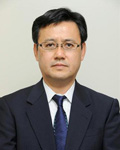 Yoshihiko Yamada
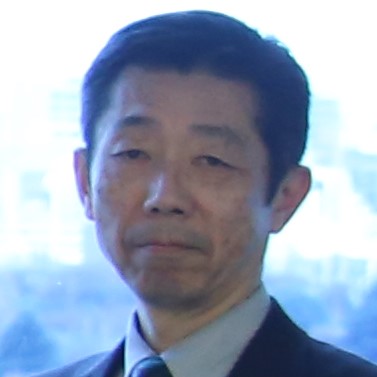 Seiji Kurosawa
 Koichi Endo
 Brahma Chellaney
 Nobuko Araki
 Yang Haiying
 James Auer
 Sumihiko Kawamura
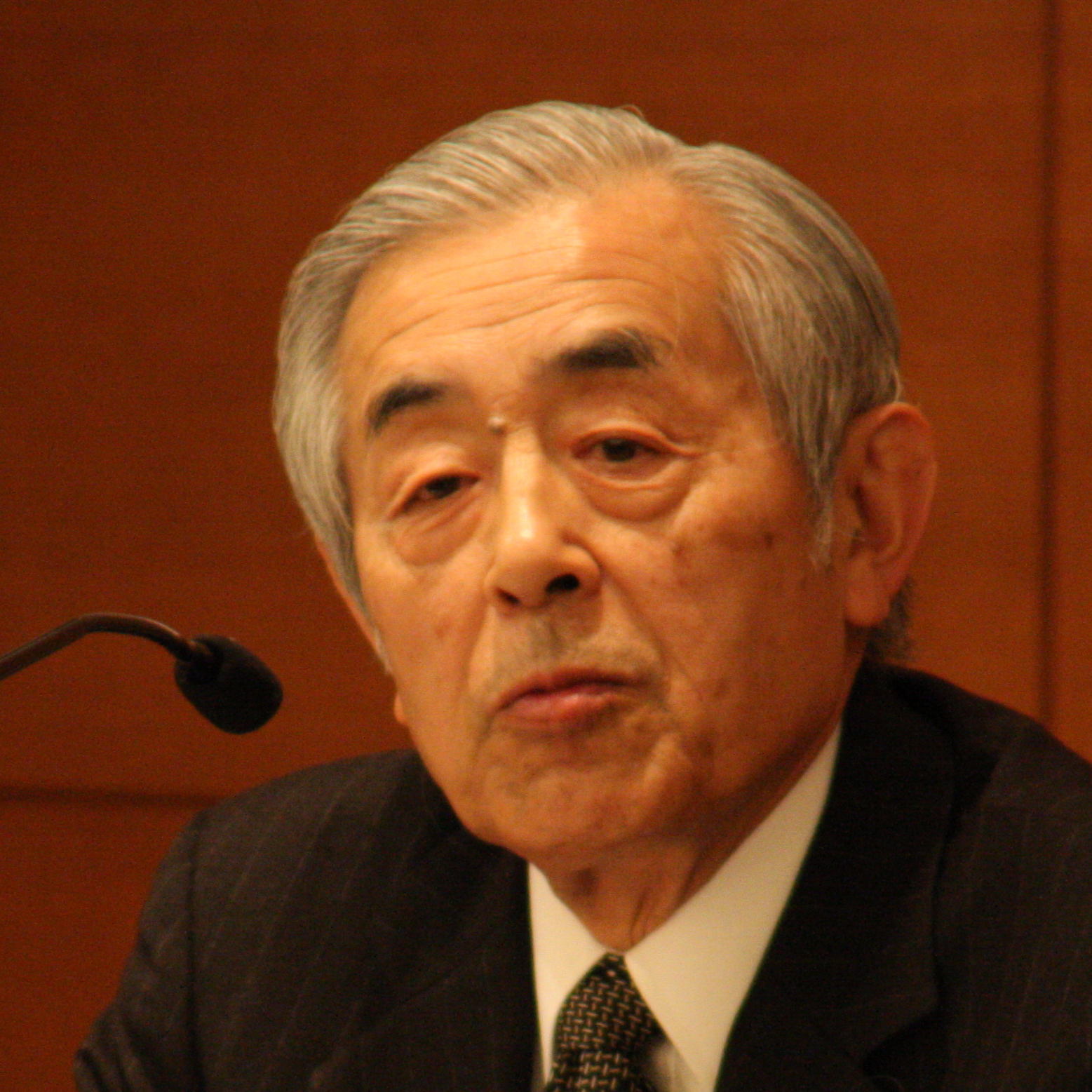 Hiroshi Kimura
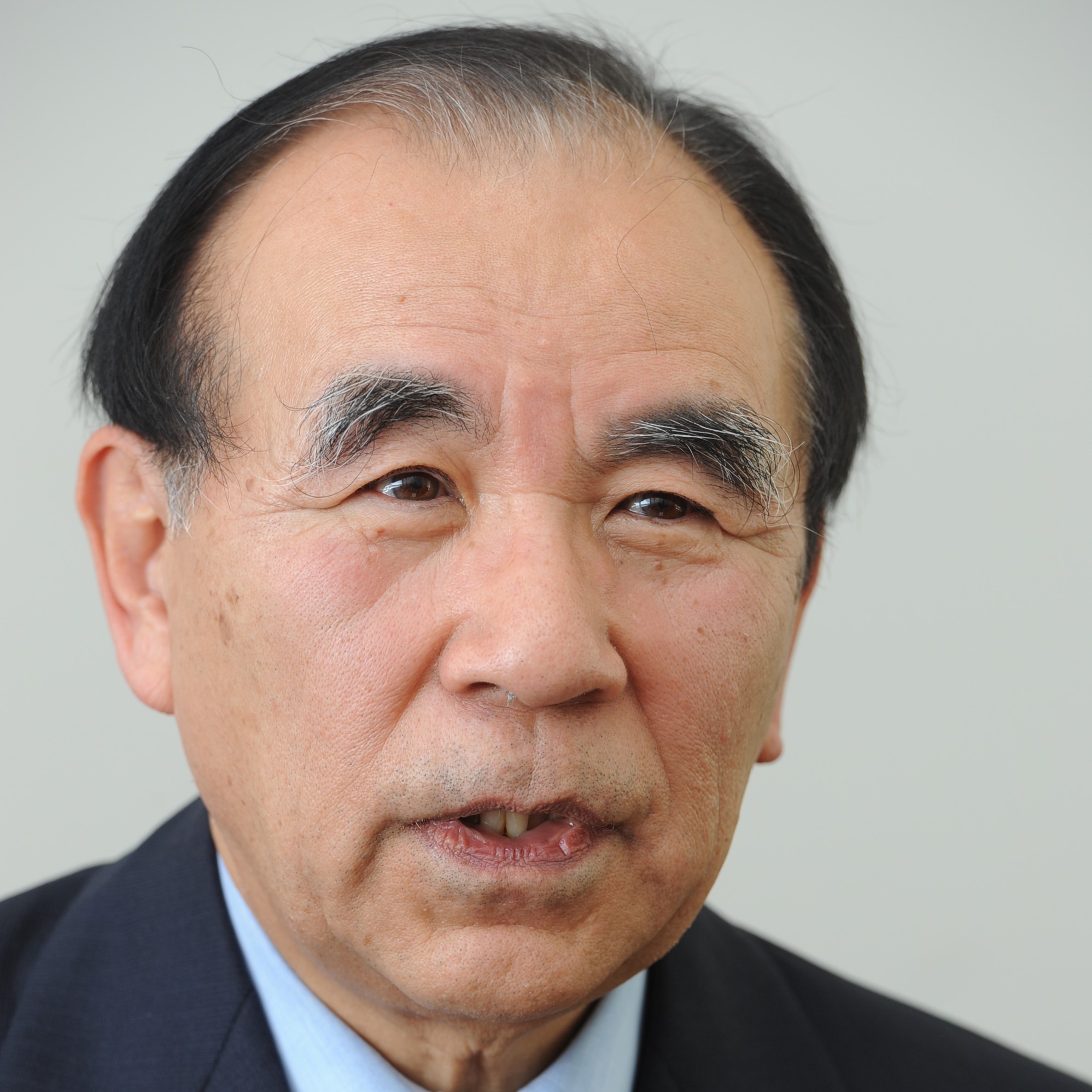 Osamu Nishi
 Koko Kato
 Tadashi Saito
 Shohei Umezawa
 Jason Morgan
 Arvind Gupta
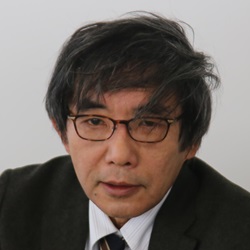 Kenro Nagoshi
 Takeshi Kudo
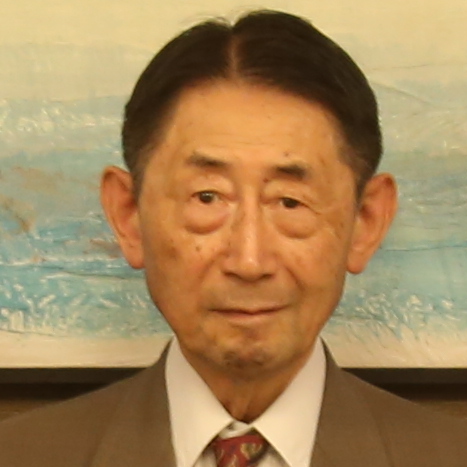 Sukehiro Hirakawa
 Yumiko Nishimoto
 Rikiwo Shikama
 Eriko Yamatani
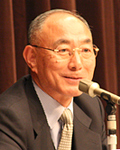 Koichi Furusho
 Tadashi Ito
 Satoshi Hirano
 Lee Woo Young
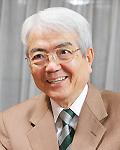 Taro Yayama
 Koh Sekai
 Koji Okamoto
 Tsutomu Toichi
 Hideaki Karaki
 Toshu Noguchi
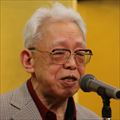 Kichinosuke Ihara
 Hisashi Matsumoto
 Yasuyuki Takai
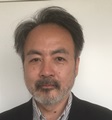 Nobuyuki Sato
 Chung Dae Kyun
 Toshio Watanabe
 Katsuya Tsukamoto
 Kazuto Suzuki
 Koichi Mera
 Akihisa Nagashima
 Miki Kase
 Eitaro Ogawa
 Hirotaka Watanabe
 Akinaka Senzaki
 Kevin Maher
 Yang Yi
 Hidetake Sawa
 Satoshi Tomisaka
 Nobukatsu Fujioka
 Masanori Kondo
 Hiroshi Ito
 Mio Sugita
 Rupakjyoti Borah
 Seiichi Okutomi
 Saburo Tsukamoto
 Yasuo Naito
 Satoshi Sakakibara
 Yen-Hung Lin
 Sanae Takaichi
 Haruhisa Nakagawa
 Norihide Miyoshi
 Syunichi Akasofu
 Ryoichi Hamamoto
 Hong Hyung
 Andrii Gurenko
 Ronald Morse
 Kazuhiko Inoue
 Keiichi Nakagawa
 Masamori Sase
 Katsutoshi Kawano
 Tomohisa Takei