The Iran War, for which a 60-day ceasefire agreement has been reached for the time being, has laid bare the strategic contradictions of the U.S. Trump administration. While giving priority to the Western Hemisphere, centered on the North and South American continents, the administration has been deeply drawn into the Middle East in reality, consuming massive military and diplomatic resources on efforts to block Iran’s acquisition of nuclear weapons and reopen the Strait of Hormuz. This diversion of U.S. resources to the Middle East has reduced the forces that should be directed to deterring China, thereby relatively weakening U.S. engagement in Asia.
Wavering U.S. Emphasis on Indo-Pacific
In this context, we cannot underestimate the meaning of the U.S. Defense Department’s recent reversion of the name of the “Indo-Pacific Command” to its pre-2018 title, “Pacific Command.” Although the Pentagon has described the reversion as indicating no change in the command’s jurisdiction, naming usually reflects strategic thinking. The term “Indo-Pacific” serves as the banner for the “Free and Open Indo-Pacific” (FOIP), a vision proposed by then Japanese Prime Minister Shinzo Abe and later adopted by the U.S. It also symbolized the idea of deterring China’s maritime expansion in the East China Sea, South China Sea, and Indian Ocean, using the Quad—the quadrilateral security framework of Japan, the U.S., Australia, and India—as the central pillar. The removal of “Indo” from the name of the U.S. command for the region can be seen as a sign that the Washington’s strategic horizon may be narrowing.
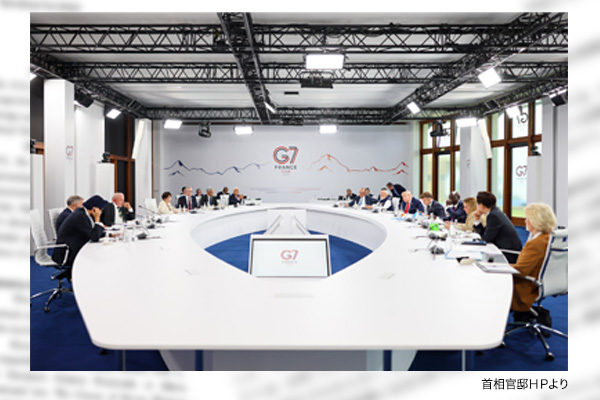
The problem is the timing of the announcement of the name change. It came about a month after the latest U.S.-China summit and precisely on the day when the Group of Seven countries at their annual leaders meeting adopted a joint statement affirming the importance of the FOIP. It is unreasonable to dismiss this match as mere coincidence. This suggests that U.S. President Donald Trump may have prioritized a one-on-one deal with Chinese President Xi Jinping, while shelving coordination with U.S. allies and the principles of the FOIP.
Cracking the Quad unity and downplaying the strategic value of the Indian Ocean will, in the end, only benefit China’s hegemonic maritime expansion. If Washington gets complacent with the short‑term stability through direct bilateral negotiations with Beijing and reduces its substantive engagement in Asia, a power vacuum will emerge in the region. History has shown that China will move to exploit such a power vacuum.
Japan’s will and preparedness are challenged
For Japan, this is not someone else’s problem. The deterrent power of the Japan-U.S. alliance is vitally important for a country that faces three nuclear-armed states—China, Russia, and North Korea—and is under direct pressure from China’s expansion into the Western Pacific. When Washington leans toward one-on-one, deal-oriented diplomacy, the effectiveness of the alliance is not guaranteed automatically. The era when the U.S. remains engaged in Asia irrespective of Japan’s silence should be seen as over.
The question now is not whether the U.S. will remain engaged in Asia, but whether Japan can have the will and power to keep the U.S. in this region. Japan is required to make efforts to transform the Japan-U.S. alliance into a framework that the U.S. cannot withdraw. Only when Japan makes its due preparations and enhances its value as a U.S. ally will American engagement become a tangible reality.
Kiyofumi Iwata is Vice President of the Japan Institute for National Fundamentals. Formerly, he served as Chief of Staff of the Japan Ground Self-Defense Force.
 Tsutomu Nishioka
 Takashi Arimoto
 Tadae Takubo
 Fumio Ota
 Yoshiko Sakurai
 Yasushi Tomiyama
 Masahiko Hosokawa
 Yoichi Shimada
 Hiroshi Yuasa
 Tadashi Narabayashi
 Hideo Tamura
 Kunio Orita
 Maki Nakagawa
 Etsuro Honda
 Yujiro Oiwa
 Hironobu Ishikawa
 Shiro Takahashi
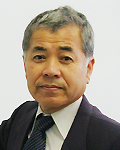 Katsuhiko Takaike
 Michio Ezaki
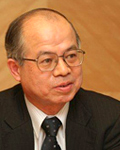 Akira Momochi
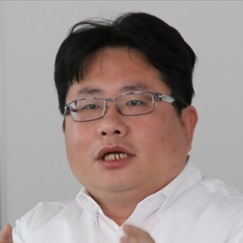 Akio Yaita
 Yoshihiko Yamada
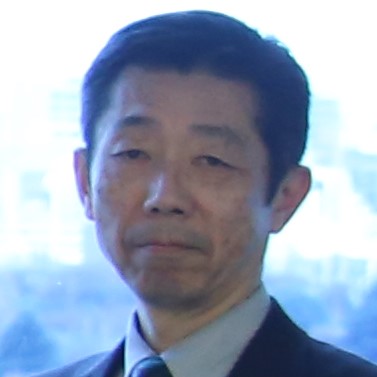 Seiji Kurosawa
 Koichi Endo
 Brahma Chellaney
 Nobuko Araki
 Yang Haiying
 James Auer
 Sumihiko Kawamura
 Hiroshi Kimura
 Osamu Nishi
 Koko Kato
 Tadashi Saito
 Shohei Umezawa
 Jason Morgan
 Arvind Gupta
 Kenro Nagoshi
 Takeshi Kudo
 Sukehiro Hirakawa
 Yumiko Nishimoto
 Rikiwo Shikama
 Eriko Yamatani
 Koichi Furusho
 Tadashi Ito
 Satoshi Hirano
 Lee Woo Young
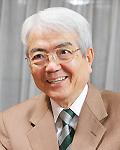 Taro Yayama
 Koh Sekai
 Koji Okamoto
 Tsutomu Toichi
 Hideaki Karaki
 Toshu Noguchi
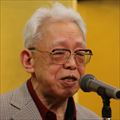 Kichinosuke Ihara
 Hisashi Matsumoto
 Yasuyuki Takai
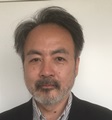 Nobuyuki Sato
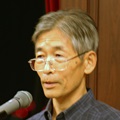 Chung Dae Kyun
 Toshio Watanabe
 Katsuya Tsukamoto
 Kazuto Suzuki
 Koichi Mera
 Akihisa Nagashima
 Miki Kase
 Eitaro Ogawa
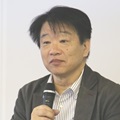 Hirotaka Watanabe
 Akinaka Senzaki
 Kevin Maher
 Yang Yi
 Hidetake Sawa
 Satoshi Tomisaka
 Nobukatsu Fujioka
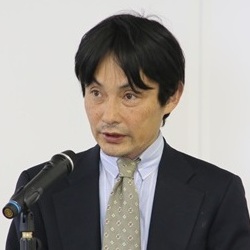 Masanori Kondo
 Hiroshi Ito
 Mio Sugita
 Rupakjyoti Borah
 Seiichi Okutomi
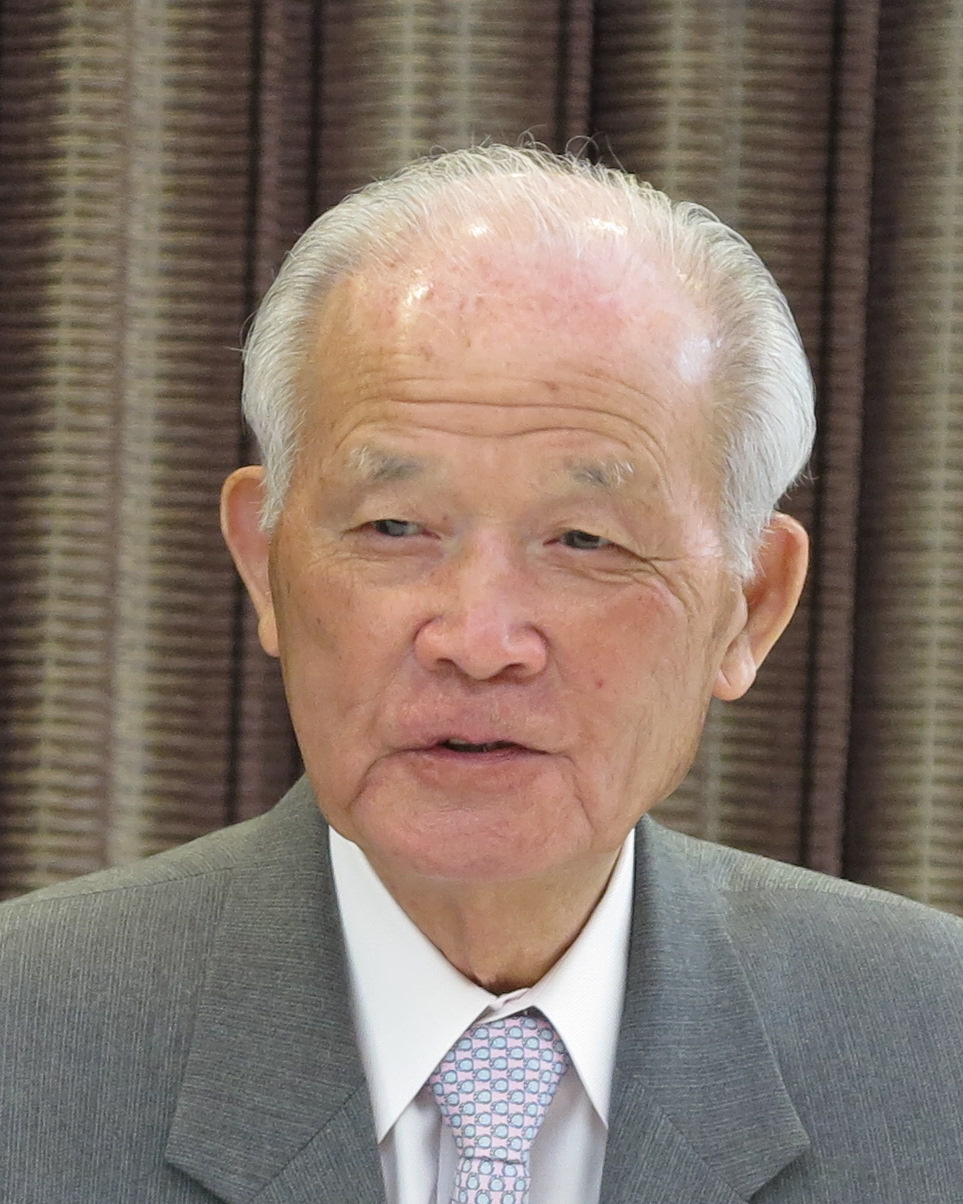 Saburo Tsukamoto
 Yasuo Naito
 Satoshi Sakakibara
 Yen-Hung Lin
 Sanae Takaichi
 Haruhisa Nakagawa
 Norihide Miyoshi
 Syunichi Akasofu
 Ryoichi Hamamoto
 Hong Hyung
 Andrii Gurenko
 Ronald Morse
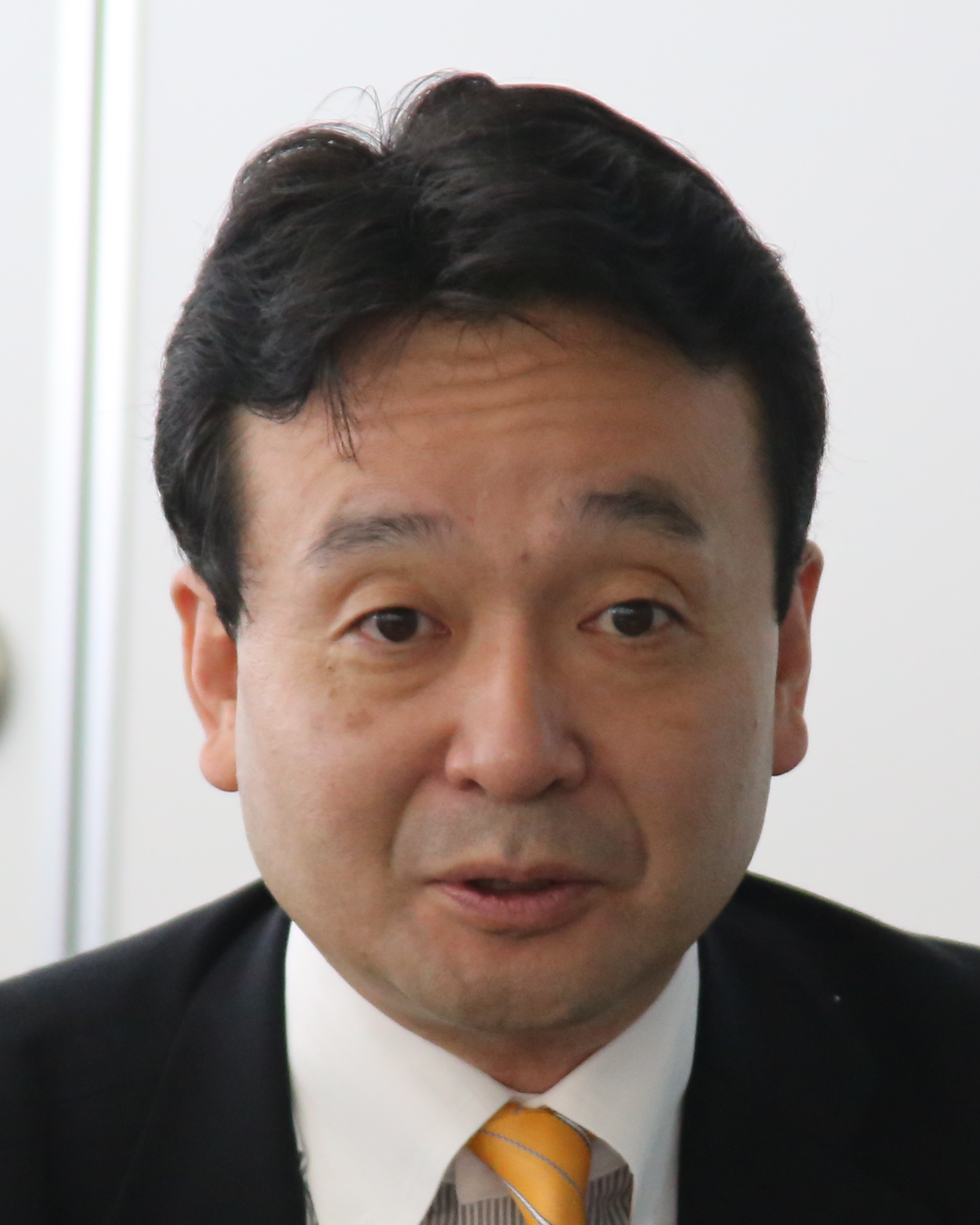 Kazuhiko Inoue
 Keiichi Nakagawa
 Masamori Sase
 Katsutoshi Kawano
 Tomohisa Takei