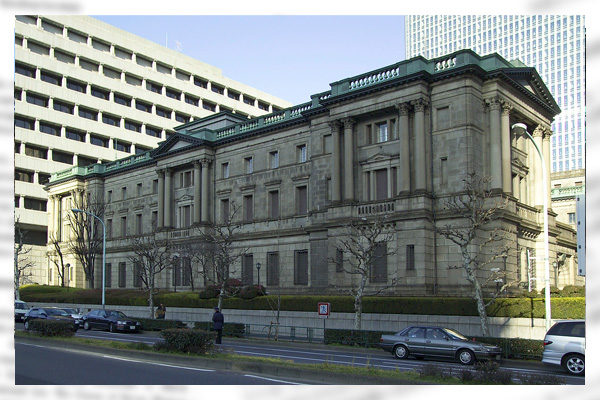
On June 16, the Bank of Japan raised its policy interest rate by 0.25 percentage points to 1%, the highest level in 31 years, and is poised to raise rates further. If interest rate hikes get ahead of still‑fragile demand, the economy could stagnate. That, in turn, would dampen economic revitalization that the Sanae Takaichi administration pursues through the promotion of domestic investment. The BOJ must ensure that its actions remain consistent with national policy.
Incomprehensible reasons for the rate hike
In the Speaking Out column dated June 1, I warned that rate hikes could trigger the yen’s further depreciation and would be ineffective in addressing cost-push inflation caused by soaring crude oil prices. After the latest rate hike, in fact, downward pressure on the yen increased in the foreign exchange market. This is because speculators sell yen in anticipation of the next rate hike. Despite five rate hikes since March 2024, the yen has continued to weaken.
In its June 16 statement on the rate hike, the BOJ explained that, with crude oil prices surging and firms accelerating their pass‑through of costs, there is a risk that the inflation rate could overshoot the BOJ’s price stability target level of 2%. However, a report from Goldman Sachs Japan Co.'s research department dated June 18 carefully analyzed price pass-through trends by product and concluded that the risk of upside pressure on inflation through crude oil spikes was low at present. I, too, have argued that consumer prices would start a slow uptrend about six months to a year behind the crude oil price hikes and continue it for an extended period. Underlying this is weak demand.
Inflation-adjusted real wages have continued to decline in Japan, posting a 5% decrease from fiscal 2021 to 2025. Real household consumption has been weak. In fiscal 2025, it slipped below fiscal 2013 and 2018 levels. Faced with stagnant demand, many companies have been keeping price pass‑through of rising costs to a minimum. When interest rate hikes suppress demand, especially small or micro businesses will be unable to raise their product prices sufficiently, resulting in profit losses. That will make it impossible for them to secure funding for wage increases or capital investment.
Interest rate hikes increase the interest payment burden for working adults up to their 40s, especially those plagued with debt such as mortgages. In contrast, financial institutions can significantly increase their revenue. As of May, commercial banks’ current account deposits at the BOJ, subject to the policy interest rate, reached 430 trillion yen, meaning that the 0.25-point policy rate hike would increase their revenue by more than 1 trillion yen.
Do not hinder economic growth
The BOJ Act, while guaranteeing the central bank’s independence regarding monetary policy, includes Article 4 that requires it to be consistent with government policy. While the BOJ under Governor Kazuo Ueda appears intent on raising interest rates as a foregone conclusion, Prime Minister Takaichi should urge the central bank not only to correct the gap between its price outlook and reality, but also to adopt monetary policy that does not hinder economic growth.
Hideo Tamura is a Planning Committee member at the Japan Institute for National Fundamentals and a senior correspondent for the Sankei Shimbun newspaper.
 Tsutomu Nishioka
 Takashi Arimoto
 Tadae Takubo
 Fumio Ota
 Yoshiko Sakurai
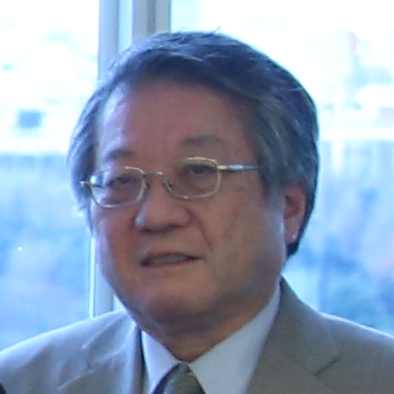 Yasushi Tomiyama
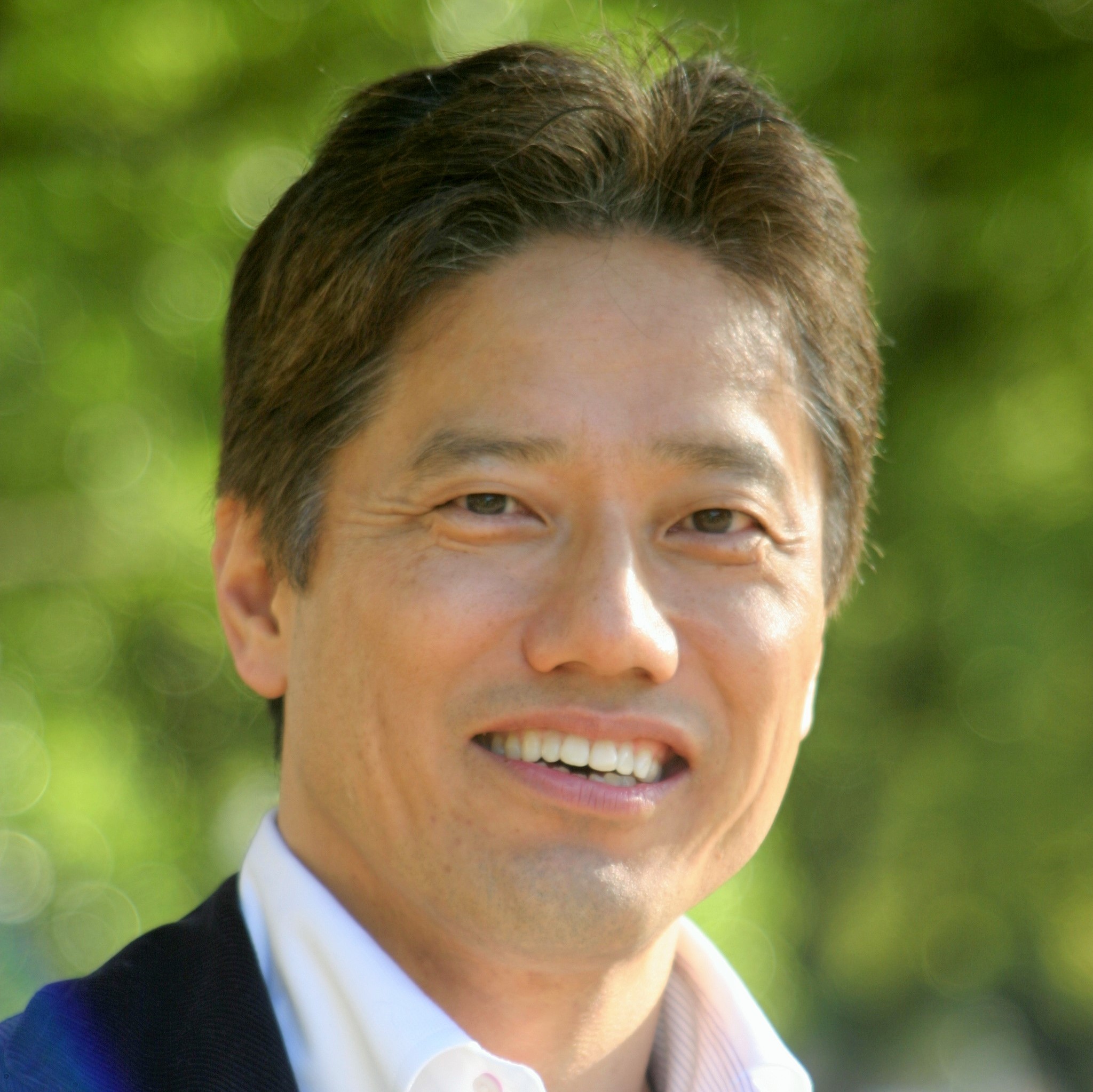 Masahiko Hosokawa
 Yoichi Shimada
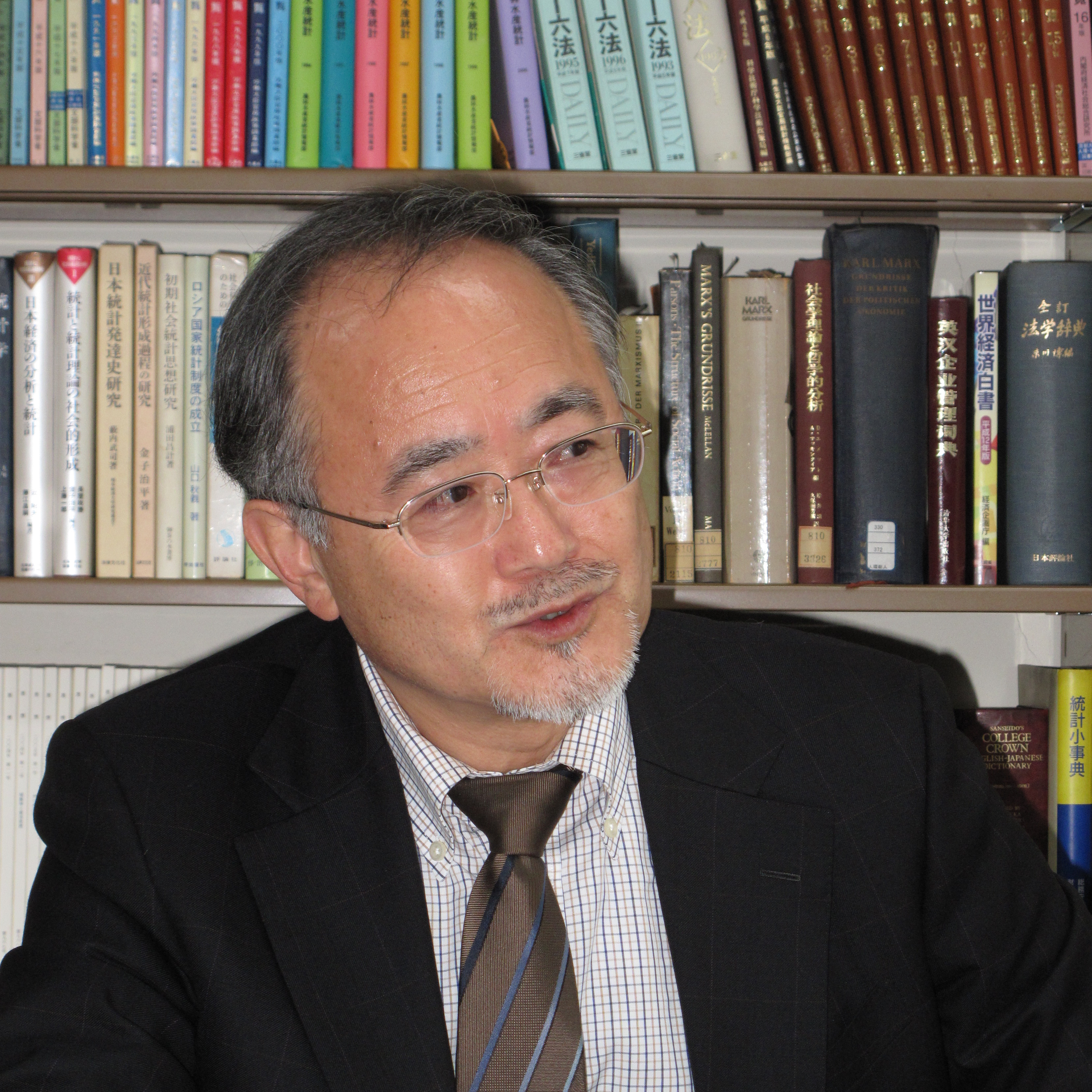 Hiroshi Yuasa
 Tadashi Narabayashi
 Kiyofumi Iwata
 Kunio Orita
 Maki Nakagawa
 Etsuro Honda
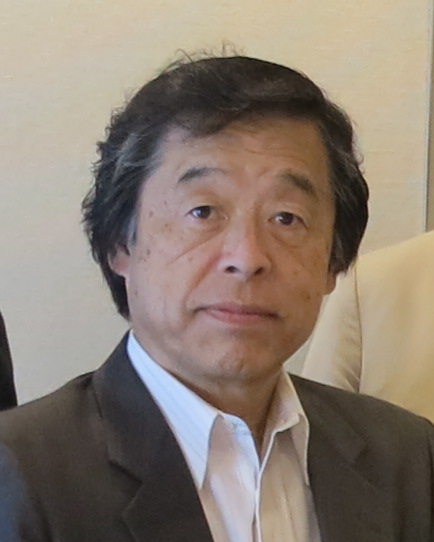 Yujiro Oiwa
 Hironobu Ishikawa
 Shiro Takahashi
 Katsuhiko Takaike
 Michio Ezaki
 Akira Momochi
 Akio Yaita
 Yoshihiko Yamada
 Seiji Kurosawa
 Koichi Endo
 Brahma Chellaney
 Nobuko Araki
 Yang Haiying
 James Auer
 Sumihiko Kawamura
 Hiroshi Kimura
 Osamu Nishi
 Koko Kato
 Tadashi Saito
 Shohei Umezawa
 Jason Morgan
 Arvind Gupta
 Kenro Nagoshi
 Takeshi Kudo
 Sukehiro Hirakawa
 Yumiko Nishimoto
 Rikiwo Shikama
 Eriko Yamatani
 Koichi Furusho
 Tadashi Ito
 Satoshi Hirano
 Lee Woo Young
 Taro Yayama
 Koh Sekai
 Koji Okamoto
 Tsutomu Toichi
 Hideaki Karaki
 Toshu Noguchi
 Kichinosuke Ihara
 Hisashi Matsumoto
 Yasuyuki Takai
 Nobuyuki Sato
 Chung Dae Kyun
 Toshio Watanabe
 Katsuya Tsukamoto
 Kazuto Suzuki
 Koichi Mera
 Akihisa Nagashima
 Miki Kase
 Eitaro Ogawa
 Hirotaka Watanabe
 Akinaka Senzaki
 Kevin Maher
 Yang Yi
 Hidetake Sawa
 Satoshi Tomisaka
 Nobukatsu Fujioka
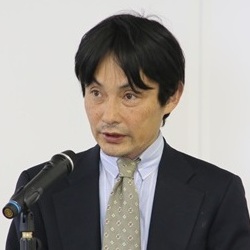 Masanori Kondo
 Hiroshi Ito
 Mio Sugita
 Rupakjyoti Borah
 Seiichi Okutomi
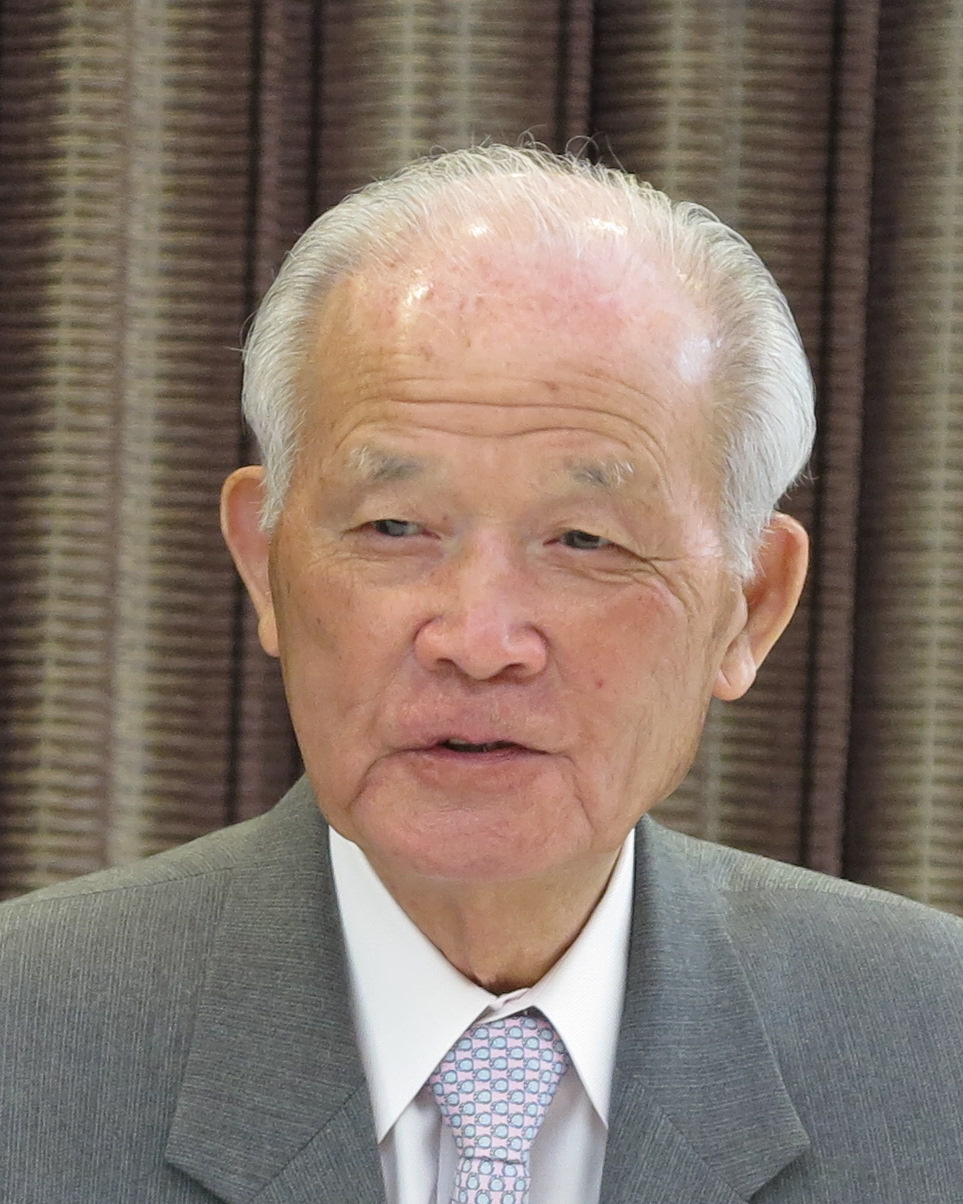 Saburo Tsukamoto
 Yasuo Naito
 Satoshi Sakakibara
 Yen-Hung Lin
 Sanae Takaichi
 Haruhisa Nakagawa
 Norihide Miyoshi
 Syunichi Akasofu
 Ryoichi Hamamoto
 Hong Hyung
 Andrii Gurenko
 Ronald Morse
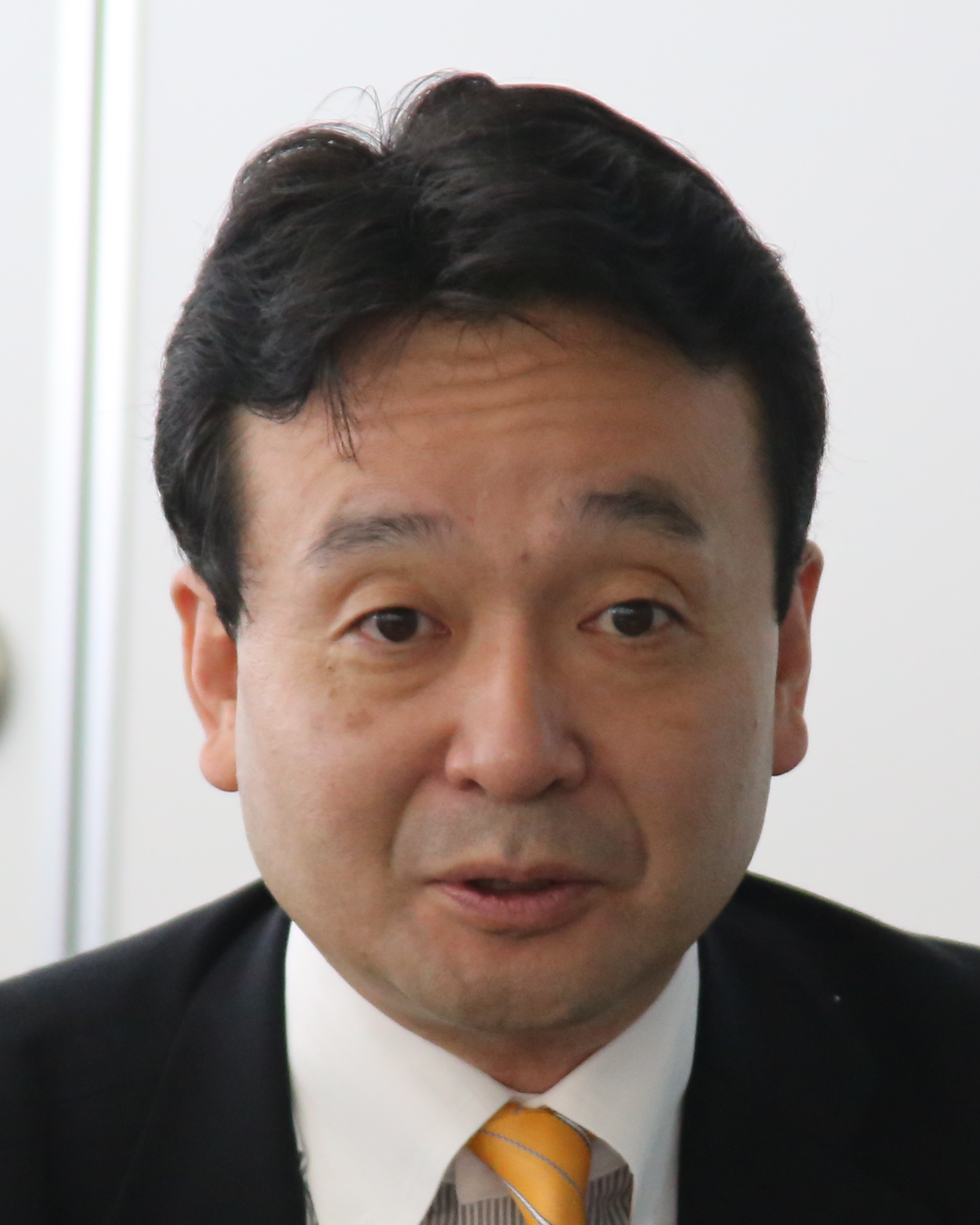 Kazuhiko Inoue
 Keiichi Nakagawa
 Masamori Sase
 Katsutoshi Kawano
 Tomohisa Takei