The memorandum of understanding on the U.S.-Iran ceasefire underscored the United States’ political defeat. Despite overwhelming Iran with unparalleled military power, the Wall Street Journal criticized the MOU as resulting from “a position of U.S. weakness,” influenced by “fear of high oil prices and a falling stock market going into the midterm elections.”
The limitations of the use of force without strategy, together with U.S. President Donald Trump’s repeated statements that seemed to abandon long-standing allies such as Israeli Prime Minister Benjamin Netanyahu at the most difficult moment, serve as a warning to U.S. allies.
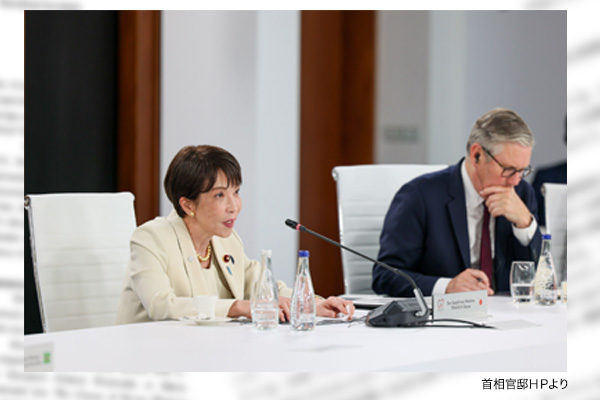
Takaichi proposal contributing to shaping a new order
Even so, neither Israel nor the Group of Seven allies can survive without relying on U.S. power. The reality is stark: the G7 summit held in Evian, France, in June became an occasion for accommodating Mr. Trump, with member countries competing to win favor with the U.S.
Amid the U.S.-China rivalry, U.S. strategist Hal Brands and some others talk about the need for middle powers including Japan to draft a Plan B. In this context, Japanese Prime Minister Sanae Takaichi’s proposal at the Evian Summit may lead to shaping a new order in a post-Trump era. Japan has come under stronger pressure from China as the world’s greatest threat than any other country and been destined to stay ahead of others in dealing with the China issue. Based on that experience, Takaichi’s proposal for the G7 countries and their partners to jointly stockpile rare earths and other critical minerals as well as oil was highly praised as representing Japan’s determination to shape a new order.
A series of joint economic projects constitutes one of the pillars of what Brands and others call a Plan B. Another indispensable pillar is for Japan to assume the role of driving multilayered international cooperation in the field of security.
Now is the time to break away from the “postwar regime”
What Japan needs is to break away from the “postwar regime,” as advocated by the late former Prime Minister Shinzo Abe. For 80 years after World War II, Japan has lived through a strategic vacuum. Not a few people have come to the stark realization that the postwar regime symbolized by the Japanese constitution cannot respond to changes in the international community. The Japan Institute for National Fundamentals has likewise called for strengthening military capabilities, addressing the issue of nuclear weapons, and accelerating constitutional revision.
Yet at every turn, the U.S. has stood in the way more than any other country. Now, however, the U.S. is undergoing profound changes. Washington is urging U.S. allies, including Japan, to stand on their own, as the U.S. is no longer an Atlas carrying the world on its shoulders. It is calling on them to strengthen deterrence against the threats posed by China, Russia, and North Korea, in coordination with or in support of the U.S. In short, it is pressing its allies to develop a Plan B for a post-Trump era. Isn’t this the greatest opportunity for Japan?
Postwar Japan, having forgotten its national character and abandoned the will to stand on its own, could not, in any true sense, be considered a sovereign nation. Let us fundamentally reshape the Japan of these past eighty years. The time is now for Japan to break down the harmful effects of the postwar regime one by one and revitalize itself as an independent nation. The time has come for Japan to gladly accept the collapse of the international order and take advantage of the collapse for its revitalization.
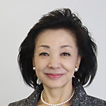
Yoshiko Sakurai is President, Japan Institute for National Fundamentals.
 Tsutomu Nishioka
 Takashi Arimoto
 Tadae Takubo
 Fumio Ota
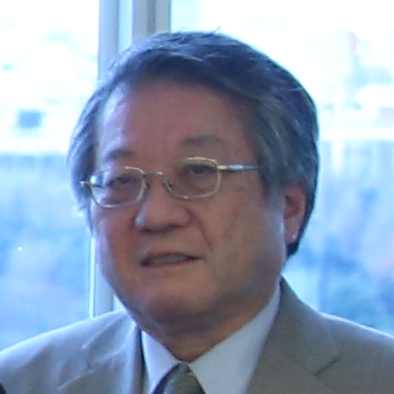 Yasushi Tomiyama
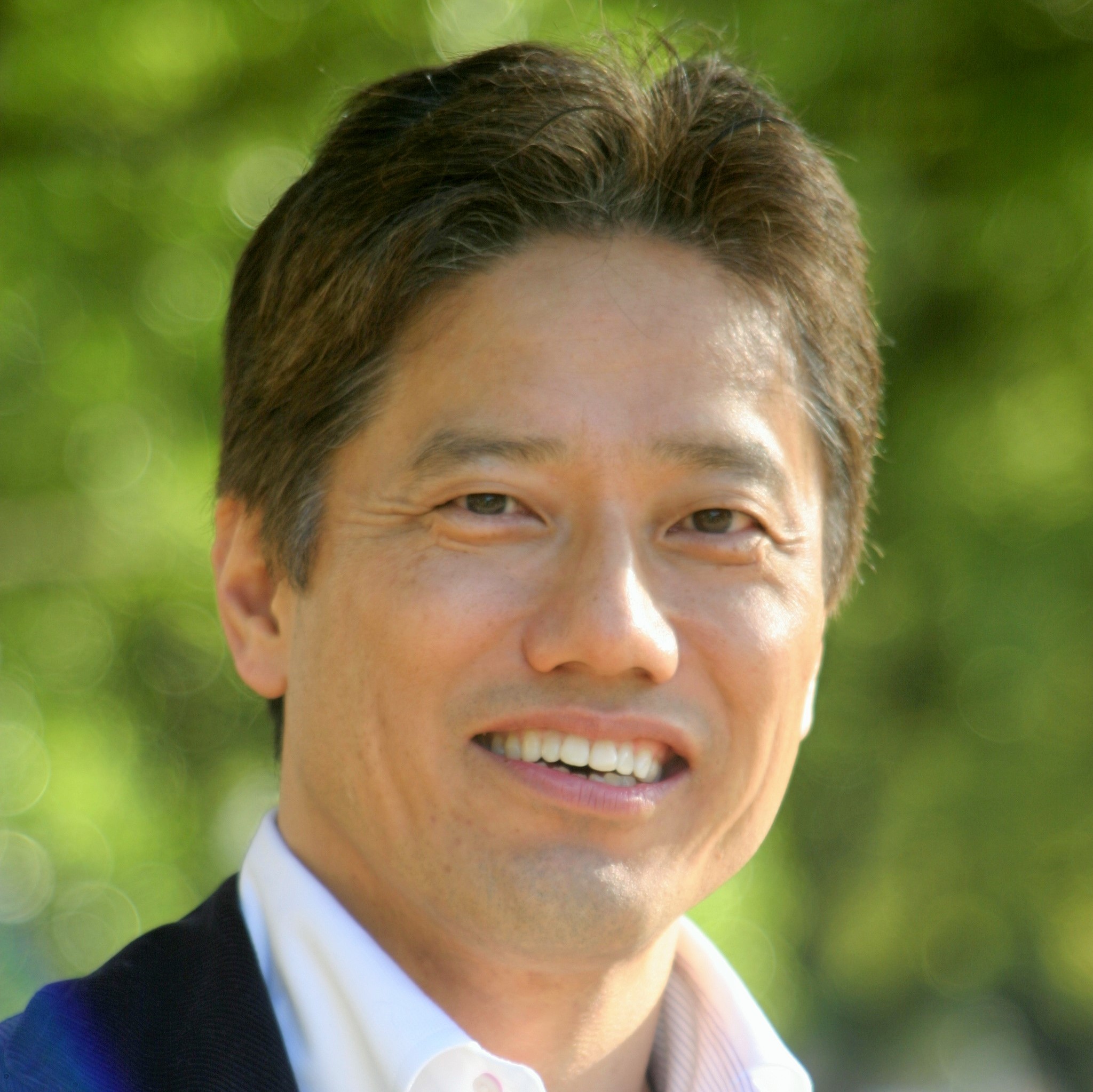 Masahiko Hosokawa
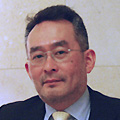 Yoichi Shimada
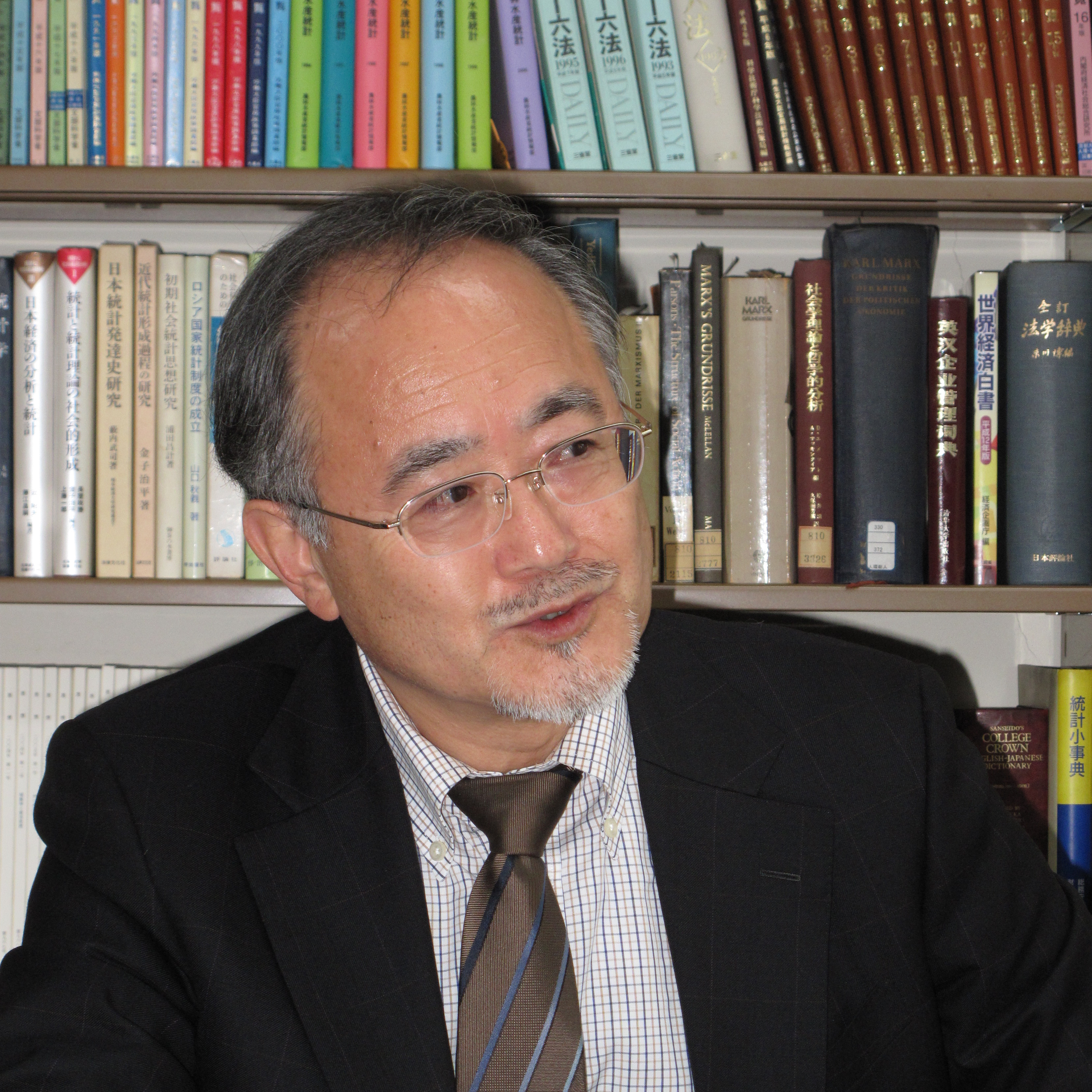 Hiroshi Yuasa
 Tadashi Narabayashi
 Hideo Tamura
 Kiyofumi Iwata
 Kunio Orita
 Maki Nakagawa
 Etsuro Honda
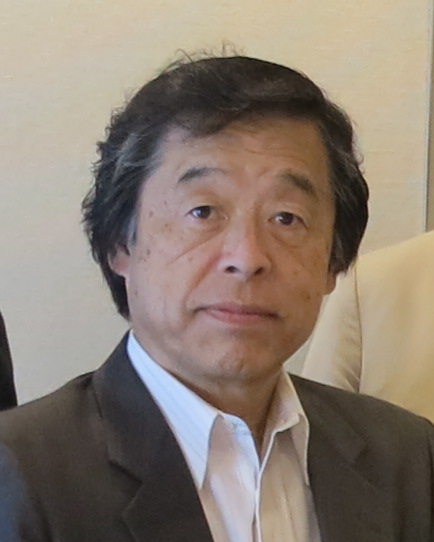 Yujiro Oiwa
 Hironobu Ishikawa
 Shiro Takahashi
 Katsuhiko Takaike
 Michio Ezaki
 Akira Momochi
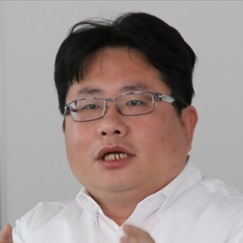 Akio Yaita
 Yoshihiko Yamada
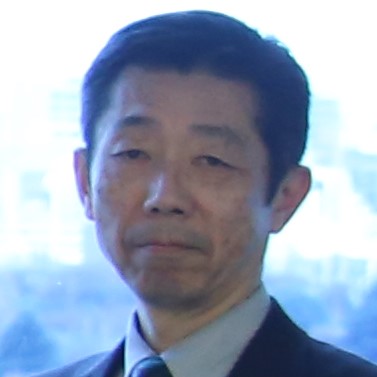 Seiji Kurosawa
 Koichi Endo
 Brahma Chellaney
 Nobuko Araki
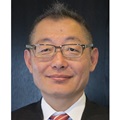 Yang Haiying
 James Auer
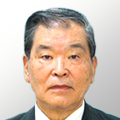 Sumihiko Kawamura
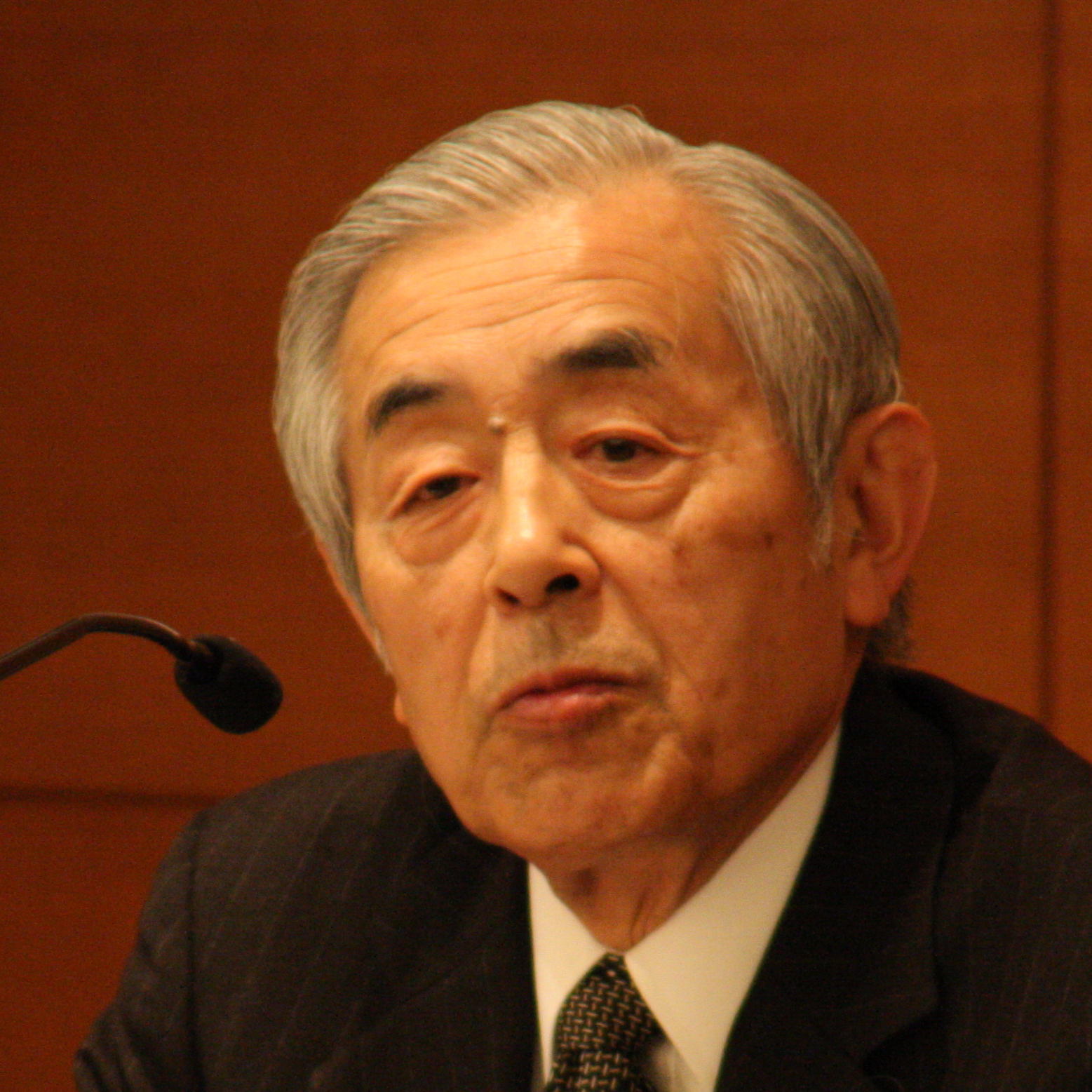 Hiroshi Kimura
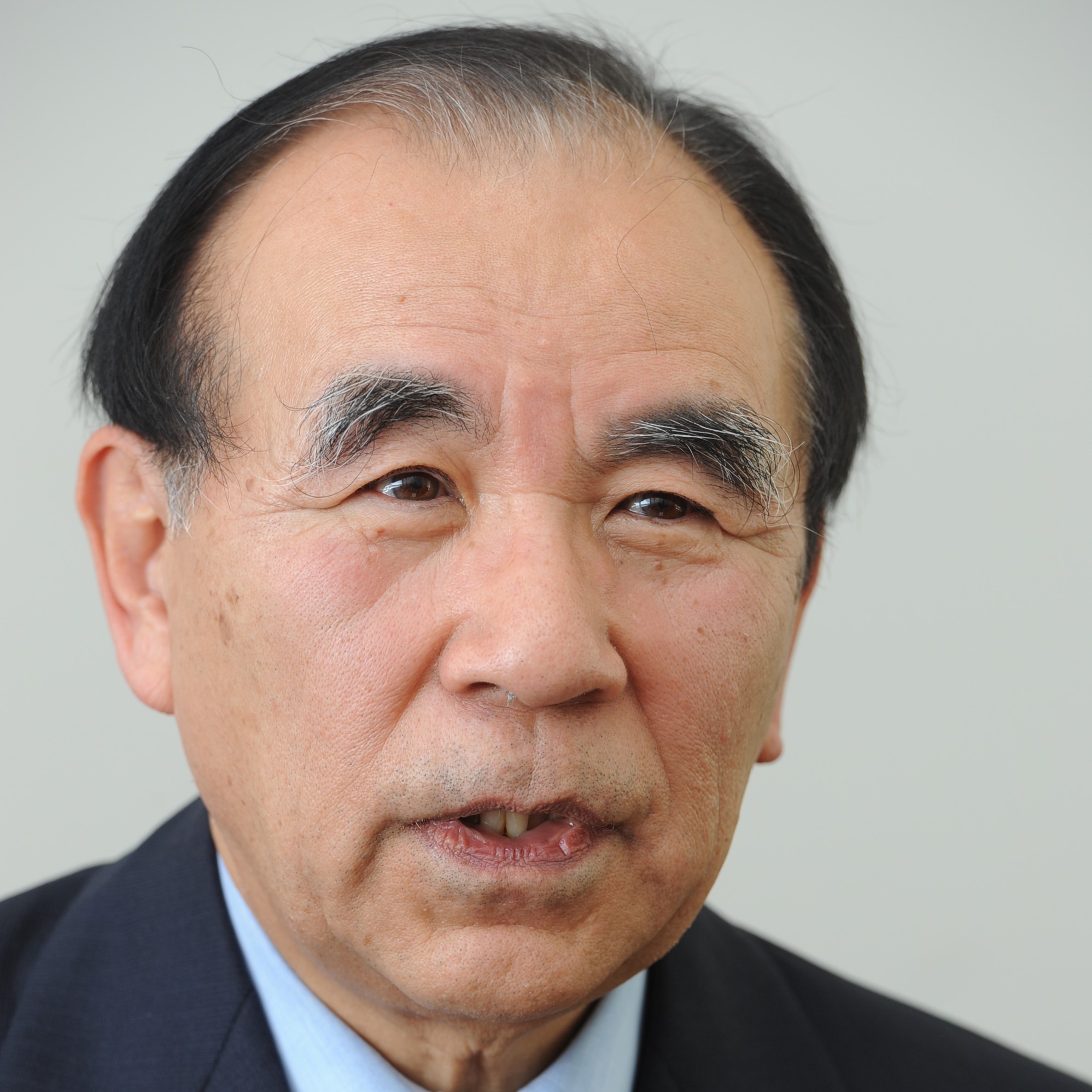 Osamu Nishi
 Koko Kato
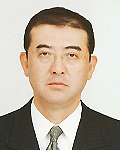 Tadashi Saito
 Shohei Umezawa
 Jason Morgan
 Arvind Gupta
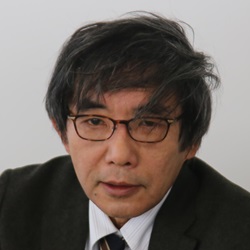 Kenro Nagoshi
 Takeshi Kudo
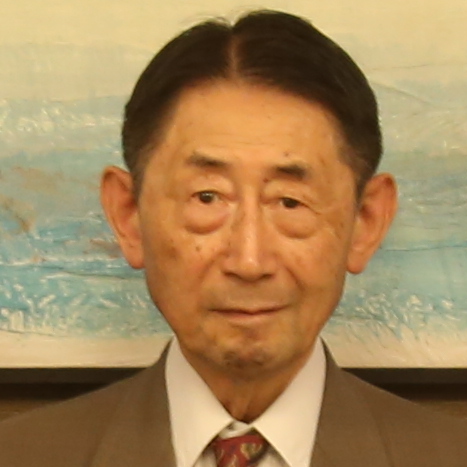 Sukehiro Hirakawa
 Yumiko Nishimoto
 Rikiwo Shikama
 Eriko Yamatani
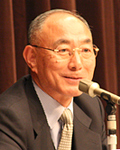 Koichi Furusho
 Tadashi Ito
 Satoshi Hirano
 Lee Woo Young
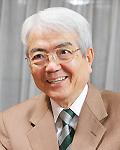 Taro Yayama
 Koh Sekai
 Koji Okamoto
 Tsutomu Toichi
 Hideaki Karaki
 Toshu Noguchi
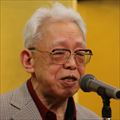 Kichinosuke Ihara
 Hisashi Matsumoto
 Yasuyuki Takai
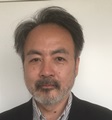 Nobuyuki Sato
 Chung Dae Kyun
 Toshio Watanabe
 Katsuya Tsukamoto
 Kazuto Suzuki
 Koichi Mera
 Akihisa Nagashima
 Miki Kase
 Eitaro Ogawa
 Hirotaka Watanabe
 Akinaka Senzaki
 Kevin Maher
 Yang Yi
 Hidetake Sawa
 Satoshi Tomisaka
 Nobukatsu Fujioka
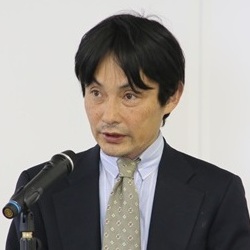 Masanori Kondo
 Hiroshi Ito
 Mio Sugita
 Rupakjyoti Borah
 Seiichi Okutomi
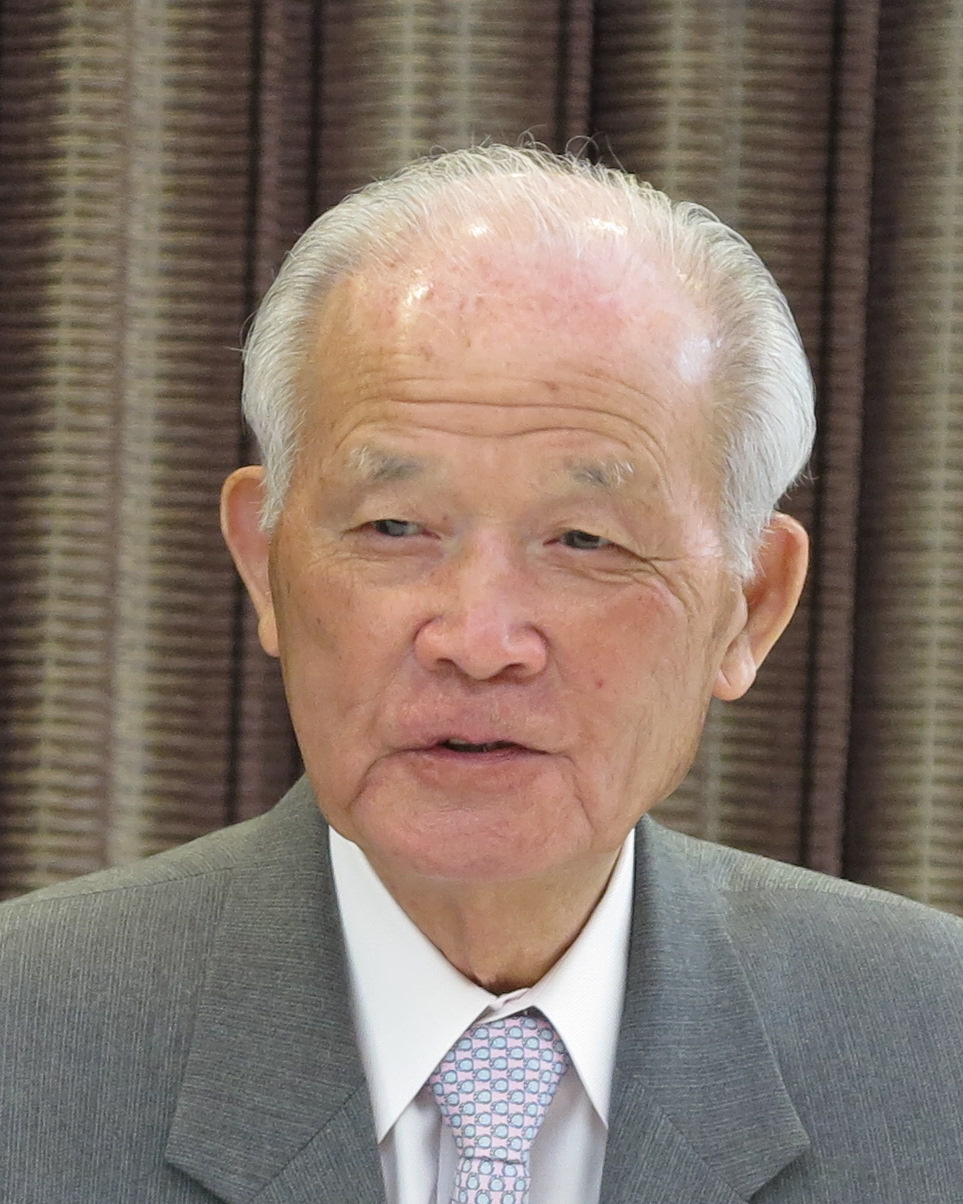 Saburo Tsukamoto
 Yasuo Naito
 Satoshi Sakakibara
 Yen-Hung Lin
 Sanae Takaichi
 Haruhisa Nakagawa
 Norihide Miyoshi
 Syunichi Akasofu
 Ryoichi Hamamoto
 Hong Hyung
 Andrii Gurenko
 Ronald Morse
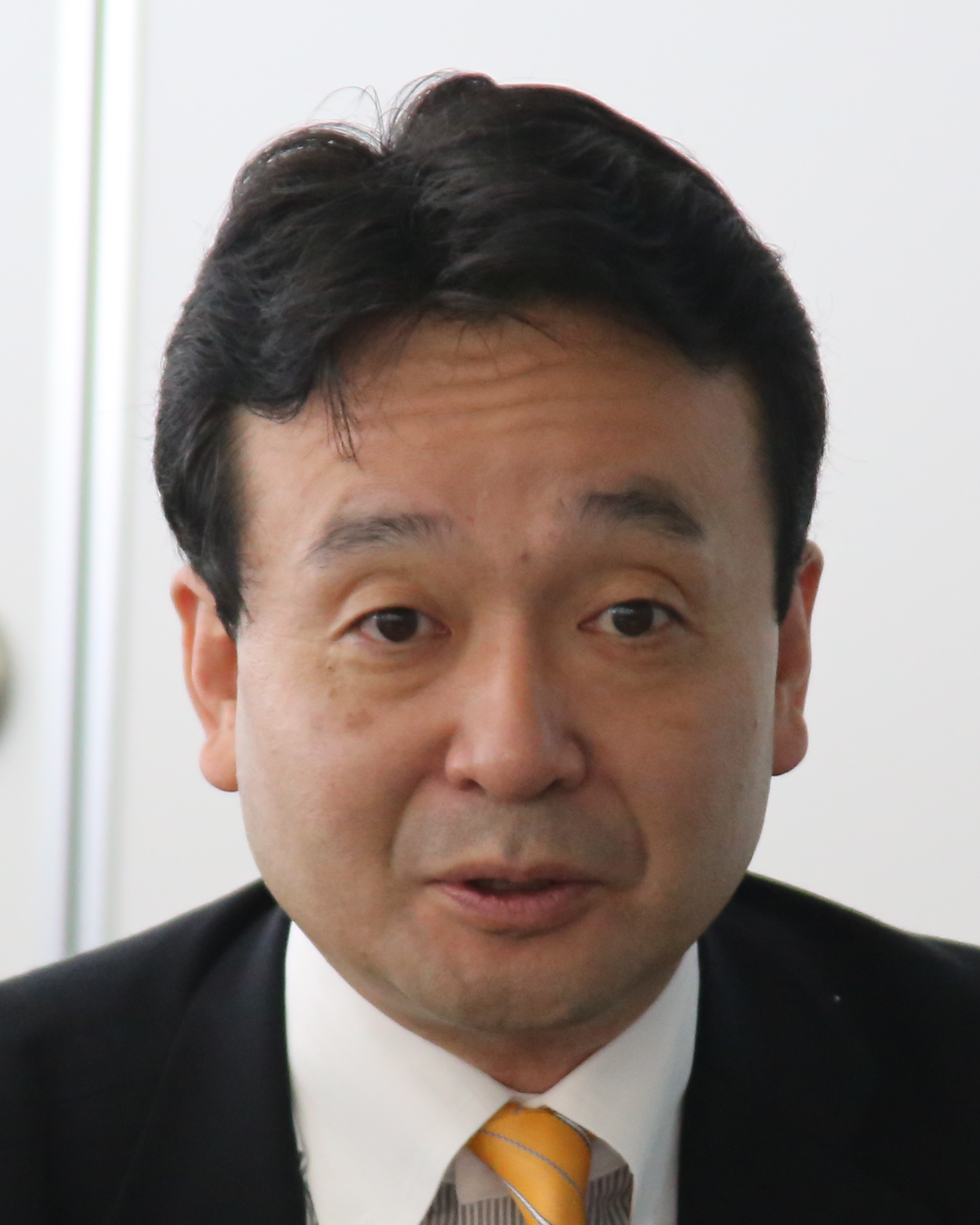 Kazuhiko Inoue
 Keiichi Nakagawa
 Masamori Sase
 Katsutoshi Kawano
 Tomohisa Takei