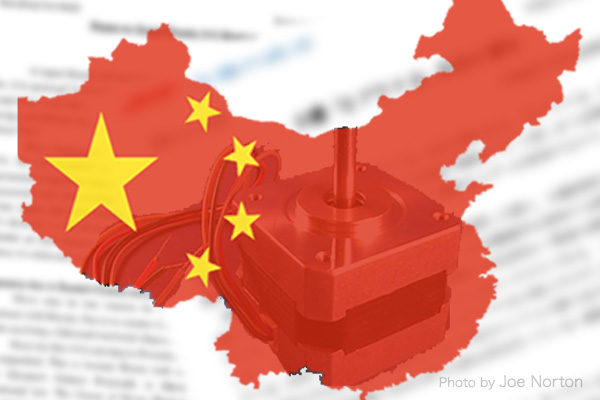
Two Japanese nationals have been detained by authorities in China since May, it was learned on June 24. The employees of Fuji Electric Co. are believed to be suspected of smuggling goods subject to China’s export/import ban in connection with the export of rare earth products.
Different motive from that for anti-espionage cases
Some China experts in Japan view the detention for the smuggling charge rather than an espionage charge as indicating China’s leniency. But this view is highly questionable. Conversely, others interpret the detention as reflecting an increased pressure from China on Japan. The detention may represent a check on Japan, which led cooperation at the recent Group of Seven summit to counter China over rare earths. While the possibility of such political maneuvering cannot be ruled out, the immediate objective should be seen as lying elsewhere.
In March 2023, a Japanese Astellas Pharma Inc. employee was seized on an espionage charge in China. The facts regarding the charge have remained unknown. The facts regarding the charge are not made public in most espionage cases. For the latest detention case, however, information leaked from the Chinese side suggests that the detained Japanese nationals are suspected of having exported products that were partially assembled in China to Japan, where they were then disassembled so that the magnets could be extracted and used. This indicates that the latest detention cannot be compared with the Astellas case.
New pressure over rare earth export controls
The focus in China’s rare earth export control has shifted from magnets to motors.
China launched an export control on heavy rare earths in April last year, and exports of them to Japan in particular have since plunged, while exports of high-performance magnets containing them have also dropped sharply. As a result, Japan’s production of motors using these magnets has faced a serious problem.
Particularly important among motors are servomotors that are integrated into various manufacturing machines and work with high precision. Japanese companies are overwhelmingly strong in producing servomotors that are the source of competitiveness for Japanese machine tools and robots.
In a stopgap measure to procure Chinese-made magnets, some Japanese companies move to carry out intermediate assembly processes for servomotors in China. This practice is called “China Assy,” short for “assembly.” Fuji Electric is among them.
When China imposed export controls on rare earths bound for Japan in 2010 over the Senkaku Islands dispute, Japanese magnet manufacturers proceeded with local production in China to secure rare earths. As a result, magnet manufacturing technologies were transferred to Chinese firms, leading to the subsequent rise of Chinese magnet manufacturers. This time, Japan’s motor industry, which lies one step further downstream, is being shaken over the procurement of Chinese-made magnets. There are concerns that it may repeat what happened with magnets.
This is because China is pursuing a strategy to internalize its entire supply chain from upstream to downstream, ranging from rare earths to magnets, then motors, and further to machine tools and robots.
Japanese companies should stop assembling in China
Even intermediate assembly processes in China contain various manufacturing knowhow, having the risk of technology leakage to China. For its part, China is hinting at its intention to check such moves as a measure to evade the export control.
In such circumstances, the recent detention should be taken seriously. Japanese companies should promptly consider halting the China Assy, and the Japanese government should respond firmly.
Masahiko Hosokawa is a professor at Meisei University, a special adviser to the Cabinet Secretariat, and a Planning Committee member at the Japan Institute for National Fundamentals. Formerly, he served as director-general of the Trade Control Department at Japan’s Ministry of Economy, Trade and Industry.
 Tsutomu Nishioka
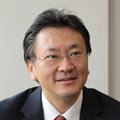 Takashi Arimoto
 Tadae Takubo
 Fumio Ota
 Yoshiko Sakurai
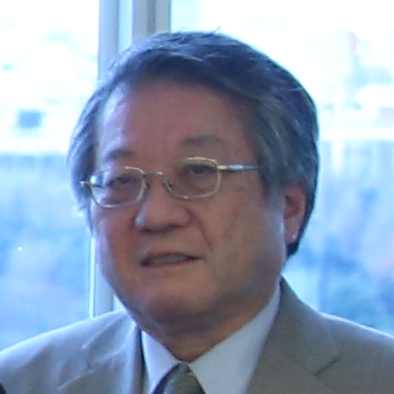 Yasushi Tomiyama
 Yoichi Shimada
 Hiroshi Yuasa
 Tadashi Narabayashi
 Hideo Tamura
 Kiyofumi Iwata
 Kunio Orita
 Maki Nakagawa
 Etsuro Honda
 Yujiro Oiwa
 Hironobu Ishikawa
 Shiro Takahashi
 Katsuhiko Takaike
 Michio Ezaki
 Akira Momochi
 Akio Yaita
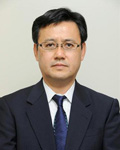 Yoshihiko Yamada
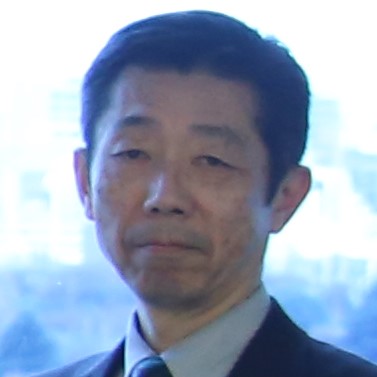 Seiji Kurosawa
 Koichi Endo
 Brahma Chellaney
 Nobuko Araki
 Yang Haiying
 James Auer
 Sumihiko Kawamura
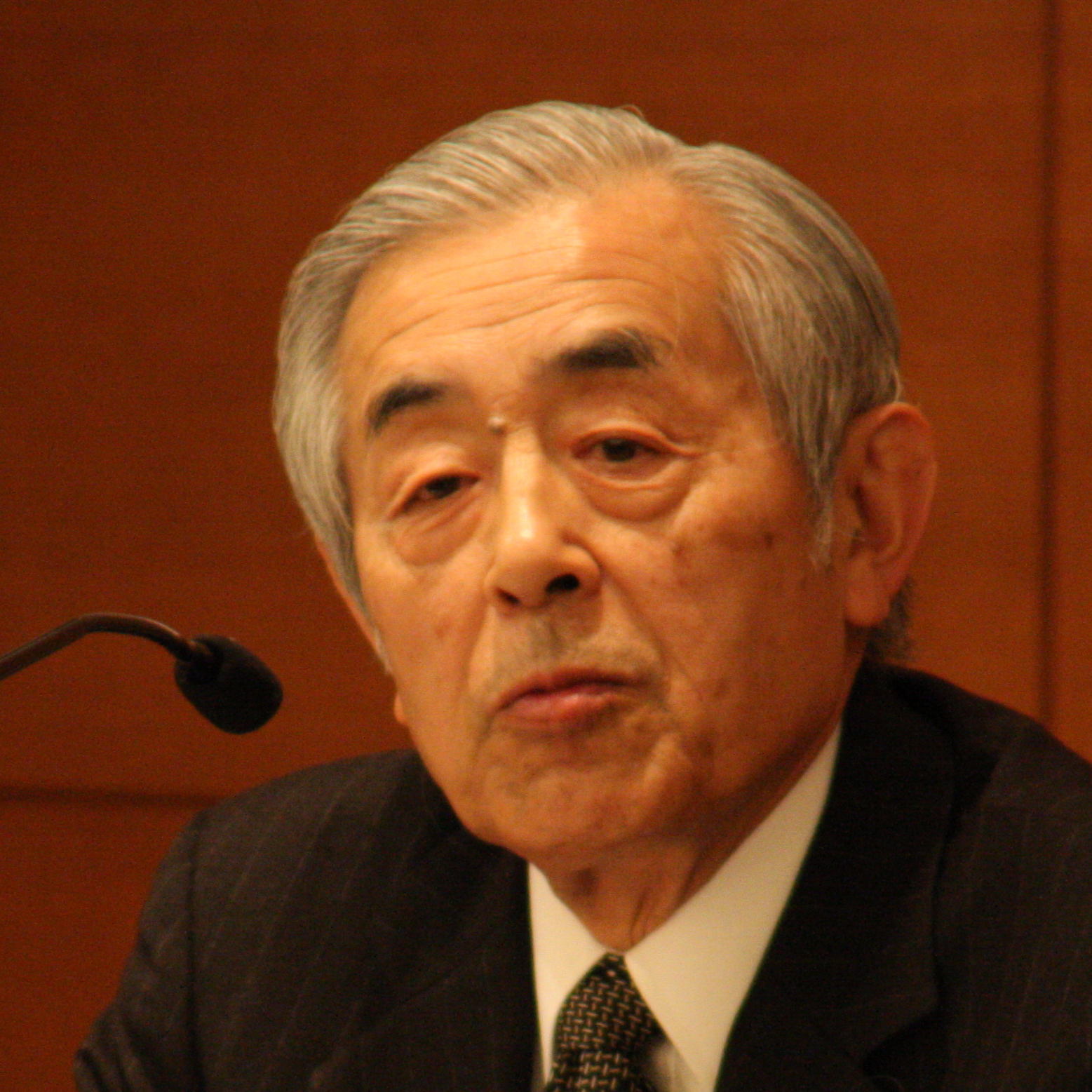 Hiroshi Kimura
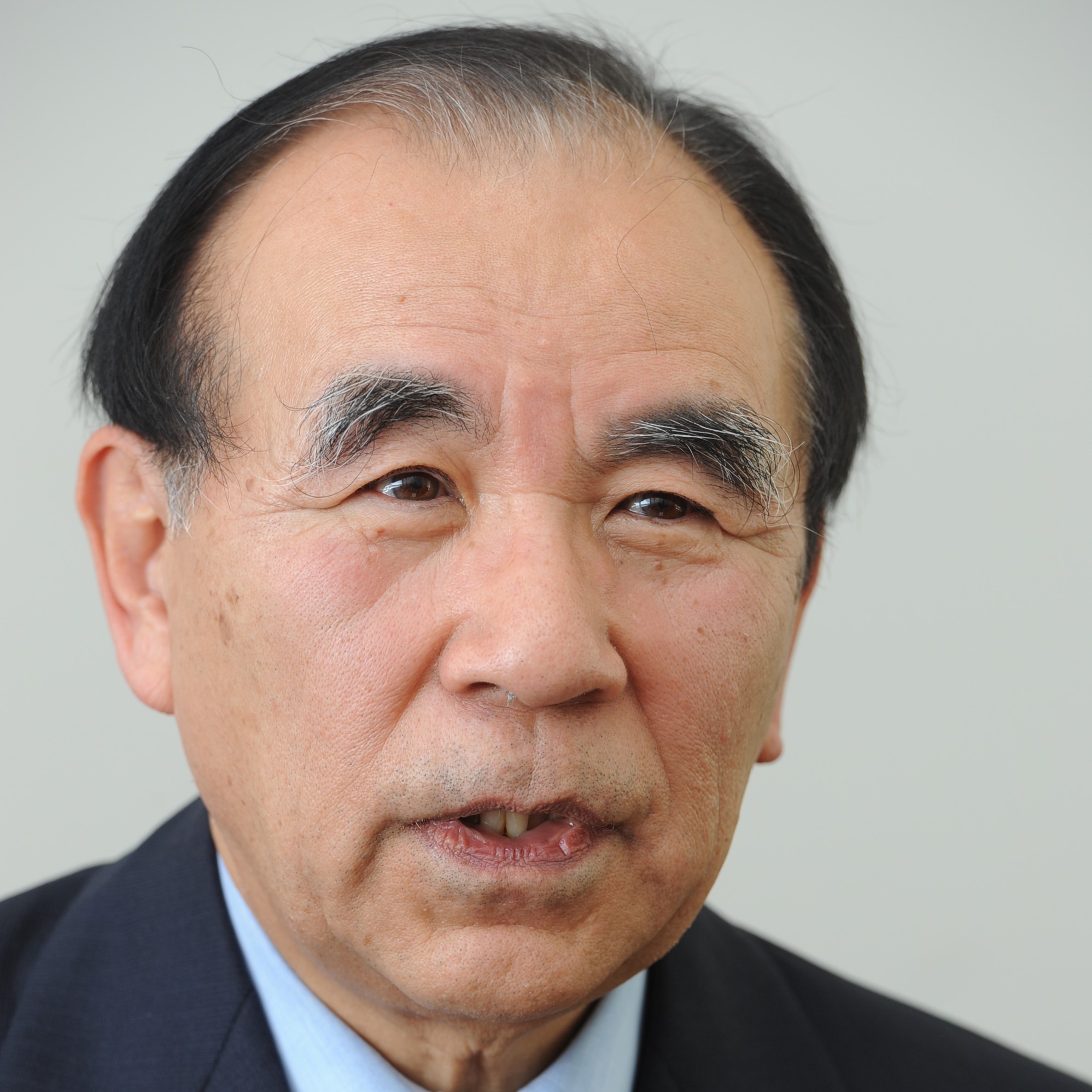 Osamu Nishi
 Koko Kato
 Tadashi Saito
 Shohei Umezawa
 Jason Morgan
 Arvind Gupta
 Kenro Nagoshi
 Takeshi Kudo
 Sukehiro Hirakawa
 Yumiko Nishimoto
 Rikiwo Shikama
 Eriko Yamatani
 Koichi Furusho
 Tadashi Ito
 Satoshi Hirano
 Lee Woo Young
 Taro Yayama
 Koh Sekai
 Koji Okamoto
 Tsutomu Toichi
 Hideaki Karaki
 Toshu Noguchi
 Kichinosuke Ihara
 Hisashi Matsumoto
 Yasuyuki Takai
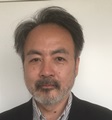 Nobuyuki Sato
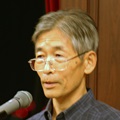 Chung Dae Kyun
 Toshio Watanabe
 Katsuya Tsukamoto
 Kazuto Suzuki
 Koichi Mera
 Akihisa Nagashima
 Miki Kase
 Eitaro Ogawa
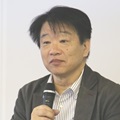 Hirotaka Watanabe
 Akinaka Senzaki
 Kevin Maher
 Yang Yi
 Hidetake Sawa
 Satoshi Tomisaka
 Nobukatsu Fujioka
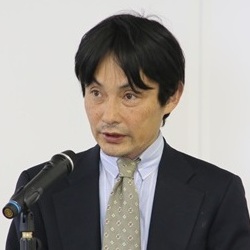 Masanori Kondo
 Hiroshi Ito
 Mio Sugita
 Rupakjyoti Borah
 Seiichi Okutomi
 Saburo Tsukamoto
 Yasuo Naito
 Satoshi Sakakibara
 Yen-Hung Lin
 Sanae Takaichi
 Haruhisa Nakagawa
 Norihide Miyoshi
 Syunichi Akasofu
 Ryoichi Hamamoto
 Hong Hyung
 Andrii Gurenko
 Ronald Morse
 Kazuhiko Inoue
 Keiichi Nakagawa
 Masamori Sase
 Katsutoshi Kawano
 Tomohisa Takei