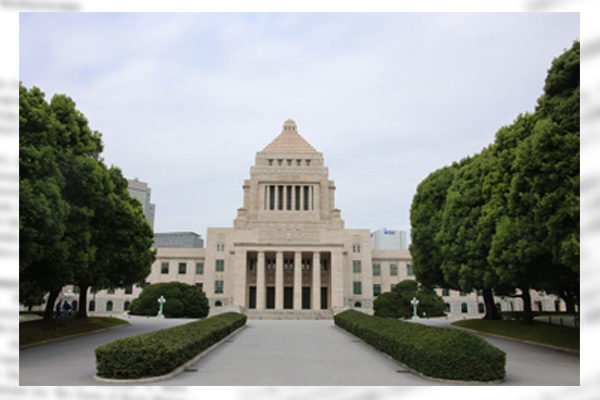
Japanese Prime Minister Sanae Takaichi has decided not to attend a North Atlantic Treaty Organization summit to be held in Turkey in July. The reported reason for the decision is that she gives priority to a busy parliamentary schedule toward the approaching end of the current ordinary Diet session. Following former Prime Minister Shigeru Ishiba’s absence last year, a Japanese prime minister will once again forgo an important diplomatic venue for security discussions because of a domestic political reason. How long will Japan continue this self‑defeating practice that undermines its presence in the international community?
Unusual gap between Japanese and British prime ministers
The unusually restrictive conditions surrounding Japan’s prime minister become obvious when compared with Britain, which operates under the same parliamentary system. According to a study based on 2015 data by Keitaro Ohno, a House of Representatives lawmaker from the ruling Liberal Democratic Party, the prime minister’s parliamentary attendance time that year was 369 hours and 32 minutes in Japan compared with 49 hours and 45 minutes in Britain, a roughly sevenfold difference.
The British prime minister usually attends the parliament (the House of Commons) only once a week. Although there are occasions when the prime minister attends on other days—for example, for votes on major bills or for statements on matters of national importance—most parliamentary business is handled by the relevant cabinet ministers. As a result, the British prime minister is not excessively tied down by parliamentary obligations and can focus on high‑level diplomacy and crisis management.
In contrast, the Japanese prime minister is sometimes forced to sit for up to eight hours a day during Diet deliberations. This is precisely a Galapagos‑like relic of past political custom—an anachronistic practice that has remained unchanged from the Showa era through Heisei and now Reiwa.
For opposition parties, the prime minister’s attendance in parliament provides an excellent stage to attack the administration and gain media exposure. Therefore, they strongly oppose relaxing the parliamentary attendance requirement for the prime minister. The ruling party has also easily accepted opposition demands for the prime minister’s attendance to keep parliamentary proceedings running smoothly. Moreover, even questions that may be answered by working-level officials are concentrated on the prime minister, causing a significant decline in the quality of parliamentary debate.
The party leaders’ debate, which was modeled after the Prime Minister’s Questions in Britain, has become a mere formality, a perfunctory ritual held only infrequently. This is not a debate for protecting national interests, but simply a waste of time.
Change mindset toward proper use of time
Now is the time to carry out parliamentary reform with a clear sense of priorities. As proposed by Ohno, responses to parliamentary questions should be clearly categorized: the prime minister should answer questions on policy directions and political judgment and leave relevant cabinet ministers or their deputies to respond to questions on administrative execution and technical matters.
Above all, what is needed is a change in mindset for both ruling and opposition parties. Rather than tying the prime minister down in the Diet, they must recognize that demonstrating Japan’s leadership at international conferences and directing the nation’s most important affairs from the Prime Minister’s Office constitute the proper use of a national leader’s time.
As the world is undergoing dramatic changes, Japan can no longer afford to sink into an inward‑looking, self‑contained “Galapagos politics” cut off from global realities. Lawmakers should immediately end futile efforts to keep the prime minister tied down in the Diet and set her free to engage on the global stage.
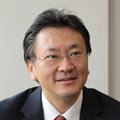
Takashi Arimoto is a Planning Committee member at the Japan Institute for National Fundamentals and a columnist at the Sankei Shimbun newspaper.
 Tsutomu Nishioka
 Tadae Takubo
 Fumio Ota
 Yoshiko Sakurai
 Yasushi Tomiyama
 Masahiko Hosokawa
 Yoichi Shimada
 Hiroshi Yuasa
 Tadashi Narabayashi
 Hideo Tamura
 Kiyofumi Iwata
 Kunio Orita
 Maki Nakagawa
 Etsuro Honda
 Yujiro Oiwa
 Hironobu Ishikawa
 Shiro Takahashi
 Katsuhiko Takaike
 Michio Ezaki
 Akira Momochi
 Akio Yaita
 Yoshihiko Yamada
 Seiji Kurosawa
 Koichi Endo
 Brahma Chellaney
 Nobuko Araki
 Yang Haiying
 James Auer
 Sumihiko Kawamura
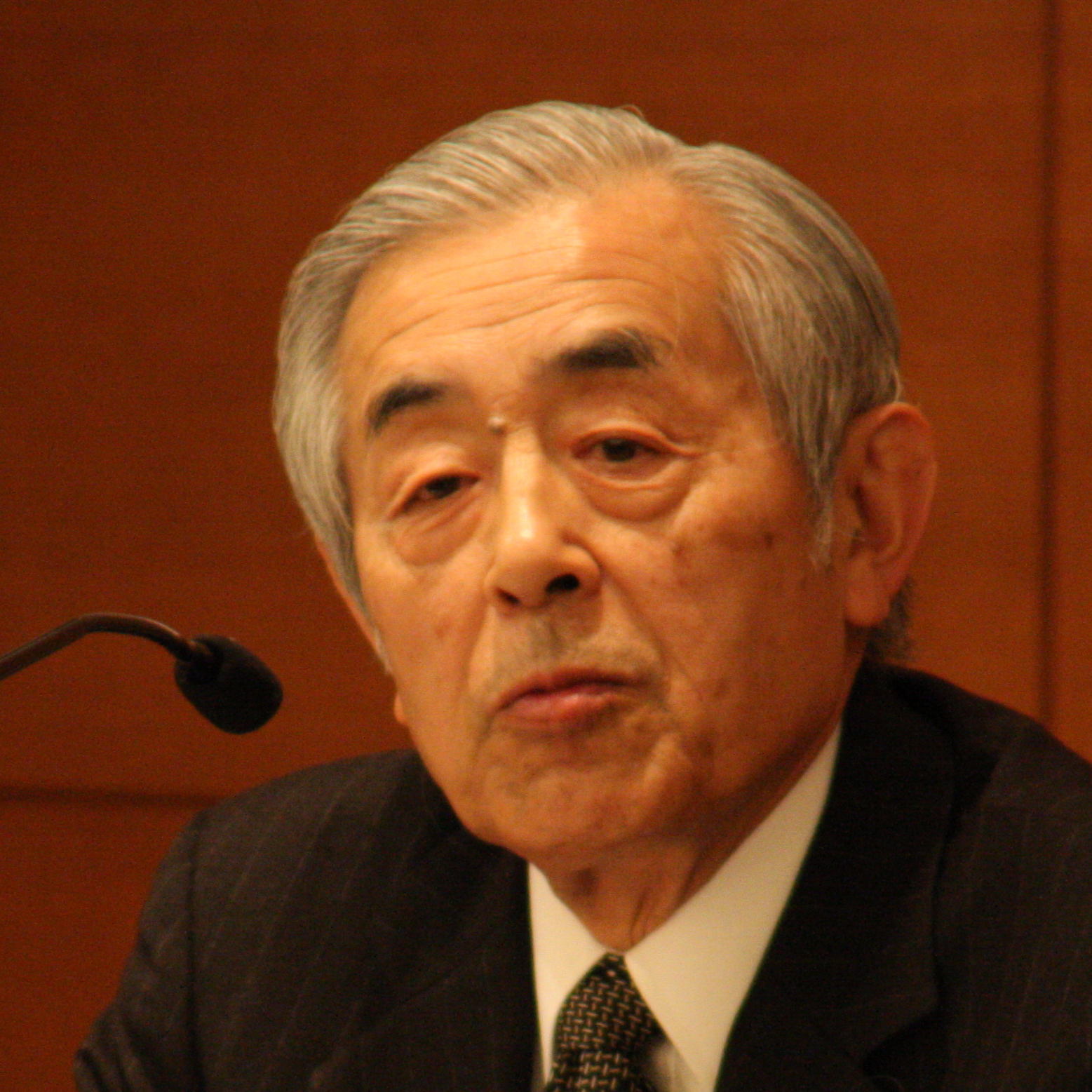 Hiroshi Kimura
 Osamu Nishi
 Koko Kato
 Tadashi Saito
 Shohei Umezawa
 Jason Morgan
 Arvind Gupta
 Kenro Nagoshi
 Takeshi Kudo
 Sukehiro Hirakawa
 Yumiko Nishimoto
 Rikiwo Shikama
 Eriko Yamatani
 Koichi Furusho
 Tadashi Ito
 Satoshi Hirano
 Lee Woo Young
 Taro Yayama
 Koh Sekai
 Koji Okamoto
 Tsutomu Toichi
 Hideaki Karaki
 Toshu Noguchi
 Kichinosuke Ihara
 Hisashi Matsumoto
 Yasuyuki Takai
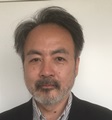 Nobuyuki Sato
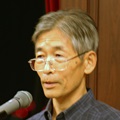 Chung Dae Kyun
 Toshio Watanabe
 Katsuya Tsukamoto
 Kazuto Suzuki
 Koichi Mera
 Akihisa Nagashima
 Miki Kase
 Eitaro Ogawa
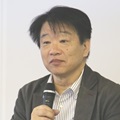 Hirotaka Watanabe
 Akinaka Senzaki
 Kevin Maher
 Yang Yi
 Hidetake Sawa
 Satoshi Tomisaka
 Nobukatsu Fujioka
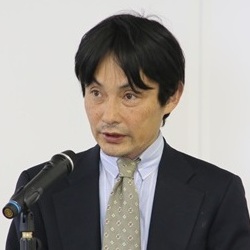 Masanori Kondo
 Hiroshi Ito
 Mio Sugita
 Rupakjyoti Borah
 Seiichi Okutomi
 Saburo Tsukamoto
 Yasuo Naito
 Satoshi Sakakibara
 Yen-Hung Lin
 Sanae Takaichi
 Haruhisa Nakagawa
 Norihide Miyoshi
 Syunichi Akasofu
 Ryoichi Hamamoto
 Hong Hyung
 Andrii Gurenko
 Ronald Morse
 Kazuhiko Inoue
 Keiichi Nakagawa
 Masamori Sase
 Katsutoshi Kawano
 Tomohisa Takei