Eighty-one years have passed since the end of World War II. After rising to become an economic superpower second only to the United States in 1968, Japan entered a prolonged period of economic stagnation in the second half of the 1990s and still remains in the doldrums. This situation, often called “the second defeat,” is attributable to rigid, austerity‑first orthodoxy.
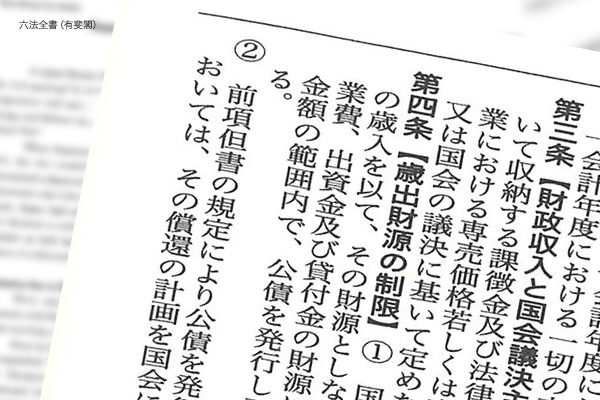
The roots of austerity‑first orthodoxy lie in the Public Finance Act that was established simultaneously with the so-called pacifist constitution. Reflecting on the fact that government bonds had become a source of funding for military expansion before and during the war, the act mandated that fiscal spending be limited to tax revenue. The mandate was carried over to the policy of trying to achieve a primary budget surplus that began in fiscal 1997. For 30 years from the year, fiscal consolidation remained a golden rule, keeping a tight grip on the thinking of politicians and the media.
Former prime minister’s flimsy argument
It was the government of Prime Minister Sanae Takaichi, inaugurated last autumn, that broke free from that grip. The government advocates what it calls a “responsible and proactive fiscal policy” to revitalize the Japanese economy. However, Takaichi faces resistance from the old guard within her ruling Liberal Democratic Party. Leading the resistance is her predecessor Shigeru Ishiba.
On BS Fuji TV on August 4, Ishiba faulted Takaichi’s decision to cut the consumption tax rate on food from 8% to 1% in a slimy tone. He argued that the campaign pledge that led to the LDP’s landslide victory in the House of Representatives election earlier this year was to “accelerate the consideration” of a consumption tax cut, rather than to implement the tax cut. While recommending cash handouts that are nothing more than pork‑barrel giveaways, Ishiba rattled off warnings that the tax cut would lead to a shortage of social security funding, and, in turn, accelerate fiscal anxiety, the yen’s depreciation, interest rate hikes, and price increases. This argument is flimsy for the following reasons.
Fundamental cause of yen depreciation is stagnant domestic demand
Social security funding consists of social insurance premiums and tax revenue, while the consumption tax only constitutes a component of overall tax revenue. Tax revenue increases significantly along with a rising economic growth rate. The consumption tax reduction on food is estimated to represent a 5 trillion yen decline in tax revenue, but national general account tax revenue in fiscal 2025 increased by 9 trillion yen from the previous year. From fiscal 2020 to 2025, annual tax revenue increased by an average 5.6%, faster than the average nominal economic growth rate of 3.2%. During the period from fiscal 1997 to 2019 when tax hikes were combined with fiscal austerity, the average nominal economic growth rate was limited to 0.1% against the average tax revenue increase of 0.3%.
While it cannot be denied that the yen’s depreciation contributes to interest rate and price hikes, the claim that a tax cut would cause the yen’s depreciation is unfounded. The fundamental cause of the yen’s depreciation is domestic demand’s prolonged stagnation that leads yen funds to flow out overseas and Japanese companies’ huge overseas investment profits to stay overseas. Shoring up domestic demand through tax cuts and spurring private domestic investment through fiscal measures—in other words, putting Takaichi’s economic policy firmly on track—is precisely what will prove decisive in halting the yen’s decline.
When Ishiba was prime minister, however, he promised $550 billion in investment in the United States over three years, yielding to President Donald Trump’s demand.
Hideo Tamura is a Planning Committee member at the Japan Institute for National Fundamentals and a columnist for the Sankei Shimbun newspaper.
 Tsutomu Nishioka
 Takashi Arimoto
 Tadae Takubo
 Fumio Ota
 Yoshiko Sakurai
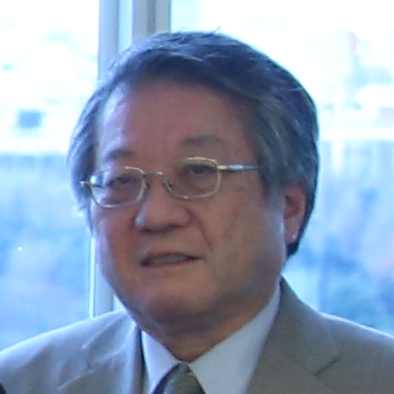 Yasushi Tomiyama
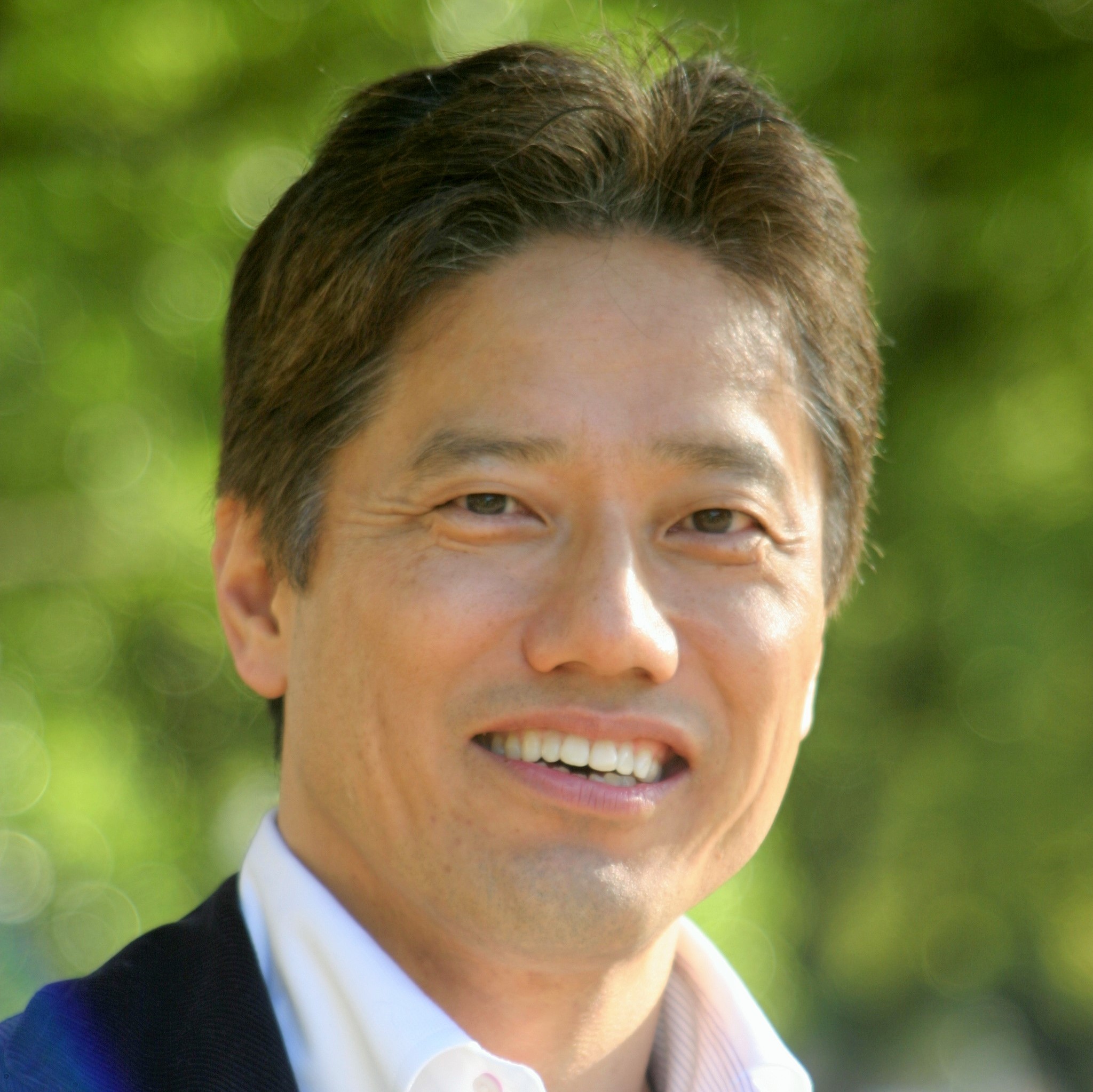 Masahiko Hosokawa
 Yoichi Shimada
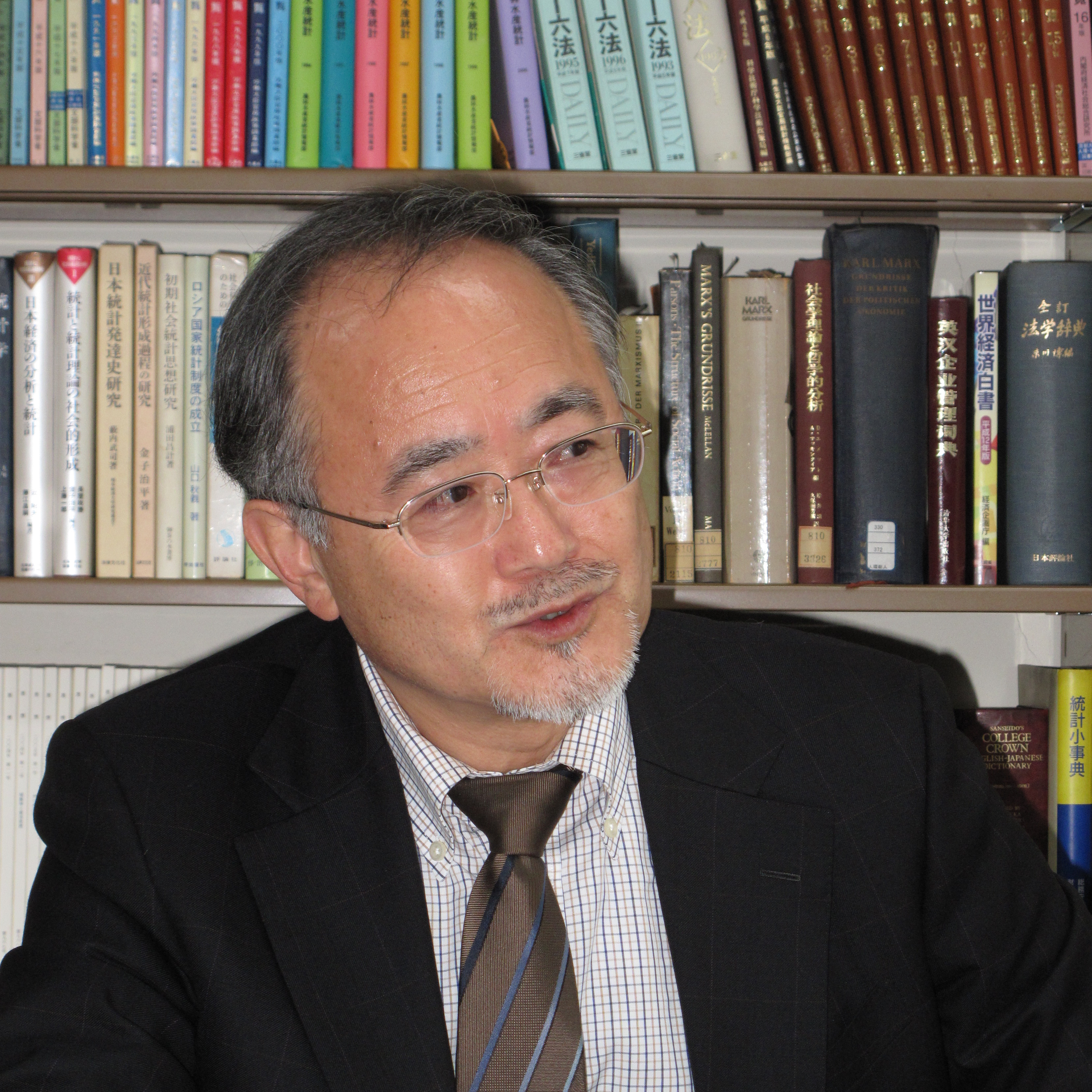 Hiroshi Yuasa
 Tadashi Narabayashi
 Kiyofumi Iwata
 Kunio Orita
 Maki Nakagawa
 Etsuro Honda
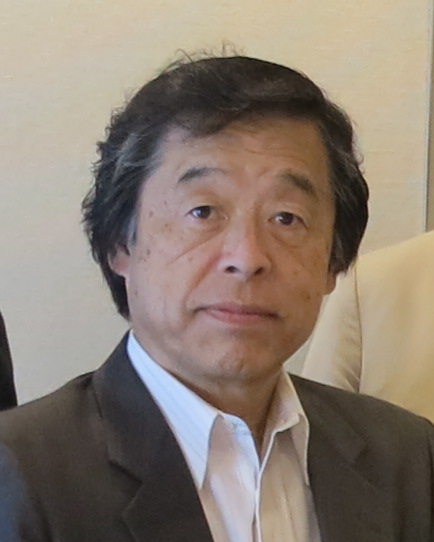 Yujiro Oiwa
 Hironobu Ishikawa
 Shiro Takahashi
 Katsuhiko Takaike
 Michio Ezaki
 Akira Momochi
 Akio Yaita
 Yoshihiko Yamada
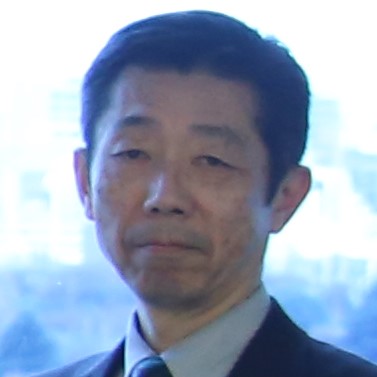 Seiji Kurosawa
 Koichi Endo
 Brahma Chellaney
 Nobuko Araki
 Yang Haiying
 James Auer
 Sumihiko Kawamura
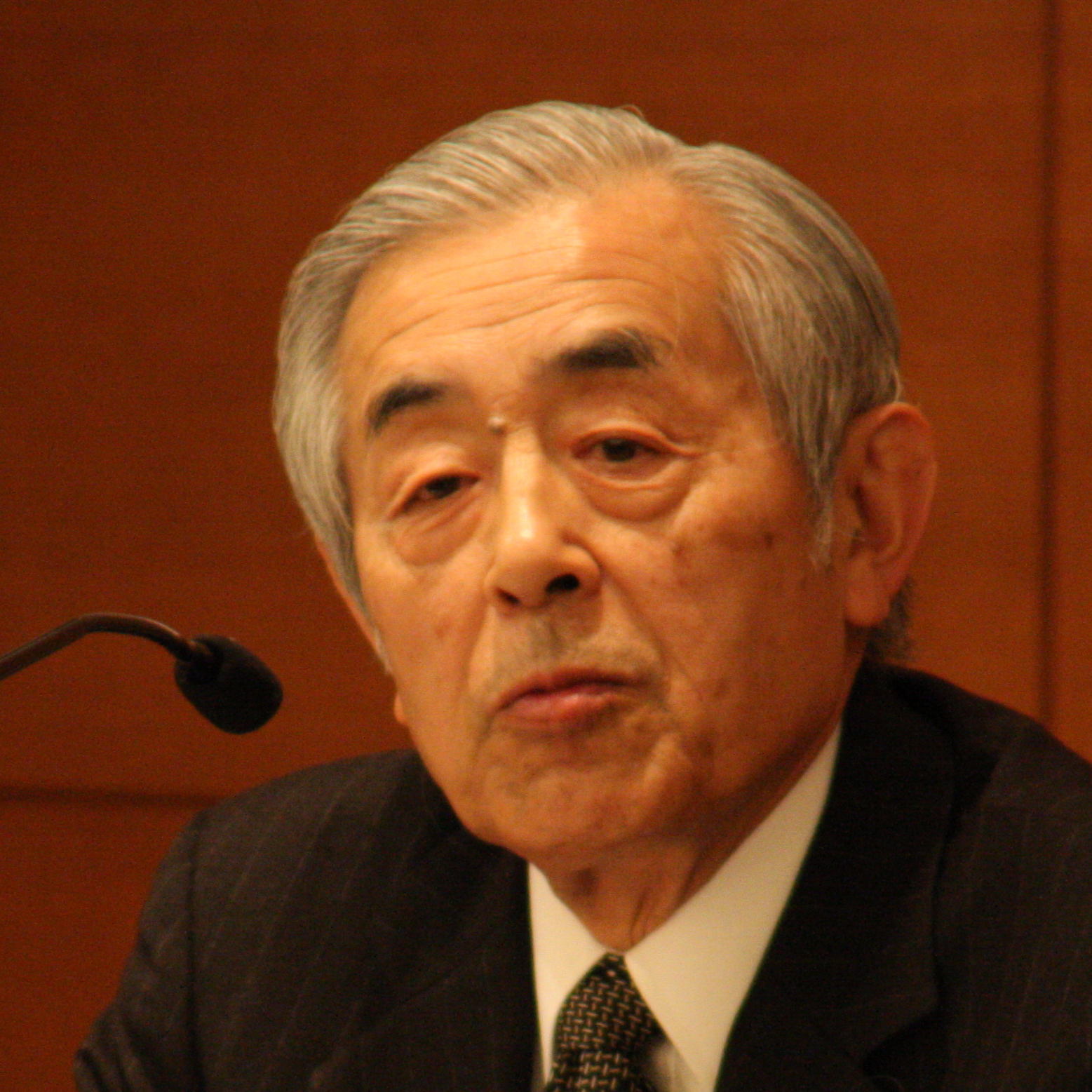 Hiroshi Kimura
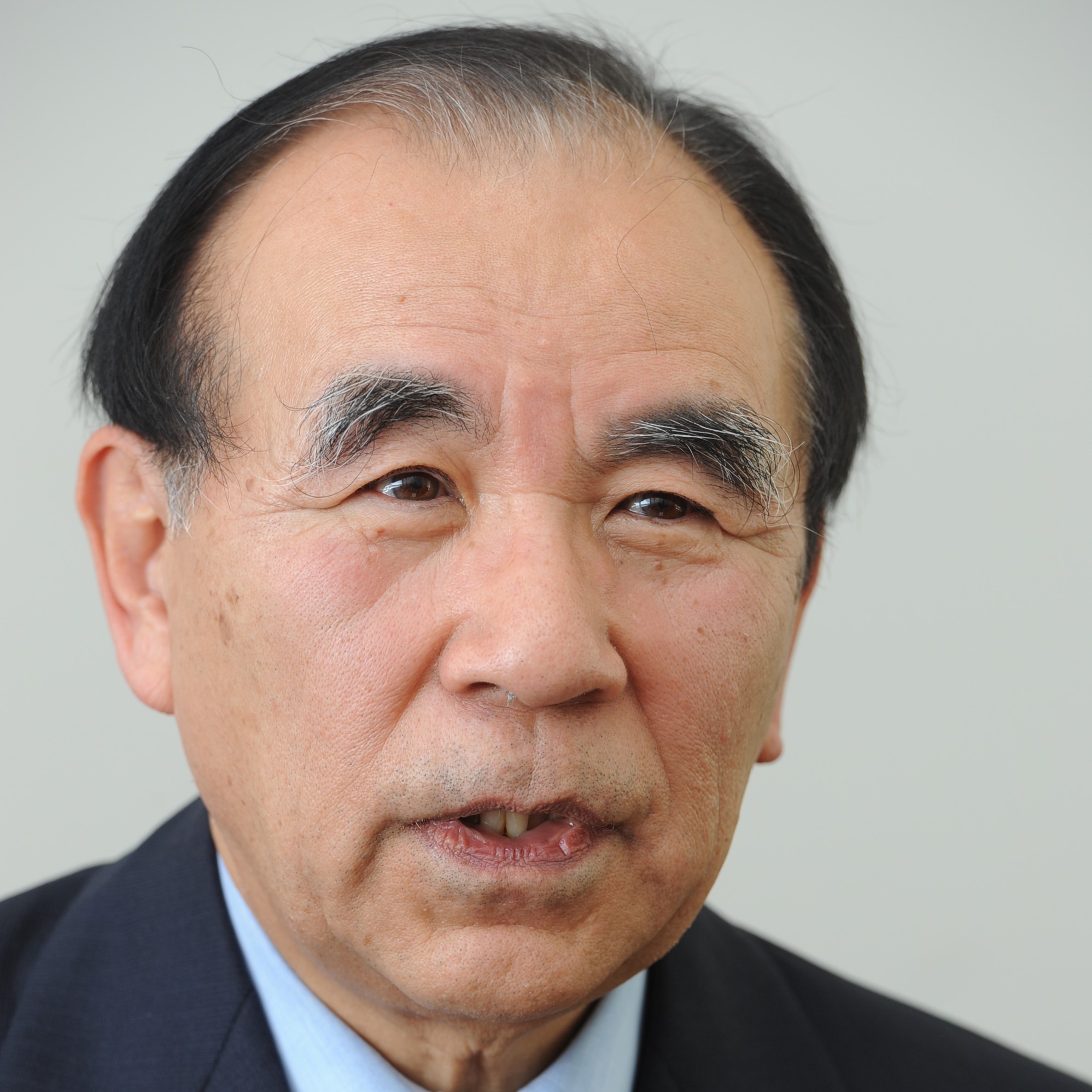 Osamu Nishi
 Koko Kato
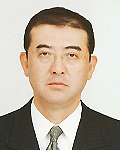 Tadashi Saito
 Shohei Umezawa
 Jason Morgan
 Arvind Gupta
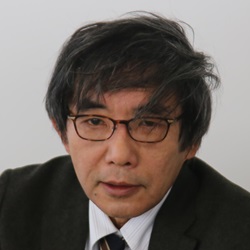 Kenro Nagoshi
 Takeshi Kudo
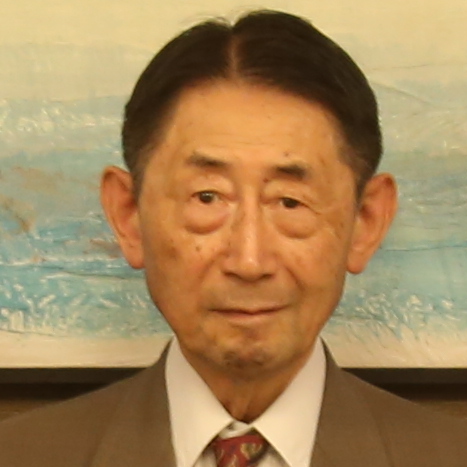 Sukehiro Hirakawa
 Yumiko Nishimoto
 Rikiwo Shikama
 Eriko Yamatani
 Koichi Furusho
 Tadashi Ito
 Satoshi Hirano
 Lee Woo Young
 Taro Yayama
 Koh Sekai
 Koji Okamoto
 Tsutomu Toichi
 Hideaki Karaki
 Toshu Noguchi
 Kichinosuke Ihara
 Hisashi Matsumoto
 Yasuyuki Takai
 Nobuyuki Sato
 Chung Dae Kyun
 Toshio Watanabe
 Katsuya Tsukamoto
 Kazuto Suzuki
 Koichi Mera
 Akihisa Nagashima
 Miki Kase
 Eitaro Ogawa
 Hirotaka Watanabe
 Akinaka Senzaki
 Kevin Maher
 Yang Yi
 Hidetake Sawa
 Satoshi Tomisaka
 Nobukatsu Fujioka
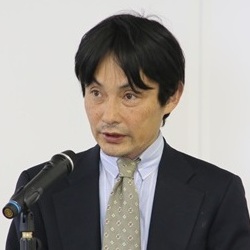 Masanori Kondo
 Hiroshi Ito
 Mio Sugita
 Rupakjyoti Borah
 Seiichi Okutomi
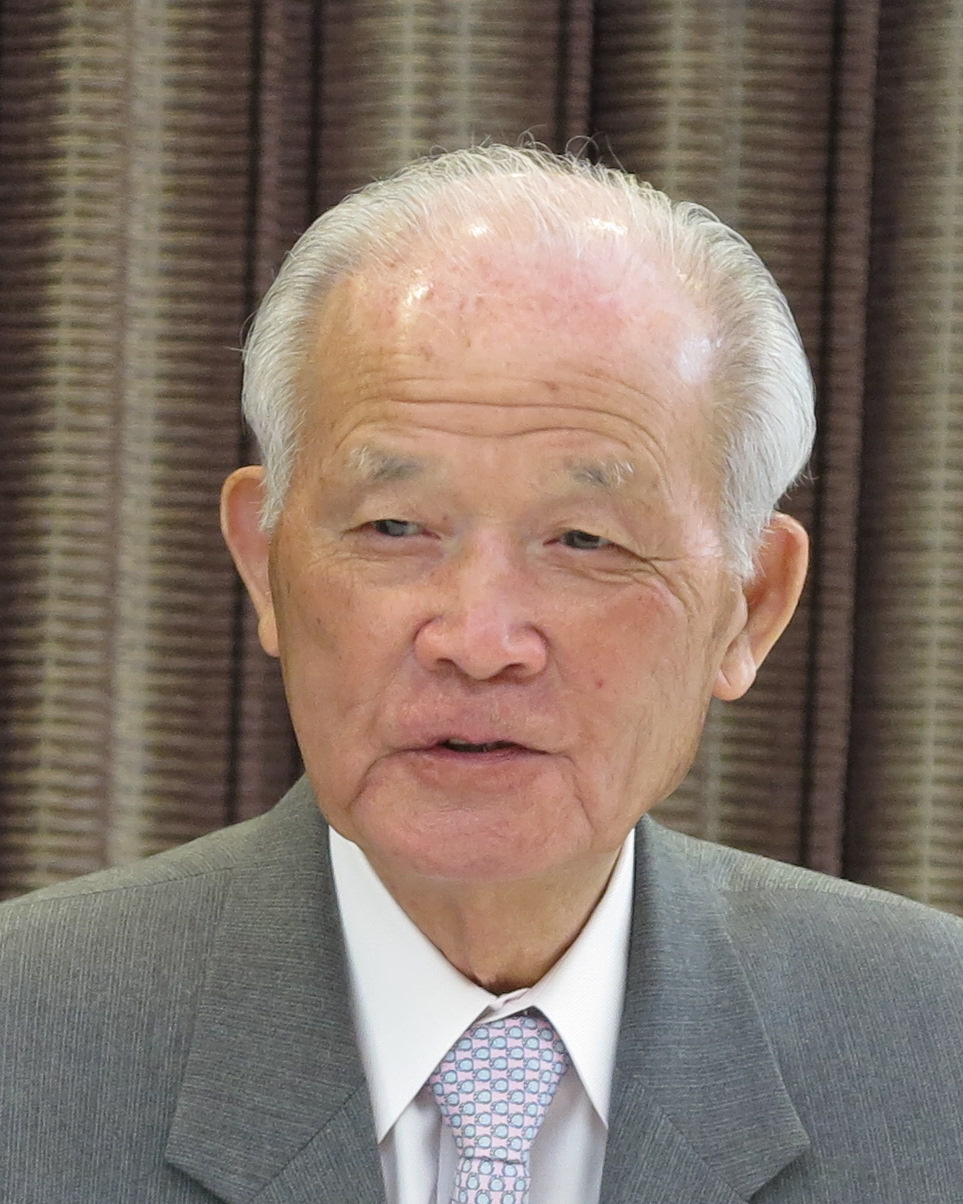 Saburo Tsukamoto
 Yasuo Naito
 Satoshi Sakakibara
 Yen-Hung Lin
 Sanae Takaichi
 Haruhisa Nakagawa
 Norihide Miyoshi
 Syunichi Akasofu
 Ryoichi Hamamoto
 Hong Hyung
 Andrii Gurenko
 Ronald Morse
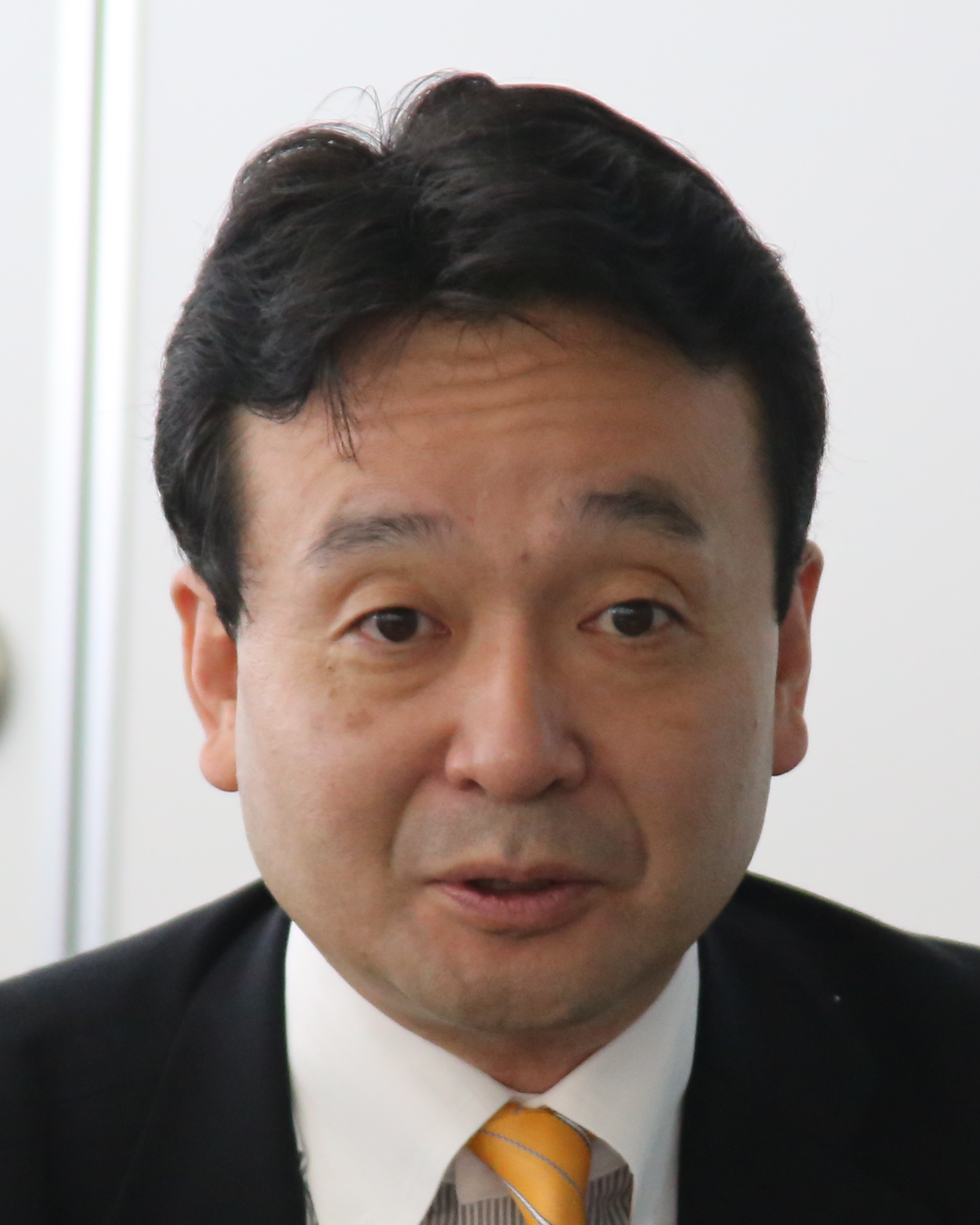 Kazuhiko Inoue
 Keiichi Nakagawa
 Masamori Sase
 Katsutoshi Kawano
 Tomohisa Takei