Japan’s National Diet kicked off an extraordinary autumn session on October 5, with deliberations set to begin on a bill to cut the consumption tax on food products. Coupled with the ongoing work of compiling next fiscal year’s budget, the Sanae Takaichi administration’s “responsible and proactive fiscal policy” is approaching a critical test. Yet Finance Minister Satsuki Katayama goes out of her way to stress that Prime Minister Takaichi is not a “reflationist.” Katayama presumably has in mind the U.S. Trump administration’s call for correcting the Japanese yen’s depreciation and reactions from financial markets. If Katayama were to place so much emphasis on anti-reflationism that she ended up pursuing fiscal austerity, however, the Takaichi administration’s core scenario for Japan’s economic revitalization would be derailed. Priority should be given to returning tax revenue growth fully to the private sector through expanded policy spending.
Policy spending failing to increase
Reflation refers to the re-inflation of the currency, meaning the central bank’s significant monetary easing and the government’s increased issuance of deficit-covering bonds. It is wrong to accelerate interest rate hikes and tighten fiscal policy in defiance of the actual economic situation while being overly conscious of an anti-reflationism. Following a decision by the Bank of Japan to raise its policy interest rate on September 18, BOJ Governor Kazuo Ueda has openly expressed a willingness to accelerate rate hikes.
The actual consumer price inflation rate slips below the 2% price stabilization target, with price hikes attributed to cost increases for a limited range of items such as food and energy. It can hardly be said that inflation in Japan is being driven by robust consumer demand, as it has been in the United States. Significant rate hikes would further dampen already weak demand and undermine the expansion of domestic demand, which is essential to the Takaichi administration’s growth strategy.
As I pointed out in the September 7 Speaking Out column titled “Takaichi’s Growth Strategy Is Not Reinflationary,” Takaichi’s current fiscal policy remains within the framework of fiscal austerity. This is because the Takaichi administration has yet to increase policy spending in line with fast tax revenue growth. Taxes drain household income and corporate earnings, making them a negative factor for gross domestic product. By increasing policy spending on public investment, social security, defense, and education, the government can refunnel tax revenue growth entirely to the private sector and maintain economic growth.
Revise tax revenue estimates
For the current fiscal year’s budget, the Ministry of Finance estimates tax revenue at 83.7 trillion yen, down from the FY2025 settlement figure of 84.2 trillion yen. This represents a familiar tactic by MOF bureaucrats to underestimate tax revenue. In reality, buoyed primarily by corporate taxes, revenues continue to rise sharply and are on track to exceed 89 trillion yen. Even with the rise in tax revenue, unless policy spending is increased, the scale of economic contraction would exceed 12 trillion yen, equivalent to 1.8% of FY2025 GDP.
For the Takaichi administration, which has chosen not to compile a supplementary budget, a substantial expansion of policy spending in next year’s budget should be imperative. Apart from the cut in the consumption tax on food, there will also be a need to allocate funds to areas such as defense and disaster preparedness, which is likely to spark debate over whether the policy amounts to be reflationary or not. The Takaichi administration should instruct the MOF to formulate a highly reliable tax revenue estimate that reflects actual state of the economy and present it as the premise for the discussion.
Hideo Tamura is a Planning Committee member at the Japan Institute for National Fundamentals and a senior correspondent for the Sankei Shimbun newspaper.
 Tsutomu Nishioka
 Takashi Arimoto
 Tadae Takubo
 Fumio Ota
 Yoshiko Sakurai
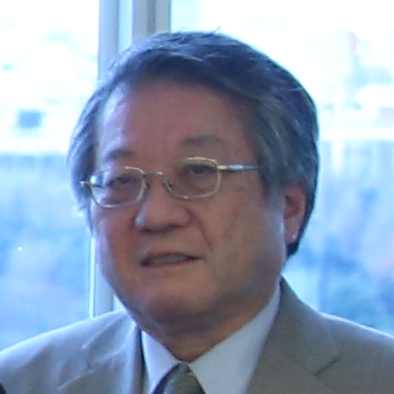 Yasushi Tomiyama
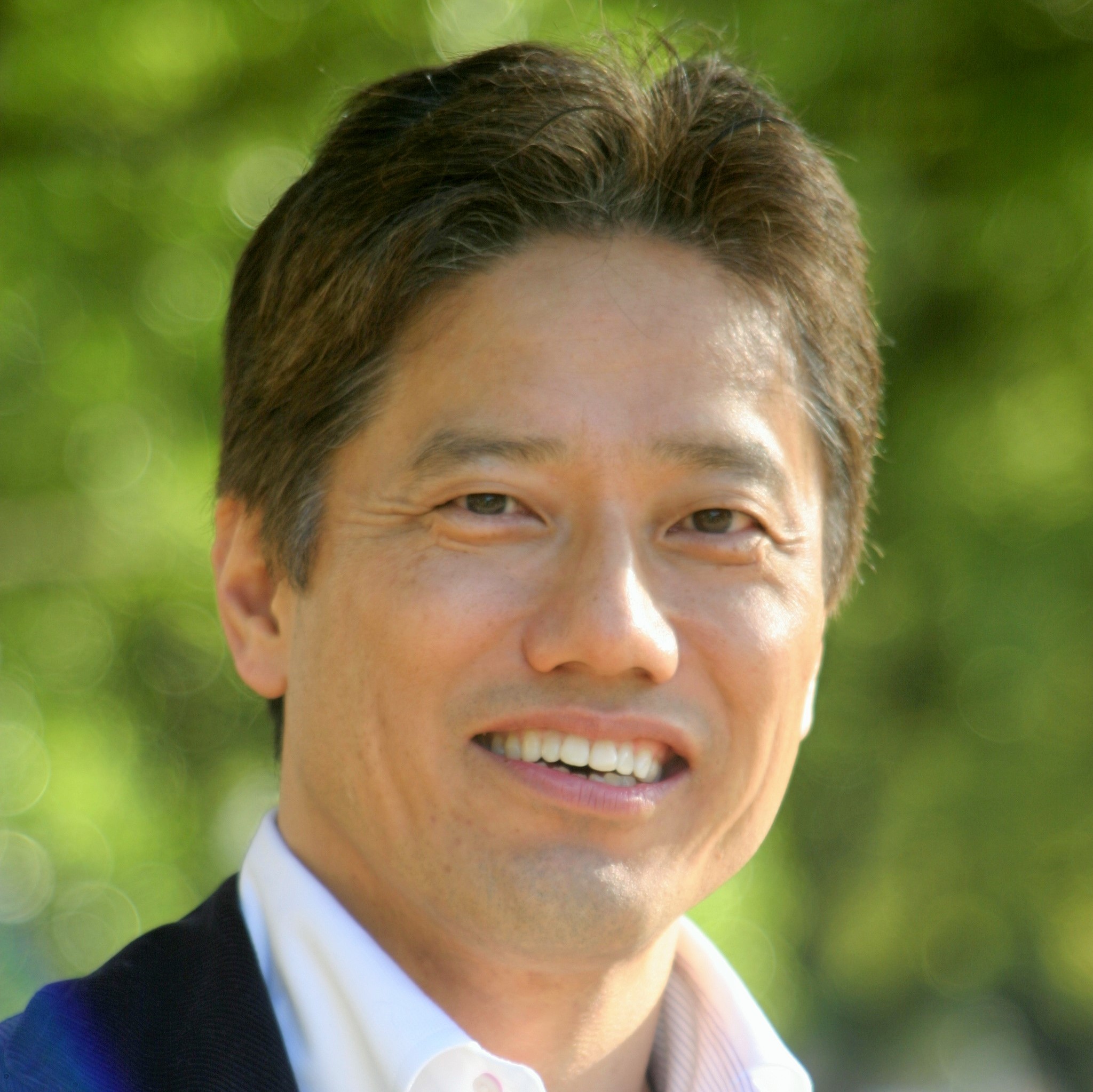 Masahiko Hosokawa
 Yoichi Shimada
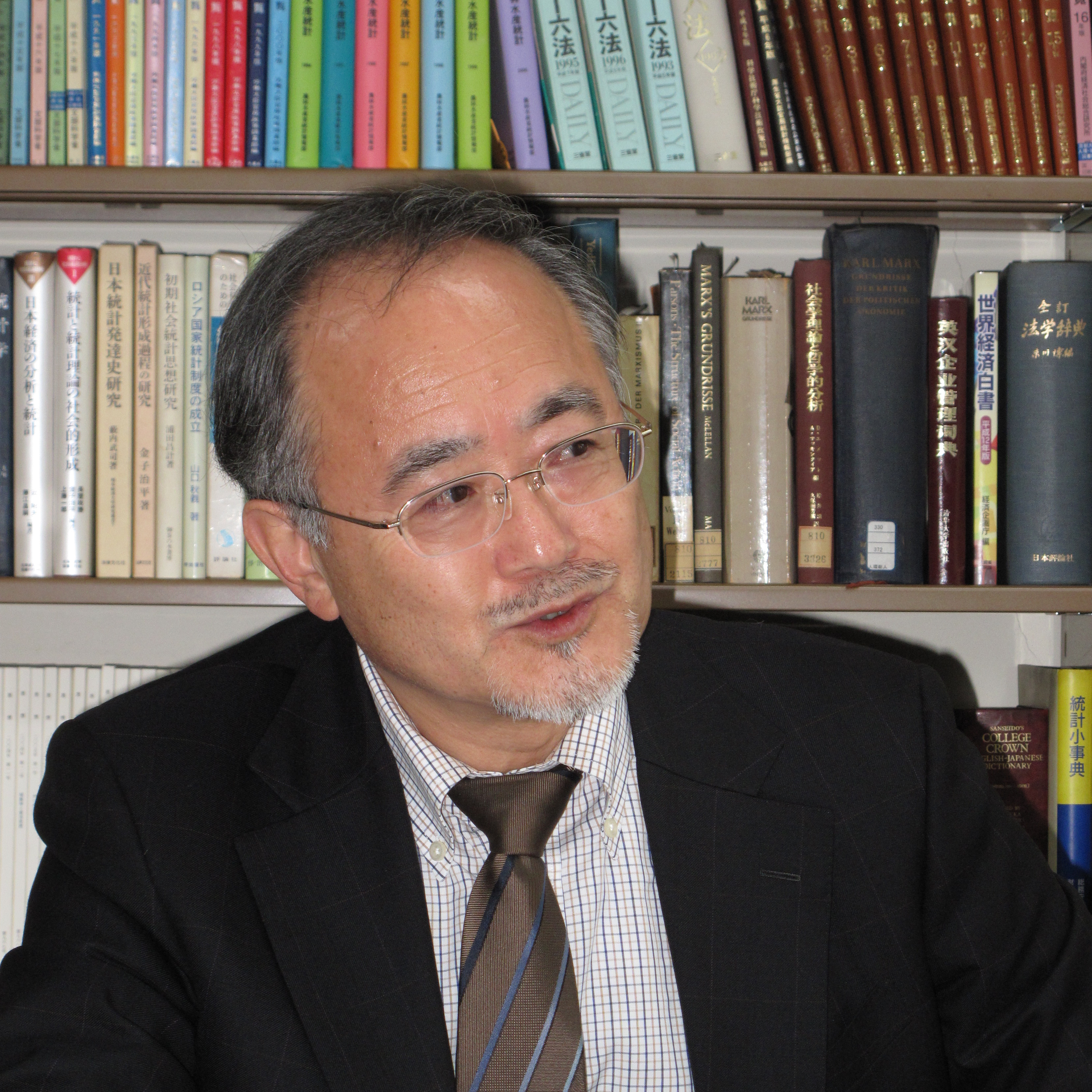 Hiroshi Yuasa
 Tadashi Narabayashi
 Kiyofumi Iwata
 Kunio Orita
 Maki Nakagawa
 Etsuro Honda
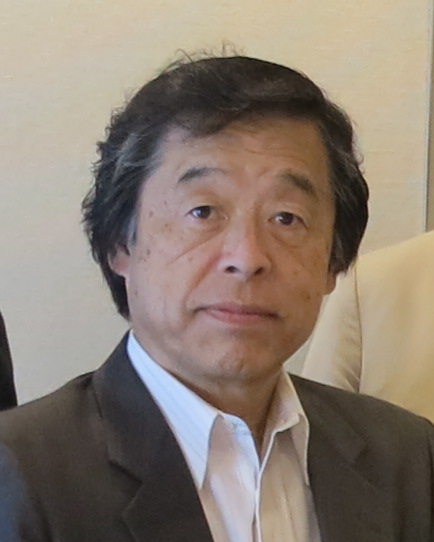 Yujiro Oiwa
 Shiro Takahashi
 Hironobu Ishikawa
 Katsuhiko Takaike
 Michio Ezaki
 Akira Momochi
 Yoshihiko Yamada
 Akio Yaita
 Seiji Kurosawa
 Brahma Chellaney
 Koichi Endo
 Nobuko Araki
 James Auer
 Yang Haiying
 Hiroshi Kimura
 Sumihiko Kawamura
 Arvind Gupta
 Shohei Umezawa
 Koko Kato
 Takeshi Kudo
 Jason Morgan
 Kenro Nagoshi
 Tadashi Saito
 Osamu Nishi
 Hisashi Matsumoto
 Tsutomu Toichi
 Kichinosuke Ihara
 Nobuyuki Sato
 Yumiko Nishimoto
 Toshu Noguchi
 Satoshi Hirano
 Hideaki Karaki
 Koji Okamoto
 Tadashi Ito
 Eriko Yamatani
 Lee Woo Young
 Rikiwo Shikama
 Sukehiro Hirakawa
 Taro Yayama
 Yasuyuki Takai
 Koh Sekai
 Koichi Furusho
 Sanae Takaichi
 Satoshi Tomisaka
 Yen-Hung Lin
 Ryoichi Hamamoto
 Andrii Gurenko
 Katsutoshi Kawano
 Kazuto Suzuki
 Kevin Maher
 Miki Kase
 Akihisa Nagashima
 Ronald Morse
 Hidetake Sawa
 Yang Yi
 Keiichi Nakagawa
 Seiichi Okutomi
 Haruhisa Nakagawa
 Hong Hyung
 Mio Sugita
 Tomohisa Takei
 Rupakjyoti Borah
 Masamori Sase
 Chung Dae Kyun
 Hirotaka Watanabe
 Masanori Kondo
 Koichi Mera
 Syunichi Akasofu
 Satoshi Sakakibara
 Hiroshi Ito
 Toshio Watanabe
 Nobukatsu Fujioka
 Eitaro Ogawa
 Saburo Tsukamoto
 Kazuhiko Inoue
 Norihide Miyoshi
 Yasuo Naito
 Katsuya Tsukamoto
 Akinaka Senzaki