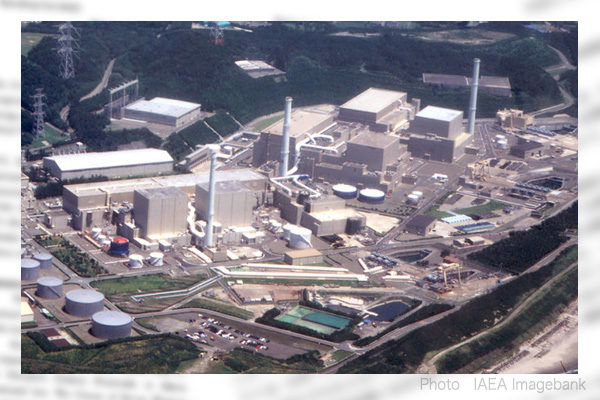
On September 14, a report was released by an investigative committee regarding Chubu Electric Power Co.’s fraudulent manipulation of seismic data during the safety review for its nuclear power plant. While spelling out specific points of data falsification, the report revealed in its conclusion that the Nuclear Regulation Authority (NRA) required the power utility to set the depth of the upper edge of a hypothetical earthquake source fault at a shallow point only 5 kilometers below the surface, a requirement that suggests the NRA’s excessive regulation.
In short, the report suggests a scenario in which the NRA’s heavy-handed demands led to extraordinarily high ground-motion estimates that serve as the basis for seismic design, ultimately driving Chubu Electric Power to commit an unforgivable misconduct.
Drawbacks of excessive regulation
While Chubu Electric Power protested against the excessive requirement by the NRA, the nuclear regulator refused to reconsider it. Although the adequacy of the requirement should have been discussed publicly, business operators cannot discuss such matter with the NRA on equal footing because of it has too much power. I have repeatedly heard that the NRA threatened to delay the safety review.
The U.S. Nuclear Regulatory Commission (NRC) fosters a culture where it encourages discussions with business operators on equal footing and shares wisdom with them to enhance the safety of nuclear power plants. There is an expert body known as the Advisory Committee on Reactor Safeguards (ACRS), which provides advice to the NRC commissioners. In addition, the NRC has an internal body that oversees the NRC’s nuclear administration, while the Congress monitors whether the NRC’s regulation is excessive. This is because proper regulation enhances the safety of nuclear power plants, ensures stable supply of affordable electricity, and brings happiness to the public.
In contrast, Japan’s NRA is known for countless excessive regulation cases. For example, the NRA set an extremely high ground-motion estimates that serve as the basis for seismic design in its safety reviews, leaving power plant operators unable to design seismically isolated buildings. Kiyoshi Kurokawa, former chairman of Fukushima Nuclear Accident Independent Investigation Commission established by the Diet, was angry at the NRA. Construction of buildings similar to seismically isolated buildings that played a key role at the Fukushima power plant was cancelled, forcing plant workers to carry out emergency response operations while staggering in important buildings without seismic isolation functions during strong earthquakes.
Next, NRA guidelines governing active-fault assessments effectively requires the so-called “devil’s proof,” or proof of a negative, leading to the rejection of the safety review application for Unit 2 of Japan Atomic Power Co.’s Tsuruga nuclear power station. The application was turned down because Akira Ishiwatari, then an NRA commissioner, argued that the company failed to prove that the fault in question could not be active.
Furthermore, the NRA has forced two types of fire detectors to be installed in all building rooms including fireless ones. Each nuclear power plant had to install up to 3,000 detectors. Gun drills were required to fill thick reinforced concrete walls with holes for cables for sending signals from the detectors to the central control room, deteriorating buildings’ earthquake resistance and radiation shielding performance.
Reform NRA into a less powerful Article 8 commission
The NRA is a highly independent Article 3 commission based on Article 3 of the National Government Organization Act, operating outside the cabinet’s chain of command. It continues to be inconsistent with the government’s policy of making the maximum use of nuclear energy. The NRA has failed to comply with the standard review period of around two years stipulated by the Administrative Procedures Act. As pointed out by the International Atomic Energy Agency, the NRA lacks nuclear power plant experts. The NRA should be fundamentally reformed and reverted to a less powerful Article 8 commission based on Article 8 of the National Government Organization Act.
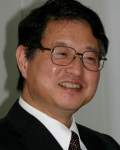
Tadashi Narabayashi is a professor emeritus at Hokkaido University and a director at the Japan Institute for National Fundamentals.
 Tsutomu Nishioka
 Takashi Arimoto
 Tadae Takubo
 Fumio Ota
 Yoshiko Sakurai
 Yasushi Tomiyama
 Masahiko Hosokawa
 Yoichi Shimada
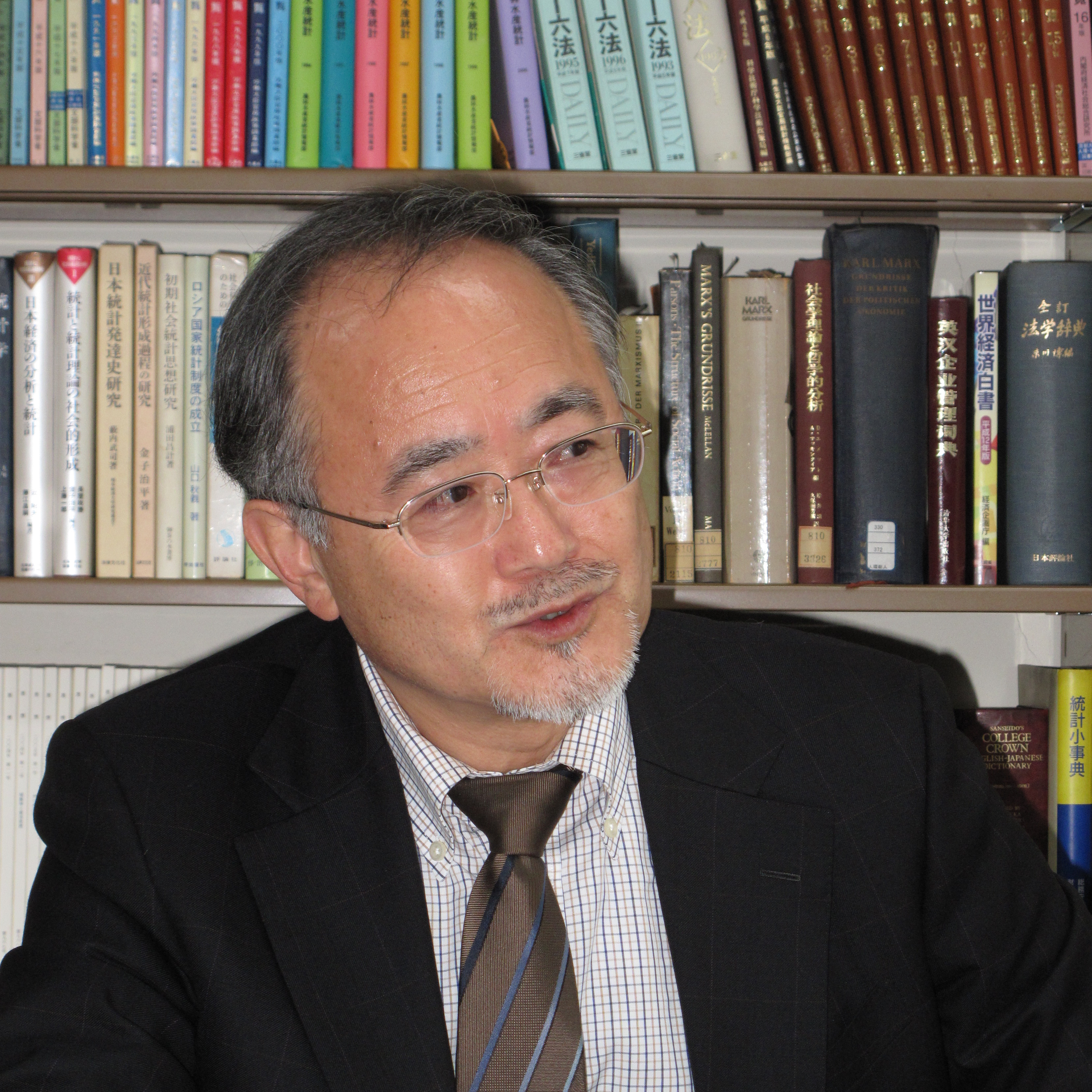 Hiroshi Yuasa
 Hideo Tamura
 Kiyofumi Iwata
 Kunio Orita
 Maki Nakagawa
 Etsuro Honda
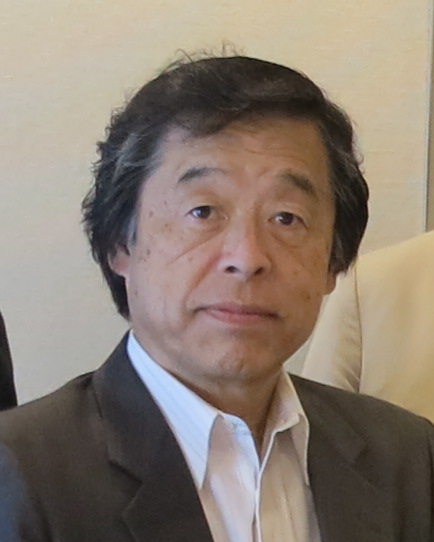 Yujiro Oiwa
 Shiro Takahashi
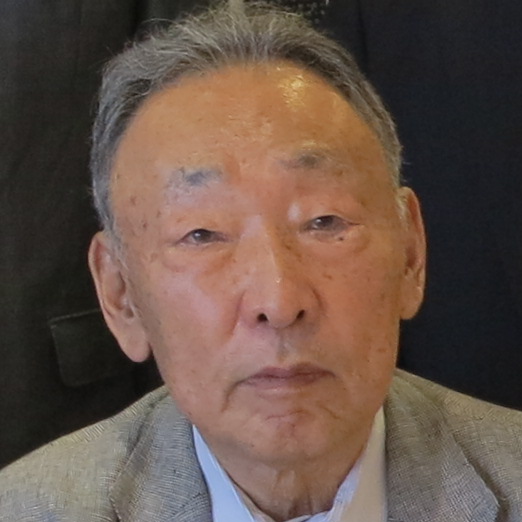 Hironobu Ishikawa
 Katsuhiko Takaike
 Michio Ezaki
 Akira Momochi
 Yoshihiko Yamada
 Akio Yaita
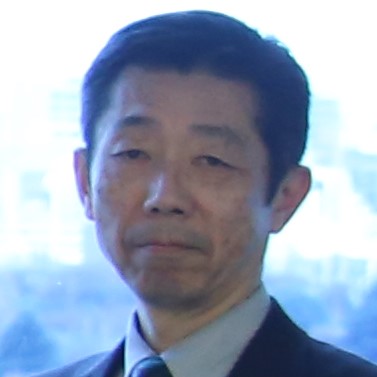 Seiji Kurosawa
 Brahma Chellaney
 Koichi Endo
 Nobuko Araki
 James Auer
 Yang Haiying
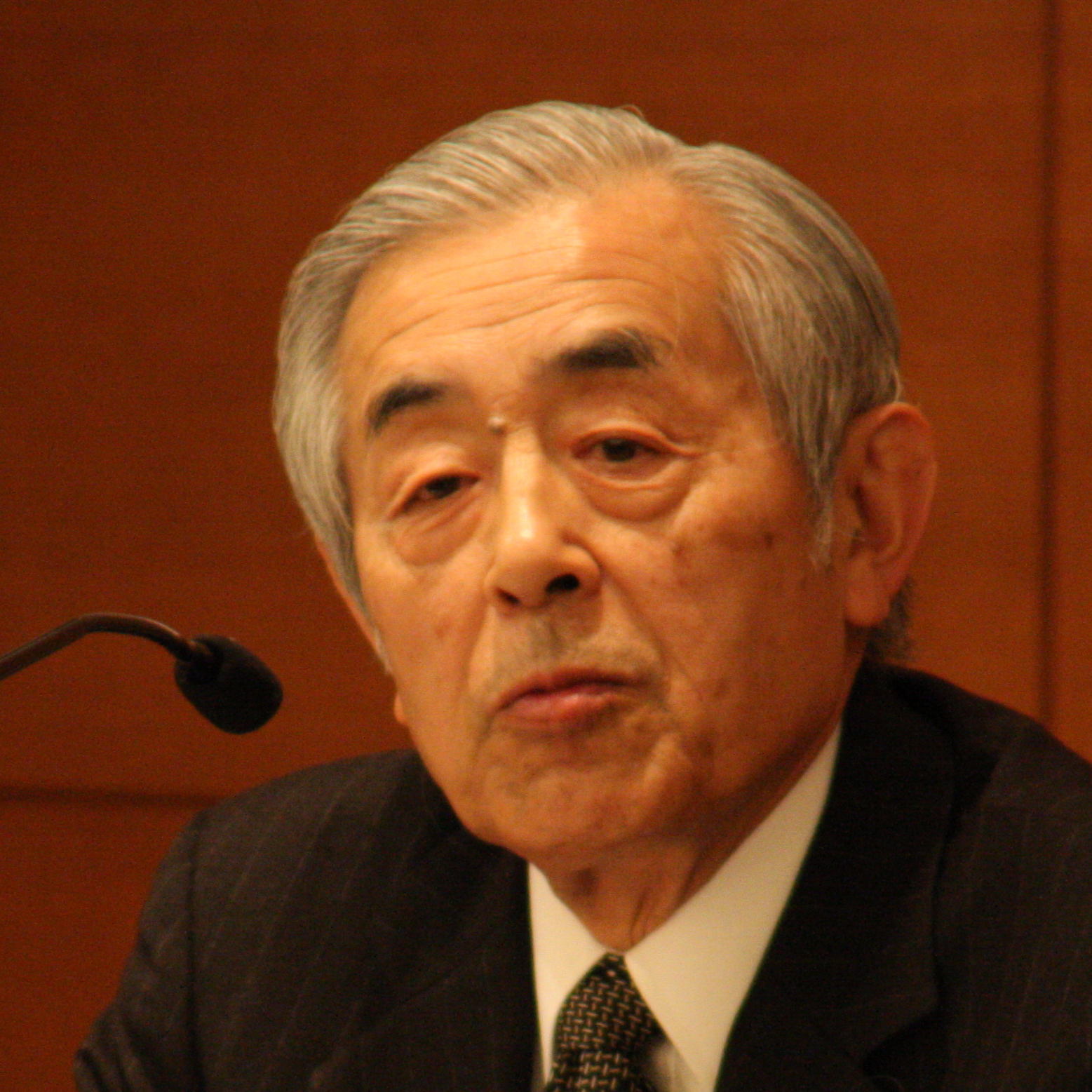 Hiroshi Kimura
 Sumihiko Kawamura
 Arvind Gupta
 Shohei Umezawa
 Koko Kato
 Takeshi Kudo
 Jason Morgan
 Kenro Nagoshi
 Tadashi Saito
 Osamu Nishi
 Hisashi Matsumoto
 Tsutomu Toichi
 Kichinosuke Ihara
 Nobuyuki Sato
 Yumiko Nishimoto
 Toshu Noguchi
 Satoshi Hirano
 Hideaki Karaki
 Koji Okamoto
 Tadashi Ito
 Eriko Yamatani
 Lee Woo Young
 Rikiwo Shikama
 Sukehiro Hirakawa
 Taro Yayama
 Yasuyuki Takai
 Koh Sekai
 Koichi Furusho
 Sanae Takaichi
 Satoshi Tomisaka
 Yen-Hung Lin
 Ryoichi Hamamoto
 Andrii Gurenko
 Katsutoshi Kawano
 Kazuto Suzuki
 Kevin Maher
 Miki Kase
 Akihisa Nagashima
 Ronald Morse
 Hidetake Sawa
 Yang Yi
 Keiichi Nakagawa
 Seiichi Okutomi
 Haruhisa Nakagawa
 Hong Hyung
 Mio Sugita
 Tomohisa Takei
 Rupakjyoti Borah
 Masamori Sase
 Chung Dae Kyun
 Hirotaka Watanabe
 Masanori Kondo
 Koichi Mera
 Syunichi Akasofu
 Satoshi Sakakibara
 Hiroshi Ito
 Toshio Watanabe
 Nobukatsu Fujioka
 Eitaro Ogawa
 Saburo Tsukamoto
 Kazuhiko Inoue
 Norihide Miyoshi
 Yasuo Naito
 Katsuya Tsukamoto
 Akinaka Senzaki