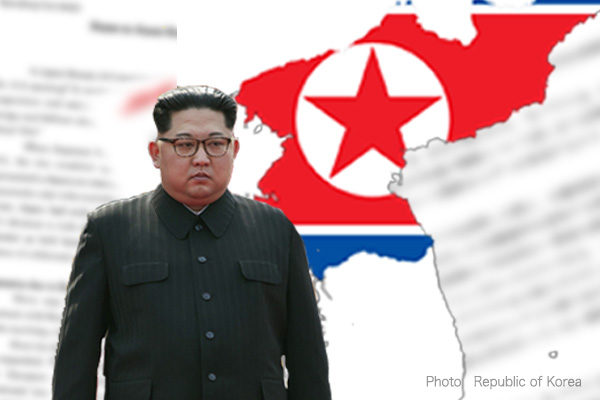
From September 21 to 25, I visited the United States as a member of a delegation comprising families of North Korean abduction victims, a support organization for the abductees, and a bipartisan parliamentary caucus on the issue. We held 13 meetings with senior U.S. government officials, members of both the Senate and the House of Representatives, and experts, reaffirming their bipartisan stance of full cooperation in resolving the abduction of Japanese nationals. Therefore, if President Donald Trump meets North Korean leader Kim Jong Un within the year, as he has publicly indicated, he is certain to raise the abduction issue.
However, there is a major matter of concern. Most of Americans we met expressed the view that the Kim regime has an advantage in negotiations with the U.S. and Japan because the North Korean economy is recovering. Earlier this year, major U.S. media outlets reported on the recovery of the North Korean economy. Evidence cited in their reports included substantial Russian payments in return for North Korea’s dispatch of troops and provision of weapons to Russia for its Ukraine war, as well as account from recent visitors to North Korea that the number of cars has increased and the streets have become brighter.
However, the claim that North Korea’s economy is recovering deviates far from the truth and could represent disinformation.
Russia’s payments failing to support civilian needs
According to information I obtained, the Russian payments totaled $4 billion to 5 billion as of August 2025, including only $500 million to $700 million in cash. Of the cash, $100 million was given to North Korean spooks and security personnel operating overseas. Not a single dollar was given to the cabinet responsible for the civilian economy.
Russia has provided North Korea with military aid equivalent in value to the North Korean shells and missiles provided to Russia, as well as rewards and death benefits for North Korean soldiers sent to Russia. The military aid included $100 million for a reconnaissance satellite and support for its launch, $800 million for four S-300 air defense missile system batteries deployed in Pyongyang, $1.5 billion for five destroyers, and $1 billion for blueprints and materials (such as special steel plates and small nuclear reactors) for two nuclear-powered submarines. Incidentally, North Korea is said to have encountered difficulties in constructing the nuclear-powered submarines. Negotiations with Russia to receive two second-hand nuclear-powered submarines have started in return for the additional dispatch of 50,000 troops in September, according to my sources.
Russian aid has strengthened North Korean military power to some extent, but North Korean economy has not improved. A former diplomat who defected to South Korea three years ago, a former soldier who defected two years ago, and a defector human rights activist who still keeps in touch with relatives in the border region with China have unanimously denied any economic recovery in North Korea.
According to their testimony, residents even in high-rise condominiums in Pyongyang cannot use electricity, water, or gas services freely and are left shivering without heating in winter. Soldiers deployed near the armistice line with South Korea are always hungry, watch South Korean dramas and admire the South, and drive charcoal-fueled vehicles due to gasoline shortages. In the China-North Korea border region, stricter crackdowns on smuggling have driven Chinese products from the market, resulting in severe hardship, including deaths from starvation. Hungry soldiers sell their winter military uniforms in the market, only for mothers of other soldiers to buy them for their own sons.
Unreliable South Korean information
The argument that North Korean economy has recovered and created leeway leads to a claim that the U.S. should make larger concessions to North Korea. The estimated amount of Russian payments to North Korea published by a South Korean government-affiliated research institute is extremely high. Behind this may lie a political intention of South Korea’s Lee Jae Myung government that is eager for dialogue with the North. An incumbent North Korean diplomat has asserted that the estimate represents “disinformation spread by the North Korean government.”
Tsutomu Nishioka is a senior fellow and a Planning Committee member at the Japan Institute for National Fundamentals and a specially-appointed professor at Reitaku University. He covers South and North Koreas.
 Takashi Arimoto
 Tadae Takubo
 Fumio Ota
 Yoshiko Sakurai
 Yasushi Tomiyama
 Masahiko Hosokawa
 Yoichi Shimada
 Hiroshi Yuasa
 Tadashi Narabayashi
 Hideo Tamura
 Kiyofumi Iwata
 Kunio Orita
 Maki Nakagawa
 Etsuro Honda
 Yujiro Oiwa
 Shiro Takahashi
 Hironobu Ishikawa
 Katsuhiko Takaike
 Michio Ezaki
 Akira Momochi
 Yoshihiko Yamada
 Akio Yaita
 Seiji Kurosawa
 Brahma Chellaney
 Koichi Endo
 Nobuko Araki
 James Auer
 Yang Haiying
 Hiroshi Kimura
 Sumihiko Kawamura
 Arvind Gupta
 Shohei Umezawa
 Koko Kato
 Takeshi Kudo
 Jason Morgan
 Kenro Nagoshi
 Tadashi Saito
 Osamu Nishi
 Hisashi Matsumoto
 Tsutomu Toichi
 Kichinosuke Ihara
 Nobuyuki Sato
 Yumiko Nishimoto
 Toshu Noguchi
 Satoshi Hirano
 Hideaki Karaki
 Koji Okamoto
 Tadashi Ito
 Eriko Yamatani
 Lee Woo Young
 Rikiwo Shikama
 Sukehiro Hirakawa
 Taro Yayama
 Yasuyuki Takai
 Koh Sekai
 Koichi Furusho
 Sanae Takaichi
 Satoshi Tomisaka
 Yen-Hung Lin
 Ryoichi Hamamoto
 Andrii Gurenko
 Katsutoshi Kawano
 Kazuto Suzuki
 Kevin Maher
 Miki Kase
 Akihisa Nagashima
 Ronald Morse
 Hidetake Sawa
 Yang Yi
 Keiichi Nakagawa
 Seiichi Okutomi
 Haruhisa Nakagawa
 Hong Hyung
 Mio Sugita
 Tomohisa Takei
 Rupakjyoti Borah
 Masamori Sase
 Chung Dae Kyun
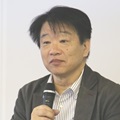 Hirotaka Watanabe
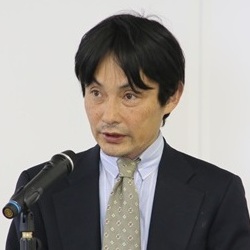 Masanori Kondo
 Koichi Mera
 Syunichi Akasofu
 Satoshi Sakakibara
 Hiroshi Ito
 Toshio Watanabe
 Nobukatsu Fujioka
 Eitaro Ogawa
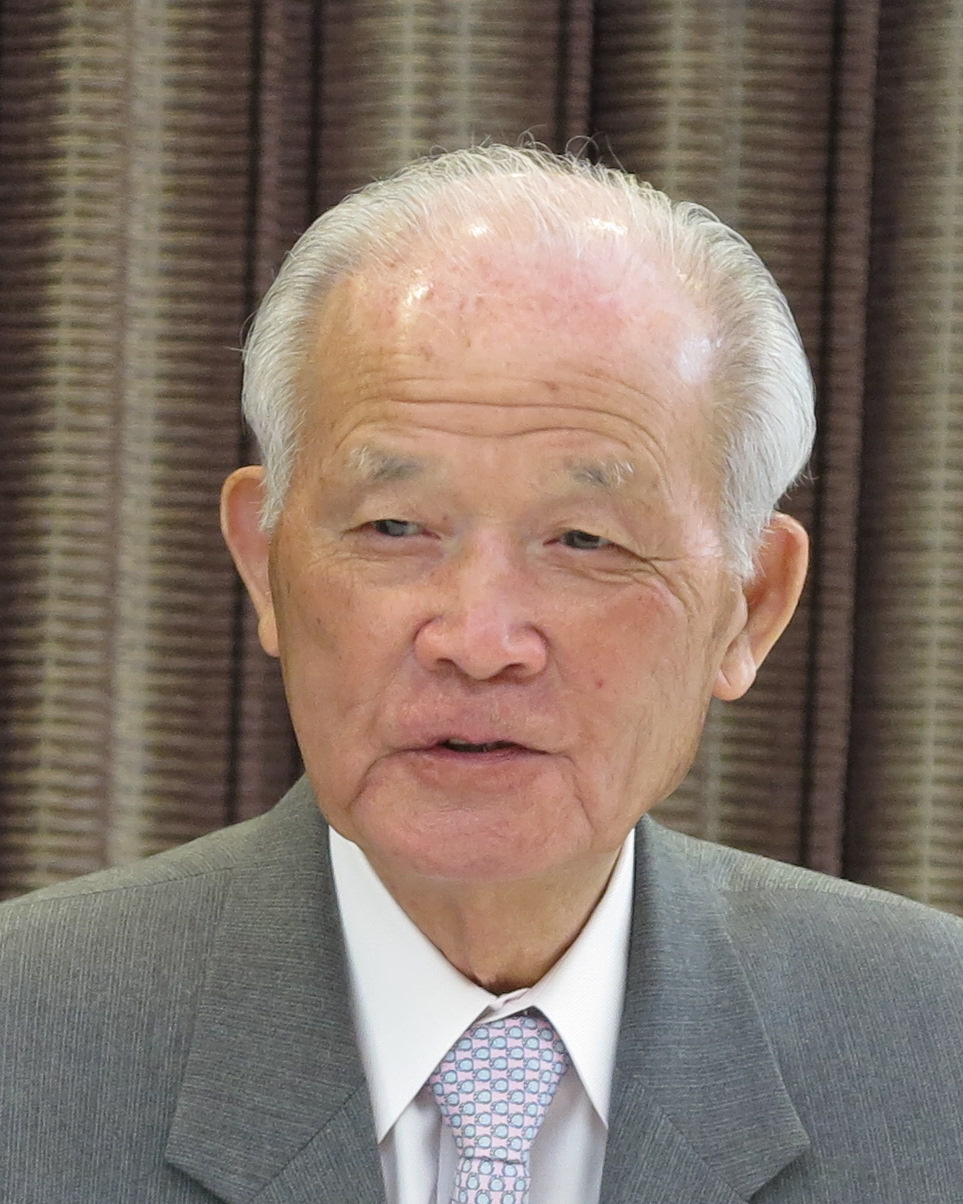 Saburo Tsukamoto
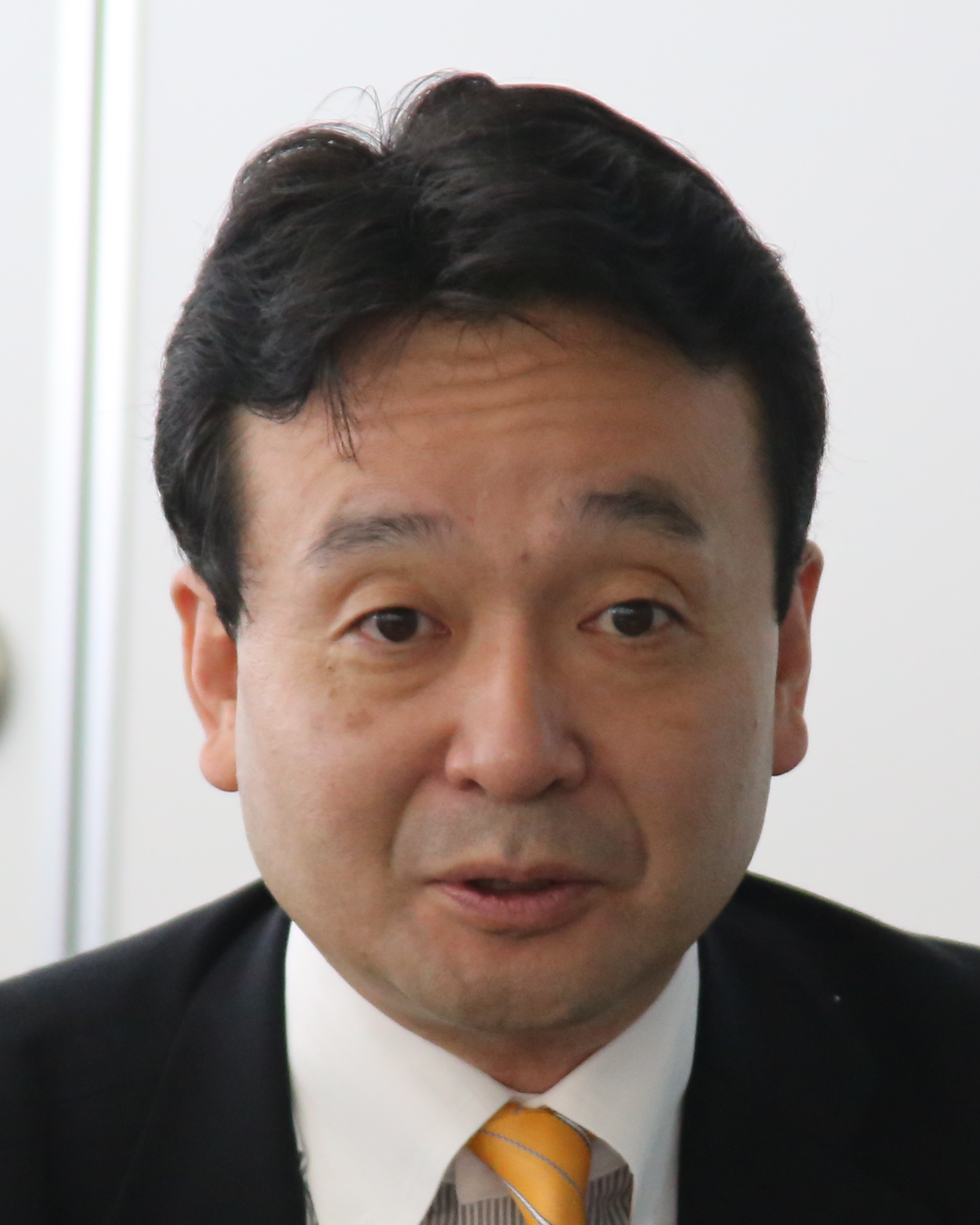 Kazuhiko Inoue
 Norihide Miyoshi
 Yasuo Naito
 Katsuya Tsukamoto
 Akinaka Senzaki