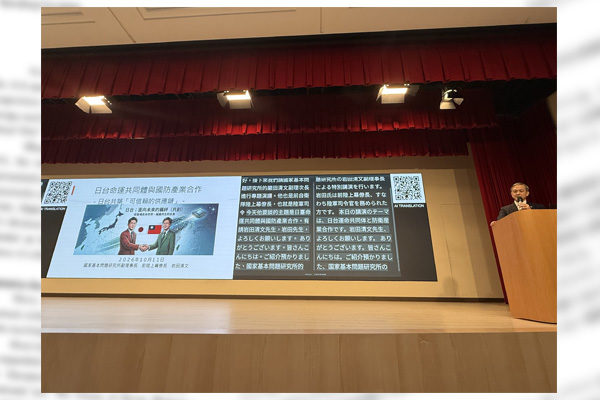
“As China’s economic coercion intensifies, Japan and Taiwan should jointly build ‘reliable supply chains’ in the field of dual-use components.” As the author made this proposal at the Japan-Taiwan Future Technology Forum in Taipei co-hosted by Taiwan’s Indo-Pacific Strategic Think Tank and the Japan Institute for National Fundamentals on October 11, the audience supported it. Major Taiwanese media outlets, including the Central News Agency and the Liberty Times, reported the proposal. When our delegation paid a courtesy call on Taiwanese President Lai Chingte the next day, he expressed support for the proposal and spoke of Taiwan’s determination to defend itself on its own. Japan should share this resolve.
Beijing targets Japan’s China-dependent supply chains
Japan and Taiwan share destiny across three dimensions: security, economy, and emotional bonds. In January, China banned the export of dual-use items to end users deemed to contribute to the enhancement of Japan’s military capabilities, targeting Japanese supply chains, including rare earths that had been added to its export control list since last year. The export ban is seen as a response to Prime Minister Sanae Takaichi’s parliamentary remark regarding a Taiwan contingency. Supply chains dependent on China are themselves a security weakness.
Therefore, the author proposed Japan-Taiwan cooperation in the field of dual-use components, which are less likely to be politicized and can be transferred to Taiwan, rather than weapons themselves. At the core of the cooperation will be drones. While Japan depends on Chinese products for about 90% of its domestic drone market, Taiwan is rapidly expanding drone exports in the name of “non-red supply chain” (a supply chain separated from China). The establishment of a framework that combines Japanese parts and materials with Taiwan’s manufacturing capabilities to enable speedier mutual trade will serve as a deterrent against China.
National defense Determination: premise for international cooperation
President Lai, who had apparently read not only media reports on the forum but also a JINF paper titled “Taiwan’s Strategic Importance,” agreed with the paper’s argument that maintaining Taiwan’s status quo is in Japan’s national interest. Furthermore, he said that China’s objective is not merely the unification of Taiwan, but ultimately for a Communist Party-led China to become the leader of the international community and reshape the global order. He also noted that if Taiwan were absorbed by China, Japan and other Indo-Pacific countries might be targeted one after another.
In addition, Lai made clear Taiwan’s determination to maintain an unwavering stance against China’s coercion and defend itself on its own without shifting its heavy self-defense responsibility to Japan or the United States.
Cooperation with allies and partners is indispensable. Ultimately, however, what defends a nation is its own will and power. The Japanese people should take these words of Taiwan’s leader to heart. Only if Japan stops being complacent about the U.S. alliance and resolves to defend itself through its own strength can the cooperation between Japan and the United States and between Japan and Taiwan become truly solid.
Kiyofumi Iwata is Vice President of the Japan Institute for National Fundamentals. Formerly, he served as Chief of Staff of the Japan Ground Self-Defense Force.
 Tsutomu Nishioka
 Takashi Arimoto
 Tadae Takubo
 Fumio Ota
 Yoshiko Sakurai
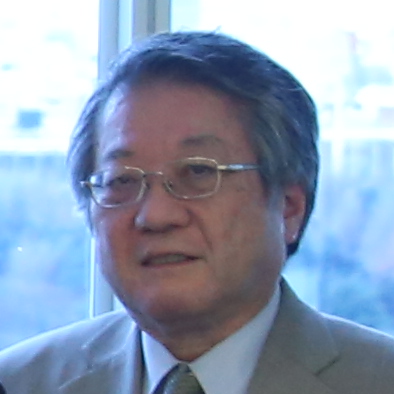 Yasushi Tomiyama
 Masahiko Hosokawa
 Yoichi Shimada
 Hiroshi Yuasa
 Tadashi Narabayashi
 Hideo Tamura
 Kunio Orita
 Maki Nakagawa
 Etsuro Honda
 Yujiro Oiwa
 Shiro Takahashi
 Hironobu Ishikawa
 Katsuhiko Takaike
 Michio Ezaki
 Akira Momochi
 Yoshihiko Yamada
 Akio Yaita
 Seiji Kurosawa
 Brahma Chellaney
 Koichi Endo
 Nobuko Araki
 James Auer
 Yang Haiying
 Hiroshi Kimura
 Sumihiko Kawamura
 Arvind Gupta
 Shohei Umezawa
 Koko Kato
 Takeshi Kudo
 Jason Morgan
 Kenro Nagoshi
 Tadashi Saito
 Osamu Nishi
 Hisashi Matsumoto
 Tsutomu Toichi
 Kichinosuke Ihara
 Nobuyuki Sato
 Yumiko Nishimoto
 Toshu Noguchi
 Satoshi Hirano
 Hideaki Karaki
 Koji Okamoto
 Tadashi Ito
 Eriko Yamatani
 Lee Woo Young
 Rikiwo Shikama
 Sukehiro Hirakawa
 Taro Yayama
 Yasuyuki Takai
 Koh Sekai
 Koichi Furusho
 Sanae Takaichi
 Satoshi Tomisaka
 Yen-Hung Lin
 Ryoichi Hamamoto
 Andrii Gurenko
 Katsutoshi Kawano
 Kazuto Suzuki
 Kevin Maher
 Miki Kase
 Akihisa Nagashima
 Ronald Morse
 Hidetake Sawa
 Yang Yi
 Keiichi Nakagawa
 Seiichi Okutomi
 Haruhisa Nakagawa
 Hong Hyung
 Mio Sugita
 Tomohisa Takei
 Rupakjyoti Borah
 Masamori Sase
 Chung Dae Kyun
 Hirotaka Watanabe
 Masanori Kondo
 Koichi Mera
 Syunichi Akasofu
 Satoshi Sakakibara
 Hiroshi Ito
 Toshio Watanabe
 Nobukatsu Fujioka
 Eitaro Ogawa
 Saburo Tsukamoto
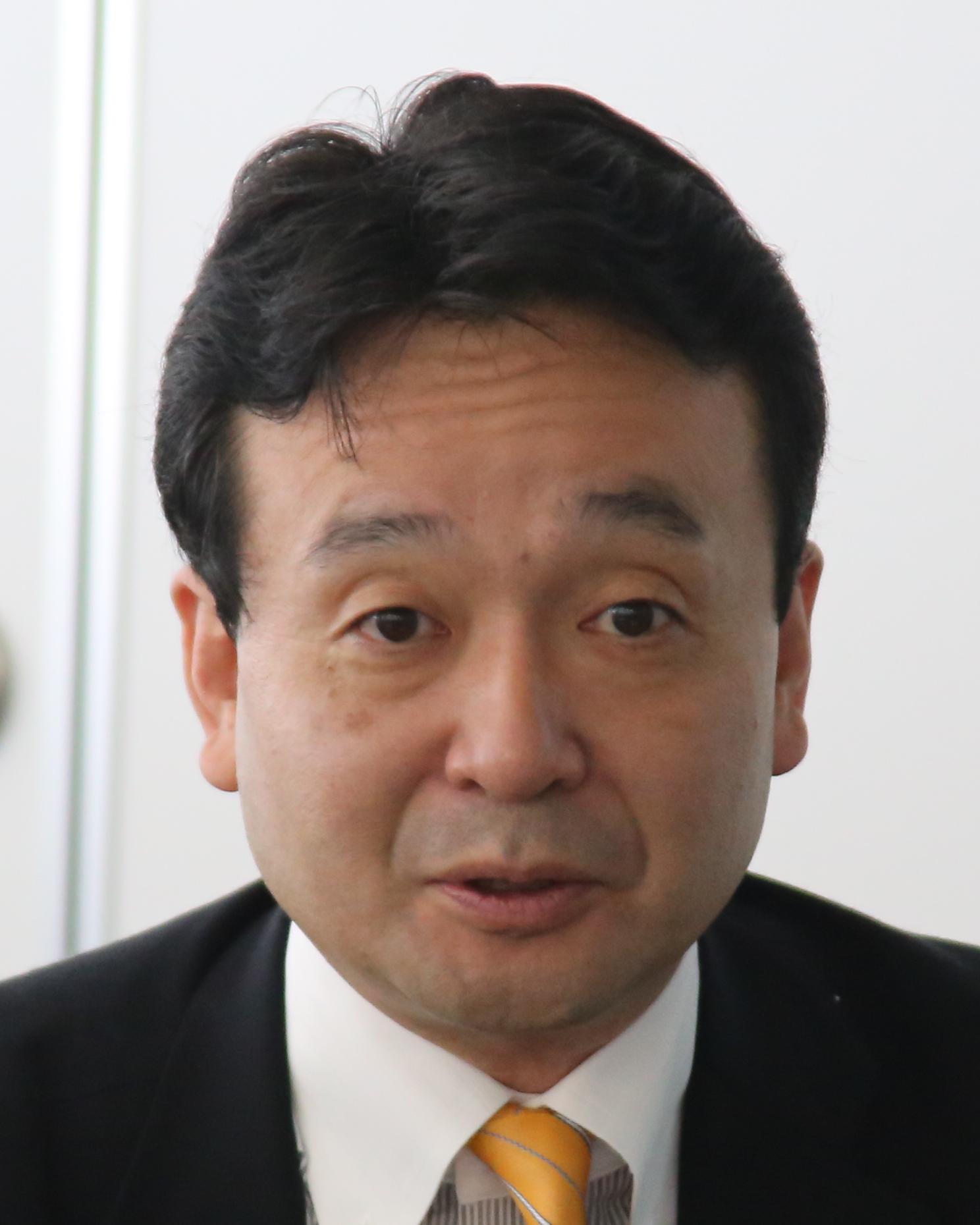 Kazuhiko Inoue
 Norihide Miyoshi
 Yasuo Naito
 Katsuya Tsukamoto
 Akinaka Senzaki