The U.S. National Security Strategy has been published. The strategy, though being named so, provides an extremely limited analysis of threats and a few references to the Russia-Ukraine war and makes no mention of North Korea. It makes no criticism of authoritarian countries, tarnishing the image of the United States as the leader of the liberal democratic camp. This document is better characterized not so much as a “strategy,” but rather as a “policy” that outlines the foreign policy orientation of the second Trump administration, with a strong emphasis on economics and trade.
Resurgence of “Monroe Doctrine”
Noteworthy is the statement that “the United States will reassert and enforce the Monroe Doctrine.” This represents a modern version of fifth U.S. President James Monroe’s declaration advocating mutual non-interference between the European and American continents, signaling the U. S.’ intention to reduce U.S. engagement with other regions such as Europe while maintaining the order of the Western Hemisphere (the Americas) under its own leadership. In this context, how the U.S. will engage with Asia including Japan would be extremely important for Japan.
Regarding Taiwan, the strategy maintains the traditional U.S. policy, saying that “the United States does not support any unilateral change to the status quo in the Taiwan Strait.” It also says that “deterring a conflict over Taiwan, ideally by preserving military overmatch, is a priority,” pointing out the significance of preserving U.S. military overmatch, while acknowledging the reality that it would be difficult for the U.S. to do this alone. From this perspective, the document expresses the U.S. intention to reorganize its forces to deter aggression against the first island chain, including Taiwan, and asks Japan and other U.S. allies to increase defense spending and cooperate with U.S. forces.
Meanwhile, discussions on China in the strategy are modest. While the Biden administration’s National Security Strategy in 2022 characterized China as the “most consequential geopolitical challenge,” the Trump strategy, though critical of China’s trade practices, indicates hopes on a “mutually advantageous economic relationship with Beijing.” Furthermore, it makes little mention on the “rules-based international order” a phrase repeatedly emphasized in the 2022 strategy, underscoring a clear focus on economics and conflict avoidance. This likely reflects the Trump administration’s view of China as a business partner rather than an adversary.
Japan required to grow independent and persuade the U.S.
There remain concerns that Trump, who favors Russian President Vladimir Putin in Ukraine peace negotiations, may prioritize economic cooperation with China in the event of a Taiwan emergency. Japan must recognize the limits of U.S. engagement in Asia as indicated in the Trump strategy, and urgently strengthen its own independent defense capabilities. Furthermore, Japan is required to continuously persuade the U.S. of the indispensable need to deter China through strength. An alliance is not about dependence, but about shared responsibility. The new Trump strategy lays bare that harsh reality.
Kiyofumi Iwata is a member of the Planning Committee at the Japan Institute for National Fundamentals. Formerly, he served as Chief of Staff of the Japan Ground Self-Defense Force.

 Tsutomu Nishioka
 Takashi Arimoto
 Tadae Takubo
 Fumio Ota
 Yoshiko Sakurai
 Yasushi Tomiyama
 Masahiko Hosokawa
 Yoichi Shimada
 Hiroshi Yuasa
 Tadashi Narabayashi
 Hideo Tamura
 Kunio Orita
 Maki Nakagawa
 Etsuro Honda
 Yujiro Oiwa
 Hironobu Ishikawa
 Shiro Takahashi
 Katsuhiko Takaike
 Michio Ezaki
 Akira Momochi
 Akio Yaita
 Yoshihiko Yamada
 Seiji Kurosawa
 Koichi Endo
 Brahma Chellaney
 Nobuko Araki
 Yang Haiying
 James Auer
 Sumihiko Kawamura
 Hiroshi Kimura
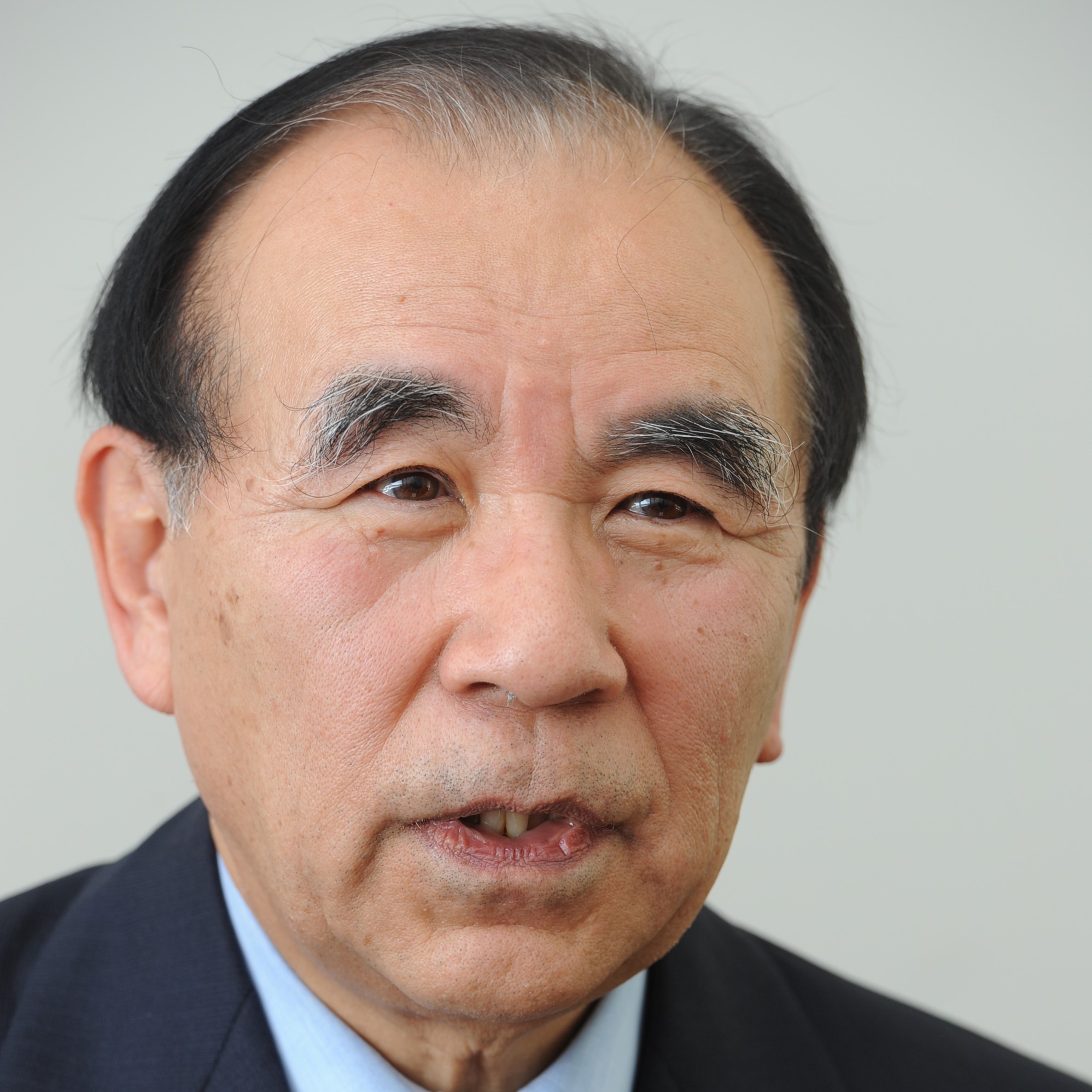 Osamu Nishi
 Koko Kato
 Tadashi Saito
 Shohei Umezawa
 Jason Morgan
 Arvind Gupta
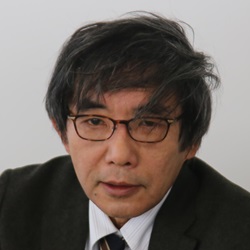 Kenro Nagoshi
 Takeshi Kudo
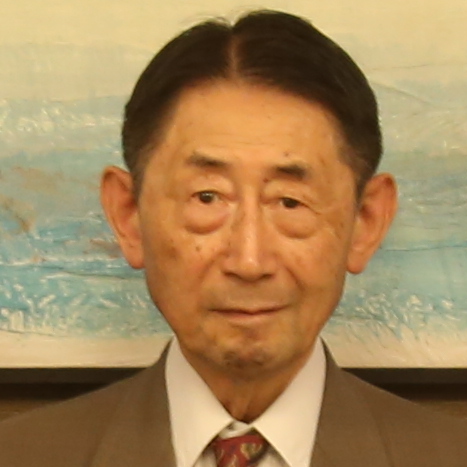 Sukehiro Hirakawa
 Yumiko Nishimoto
 Rikiwo Shikama
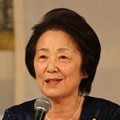 Eriko Yamatani
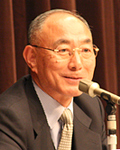 Koichi Furusho
 Tadashi Ito
 Satoshi Hirano
 Lee Woo Young
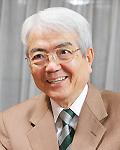 Taro Yayama
 Koh Sekai
 Koji Okamoto
 Tsutomu Toichi
 Hideaki Karaki
 Toshu Noguchi
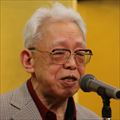 Kichinosuke Ihara
 Hisashi Matsumoto
 Yasuyuki Takai
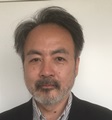 Nobuyuki Sato
 Chung Dae Kyun
 Toshio Watanabe
 Katsuya Tsukamoto
 Kazuto Suzuki
 Koichi Mera
 Akihisa Nagashima
 Miki Kase
 Eitaro Ogawa
 Hirotaka Watanabe
 Akinaka Senzaki
 Kevin Maher
 Yang Yi
 Hidetake Sawa
 Satoshi Tomisaka
 Nobukatsu Fujioka
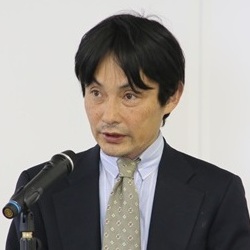 Masanori Kondo
 Hiroshi Ito
 Mio Sugita
 Rupakjyoti Borah
 Seiichi Okutomi
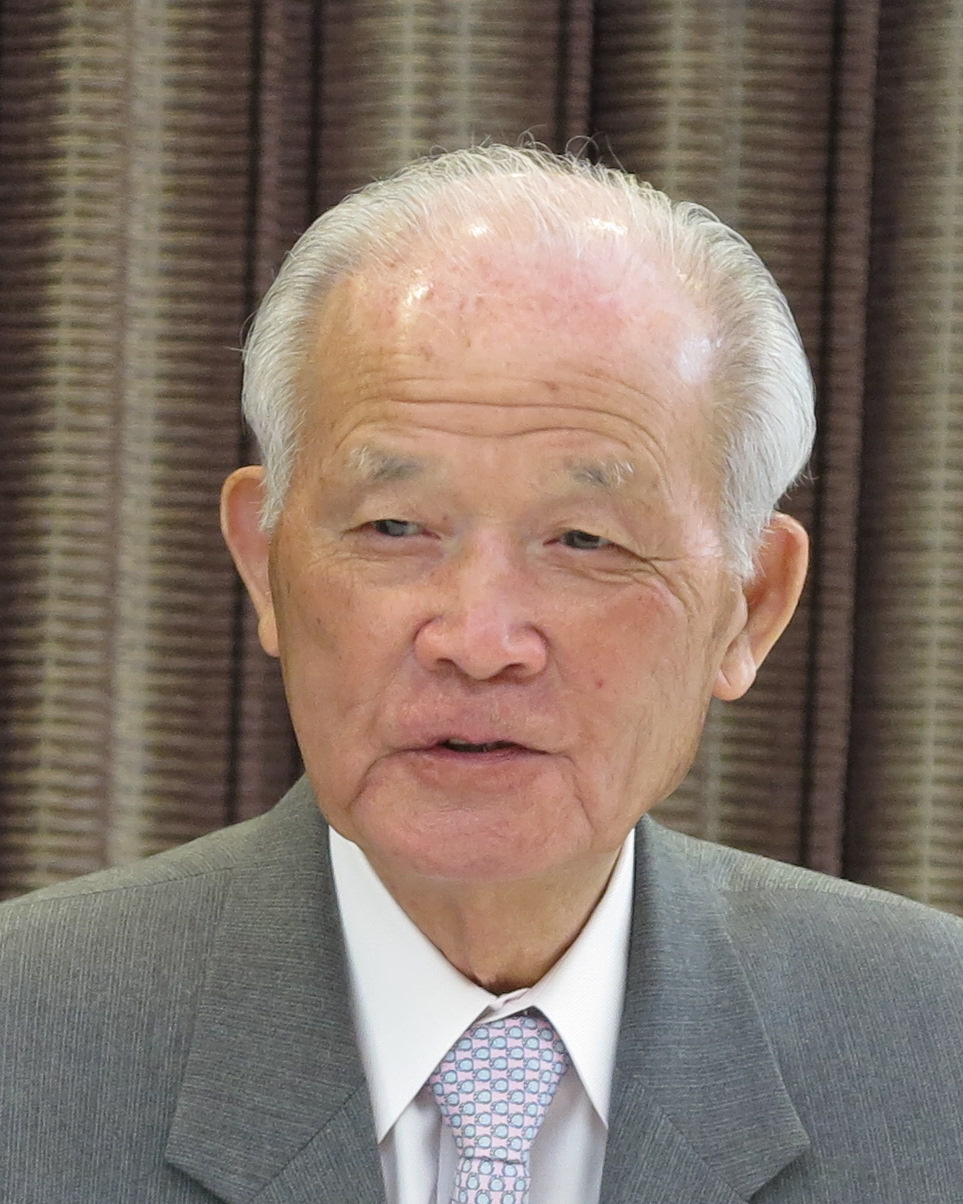 Saburo Tsukamoto
 Yasuo Naito
 Satoshi Sakakibara
 Yen-Hung Lin
 Sanae Takaichi
 Haruhisa Nakagawa
 Norihide Miyoshi
 Syunichi Akasofu
 Ryoichi Hamamoto
 Hong Hyung
 Andrii Gurenko
 Ronald Morse
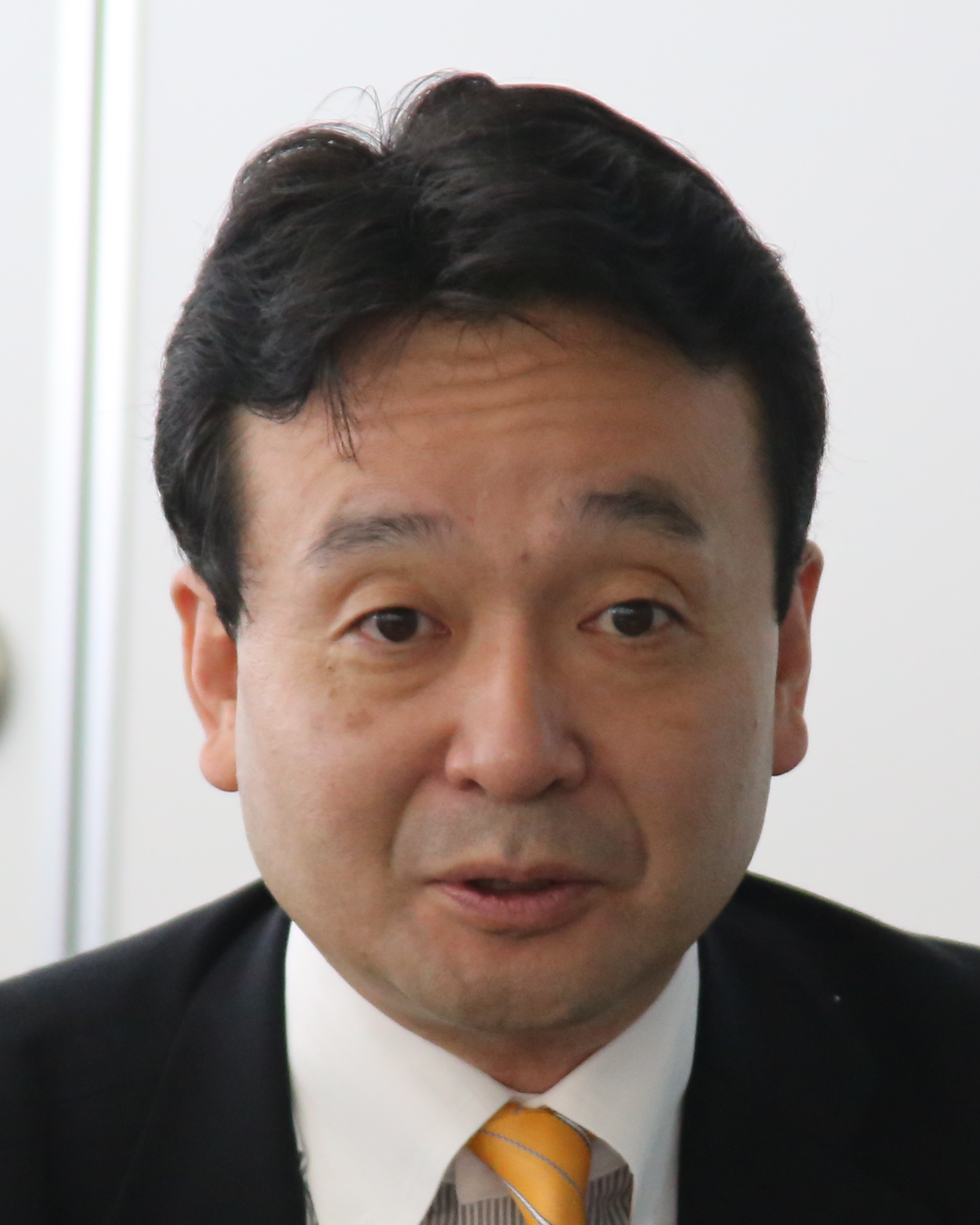 Kazuhiko Inoue
 Keiichi Nakagawa
 Masamori Sase
 Katsutoshi Kawano
 Tomohisa Takei