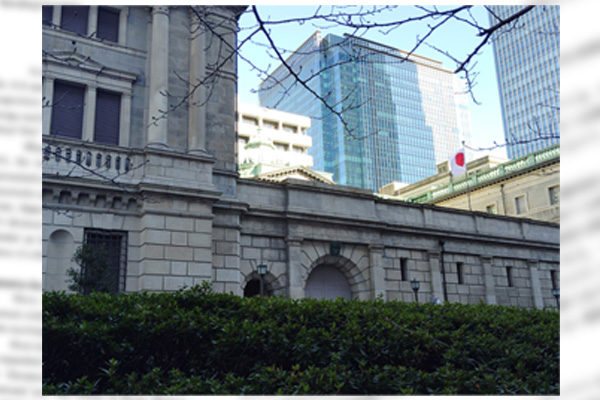
The Bank of Japan led by Governor Kazuo Ueda is likely to raise the policy interest rate, or the benchmark for short-term interest rates, by 0.25 percentage points to 0.75% at its monetary policy meeting late next week. The purpose is to stop the yen’s depreciation. However, this is inexplicable. The impact of interest rate hikes on the foreign exchange market is minimal.
Poor contributions to correcting yen depreciation
The Ueda-led BOJ has raised the policy interest rate twice since the lifting of negative interest rates in March last year, warning that the yen’s depreciation would lead to price hikes. However, the rate hikes discouraged currency market players from selling yen only for short periods of time. This is because a small hike of 0.25 points in short-term interest rates cannot stop market players’ speculative selling of yen for dollars at a time when Japanese short-term interest rates are over 3 points lower than U.S. rates. While the Ueda-led BOJ has indicated the attitude of accumulating additional rate hikes to substantially narrow gaps between Japanese and U.S. rates, market players have responded by selling yen speculatively in anticipation of further rate hikes.
Interest rate hikes increase mortgage rates and corporate borrowing costs, pushing down domestic demand. While each interest rate hike remarkably improves bank profits, funds cannot circulate within Japan where demand for capital is shrinking. Massive surplus money will be invested overseas rather than in the crucial domestic economy. In such situation, Japan cannot be expected to recover from the “three lost decades.”
Harmonize monetary policy with fiscal policy
This is not the time for the Ueda-led BOJ to remain holed up in its fortress-like headquarters, endlessly debating rate hikes. Needless to say, the BOJ Act guarantees the independence of the central bank’s monetary policy management. However, the BOJ is obliged to share the nation’s policy goals. The fate of Japan’s economy now depends on the success or failure of the “responsible and proactive fiscal policy” advocated by the government of Prime Minister Sanae Takaichi. The BOJ should focus on harmonizing its monetary policy with Takaichi’s fiscal policy.
On December 8, the Takaichi government submitted to the Diet a large-scale supplementary budget proposal for general account expenditure worth more than 18 trillion yen. As well as tax cuts and other measures to counter price hikes, fiscal mobilization to expand strategic investment to enhance growth potential and economic security will not be limited to the supplementary budget but will continue seamlessly into the next fiscal year.
An obstacle to fiscal expansion is a rise in government bond yields. Main players in the Japanese government bond market are foreigners who have a market share of 30-40% and conduct speculative selling of government bonds to trigger a rise in government bond yields. In line with the “responsible” fiscal policy, the Takaichi government is reducing the scale of new government bond issuance from the previous fiscal year to control outstanding government debt as a percentage of gross domestic product. However, it falls short of keeping speculative government bond selling in check.
Here, only the BOJ can support the government bond market. Shouldn’t the central bank reconsider its policy of reducing its government bond holdings and flexibly intervene in the government bond market?
Hideo Tamura is a Planning Committee member at the Japan Institute for National Fundamentals and a senior correspondent for the Sankei Shimbun newspaper.
 Tsutomu Nishioka
 Takashi Arimoto
 Tadae Takubo
 Fumio Ota
 Yoshiko Sakurai
 Yasushi Tomiyama
 Masahiko Hosokawa
 Yoichi Shimada
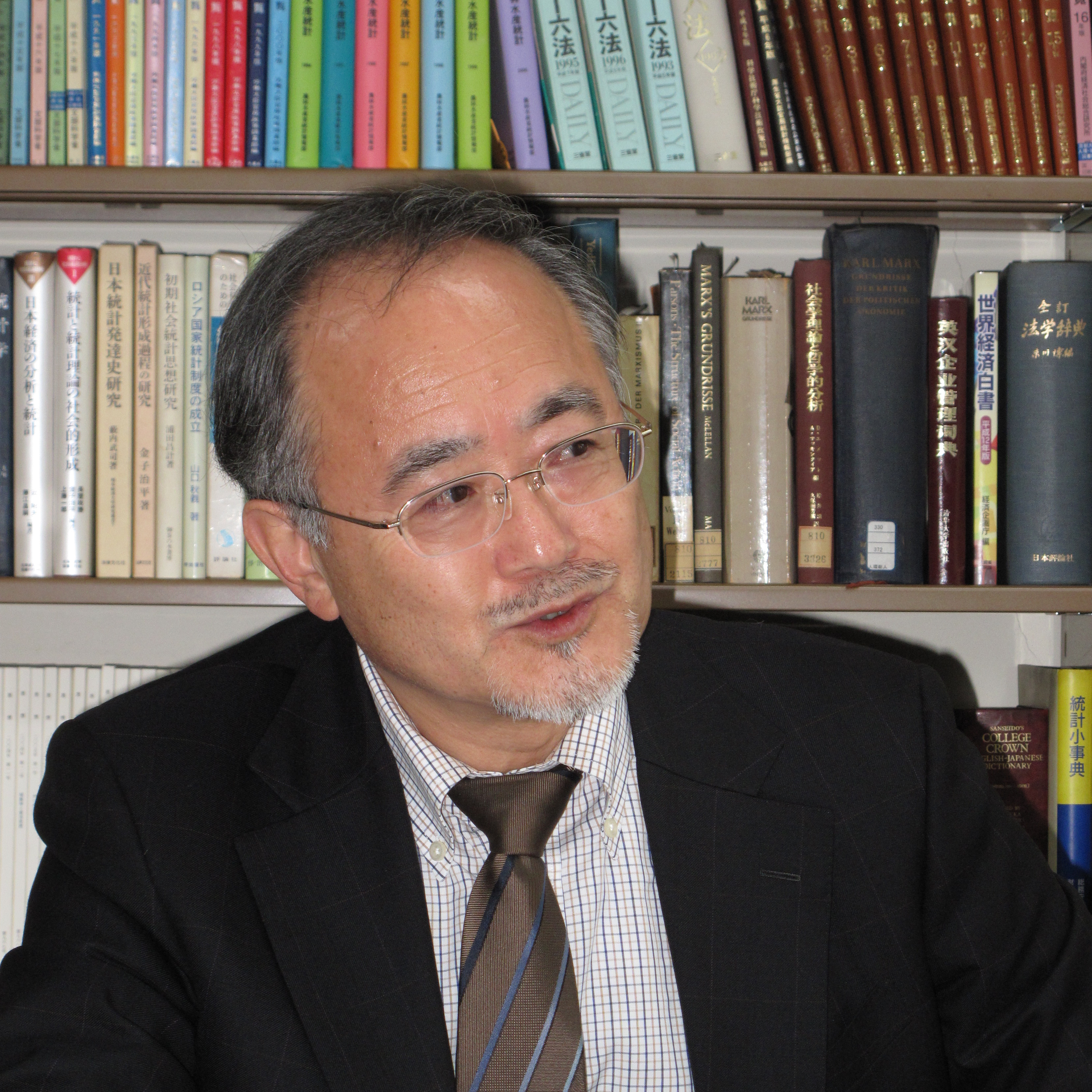 Hiroshi Yuasa
 Tadashi Narabayashi
 Kiyofumi Iwata
 Kunio Orita
 Maki Nakagawa
 Etsuro Honda
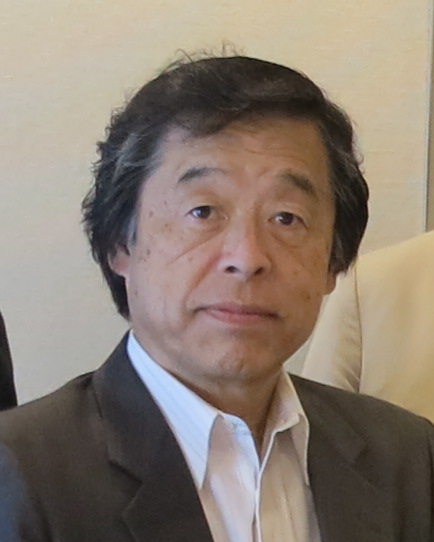 Yujiro Oiwa
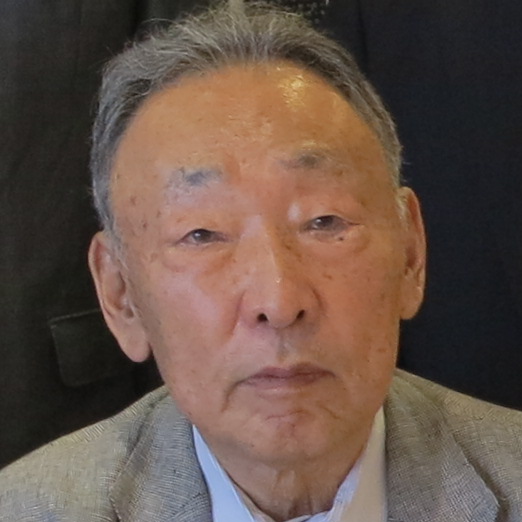 Hironobu Ishikawa
 Shiro Takahashi
 Katsuhiko Takaike
 Michio Ezaki
 Akira Momochi
 Akio Yaita
 Yoshihiko Yamada
 Seiji Kurosawa
 Koichi Endo
 Brahma Chellaney
 Nobuko Araki
 Yang Haiying
 James Auer
 Sumihiko Kawamura
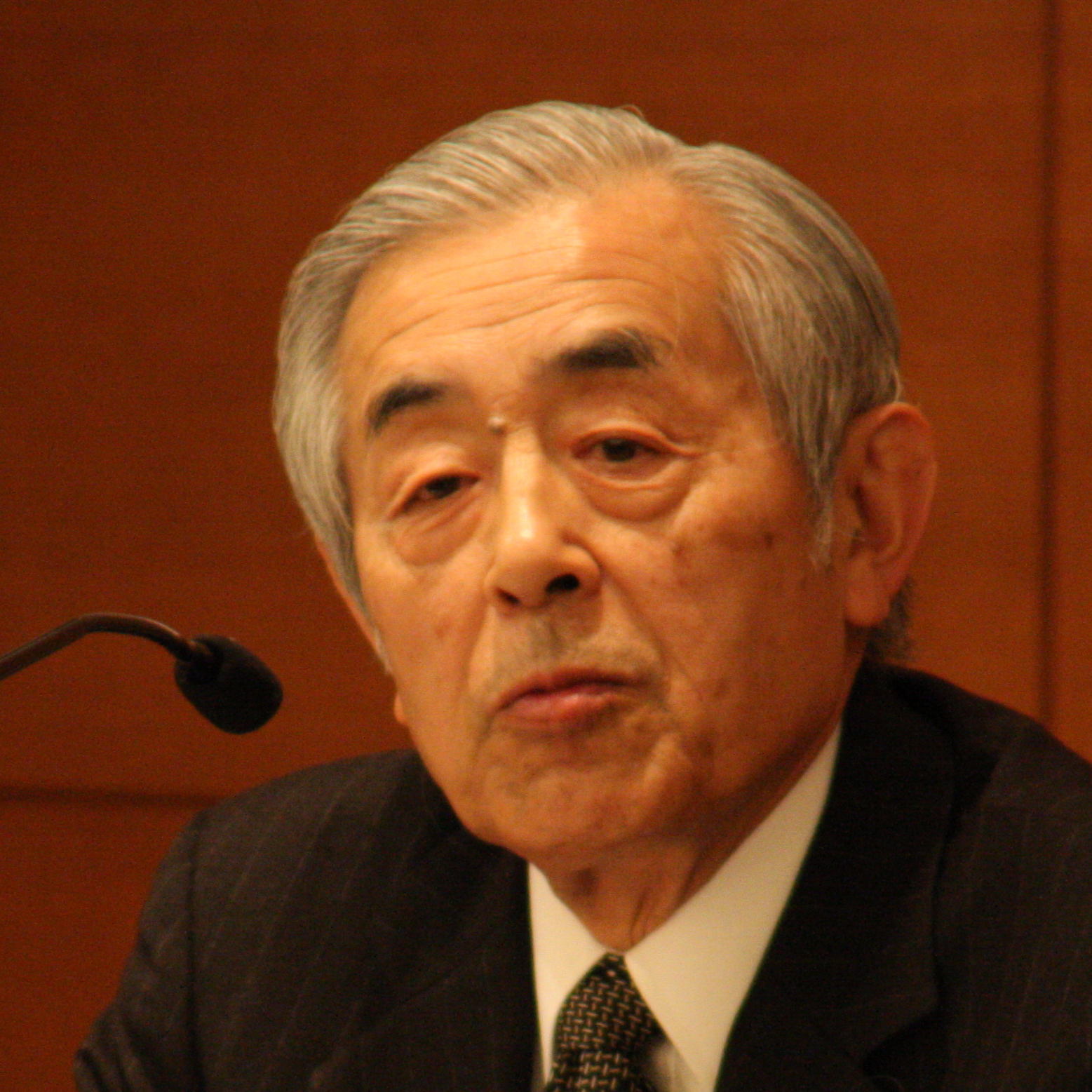 Hiroshi Kimura
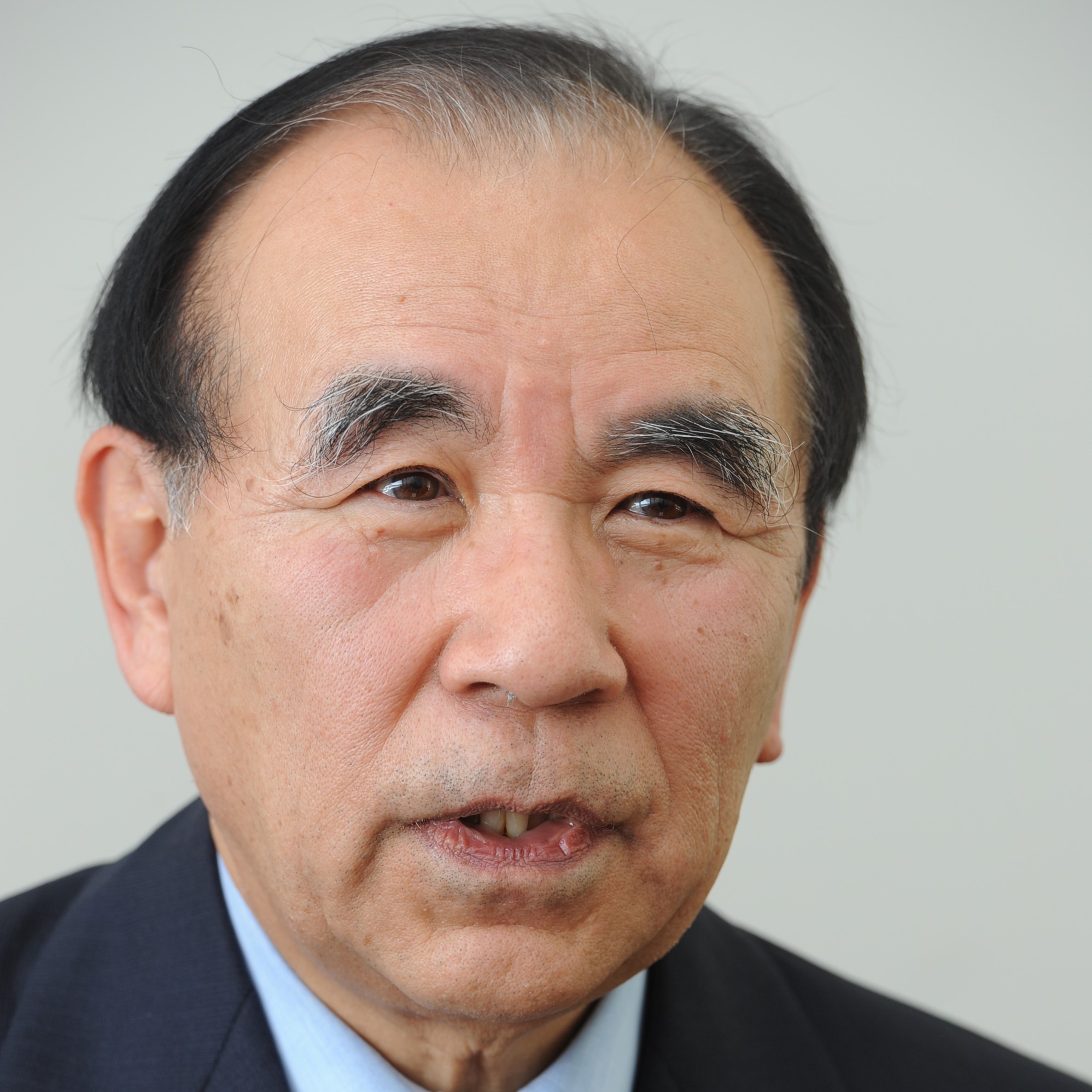 Osamu Nishi
 Koko Kato
 Tadashi Saito
 Shohei Umezawa
 Jason Morgan
 Arvind Gupta
 Kenro Nagoshi
 Takeshi Kudo
 Sukehiro Hirakawa
 Yumiko Nishimoto
 Rikiwo Shikama
 Eriko Yamatani
 Koichi Furusho
 Tadashi Ito
 Satoshi Hirano
 Lee Woo Young
 Taro Yayama
 Koh Sekai
 Koji Okamoto
 Tsutomu Toichi
 Hideaki Karaki
 Toshu Noguchi
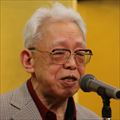 Kichinosuke Ihara
 Hisashi Matsumoto
 Yasuyuki Takai
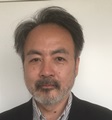 Nobuyuki Sato
 Chung Dae Kyun
 Toshio Watanabe
 Katsuya Tsukamoto
 Kazuto Suzuki
 Koichi Mera
 Akihisa Nagashima
 Miki Kase
 Eitaro Ogawa
 Hirotaka Watanabe
 Akinaka Senzaki
 Kevin Maher
 Yang Yi
 Hidetake Sawa
 Satoshi Tomisaka
 Nobukatsu Fujioka
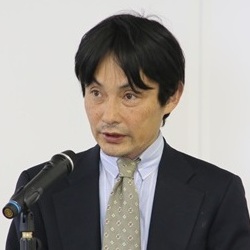 Masanori Kondo
 Hiroshi Ito
 Mio Sugita
 Rupakjyoti Borah
 Seiichi Okutomi
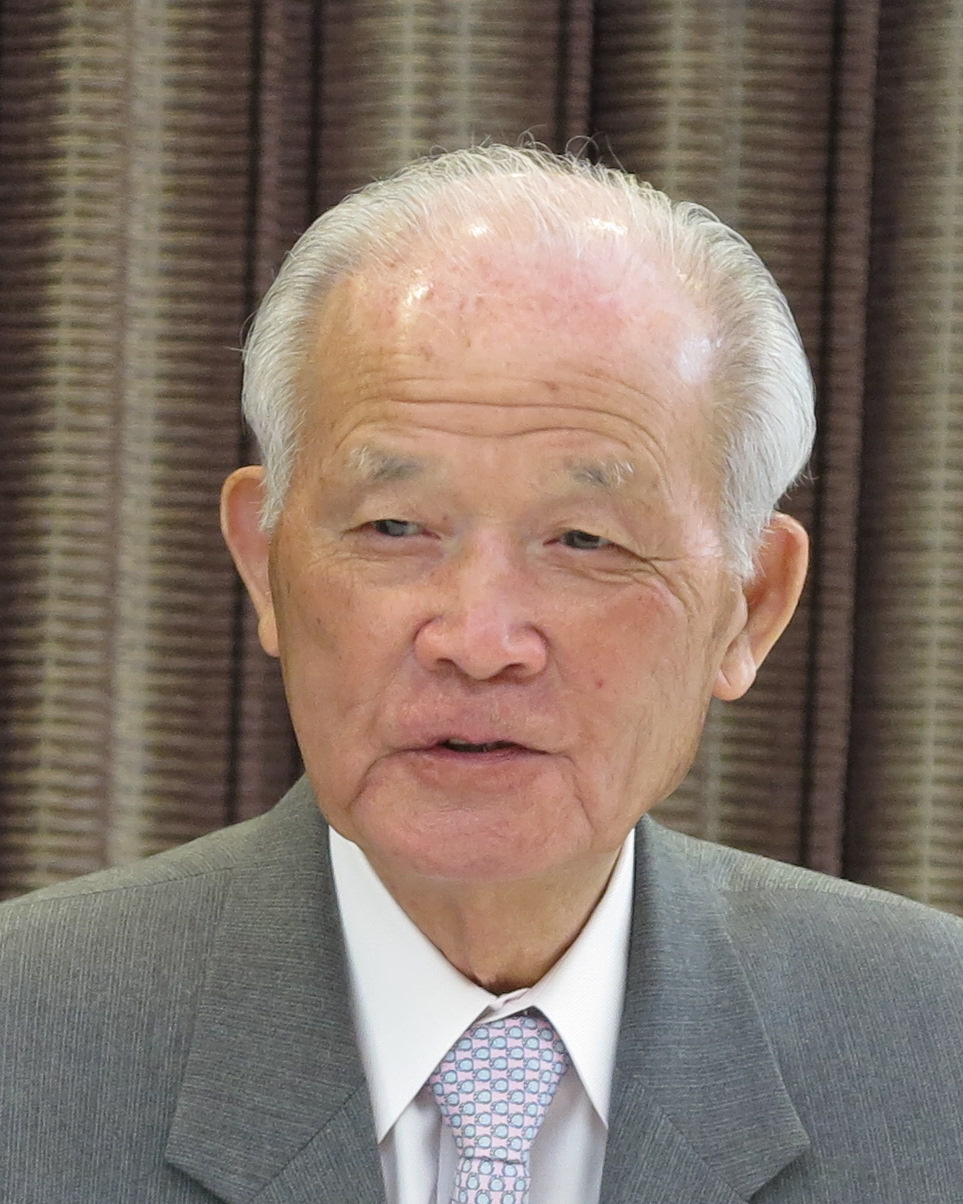 Saburo Tsukamoto
 Yasuo Naito
 Satoshi Sakakibara
 Yen-Hung Lin
 Sanae Takaichi
 Haruhisa Nakagawa
 Norihide Miyoshi
 Syunichi Akasofu
 Ryoichi Hamamoto
 Hong Hyung
 Andrii Gurenko
 Ronald Morse
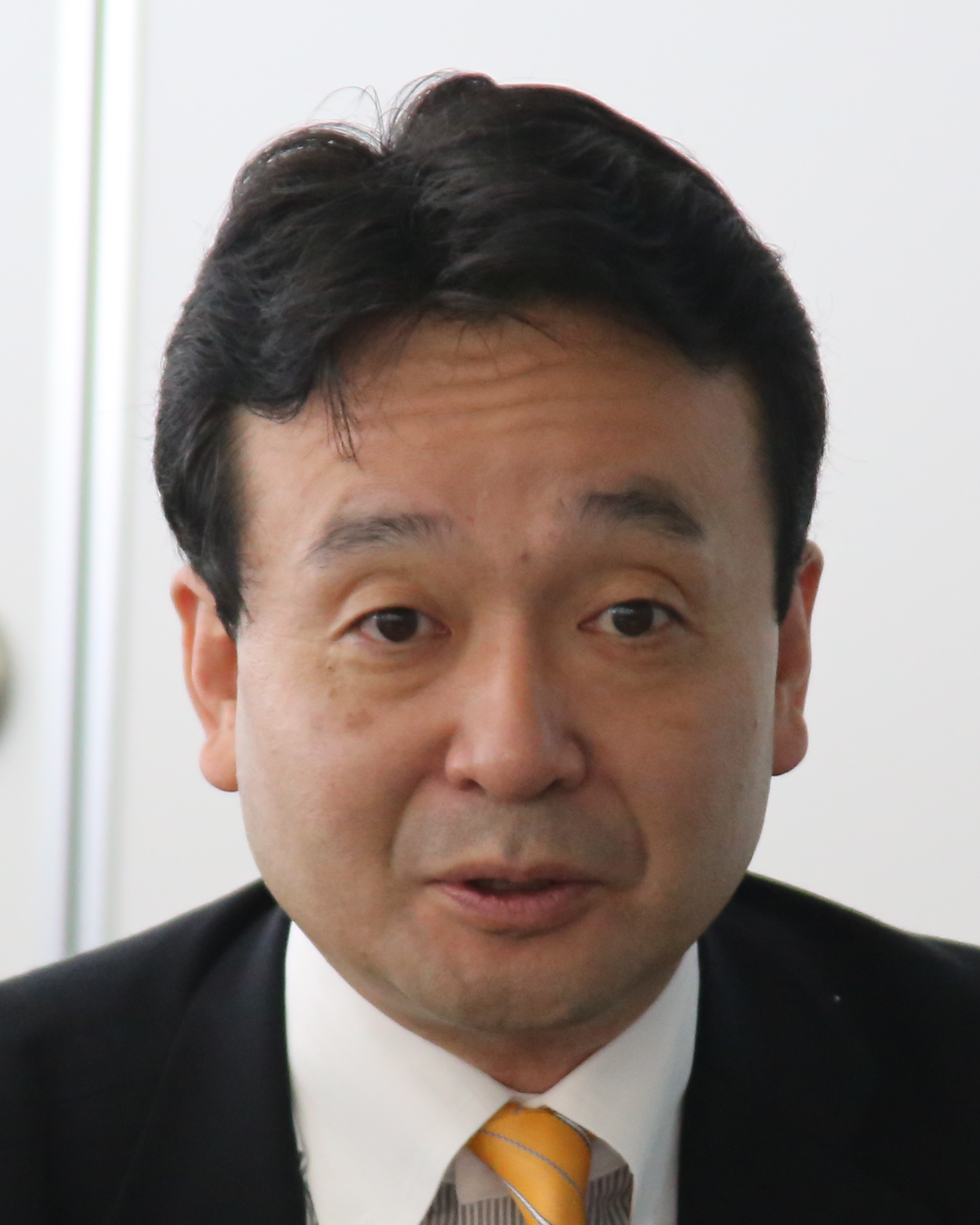 Kazuhiko Inoue
 Keiichi Nakagawa
 Masamori Sase
 Katsutoshi Kawano
 Tomohisa Takei