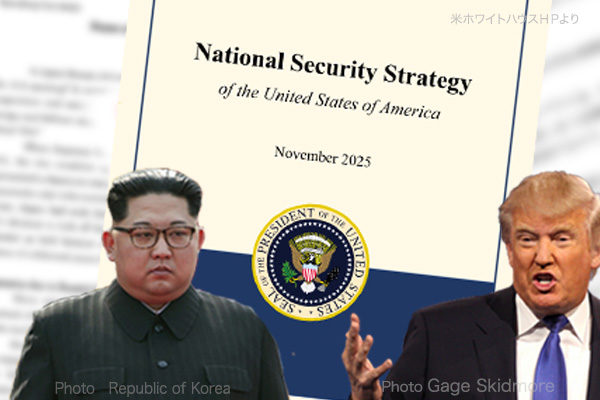
The U.S. National Security Strategy, released on December 4, emphasizes the “America First” principle that gives top priority to U.S. interests. It tarnishes the image of the United States as the leader of the free world and strongly reflects President Donald Trump’s habit of criticizing U.S. allies for their free ride on U.S. security guarantees.
Regarding China that is the most threatening to Japan’s security, the strategy says, “We will rebalance America’s economic relationship with China […] to restore American economic independence,” giving priority to economic relations. Regarding a potential Taiwan contingency, the strategy takes a cautious stance, stating that “deterring a conflict over Taiwan, ideally by preserving military overmatch, is a priority.” The biggest cause of concern for Japan, above all, is the complete omission of any reference to North Korea’s nuclear weapons.
North Korean nuclear issue missing from the new strategy
North Korea explicitly incorporated the strengthening of its nuclear forces into its constitution in 2023 and has been working to expand its nuclear and missile capabilities. In December 2024, its leader Kim Jong Un, with Trump’s return to the presidency in mind, criticized the U.S. for maintaining its national policy against communism and put forward a “toughest-ever anti-U.S. strategy.”
For his part, Trump said after his second inauguration ceremony: “I was very friendly with [Kim]. We got along very well. He is a nuclear power. We got along. I think he will be happy to see me coming back.” Washington has not officially recognized North Korea as a nuclear power. However, given Trump’s remark, which appears to tacitly acknowledge North Korea’s possession of nuclear weapons, along with the latest National Security Strategy, the credibility of the U.S. nuclear umbrella extended to its allies has significantly declined.
Last year, North Korea successfully test-fired a Hwasong-19 intercontinental ballistic missile that can reach Washington, D.C. In January this year, it successfully test-fired a new hypersonic medium-range ballistic missile. The missile’s range covers the whole of Japan, while the Japanese Self-Defense Forces has no ability to intercept it.
The first Trump administration insisted on the “complete, verifiable, and irreversible denuclearization” of North Korea, seeming enthusiastic about the denuclearization of the Korean Peninsula. Even then, Trump dismissed North Korea’s development of medium-range ballistic missiles, which cannot reach the U.S., saying in 2019, “it’s a problem for Shinzo [Abe, then Japanese Prime Minister].” Since the latest U.S. National Security Strategy makes no mention of North Korea at all, there is a concern that the “nuclear umbrella,” already fraying, will decisively become a torn umbrella.
How to protect Japan from a nuclear attack
Last year, the Japan Confederation of Atomic and Hydrogen Bomb Sufferers Organizations (Hidankyo), which has long advocated for the abolition of nuclear weapons, was awarded the Nobel Peace Prize. While this was gratifying, it remains the grave responsibility of the government to protect its people until nuclear weapons are abolished.
Japan has also decided to update its national security strategy ahead of schedule. The biggest flaw of the current national security strategy is the lack of a nuclear deterrence strategy. We can no longer afford to be complacent. It is time for every citizen to consider a nuclear deterrence strategy to specify how to protect Japan from a nuclear attack.
Kunio Orita is a member of the JINF Planning Committee and a special professor at Reitaku University. He is a retired Lieutenant General of the Japan Air Self-Defense Force.
 Tsutomu Nishioka
 Takashi Arimoto
 Tadae Takubo
 Fumio Ota
 Yoshiko Sakurai
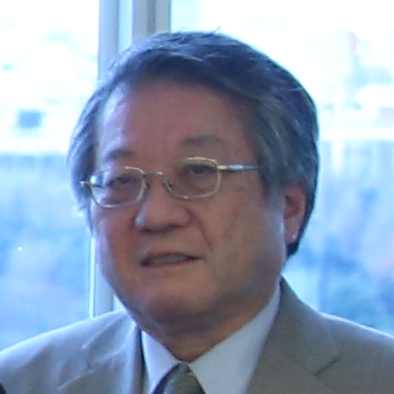 Yasushi Tomiyama
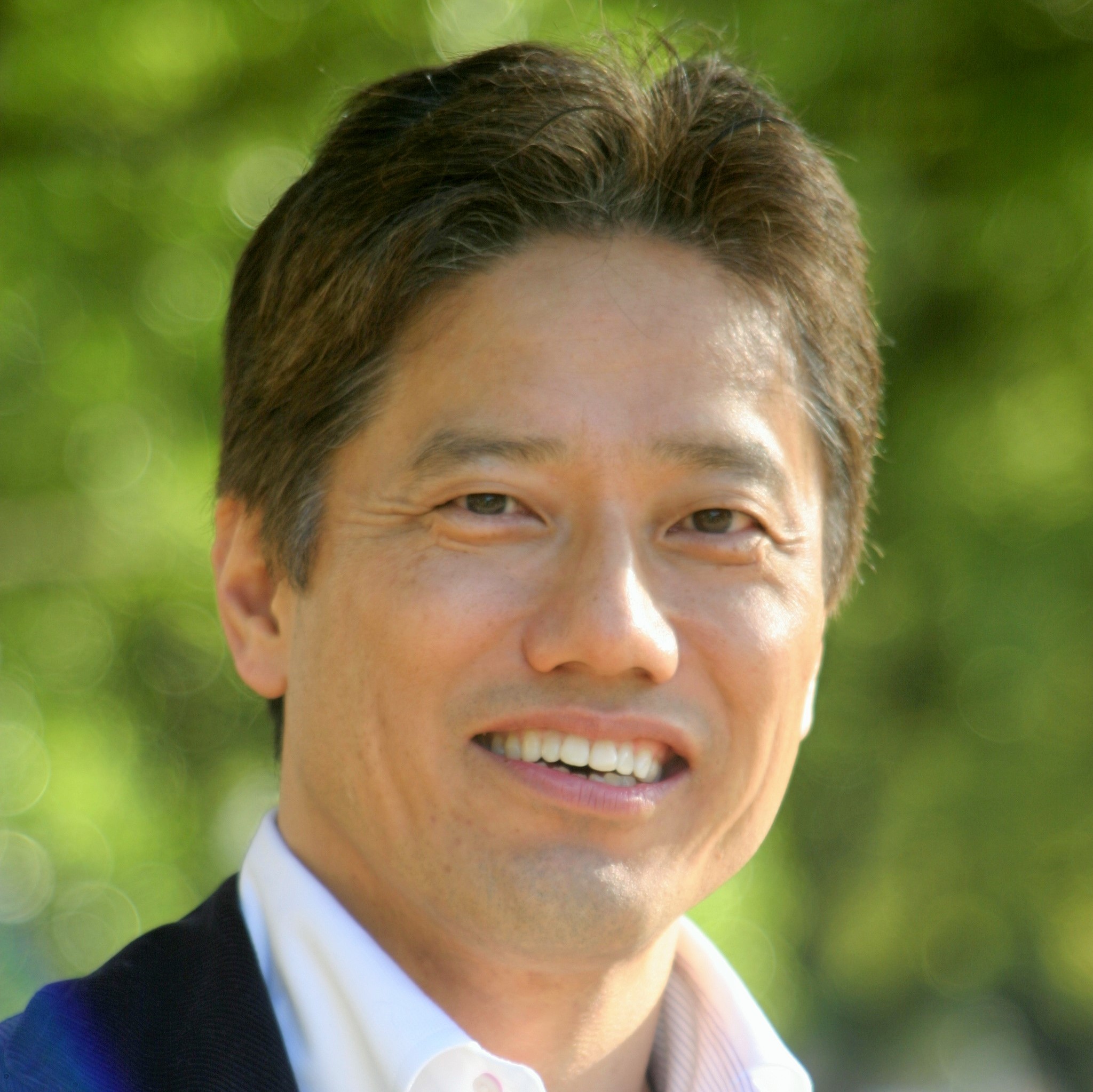 Masahiko Hosokawa
 Yoichi Shimada
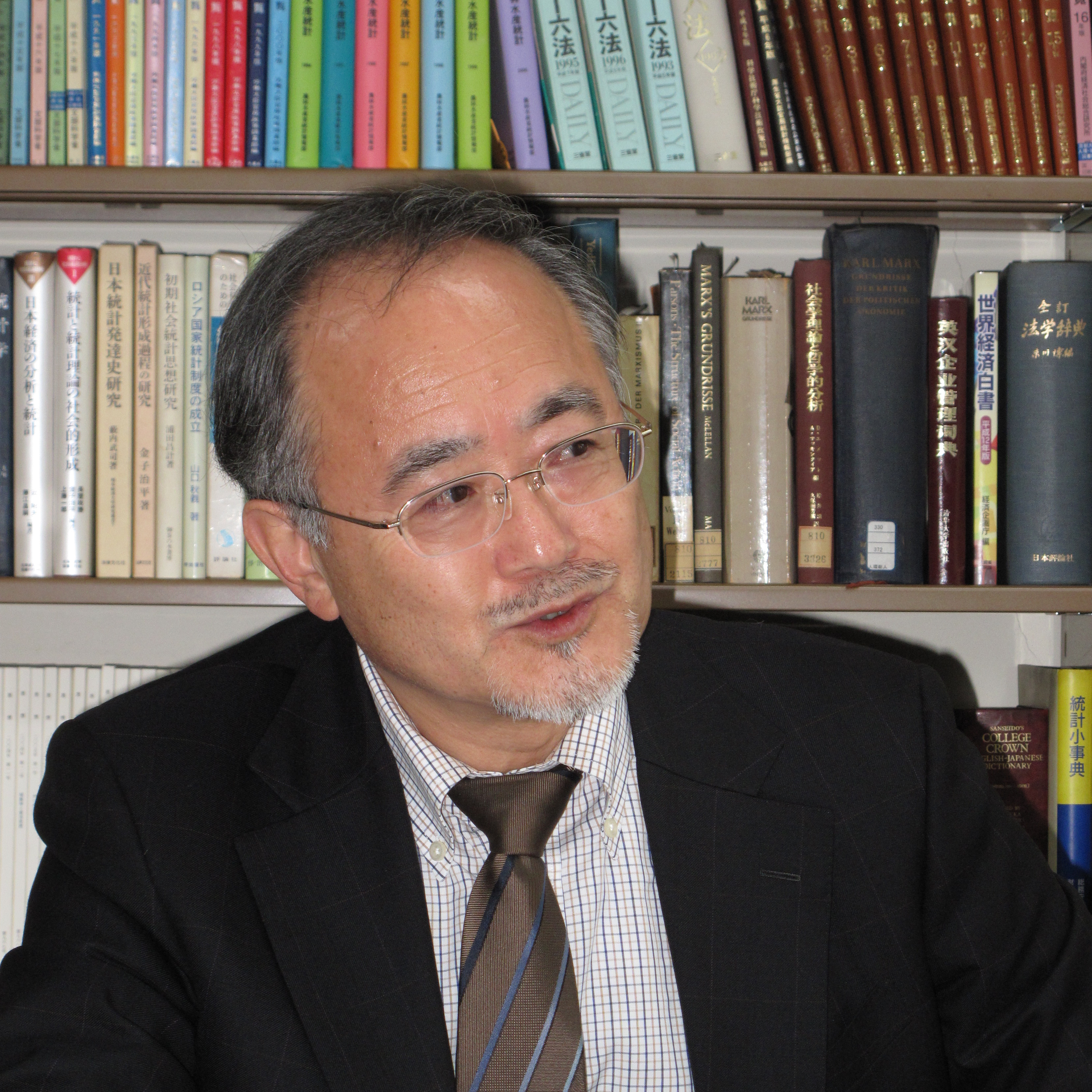 Hiroshi Yuasa
 Tadashi Narabayashi
 Hideo Tamura
 Kiyofumi Iwata
 Maki Nakagawa
 Etsuro Honda
 Yujiro Oiwa
 Hironobu Ishikawa
 Shiro Takahashi
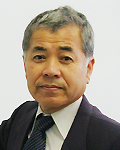 Katsuhiko Takaike
 Michio Ezaki
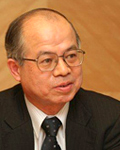 Akira Momochi
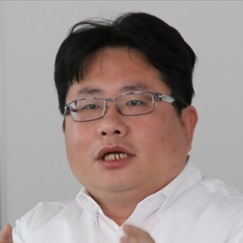 Akio Yaita
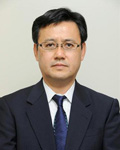 Yoshihiko Yamada
 Seiji Kurosawa
 Koichi Endo
 Brahma Chellaney
 Nobuko Araki
 Yang Haiying
 James Auer
 Sumihiko Kawamura
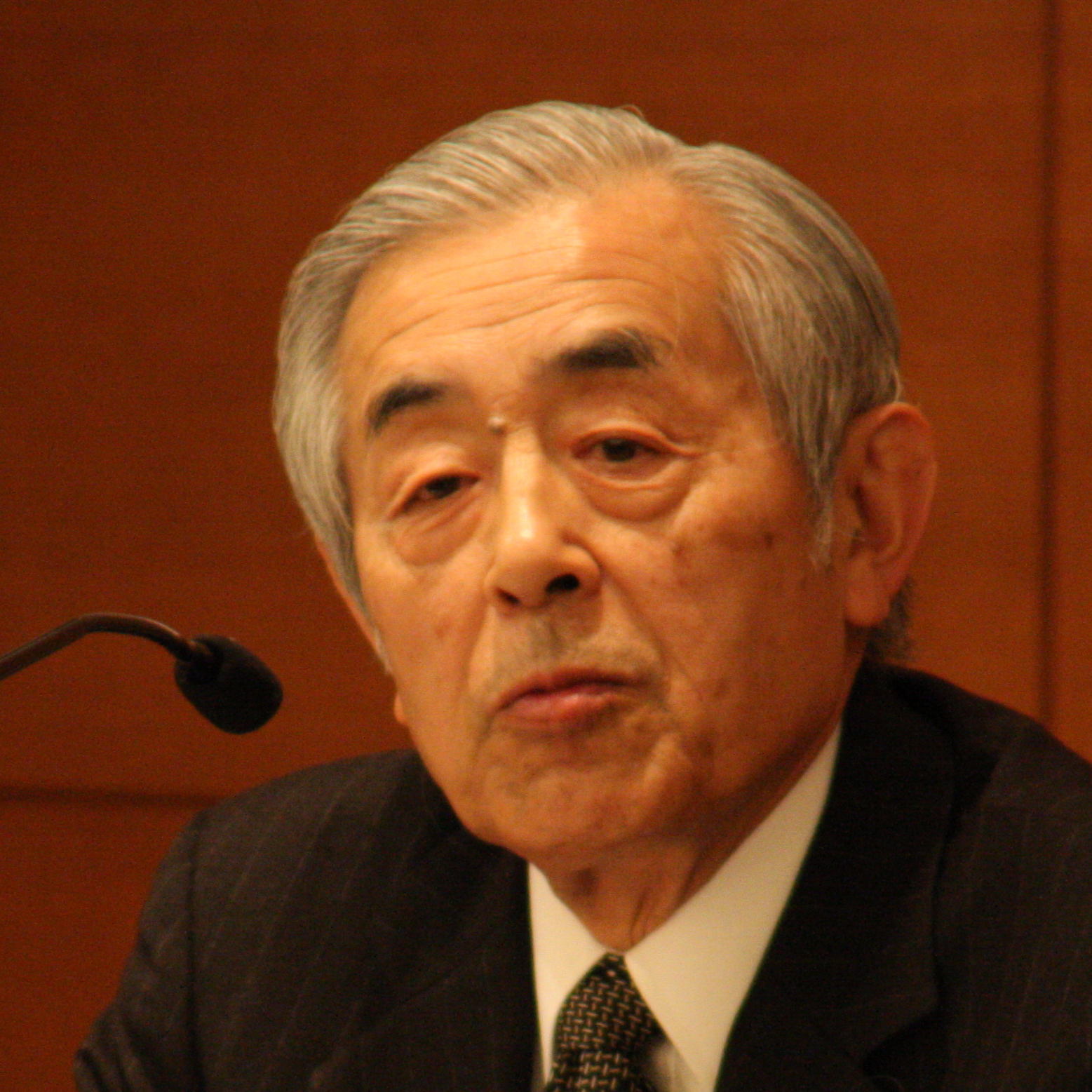 Hiroshi Kimura
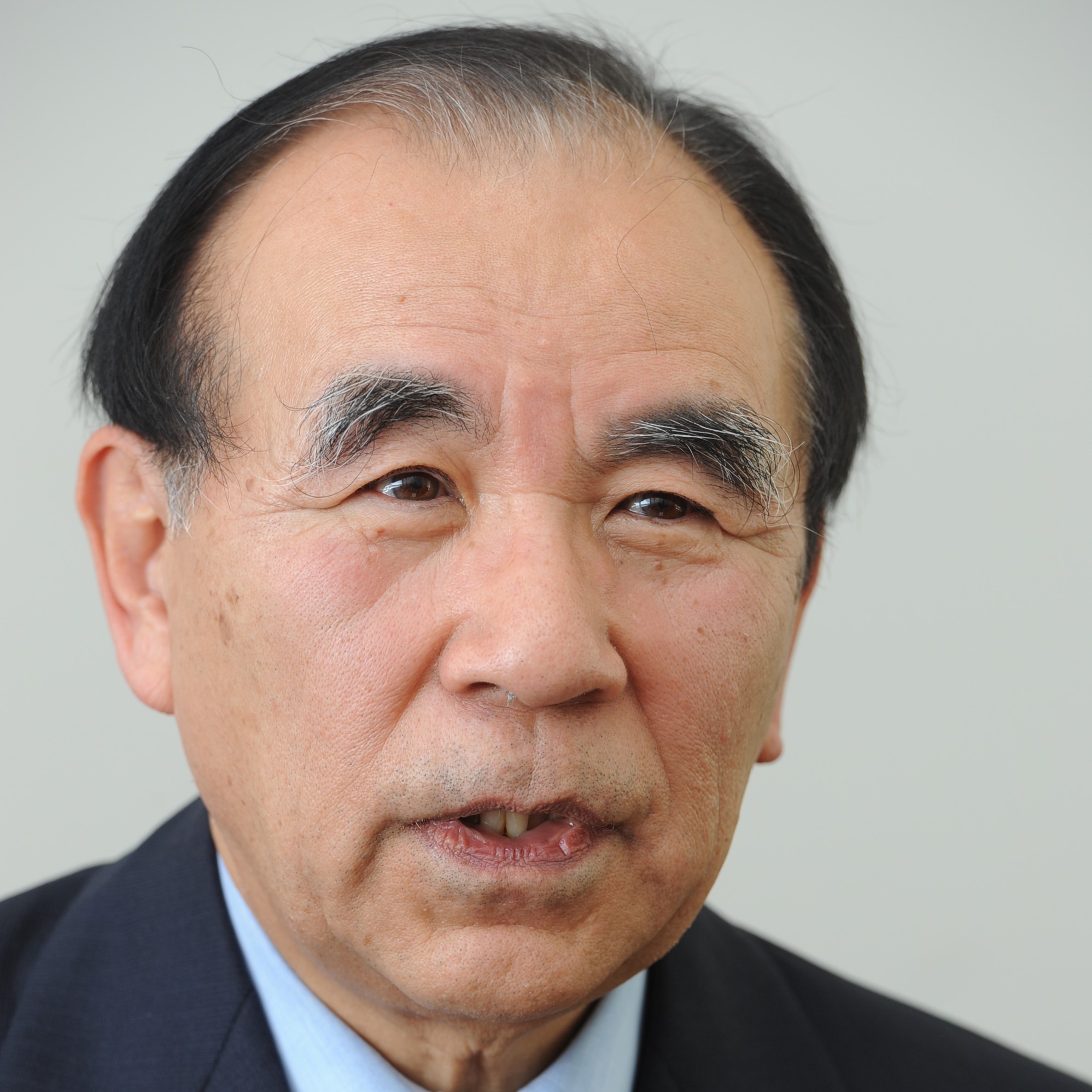 Osamu Nishi
 Koko Kato
 Tadashi Saito
 Shohei Umezawa
 Jason Morgan
 Arvind Gupta
 Kenro Nagoshi
 Takeshi Kudo
 Sukehiro Hirakawa
 Yumiko Nishimoto
 Rikiwo Shikama
 Eriko Yamatani
 Koichi Furusho
 Tadashi Ito
 Satoshi Hirano
 Lee Woo Young
 Taro Yayama
 Koh Sekai
 Koji Okamoto
 Tsutomu Toichi
 Hideaki Karaki
 Toshu Noguchi
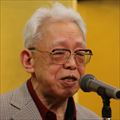 Kichinosuke Ihara
 Hisashi Matsumoto
 Yasuyuki Takai
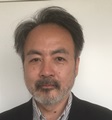 Nobuyuki Sato
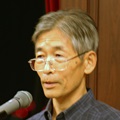 Chung Dae Kyun
 Toshio Watanabe
 Katsuya Tsukamoto
 Kazuto Suzuki
 Koichi Mera
 Akihisa Nagashima
 Miki Kase
 Eitaro Ogawa
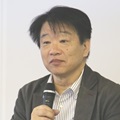 Hirotaka Watanabe
 Akinaka Senzaki
 Kevin Maher
 Yang Yi
 Hidetake Sawa
 Satoshi Tomisaka
 Nobukatsu Fujioka
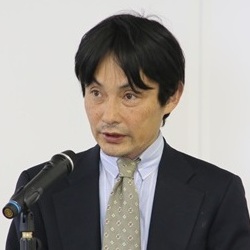 Masanori Kondo
 Hiroshi Ito
 Mio Sugita
 Rupakjyoti Borah
 Seiichi Okutomi
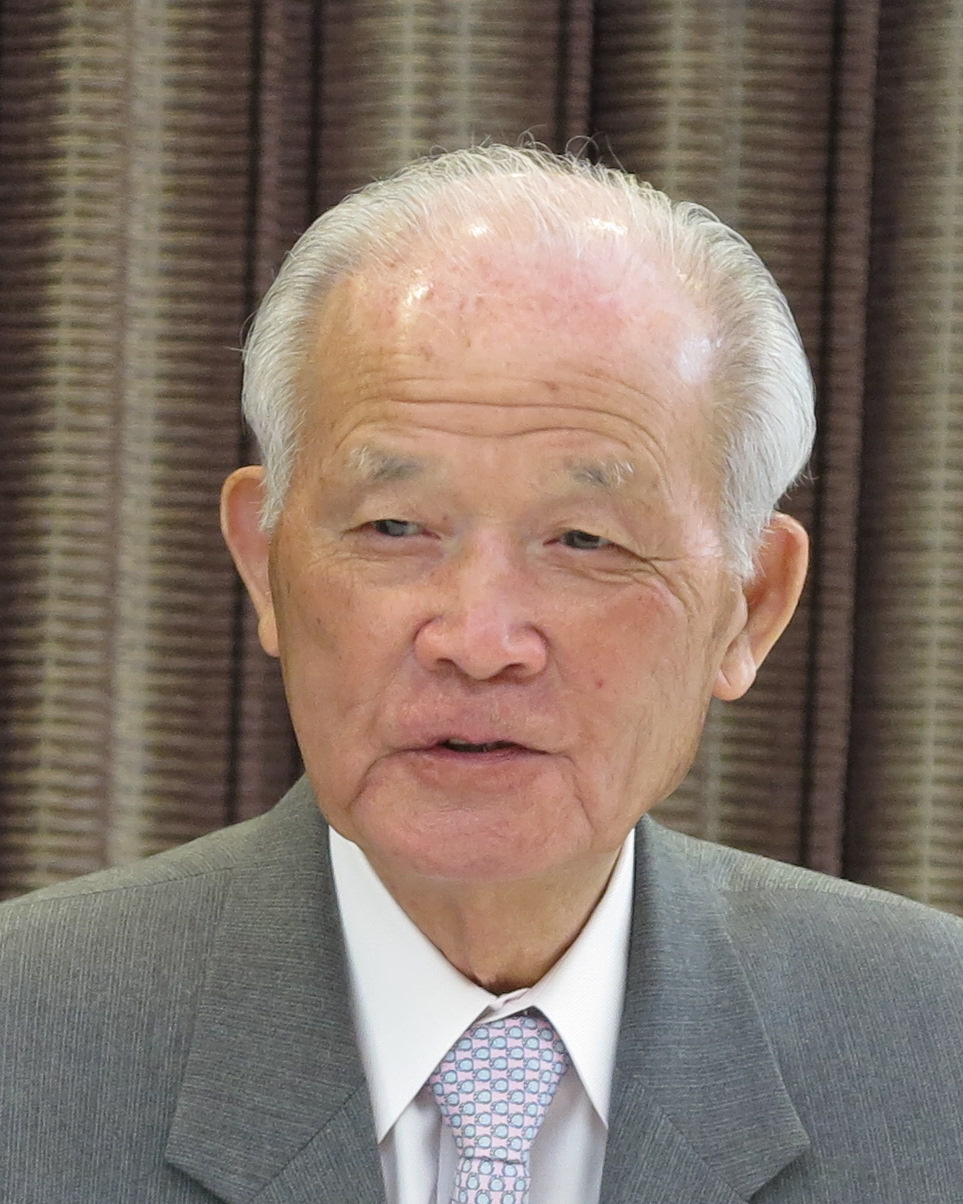 Saburo Tsukamoto
 Yasuo Naito
 Satoshi Sakakibara
 Yen-Hung Lin
 Sanae Takaichi
 Haruhisa Nakagawa
 Norihide Miyoshi
 Syunichi Akasofu
 Ryoichi Hamamoto
 Hong Hyung
 Andrii Gurenko
 Ronald Morse
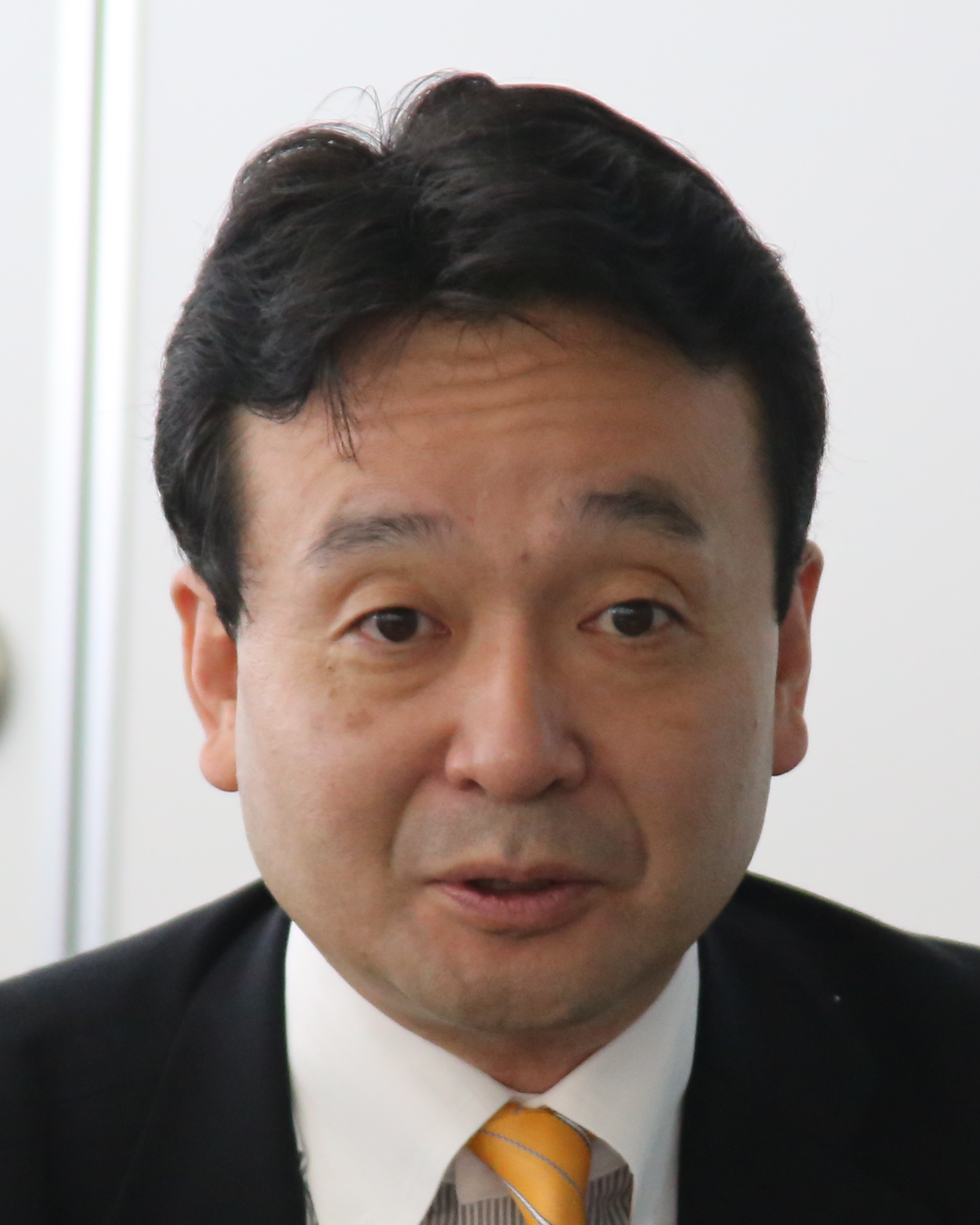 Kazuhiko Inoue
 Keiichi Nakagawa
 Masamori Sase
 Katsutoshi Kawano
 Tomohisa Takei