“The days of the United States propping up the entire world order like Atlas are over,” says the U.S. National Security Strategy released last December, officially reaffirming the end of the U.S.’ pursuit of global hegemony that continued after the Cold War. Regarding relations with China, it advocates maintaining a “mutually advantageous economic relationship” and treats China as a negotiating partner rather than an enemy. At the same time, it makes clear that the U.S. does not intend to cede leadership of the regional order to China or Russia.
Secretary Hegseth’s plan to deter China
Regarding the regional order in East Asia, U.S. Defense Secretary Pete Hegseth has been laying out its concrete shape in a series of statements. In his speech at the Shangri-La Dialogue in Singapore on May 31 last year, Hegseth said that the Pentagon was prioritizing forward-postured, combat-credible forces in the Western Pacific and enhancing defense capabilities along the first island chain (from the Japanese archipelago to the Philippines) and the second island chain (from the Ogasawara Islands to Guam) in order to deter China’s intent to invade. He thus made clear his plan to prevent China from establishing military leadership within the two island chains.
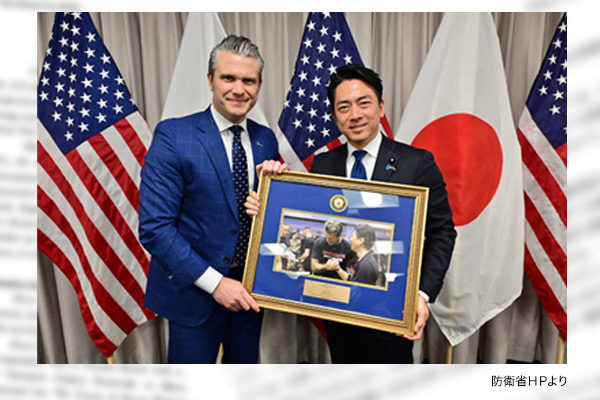
At the Japan-U.S. defense ministers’ meeting on January 15, Hegseth said, “Strengthening our forces through realistic training and exercises in Japan, across the first island chain, is the kind of operational demonstration we need to be capable of showing.” From this statement, one can discern an intention to make forward training and deployments with allied nations more visible and to build a posture that gives China no expectation of success.
These statements can be seen as signaling the U.S.’ determination, together with its allies, not to allow China to establish dominance in the Western Pacific.
Importantly, this concept of deterrence toward China serves as the basis for asking U.S. allies to play a leading role in conventional defense. “South Korea committed to spend 3.5% of GDP on core military spending and assume the leading role in its conventional defense,” Hegseth said in his speech at the Reagan National Defense Forum on December 6 last year. “We are optimistic that … other Indo-Pacific allies will follow suit.” In this way, he stepped up his demands on Japan to increase its defense burden and expand its role.
Strengthening island chain defense is in the common interest of Japan and the U.S.
Under these circumstances, it is important for Japan to enhance operational cooperation with the U.S. by not only enhancing its defense capabilities along the first island chain, but also taking into view the reinforcement of defenses along the second island chain, where the Chinese Navy has expanded its activities in recent years. This will not only directly contribute to Japan’s defense, but also support U.S. forces’ forward deployment and sustainment, thus ensuring a posture that prevents China from establishing primacy in the Western Pacific.
At a time when the U.S. increasingly emphasizes practical gains over values, Japan needs to strategically demonstrate to the Trump administration that improving the effectiveness of island chain defense is in the interests of both Japan and the U.S.
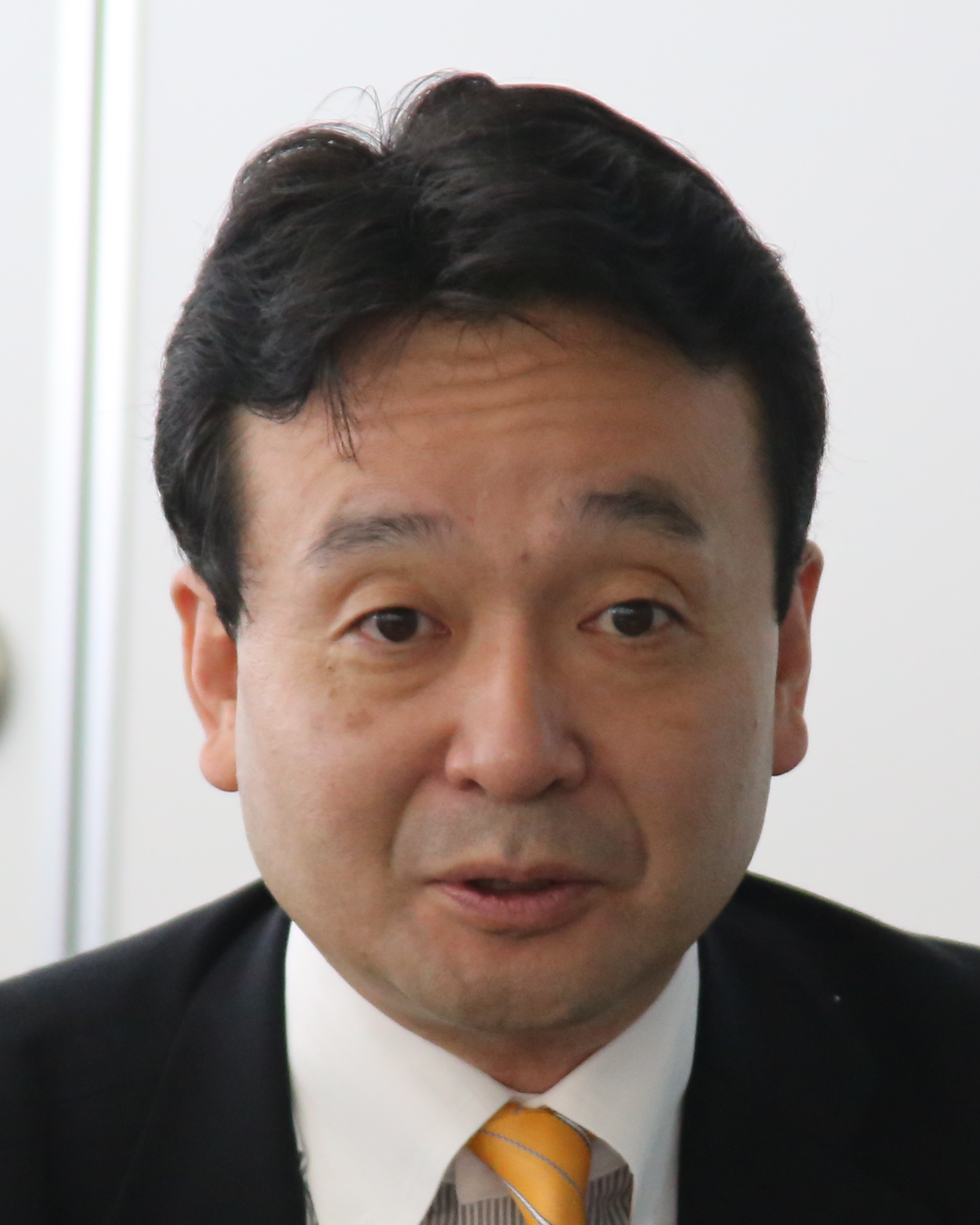
Kiyofumi Iwata is a member of the Planning Committee at the Japan Institute for National Fundamentals. Formerly, he served as Chief of Staff of the Japan Ground Self-Defense Force.
 Tsutomu Nishioka
 Takashi Arimoto
 Tadae Takubo
 Fumio Ota
 Yoshiko Sakurai
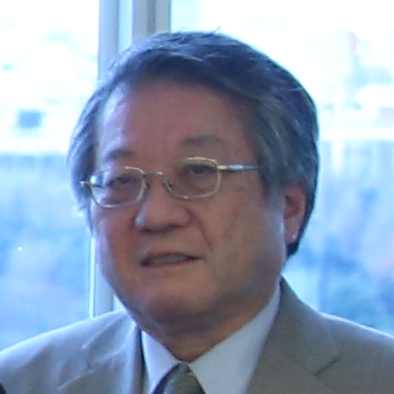 Yasushi Tomiyama
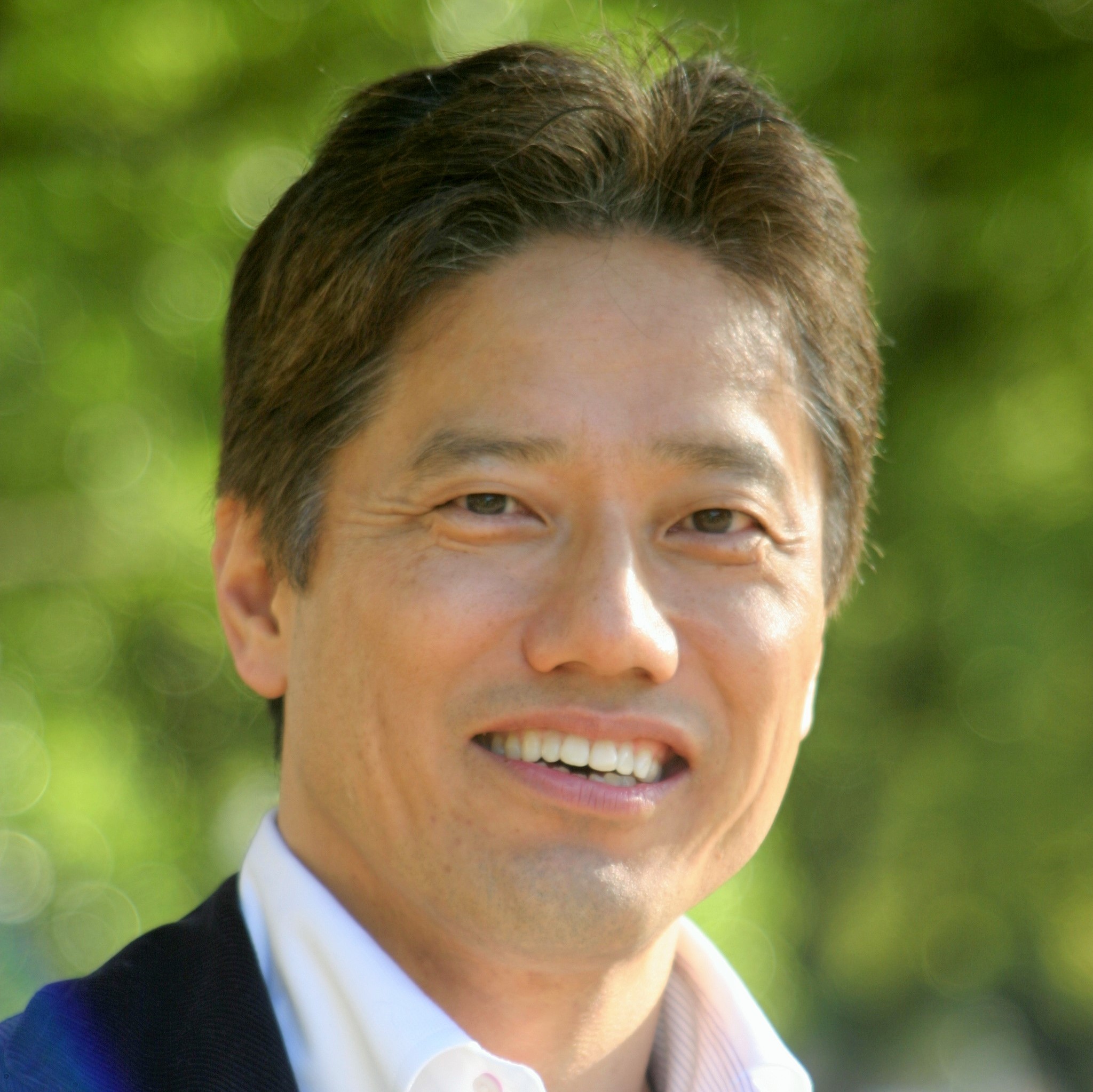 Masahiko Hosokawa
 Yoichi Shimada
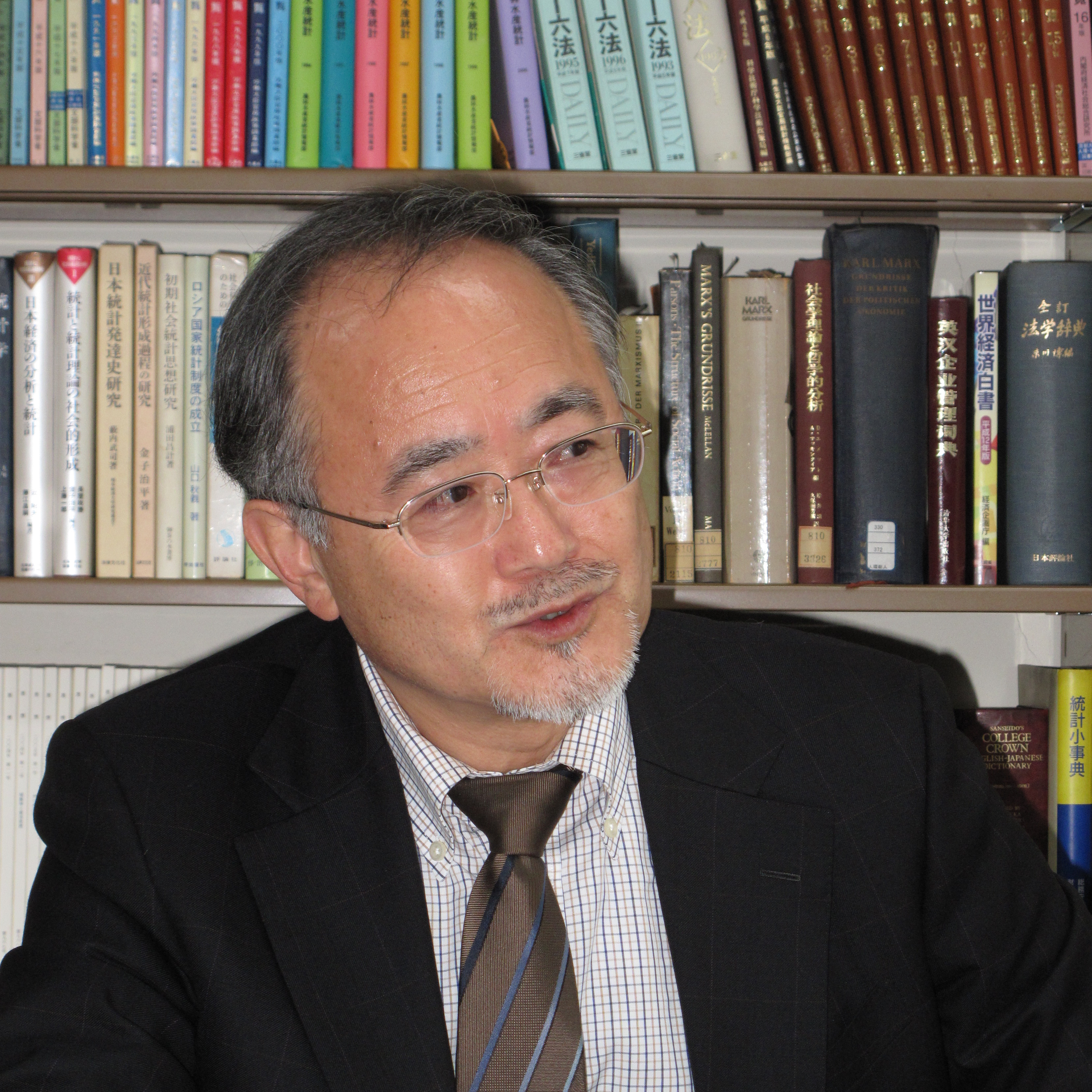 Hiroshi Yuasa
 Tadashi Narabayashi
 Hideo Tamura
 Kunio Orita
 Maki Nakagawa
 Etsuro Honda
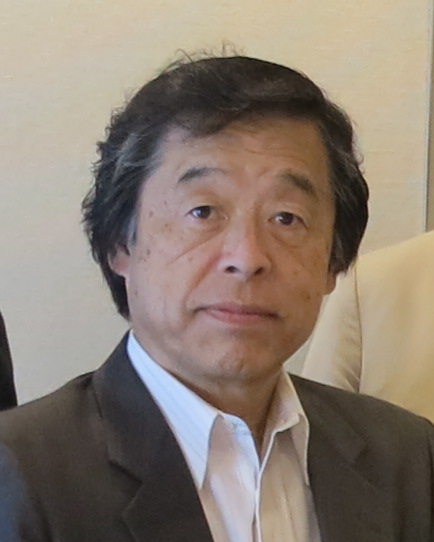 Yujiro Oiwa
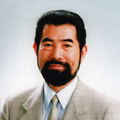 Shiro Takahashi
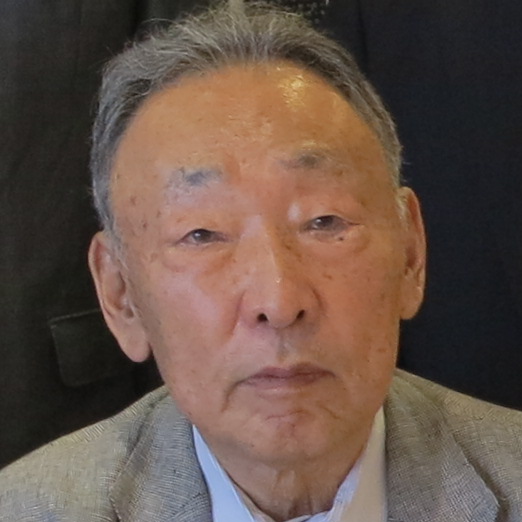 Hironobu Ishikawa
 Katsuhiko Takaike
 Michio Ezaki
 Akira Momochi
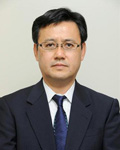 Yoshihiko Yamada
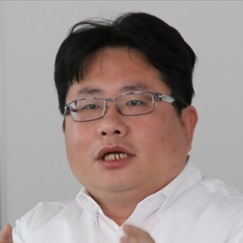 Akio Yaita
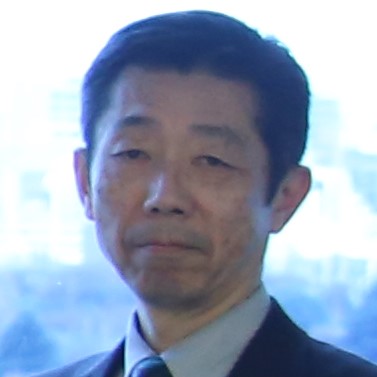 Seiji Kurosawa
 Brahma Chellaney
 Koichi Endo
 Nobuko Araki
 James Auer
 Yang Haiying
 Hiroshi Kimura
 Sumihiko Kawamura
 Arvind Gupta
 Shohei Umezawa
 Koko Kato
 Takeshi Kudo
 Jason Morgan
 Kenro Nagoshi
 Tadashi Saito
 Osamu Nishi
 Hisashi Matsumoto
 Tsutomu Toichi
 Kichinosuke Ihara
 Nobuyuki Sato
 Yumiko Nishimoto
 Toshu Noguchi
 Satoshi Hirano
 Hideaki Karaki
 Koji Okamoto
 Tadashi Ito
 Eriko Yamatani
 Lee Woo Young
 Rikiwo Shikama
 Sukehiro Hirakawa
 Taro Yayama
 Yasuyuki Takai
 Koh Sekai
 Koichi Furusho
 Sanae Takaichi
 Satoshi Tomisaka
 Yen-Hung Lin
 Ryoichi Hamamoto
 Andrii Gurenko
 Katsutoshi Kawano
 Kazuto Suzuki
 Kevin Maher
 Miki Kase
 Akihisa Nagashima
 Ronald Morse
 Hidetake Sawa
 Yang Yi
 Keiichi Nakagawa
 Seiichi Okutomi
 Haruhisa Nakagawa
 Hong Hyung
 Mio Sugita
 Tomohisa Takei
 Rupakjyoti Borah
 Masamori Sase
 Chung Dae Kyun
 Hirotaka Watanabe
 Masanori Kondo
 Koichi Mera
 Syunichi Akasofu
 Satoshi Sakakibara
 Hiroshi Ito
 Toshio Watanabe
 Nobukatsu Fujioka
 Eitaro Ogawa
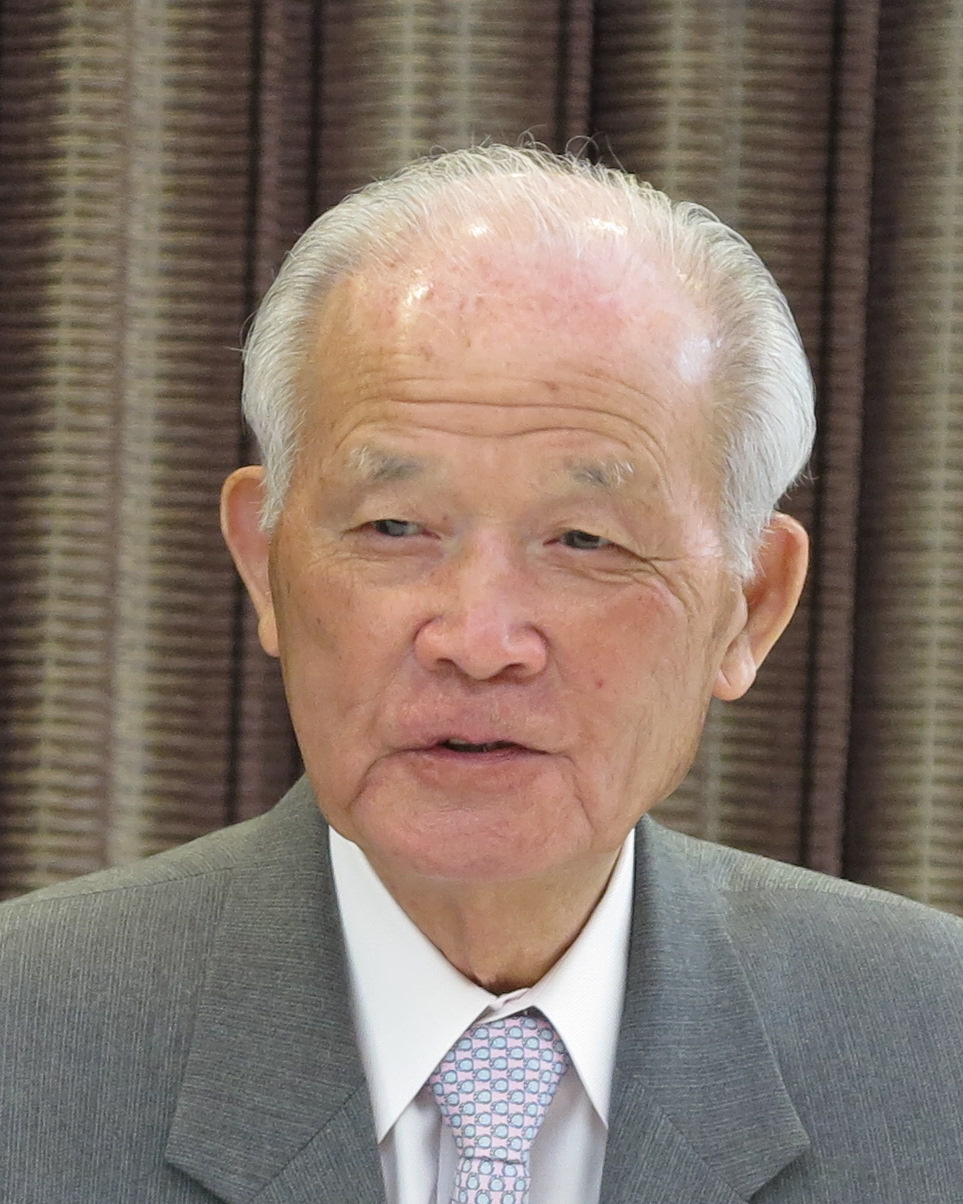 Saburo Tsukamoto
 Kazuhiko Inoue
 Norihide Miyoshi
 Yasuo Naito
 Katsuya Tsukamoto
 Akinaka Senzaki