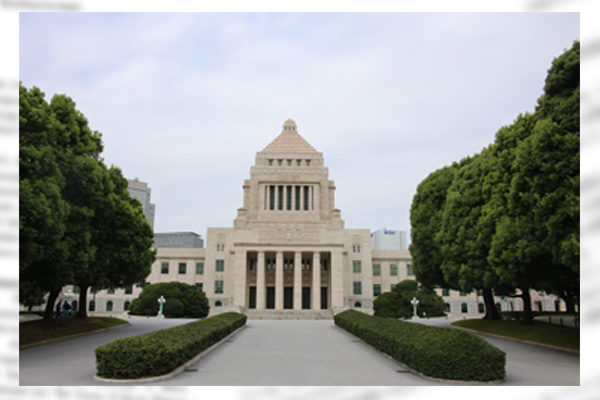
Japanese Prime Minister Sanae Takaichi will dissolve the House of Representatives at the outset of the annual National Diet session on January 23. Both ruling and opposition camp lawmakers may ask, “Why now?” Given the current international situation surrounding Japan, however, it is understandable that Takaichi, who heads the ruling Liberal Democratic Party, wants to establish a stable political base. It is such an important time for Japan’s future course.
Although the LDP and its new coalition partner, Japan Innovation Party, barely maintain a majority of the 465-seats in the lower house, they have a risk to lose the majority if even one member of the ruling camp is absent. Moreover, the ruling parties remain a minority in the House of Councillors, the other chamber of the Diet. In the meantime, international tensions are growing in the midst of the Ukraine war, anti-government demonstrations in Iran, U.S.-Europe confrontation over Greenland, and China’s military coercion on Taiwan.
Significance of the coalition
Within the ruling camp, LDP Executive Acting Secretary-General Koichi Hagiuda, who had been cautious about the early lower house dissolution, has expressed his understanding about Takaichi’s decision, saying, “It is important for national security to develop a domestic environment that strengthens the country’s messaging capability in the international community.” Seeking voters’ verdict on coalition policies agreed between the LDP and JIP last autumn, and appealing for strong public support to ensure stable and steady governance in dealing with foreign and security policy, economic policy, social security, and other pressing issues, would constitute a legitimate reason for dissolving the lower house.
As a by-product, the Constitutional Democratic Party of Japan, the largest opposition party, and the Komeito party, the LDP’s former coalition partner, decided to create a new party named the Centrist Reform Alliance. In the course of that process, the CDP acknowledged that the controversial national security legislation is constitutional. The party had previously argued for the abolition of what it called “unconstitutional parts” of the legislation. It is a positive development that the largest opposition party reversed its unrealistic stance on national security policy.
Politics and religion
However, the CDP has been a party that has pursued the issue of “politics and religion” in connection with the former Unification Church. It is therefore jarring to see that same party forming a new party together with the Komeito, whose support base is the religious organization Soka Gakkai. At the House of Councillors Budget Committee in October 2022, a CDP lawmaker grilled a cabinet minister with a question of whether the cabinet minister was a follower of the Unification Church. What kind of political party is the CDP going to create jointly with the Komeito that places more importance on “freedom of religion” than anything else? It is hard to dispel the impression that they are merely engaging in pre‑election number‑crunching.
Taking all these points into account, which is more suitable to steer Japan, Takaichi or the pairing of CDP leader Yoshihiko Noda and Komeito leader Tetsuo Saito? While the answer seems clear, one can still hope for a vigorous policy debate.
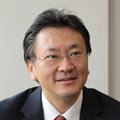
Takashi Arimoto is a Planning Committee member at the Japan Institute for National Fundamentals and a columnist at the Sankei Shimbun newspaper.
 Tsutomu Nishioka
 Tadae Takubo
 Fumio Ota
 Yoshiko Sakurai
 Yasushi Tomiyama
 Masahiko Hosokawa
 Yoichi Shimada
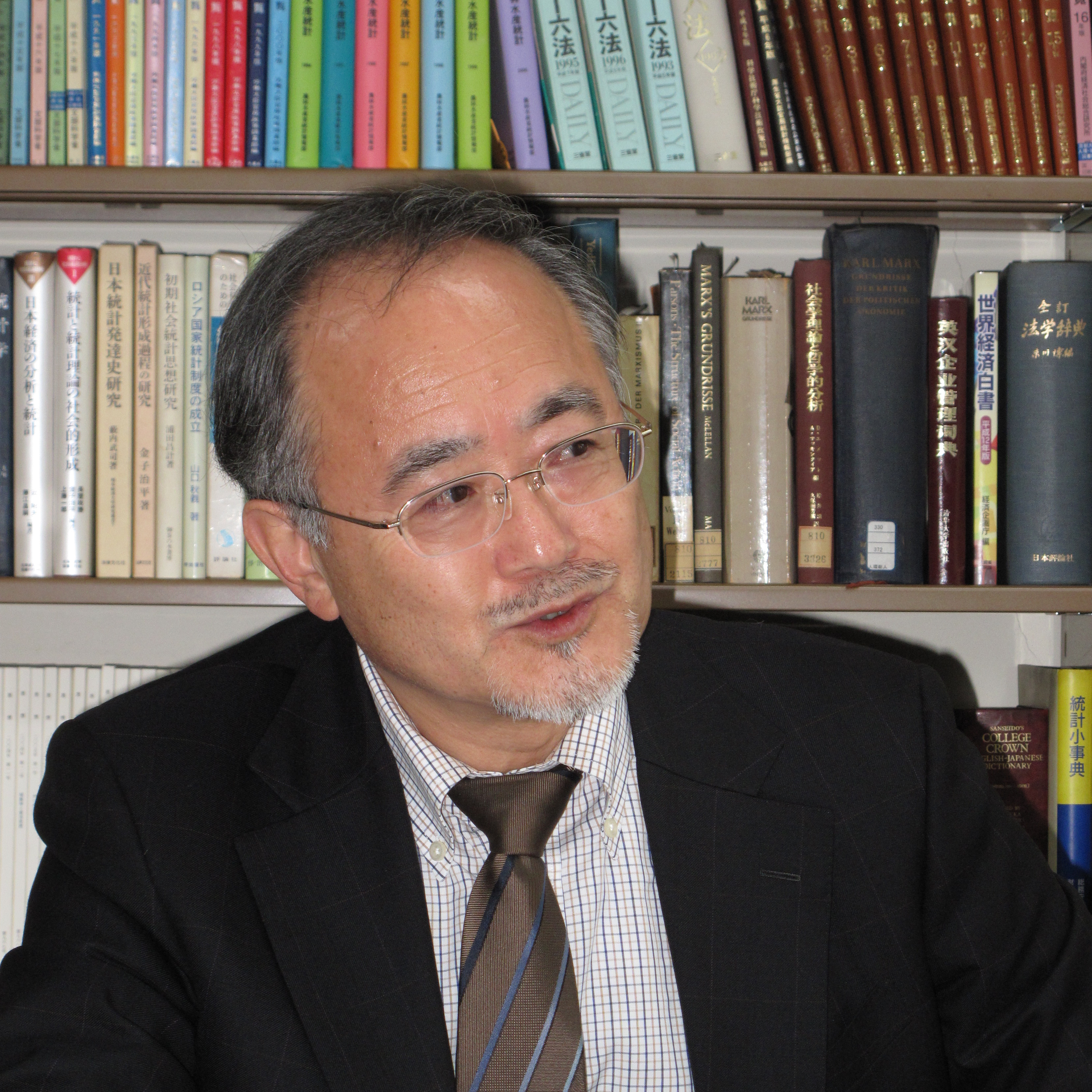 Hiroshi Yuasa
 Tadashi Narabayashi
 Hideo Tamura
 Kiyofumi Iwata
 Kunio Orita
 Maki Nakagawa
 Etsuro Honda
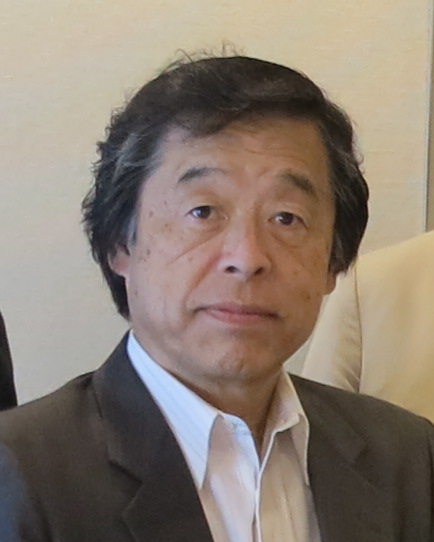 Yujiro Oiwa
 Shiro Takahashi
 Hironobu Ishikawa
 Katsuhiko Takaike
 Michio Ezaki
 Akira Momochi
 Yoshihiko Yamada
 Akio Yaita
 Seiji Kurosawa
 Brahma Chellaney
 Koichi Endo
 Nobuko Araki
 James Auer
 Yang Haiying
 Hiroshi Kimura
 Sumihiko Kawamura
 Arvind Gupta
 Shohei Umezawa
 Koko Kato
 Takeshi Kudo
 Jason Morgan
 Kenro Nagoshi
 Tadashi Saito
 Osamu Nishi
 Hisashi Matsumoto
 Tsutomu Toichi
 Kichinosuke Ihara
 Nobuyuki Sato
 Yumiko Nishimoto
 Toshu Noguchi
 Satoshi Hirano
 Hideaki Karaki
 Koji Okamoto
 Tadashi Ito
 Eriko Yamatani
 Lee Woo Young
 Rikiwo Shikama
 Sukehiro Hirakawa
 Taro Yayama
 Yasuyuki Takai
 Koh Sekai
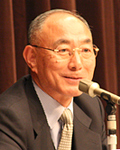 Koichi Furusho
 Sanae Takaichi
 Satoshi Tomisaka
 Yen-Hung Lin
 Ryoichi Hamamoto
 Andrii Gurenko
 Katsutoshi Kawano
 Kazuto Suzuki
 Kevin Maher
 Miki Kase
 Akihisa Nagashima
 Ronald Morse
 Hidetake Sawa
 Yang Yi
 Keiichi Nakagawa
 Seiichi Okutomi
 Haruhisa Nakagawa
 Hong Hyung
 Mio Sugita
 Tomohisa Takei
 Rupakjyoti Borah
 Masamori Sase
 Chung Dae Kyun
 Hirotaka Watanabe
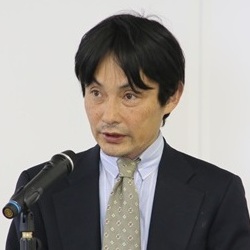 Masanori Kondo
 Koichi Mera
 Syunichi Akasofu
 Satoshi Sakakibara
 Hiroshi Ito
 Toshio Watanabe
 Nobukatsu Fujioka
 Eitaro Ogawa
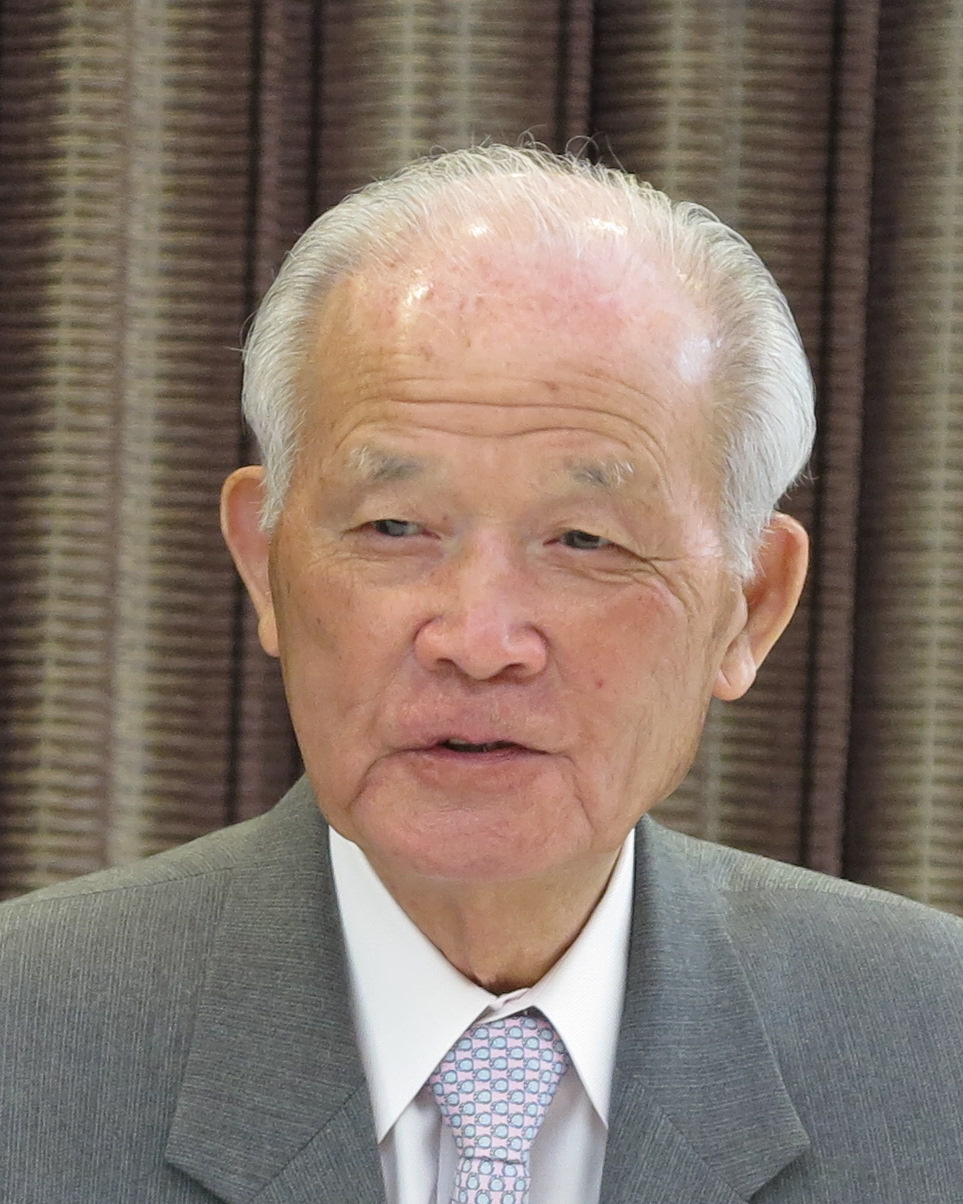 Saburo Tsukamoto
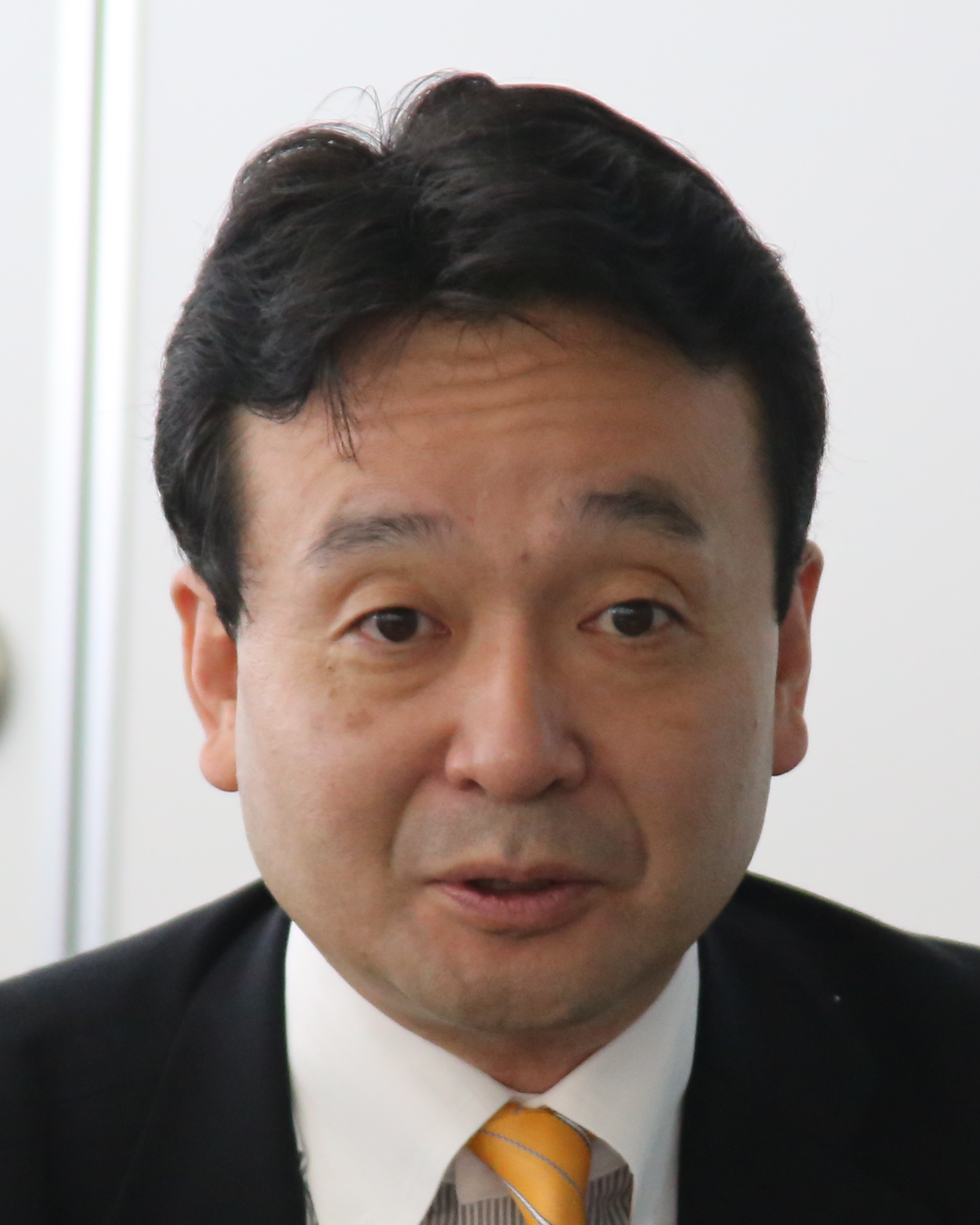 Kazuhiko Inoue
 Norihide Miyoshi
 Yasuo Naito
 Katsuya Tsukamoto
 Akinaka Senzaki