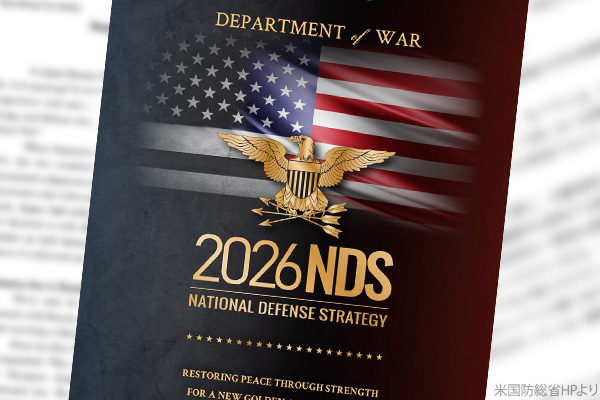
The U.S. Department of Defense issued the National Defense Strategy (NDS) on January 23. The Pentagon’s priorities identified in the NDS are (1) U.S. homeland defense, (2) deterrence of China in the Indo-Pacific, (3) increased burden-sharing with U.S. allies and partners, and (4) a supercharge for the U.S. defense industrial base. The use of military force in the January 3 operation to detain Venezuela’s president likely reflects, above all, a strong determination to defend the U.S. homeland.
Growing expectations on allies
Regarding deterrence of China, the NDS characterizes China as “the most powerful state relative to us since the 19th century,” and sets the U.S.’ goal “to prevent anyone, including China, from being able to dominate us or our allies.” To that end, the NDS says, “we will erect a strong denial defense along the First Island Chain,” which extends from the Japanese archipelago to the Philippines. It vows to “urge and enable key regional allies and partners to do more for our collective defense” along the First Island Chain to establish a “position of military strength” that would lead China to recognize that “any attempt at aggression against U.S. interests will fail.”
In particular, with regard to increasing burden‑sharing by allies and partners, the NDS calls on them to strengthen their defense capabilities to serve their own interests as equal partners of the U.S., rather than relying unilaterally on the U.S. as in past generations. Behind this request lies the acknowledgment that the era of the U.S. maintaining the world order is over, as the National Security Strategy issued in December effectively recognized a relative decline in U.S. power. The NDS seeks U.S. allies and partners’ understanding on this point, stating, “In the Indo-Pacific, where our allies share our desire for a free and open regional order, allies and partners’ contributions will be vital to deterring and balancing.”
Furthermore, regarding the burden‑sharing by U.S. allies and partners, the NDS specifies a numerical target, calling for “3.5% of gross domestic product (GDP) on core military spending and an additional 1.5% on security-related spending, for a total of 5% of GDP.” By setting clear standards and demanding that allies and partners assume primary responsibility for their own defense, the intent to push them away from their traditional dependence on the U.S. is unmistakable.
Japan pressed to break its dependence
Given that the main areas of the First Island Chain are Japanese territory, it is clear that the U.S. expects Japan to assume the core responsibility for the chain’s defense. The U.S. demand goes beyond merely increasing the defense budget; it is a stringent call for a historic shift in Japan’s long‑standing, postwar pattern of passive dependence on the U.S. As China’s military buildup advances at an unusually rapid pace, we need to face the reality that it is now difficult for the U.S. alone to defend the island chain. Japan now stands at the threshold of a new era in which it must move beyond being a passive recipient of peace and instead build and safeguard peace and prosperity on its own.
Kiyofumi Iwata is a member of the Planning Committee at the Japan Institute for National Fundamentals. Formerly, he served as Chief of Staff of the Japan Ground Self-Defense Force.
 Tsutomu Nishioka
 Takashi Arimoto
 Tadae Takubo
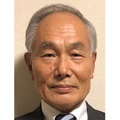 Fumio Ota
 Yoshiko Sakurai
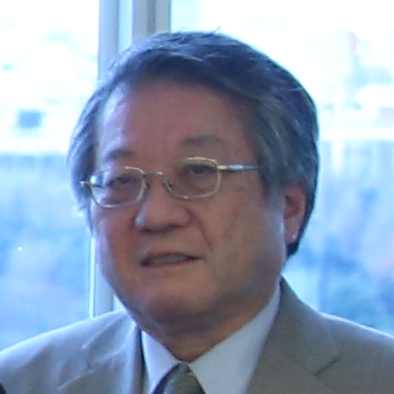 Yasushi Tomiyama
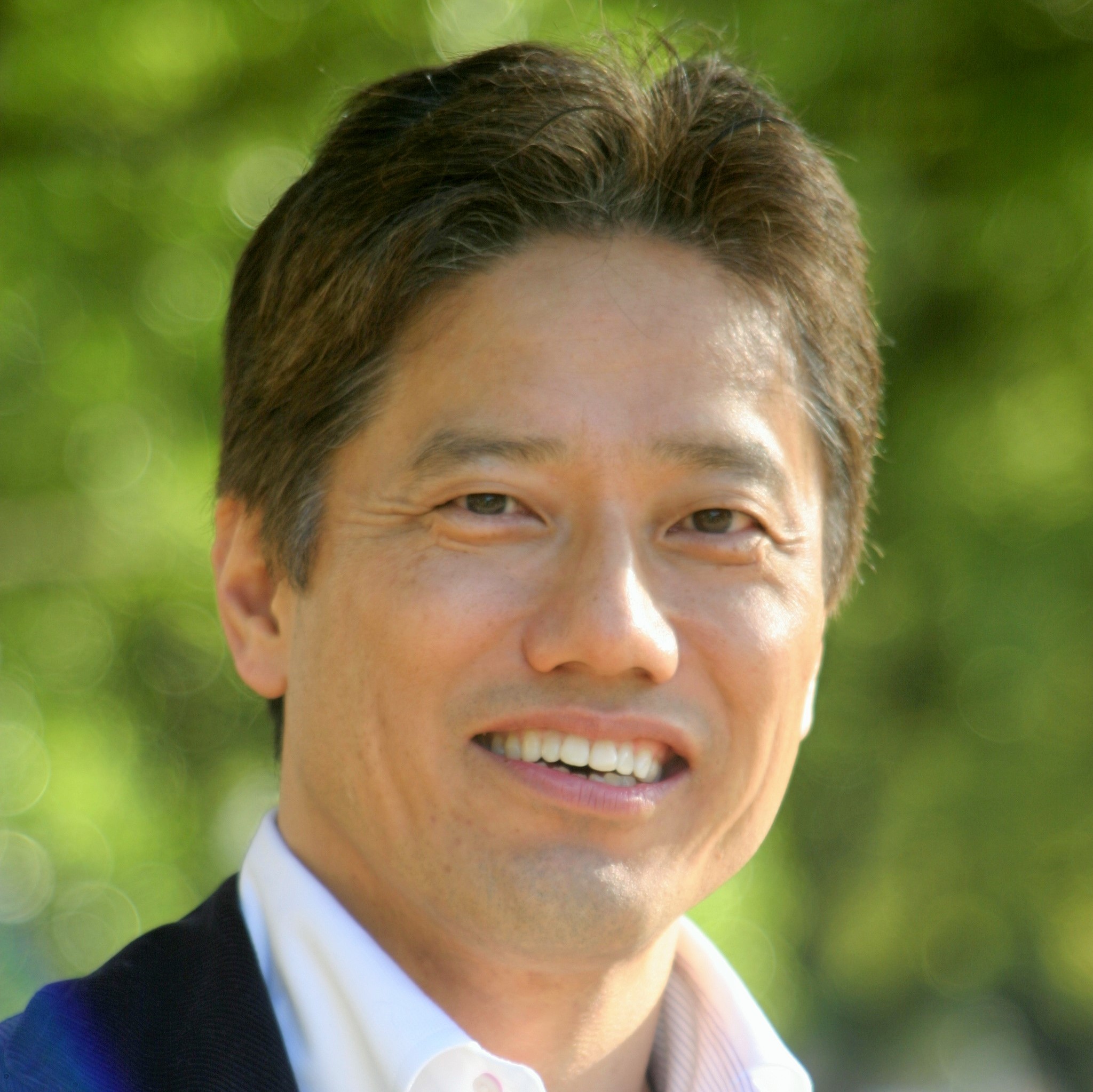 Masahiko Hosokawa
 Yoichi Shimada
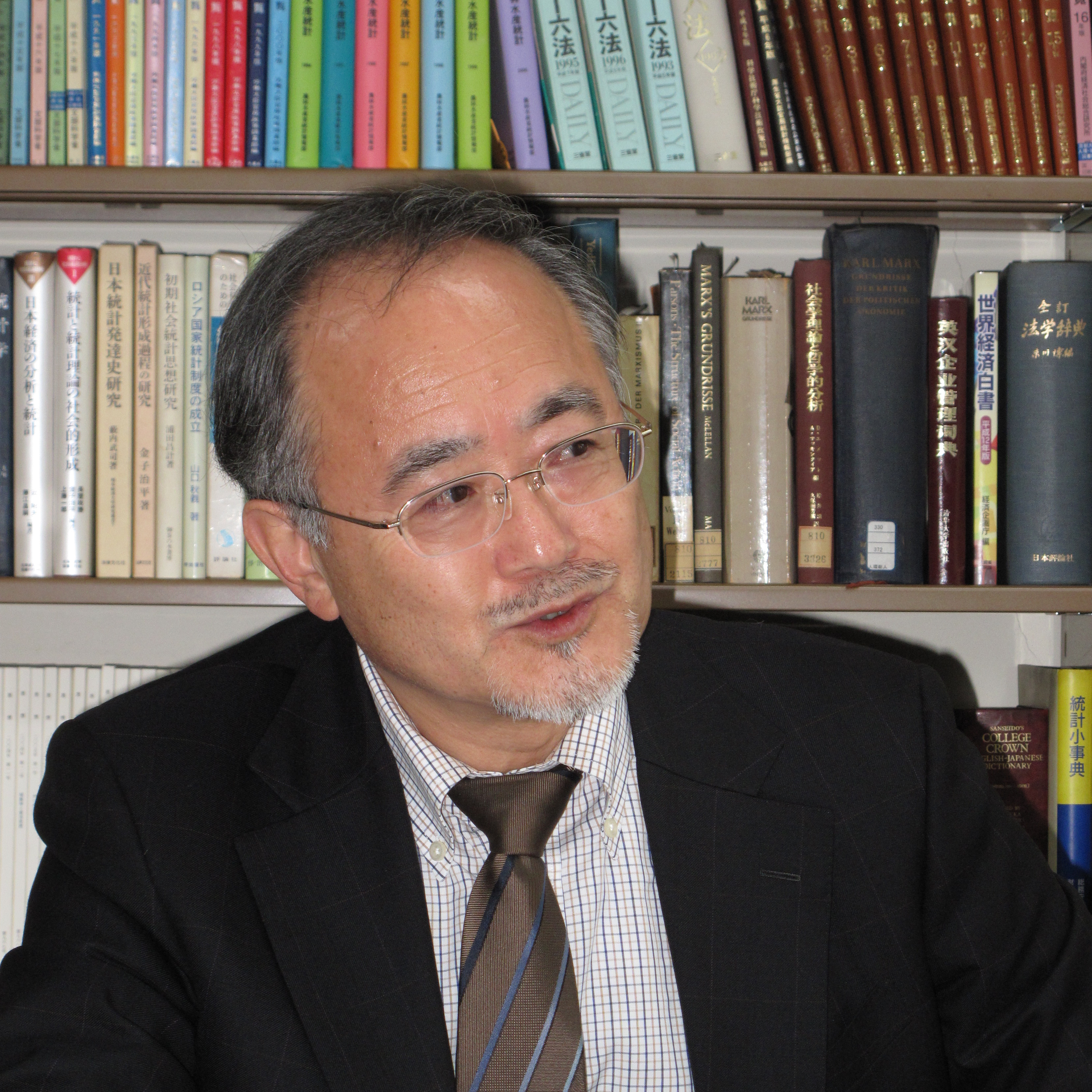 Hiroshi Yuasa
 Tadashi Narabayashi
 Hideo Tamura
 Kunio Orita
 Maki Nakagawa
 Etsuro Honda
 Yujiro Oiwa
 Shiro Takahashi
 Hironobu Ishikawa
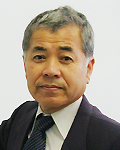 Katsuhiko Takaike
 Michio Ezaki
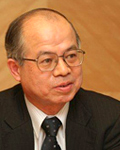 Akira Momochi
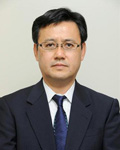 Yoshihiko Yamada
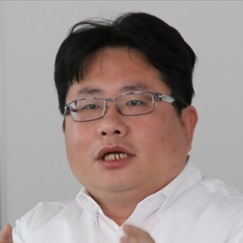 Akio Yaita
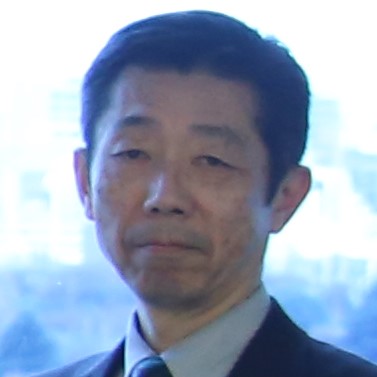 Seiji Kurosawa
 Brahma Chellaney
 Koichi Endo
 Nobuko Araki
 James Auer
 Yang Haiying
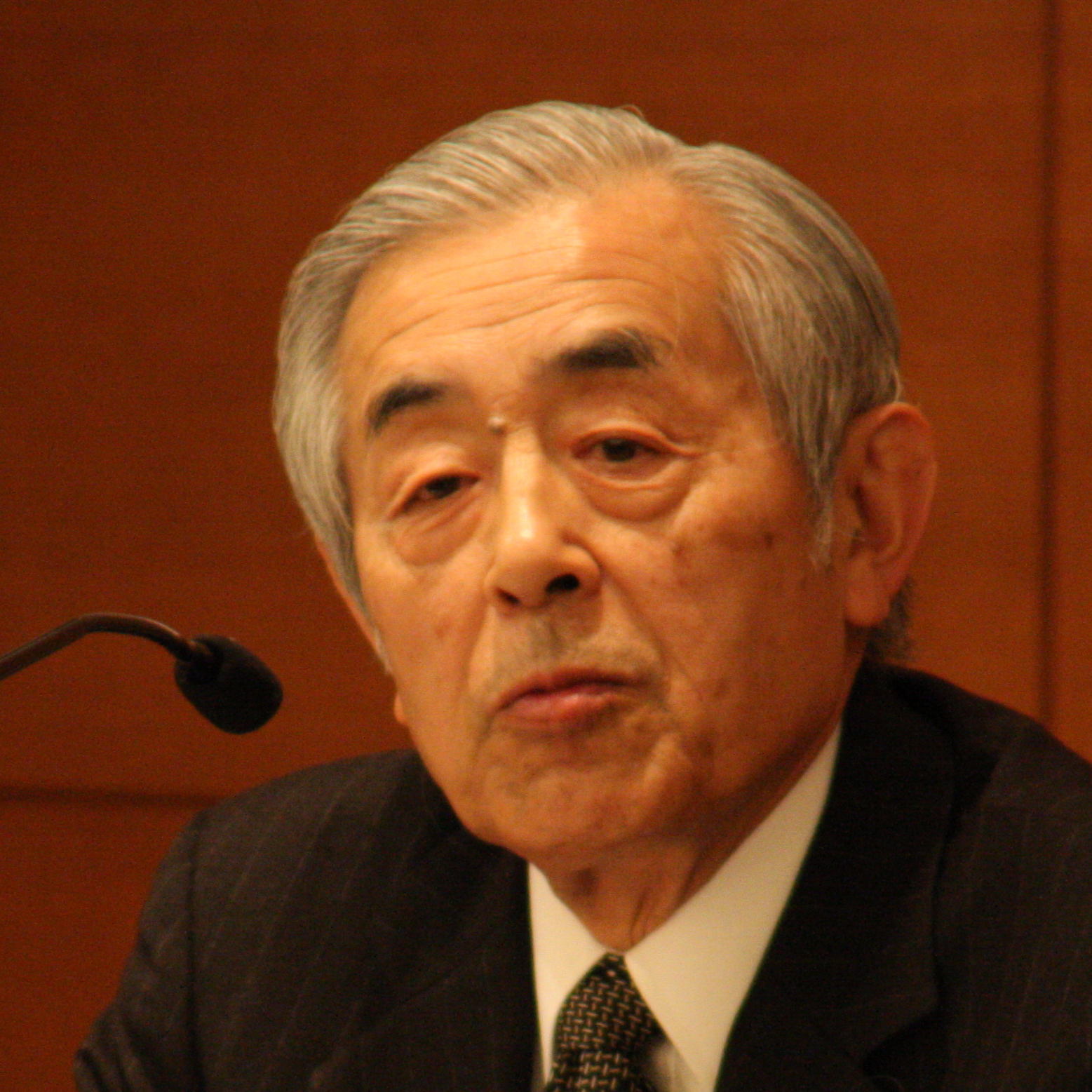 Hiroshi Kimura
 Sumihiko Kawamura
 Arvind Gupta
 Shohei Umezawa
 Koko Kato
 Takeshi Kudo
 Jason Morgan
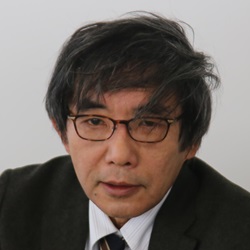 Kenro Nagoshi
 Tadashi Saito
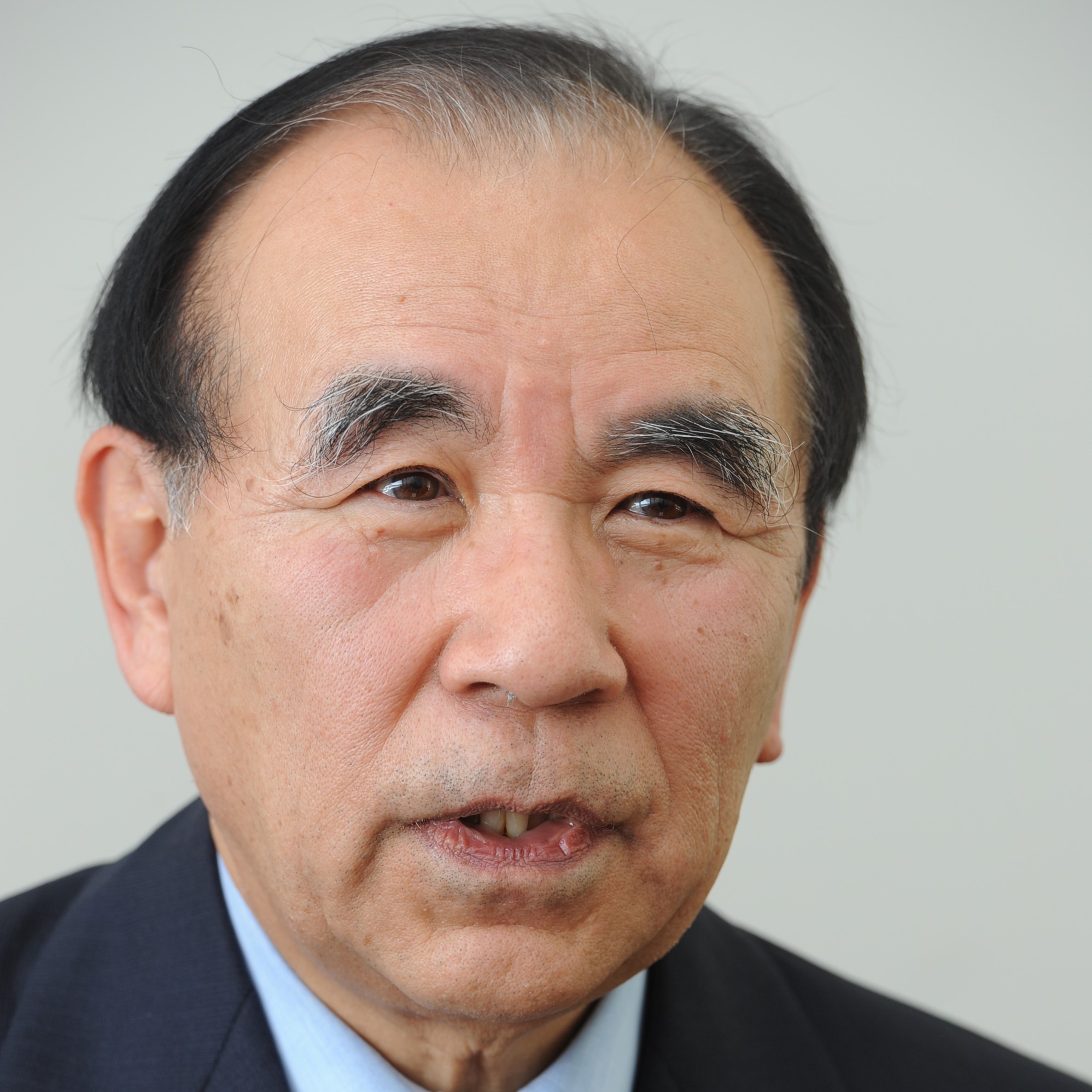 Osamu Nishi
 Hisashi Matsumoto
 Tsutomu Toichi
 Kichinosuke Ihara
 Nobuyuki Sato
 Yumiko Nishimoto
 Toshu Noguchi
 Satoshi Hirano
 Hideaki Karaki
 Koji Okamoto
 Tadashi Ito
 Eriko Yamatani
 Lee Woo Young
 Rikiwo Shikama
 Sukehiro Hirakawa
 Taro Yayama
 Yasuyuki Takai
 Koh Sekai
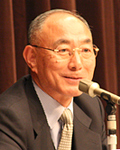 Koichi Furusho
 Sanae Takaichi
 Satoshi Tomisaka
 Yen-Hung Lin
 Ryoichi Hamamoto
 Andrii Gurenko
 Katsutoshi Kawano
 Kazuto Suzuki
 Kevin Maher
 Miki Kase
 Akihisa Nagashima
 Ronald Morse
 Hidetake Sawa
 Yang Yi
 Keiichi Nakagawa
 Seiichi Okutomi
 Haruhisa Nakagawa
 Hong Hyung
 Mio Sugita
 Tomohisa Takei
 Rupakjyoti Borah
 Masamori Sase
 Chung Dae Kyun
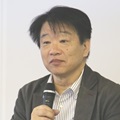 Hirotaka Watanabe
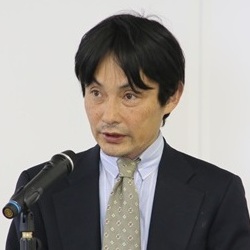 Masanori Kondo
 Koichi Mera
 Syunichi Akasofu
 Satoshi Sakakibara
 Hiroshi Ito
 Toshio Watanabe
 Nobukatsu Fujioka
 Eitaro Ogawa
 Saburo Tsukamoto
 Kazuhiko Inoue
 Norihide Miyoshi
 Yasuo Naito
 Katsuya Tsukamoto
 Akinaka Senzaki