July 18, 2026, marked a historic day as the House of Councillors passed the revised Imperial House Law in its plenary session, enacting it into law.
Article 1 of the Imperial House Law established under the current constitution after World War II provides that “the Imperial Throne shall be succeeded to by a male offspring in the male line belonging to the Imperial Lineage,” carrying over the provision from the Meiji-era Imperial House Law. Although this imperial tradition, recognized even under the current constitution, faced three crises in recent years, it was firmly upheld through the latest revision.
Repeated moves to accept a female-line emperor
The first crisis came under the Junichiro Koizumi administration. Against the backdrop of a decline in the number of male imperial family members, the Koizumi administration established a private advisory panel and released a final panel report that called for prioritizing the eldest child of the incumbent emperor in the imperial succession regardless of gender, and for granting succession rights to children of female imperial family members married to non-royal men, thereby accepting a female-line emperor. In his policy speech in January 2006, Prime Minister Koizumi clarified his intention to revise the Imperial House Law in line with the report. In the next month, however, when the pregnancy of Princess Kiko, wife of the then-Crown Prince’s younger brother, Prince Akishino, was announced, the Koizumi administration gave up on submitting a bill to this effect.
The second crisis emerged under the Yoshihiko Noda administration. From 2011 to 2012, the administration considered the creation of female-led imperial branches. Any system to recognize female imperial family members’ husbands and children as royals could pave the way for a female-line emperor in the future. Due to strong opposition from the Liberal Democratic Party and other conservatives, however, the creation of female imperial branches failed to be realized.
The third crisis occurred under the second Shinzo Abe administration. In August 2016, following then Emperor Akihito’s video message expressing his thoughts on his duties as the symbol of the state, a special law on the emperor’s abdication was enacted. A supplementary resolution attached to the law called for promptly considering measures including the creation of female-led imperial branches.
In response to this situation, the successive administrations of Prime Ministers Abe, Yoshihide Suga, and Fumio Kishida have implemented measures in a phased manner.
First, upon current Emperor Naruhito’s accession on May 1, 2019, Prince Akishino became Crown Prince, first in line to the throne, in accordance with the Imperial House Law’s principle of male-line male succession, denying a female emperor under the primogeniture principle.
Second, in spring 2021, the Suga administration established a panel of experts to secure stable imperial succession. In December of that year, the panel’s report compiled under the Kishida administration proposed a measure to grant imperial status to male descendants in the male line of the imperial lineage—namely, male members of former imperial branches—through adoption, as well as a system to allow female imperial family members to retain imperial status after marriage.
Upholding the principle of male-line male succession
And now, building on this report, the revised Imperial House Law has passed both houses of the Diet with nearly 90 percent support. The revised law centers on two new systems: allowing male descendants in the male line of the imperial lineage to acquire imperial status through adoption, and enabling female imperial family members to retain their status after marriage—though, under the current Imperial House Law, their spouses and children will not be granted imperial status.
As a result, proposals that could lead to a female-line emperor—through a female’s accession to the imperial throne under the primogeniture principle or the creation of female-led imperial branches—have been rejected. The principle of male-line male succession, which had been maintained even under the Occupation reforms following Japan’s defeat in World War II, was ultimately upheld.
Michio Ezaki is a member of the Planning Committee at the Japan Institute for National Fundamentals and a specially-appointed professor at Reitaku University.
 Tsutomu Nishioka
 Takashi Arimoto
 Tadae Takubo
 Fumio Ota
 Yoshiko Sakurai
 Yasushi Tomiyama
 Masahiko Hosokawa
 Yoichi Shimada
 Hiroshi Yuasa
 Tadashi Narabayashi
 Hideo Tamura
 Kiyofumi Iwata
 Kunio Orita
 Maki Nakagawa
 Etsuro Honda
 Yujiro Oiwa
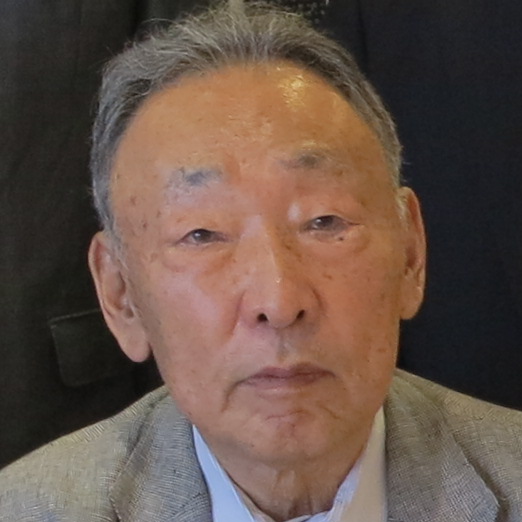 Hironobu Ishikawa
 Shiro Takahashi
 Katsuhiko Takaike
 Akira Momochi
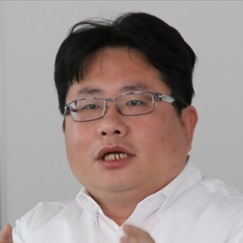 Akio Yaita
 Yoshihiko Yamada
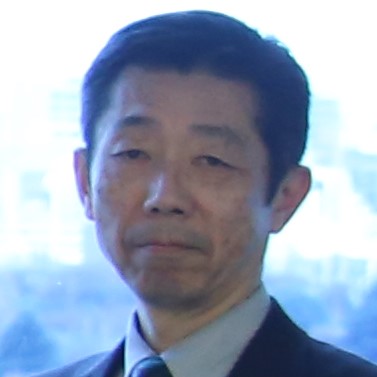 Seiji Kurosawa
 Koichi Endo
 Brahma Chellaney
 Nobuko Araki
 Yang Haiying
 James Auer
 Sumihiko Kawamura
 Hiroshi Kimura
 Osamu Nishi
 Koko Kato
 Tadashi Saito
 Shohei Umezawa
 Jason Morgan
 Arvind Gupta
 Kenro Nagoshi
 Takeshi Kudo
 Sukehiro Hirakawa
 Yumiko Nishimoto
 Rikiwo Shikama
 Eriko Yamatani
 Koichi Furusho
 Tadashi Ito
 Satoshi Hirano
 Lee Woo Young
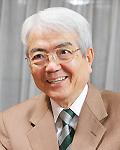 Taro Yayama
 Koh Sekai
 Koji Okamoto
 Tsutomu Toichi
 Hideaki Karaki
 Toshu Noguchi
 Kichinosuke Ihara
 Hisashi Matsumoto
 Yasuyuki Takai
 Nobuyuki Sato
 Chung Dae Kyun
 Toshio Watanabe
 Katsuya Tsukamoto
 Kazuto Suzuki
 Koichi Mera
 Akihisa Nagashima
 Miki Kase
 Eitaro Ogawa
 Hirotaka Watanabe
 Akinaka Senzaki
 Kevin Maher
 Yang Yi
 Hidetake Sawa
 Satoshi Tomisaka
 Nobukatsu Fujioka
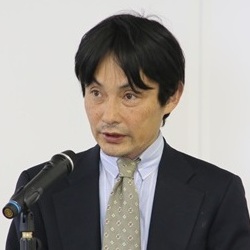 Masanori Kondo
 Hiroshi Ito
 Mio Sugita
 Rupakjyoti Borah
 Seiichi Okutomi
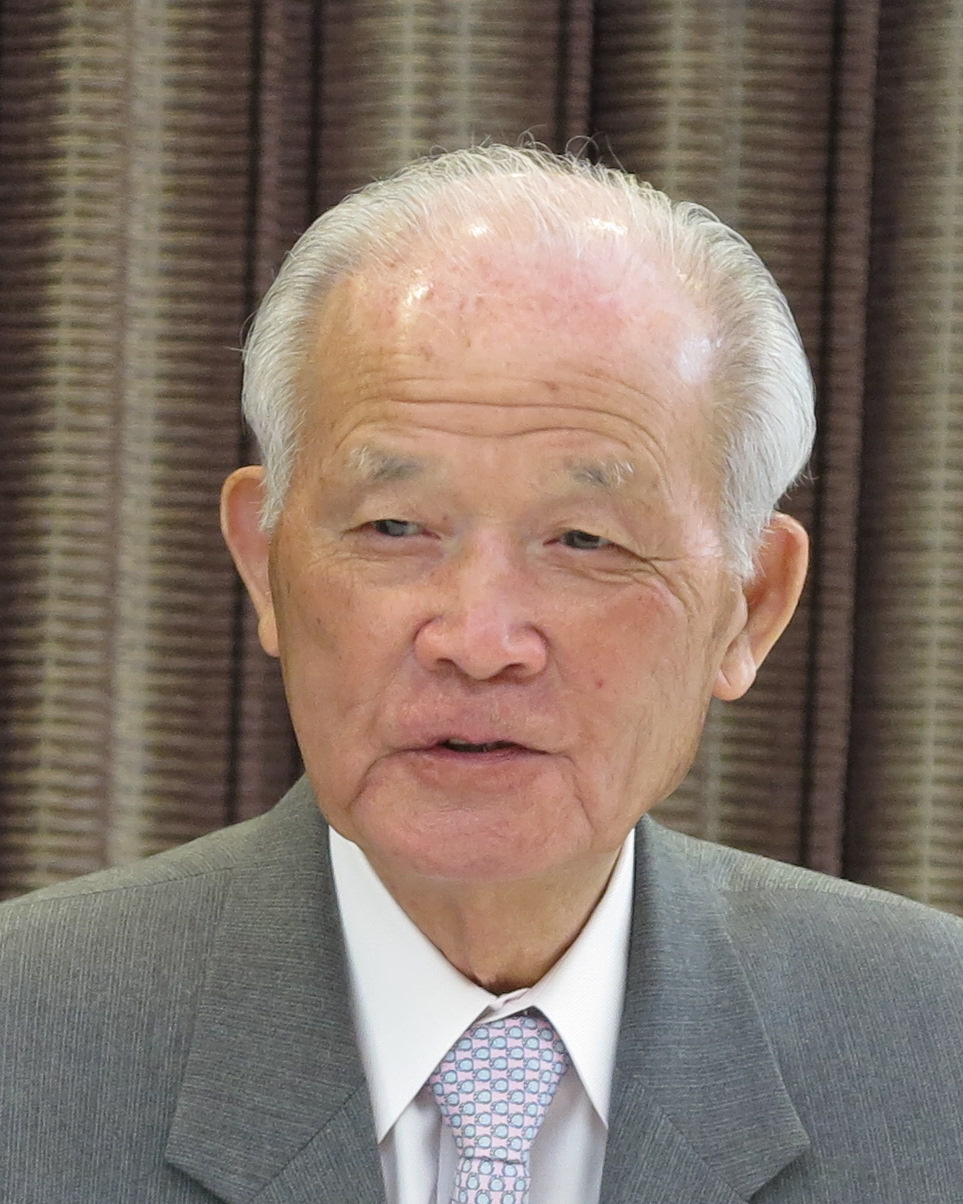 Saburo Tsukamoto
 Yasuo Naito
 Satoshi Sakakibara
 Yen-Hung Lin
 Sanae Takaichi
 Haruhisa Nakagawa
 Norihide Miyoshi
 Syunichi Akasofu
 Ryoichi Hamamoto
 Hong Hyung
 Andrii Gurenko
 Ronald Morse
 Kazuhiko Inoue
 Keiichi Nakagawa
 Masamori Sase
 Katsutoshi Kawano
 Tomohisa Takei