On December 6, J-15 fighter jets launched from the Chinese Navy’s aircraft carrier Liaoning illuminated Japanese Air Self-Defense Force F-15 fighters with radar on two separate occasions, when the F-15s were on a mission to intercept Chinese aircraft approaching Japanese airspace over the high seas southeast of Okinawa Island. On one of the two occasions, the illumination lasted for about 30 minutes, which clearly can be said as an act of intimidation and provocation.
In the case of naval vessels, they are equipped with two radars: a search radar and fire control radar. In contrast, fighter jets operate a single radar that switches between search mode and fire-control mode. A fire-control mode can be used not only to fire weapons but also to obtain data about other aircraft (such as the altitude, speed, and heading) for a few seconds. However, continuing to use radar for about 30 minutes is, so to speak, akin to pointing a gun at someone’s temple with a finger on the trigger—an extremely dangerous situation. It can be said as a combat act, to which a normal air force may respond with a counterattack in self-defense.
China’s misguided assertion
Although a spokesman for the Chinese Ministry of Foreign Affairs protested that Japanese aircraft had entered a Chinese training area to interfere with training, the protest was misguided in the absence of any advance notification of the training area via a NOTAM (Notice to Airmen), an international system used to provide air traffic safety information to relevant parties. A Japanese Maritime Self-Defense Force ship received a Chinese notice on the start of training, but it was only about the start of training. As far as the training area is left unknown, there is no way to respond.
The incident occurred in Japan’s air defense identification zone, or ADIZ. Even within the ADIZ, freedom of flight over the high seas is guaranteed by international law, and military training can be conducted without restriction. However, the Chinese should be well aware that when China conducts military training close to Japan’s territorial airspace, Japan will scramble fighter jets and put then on alert. That is why it is an international practice to prevent unforeseen situations by notifying training areas and periods of time in advance via the NOTAM. The latest incident shows that China does not know or has no intension to abide by the international practice.
Japan should set up ADIZ over the Ogasawara Islands
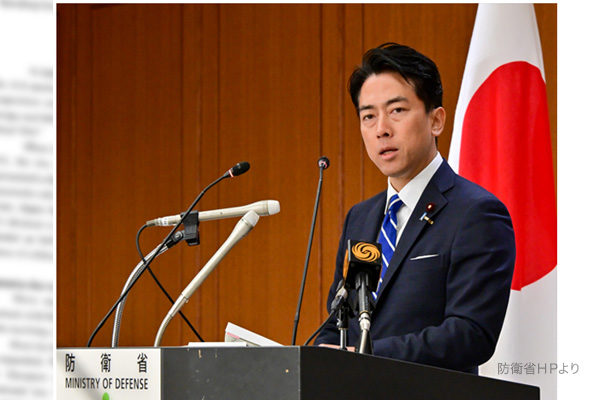
Quickly protesting such arguably unlawful actions by the Chinese military and swiftly disclosing them to the international community will help prevent their recurrence. This time, the Ministry of Defense announced the incident at a press conference by the defense minister just six hours after it occurred, indicating a significant improvement from the 2013 Chinese military ship radar illumination incident that took six days to be announced.
In the future, the Chinese Navy will routinize its operations beyond the first island chain (extending from Japan’s Nansei Islands to the Philippines via Taiwan). Japan’s air defense network remains unchanged from the Cold War system, with the former Soviet Union as the main threat, leaving its Pacific side vulnerable. Japan should urgently develop Iwo Jima Island as an operational base and set up its ADIZ over the Ogasawara, or Bonin, Islands, including Iwo Jima, to enhance the Pacific side of its air defense network.
Kunio Orita is a member of the JINF Planning Committee and a special professor at Reitaku University. He is a retired Lieutenant General of the Japanese Air Self-Defense Force.
 Tsutomu Nishioka
 Takashi Arimoto
 Tadae Takubo
 Fumio Ota
 Yoshiko Sakurai
 Yasushi Tomiyama
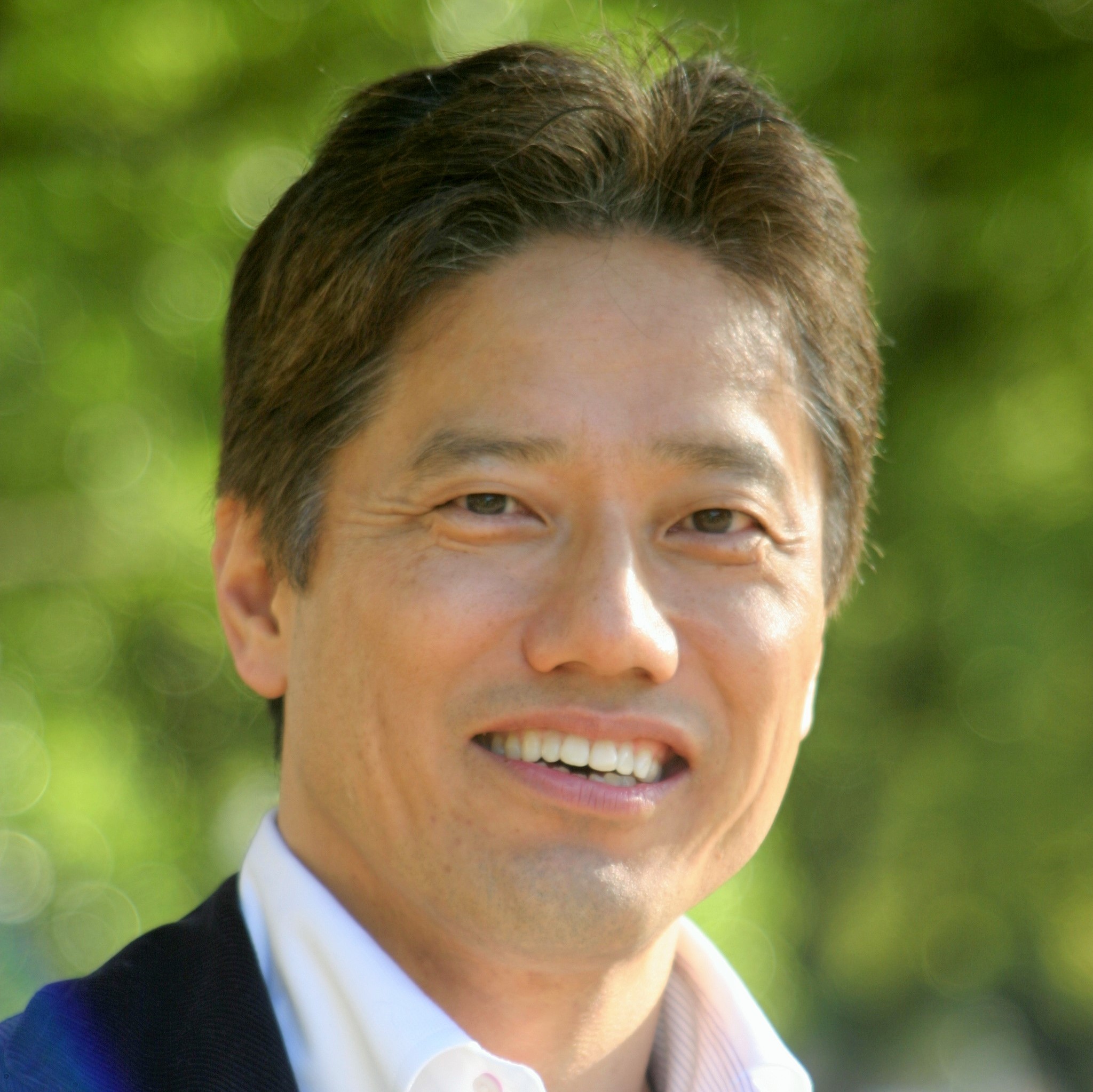 Masahiko Hosokawa
 Yoichi Shimada
 Hiroshi Yuasa
 Tadashi Narabayashi
 Hideo Tamura
 Kiyofumi Iwata
 Maki Nakagawa
 Etsuro Honda
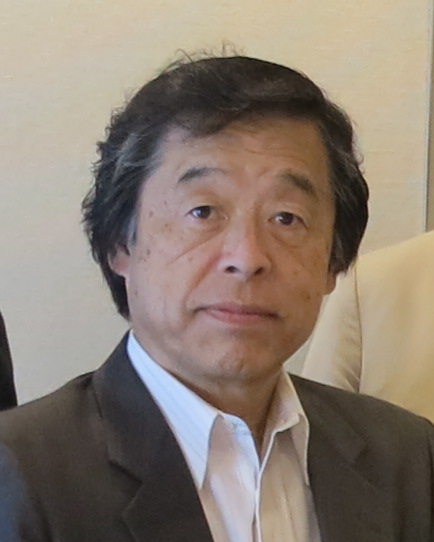 Yujiro Oiwa
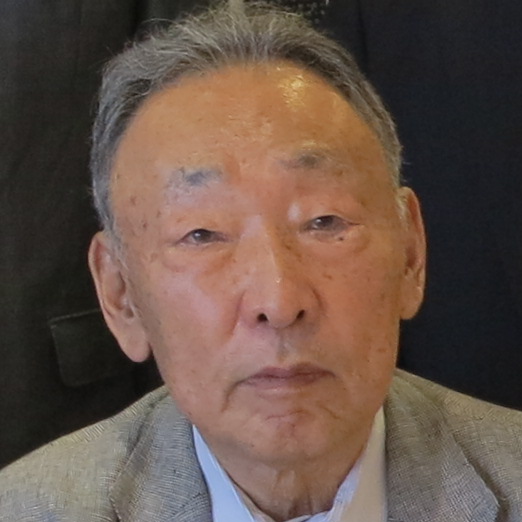 Hironobu Ishikawa
 Shiro Takahashi
 Katsuhiko Takaike
 Michio Ezaki
 Akira Momochi
 Akio Yaita
 Yoshihiko Yamada
 Seiji Kurosawa
 Koichi Endo
 Brahma Chellaney
 Nobuko Araki
 Yang Haiying
 James Auer
 Sumihiko Kawamura
 Hiroshi Kimura
 Osamu Nishi
 Koko Kato
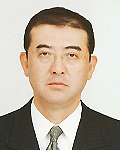 Tadashi Saito
 Shohei Umezawa
 Jason Morgan
 Arvind Gupta
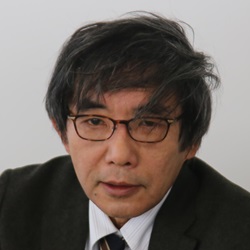 Kenro Nagoshi
 Takeshi Kudo
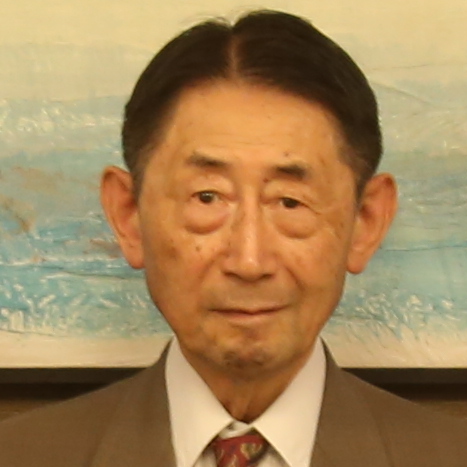 Sukehiro Hirakawa
 Yumiko Nishimoto
 Rikiwo Shikama
 Eriko Yamatani
 Koichi Furusho
 Tadashi Ito
 Satoshi Hirano
 Lee Woo Young
 Taro Yayama
 Koh Sekai
 Koji Okamoto
 Tsutomu Toichi
 Hideaki Karaki
 Toshu Noguchi
 Kichinosuke Ihara
 Hisashi Matsumoto
 Yasuyuki Takai
 Nobuyuki Sato
 Chung Dae Kyun
 Toshio Watanabe
 Katsuya Tsukamoto
 Kazuto Suzuki
 Koichi Mera
 Akihisa Nagashima
 Miki Kase
 Eitaro Ogawa
 Hirotaka Watanabe
 Akinaka Senzaki
 Kevin Maher
 Yang Yi
 Hidetake Sawa
 Satoshi Tomisaka
 Nobukatsu Fujioka
 Masanori Kondo
 Hiroshi Ito
 Mio Sugita
 Rupakjyoti Borah
 Seiichi Okutomi
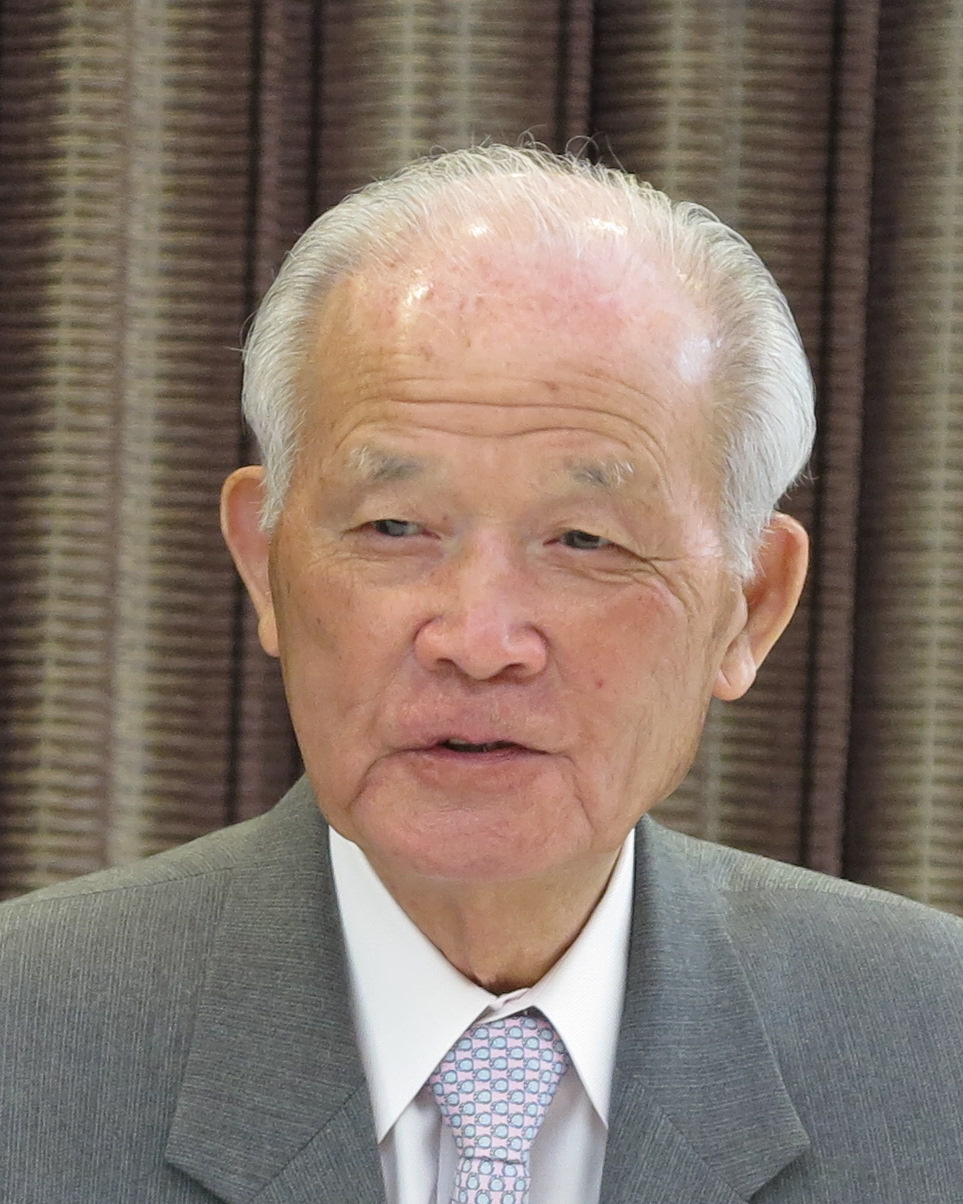 Saburo Tsukamoto
 Yasuo Naito
 Satoshi Sakakibara
 Yen-Hung Lin
 Sanae Takaichi
 Haruhisa Nakagawa
 Norihide Miyoshi
 Syunichi Akasofu
 Ryoichi Hamamoto
 Hong Hyung
 Andrii Gurenko
 Ronald Morse
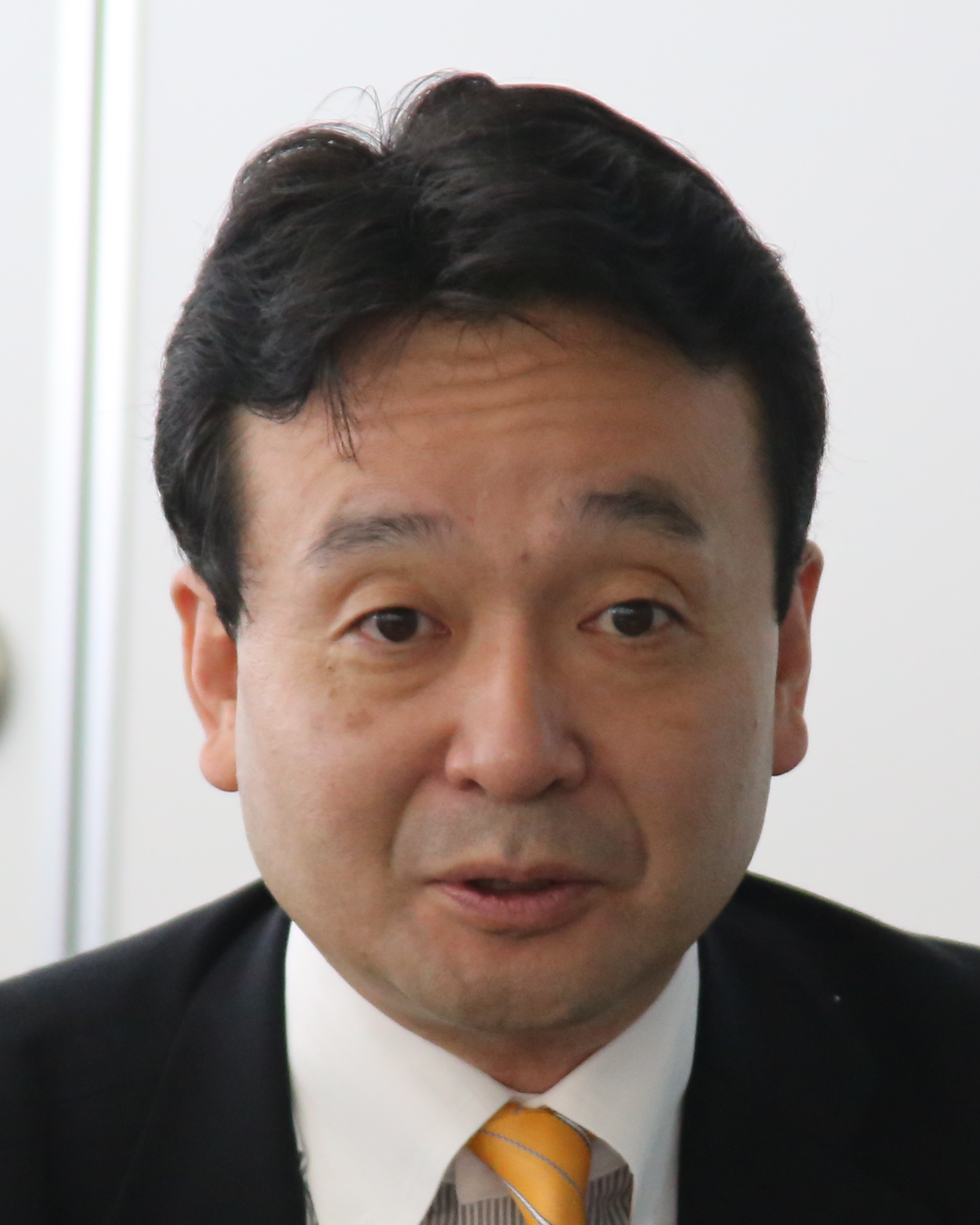 Kazuhiko Inoue
 Keiichi Nakagawa
 Masamori Sase
 Katsutoshi Kawano
 Tomohisa Takei