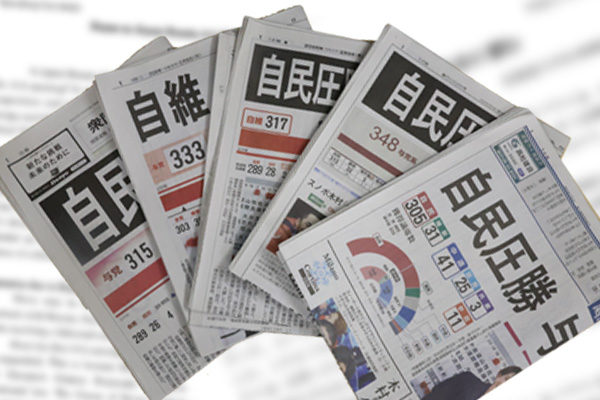
In the House of Representatives election on February 8, the ruling Liberal Democratic Party led by Prime Minister Sanae Takaichi achieved a historic victory by winning a record number of seats. Now that she has gained a mandate from the people, she is expected to move forward to solve pending issues.
“A mandate from the people is required for me to resolutely take up bold policies and reforms that could split public opinion,” Takaichi said during the election campaign, explaining why she decided to call the lower house election in only three months after taking office as prime minister. As examples of such policies and reforms, she cited “responsible and active fiscal policies,” as well as the fundamental strengthening of national security policy and the enhancement of government intelligence functions.
The goal is to enshrine SDF in the constitution
The late former Prime Minister Shinzo Abe, Takaichi’s political mentor, worked on the most important challenges one by one during his second administration rather than trying to tackle them all at once. He adopted this approach after reflecting on his failure when he tried to break through all the challenges simultaneously during his short-lived first administration. However, Takaichi has no such luxury of time as she faces what is often described as the most severe international environment of the postwar era, marked by China's military coercion, the Ukraine war, and pressure from Japan’s ally, the United States, to increase defense spending and expand its role.
In addition to economic measures such as price hike countermeasures and crisis management investment, the Takaichi government is required to tackle simultaneously the revision of three strategic documents, including the National Security Strategy, the creation of a national intelligence bureau to oversee intelligence across ministries and agencies, the enactment of an anti-espionage law, and other challenges.
In her final campaign speech in Futako-Tamagawa, Setagaya, Tokyo, on the evening of February 7, Takaichi said: “I would like to conclude my speech by thanking the people of Setagaya Ward, where the Ground Self-Defense Force has two stations. I express my sincere gratitude for your understanding of SDF activities.” It was unusual to mention the SDF at the end of an election campaign.
Another intention behind the prime minister’s decision to call the general election can be seen there: achieving constitutional amendment to enshrine the SDF. In her campaign speech in Joetsu, Niigata Prefecture, on February 2, Takaichi also stressed, “I want to carry out constitutional amendment in order to protect the pride of the SDF and firmly position them as an organization of force.” Constitutional amendment is what would lead to strengthening deterrence against China.
Opportunity to promote debate
The chairs of the lower and upper house Commissions on the Constitution have so far been occupied by the opposition camp. In order to promote debate on constitutional amendment, the ruling camp has been required to increase its number of seats in each Diet chamber to restore the chairs of the commissions.
In the latest election, the Liberal Democratic Party alone won more than two-thirds (310 seats) of the 465 lower house seats. The two-thirds majority in each of the two Diet chambers is required to initiate a constitutional amendment. In order to pave the way for pro-amendment forces to win the two-thirds majority in the upper house in its next election coming in two years and initiate a constitutional amendment, debate on constitutional amendment should move forward. Takaichi is expected to take the lead in this effort.
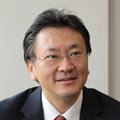
Takashi Arimoto is a Planning Committee member at the Japan Institute for National Fundamentals and a columnist at the Sankei Shimbun newspaper.
 Tsutomu Nishioka
 Tadae Takubo
 Fumio Ota
 Yoshiko Sakurai
 Yasushi Tomiyama
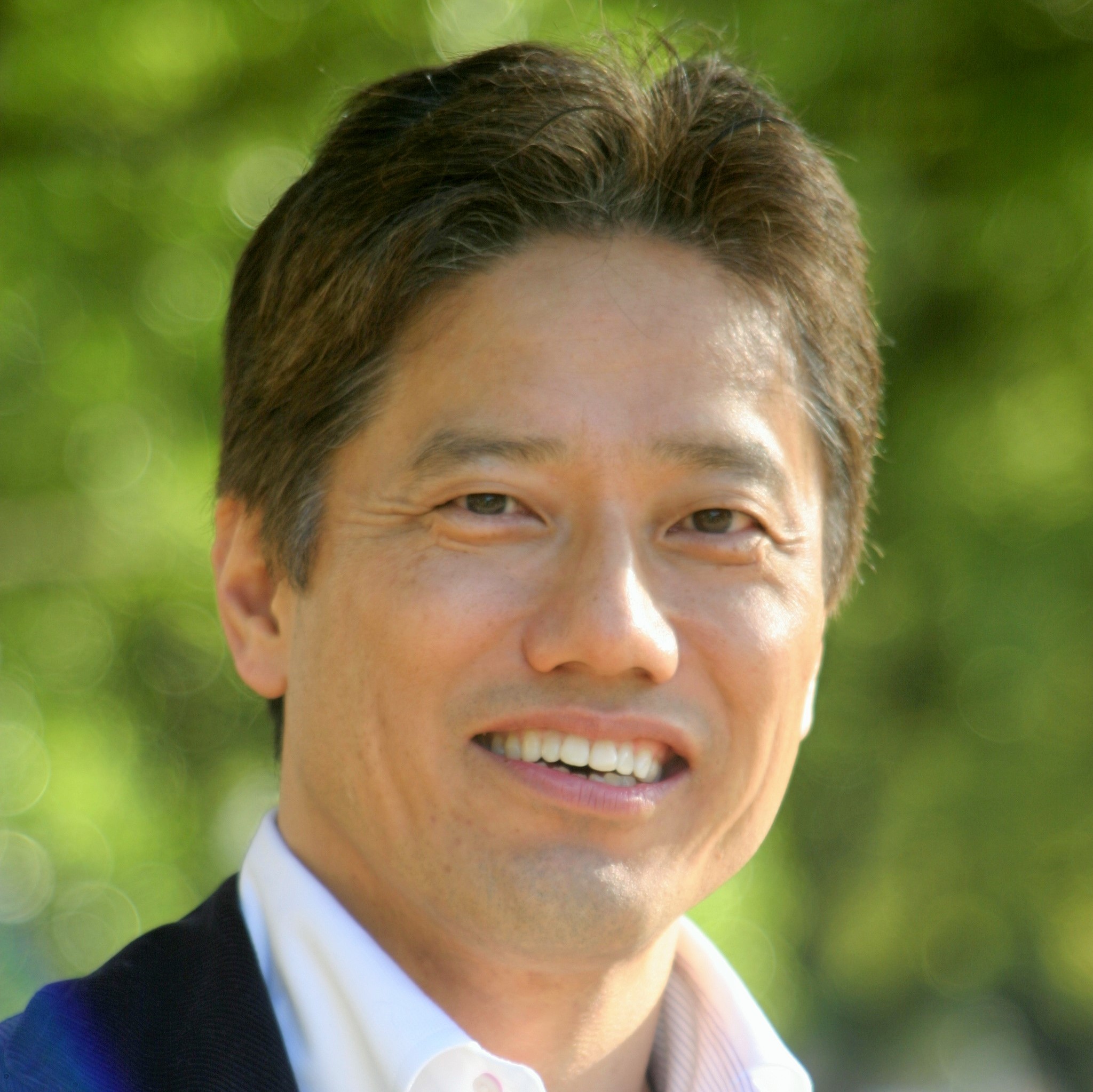 Masahiko Hosokawa
 Yoichi Shimada
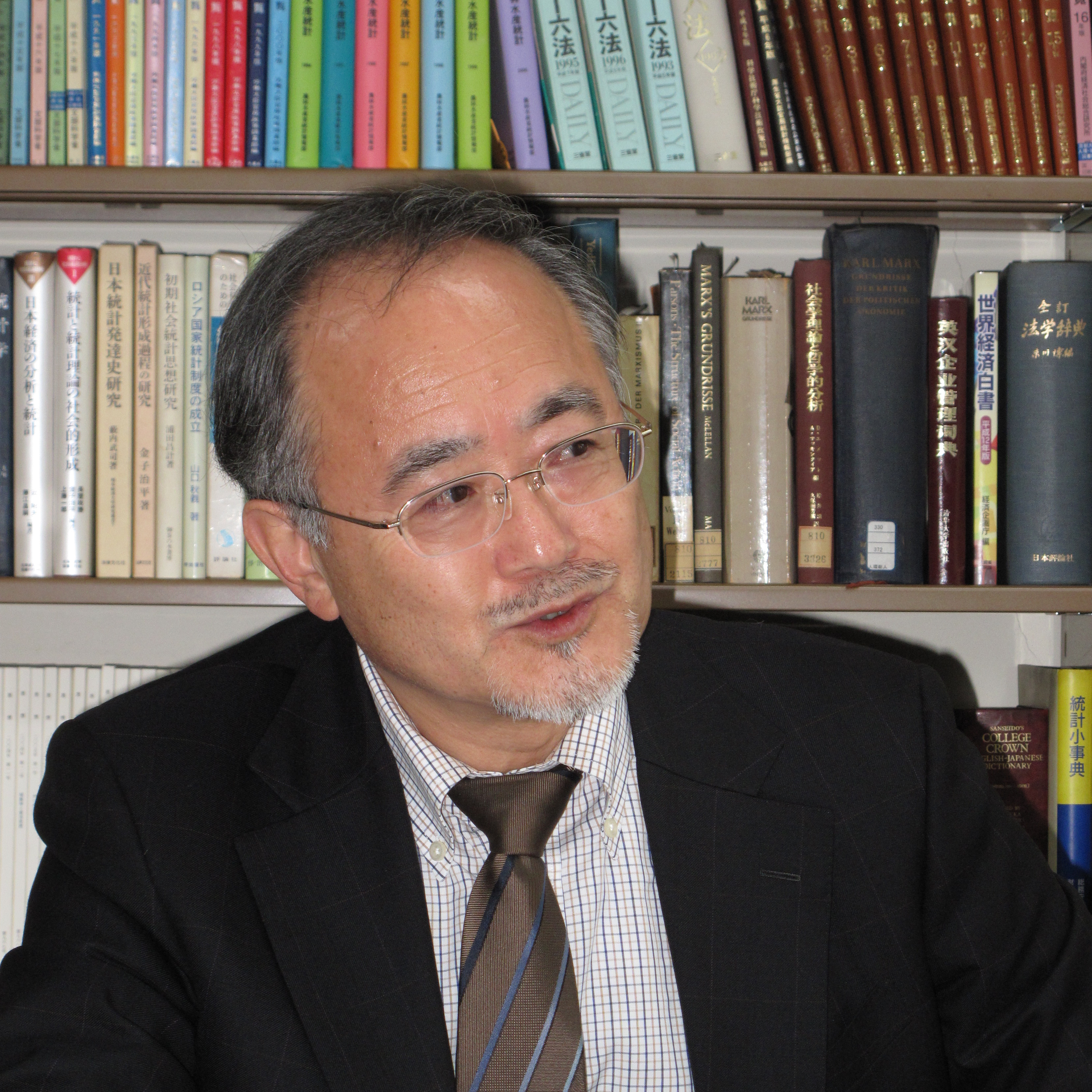 Hiroshi Yuasa
 Tadashi Narabayashi
 Hideo Tamura
 Kiyofumi Iwata
 Kunio Orita
 Maki Nakagawa
 Etsuro Honda
 Yujiro Oiwa
 Hironobu Ishikawa
 Shiro Takahashi
 Katsuhiko Takaike
 Michio Ezaki
 Akira Momochi
 Akio Yaita
 Yoshihiko Yamada
 Seiji Kurosawa
 Koichi Endo
 Brahma Chellaney
 Nobuko Araki
 Yang Haiying
 James Auer
 Sumihiko Kawamura
 Hiroshi Kimura
 Osamu Nishi
 Koko Kato
 Tadashi Saito
 Shohei Umezawa
 Jason Morgan
 Arvind Gupta
 Kenro Nagoshi
 Takeshi Kudo
 Sukehiro Hirakawa
 Yumiko Nishimoto
 Rikiwo Shikama
 Eriko Yamatani
 Koichi Furusho
 Tadashi Ito
 Satoshi Hirano
 Lee Woo Young
 Taro Yayama
 Koh Sekai
 Koji Okamoto
 Tsutomu Toichi
 Hideaki Karaki
 Toshu Noguchi
 Kichinosuke Ihara
 Hisashi Matsumoto
 Yasuyuki Takai
 Nobuyuki Sato
 Chung Dae Kyun
 Toshio Watanabe
 Katsuya Tsukamoto
 Kazuto Suzuki
 Koichi Mera
 Akihisa Nagashima
 Miki Kase
 Eitaro Ogawa
 Hirotaka Watanabe
 Akinaka Senzaki
 Kevin Maher
 Yang Yi
 Hidetake Sawa
 Satoshi Tomisaka
 Nobukatsu Fujioka
 Masanori Kondo
 Hiroshi Ito
 Mio Sugita
 Rupakjyoti Borah
 Seiichi Okutomi
 Saburo Tsukamoto
 Yasuo Naito
 Satoshi Sakakibara
 Yen-Hung Lin
 Sanae Takaichi
 Haruhisa Nakagawa
 Norihide Miyoshi
 Syunichi Akasofu
 Ryoichi Hamamoto
 Hong Hyung
 Andrii Gurenko
 Ronald Morse
 Kazuhiko Inoue
 Keiichi Nakagawa
 Masamori Sase
 Katsutoshi Kawano
 Tomohisa Takei