Prime Minister Sanae Takaichi led the ruling Liberal Democratic Party to an explosive victory in the House of Representatives general election on February 8. However, there is still a wall she must overcome to go ahead with her “responsible and active fiscal policies.” That is the old media that adheres to fiscal austerity. Established media outlets, including economic newspapers, have made a fuss that the Takaichi government would bring about fiscal deterioration. When Takaichi pledged zero consumption tax on food during the campaign, the old media grew even more critical of her. Foreign media followed suit, contributing to accelerating the selling of Japanese government bonds and the decline of the yen.
No problem with the consumption tax cut
The media has been dissenting from the consumption tax cut from all sides, criticizing the tax cut for reducing financial resources for social security, for failing to lower prices due to increased demand, and for imposing an extra burden on retailers to renovate their cash registers in connection with the introduction of a zero tax rate on food.
Is the consumption tax cut really such a bad idea? Consumer prices at the end of 2025 soared by 13% from the end of 2021 before price hikes, with food prices shooting up by 28%, led by a 2.4-fold increase in rice prices. The average wage hike during the period was only 11%. The impoverishment of young people and those raising children is particularly severe. The media complains that eliminating the consumption tax on food would reduce annual tax revenue by 5 trillion yen. However, annual general account tax revenue has increased by as much as 20 trillion yen from fiscal 2021. Why is it unreasonable to return some part of the tax revenue increase to consumers?
Japan is now a model of fiscal discipline. According to the Organization for Economic Cooperation and Development (OECD) forecast in December 2025, Japan’s overall government sector, which consists of the central and local governments and the social security funds, has been steadily reducing its primary balance (PB) deficit, which is the balance between policy expenditures and tax revenues, as a share of gross domestic product (GDP). The deficit has fallen from 8.6 percent in 2020 to 0.4 percent in 2025, and it is projected to turn into a surplus in 2027. In contrast, the United States and Germany are projected to continue running large PB deficits.
The Takaichi government’s general account budget proposal for fiscal 2026 anticipates a PB surplus and clarifies a plan to gradually reduce government debt as a percentage of GDP. Nevertheless, the established domestic media have continued to unilaterally trumpet fiscal instability. In contrast, support for the government's fiscal policies continues to spread on social media, especially among young people and those raising children. It is no wonder that the established media are called “old.”
Abandon fixation on balanced-budget principles
Takaichi can be expected to use the strong political momentum gained through the general election to achieve economic revitalization that even the late former Prime Minister Shinzo Abe was unable to accomplish. If negative media reports continue to be repeated, however, they could trigger speculative selling of Japanese government bonds and the yen. This will please Chinese government under President Xi Jinping that has been intimidating Japan. The established media should abandon their postwar fixation on balanced‑budget principles.
Hideo Tamura is a Planning Committee member at the Japan Institute for National Fundamentals and a columnist for the Sankei Shimbun newspaper.
 Tsutomu Nishioka
 Takashi Arimoto
 Tadae Takubo
 Fumio Ota
 Yoshiko Sakurai
 Yasushi Tomiyama
 Masahiko Hosokawa
 Yoichi Shimada
 Hiroshi Yuasa
 Tadashi Narabayashi
 Kiyofumi Iwata
 Kunio Orita
 Maki Nakagawa
 Etsuro Honda
 Yujiro Oiwa
 Hironobu Ishikawa
 Shiro Takahashi
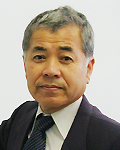 Katsuhiko Takaike
 Michio Ezaki
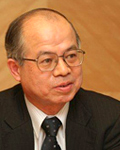 Akira Momochi
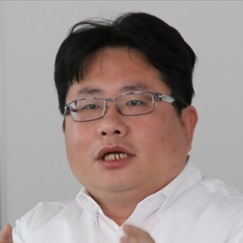 Akio Yaita
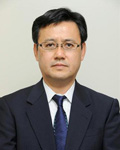 Yoshihiko Yamada
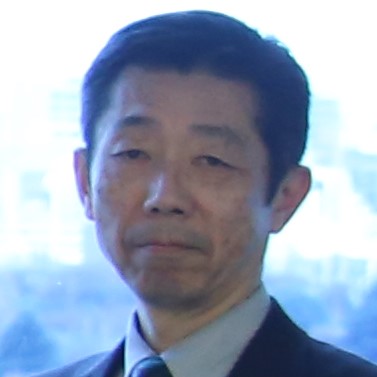 Seiji Kurosawa
 Koichi Endo
 Brahma Chellaney
 Nobuko Araki
 Yang Haiying
 James Auer
 Sumihiko Kawamura
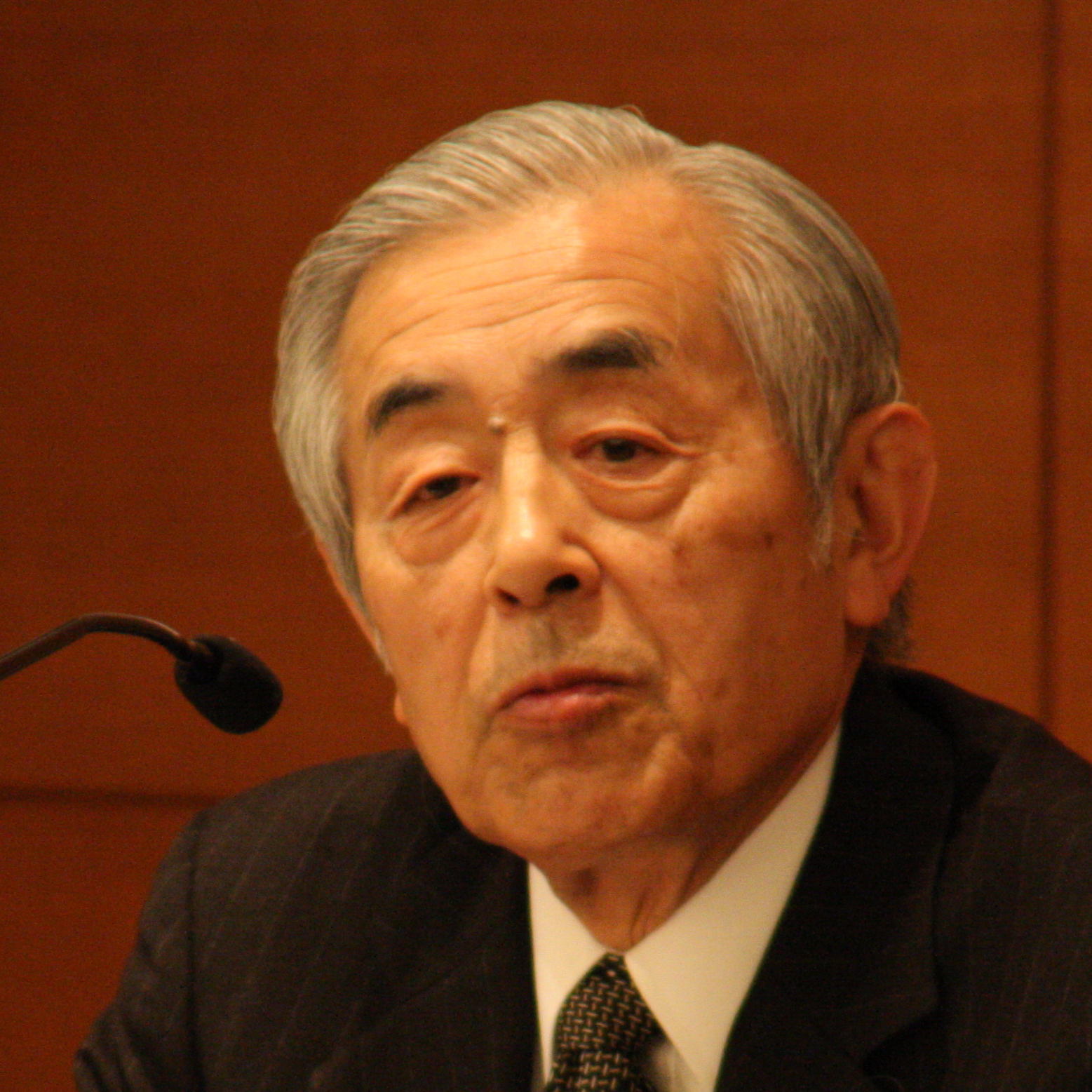 Hiroshi Kimura
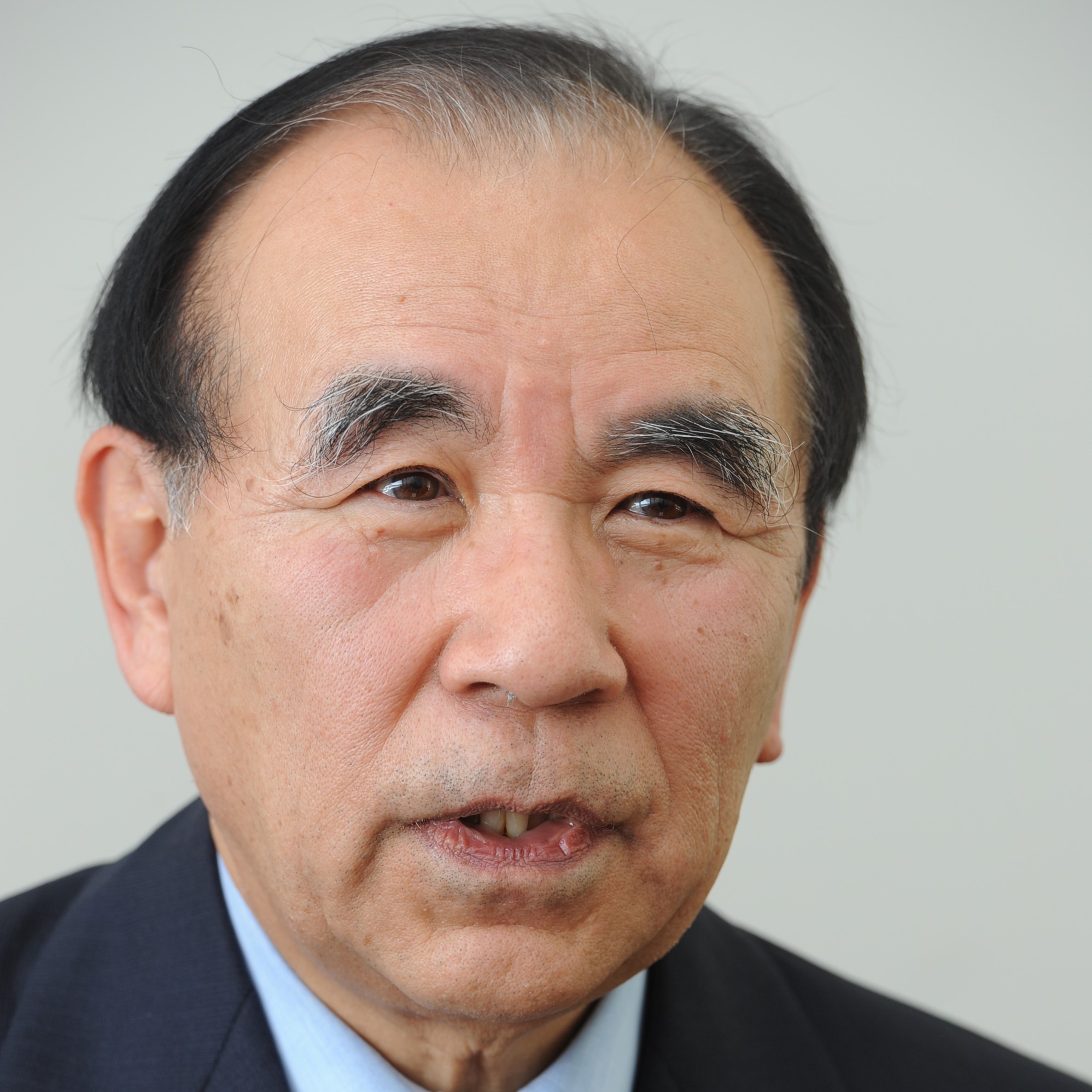 Osamu Nishi
 Koko Kato
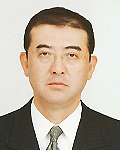 Tadashi Saito
 Shohei Umezawa
 Jason Morgan
 Arvind Gupta
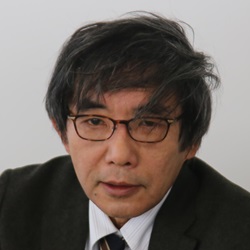 Kenro Nagoshi
 Takeshi Kudo
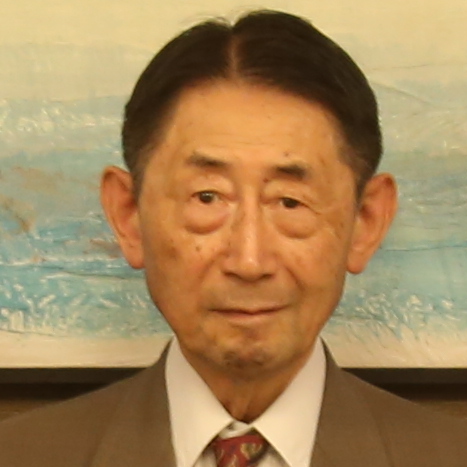 Sukehiro Hirakawa
 Yumiko Nishimoto
 Rikiwo Shikama
 Eriko Yamatani
 Koichi Furusho
 Tadashi Ito
 Satoshi Hirano
 Lee Woo Young
 Taro Yayama
 Koh Sekai
 Koji Okamoto
 Tsutomu Toichi
 Hideaki Karaki
 Toshu Noguchi
 Kichinosuke Ihara
 Hisashi Matsumoto
 Yasuyuki Takai
 Nobuyuki Sato
 Chung Dae Kyun
 Toshio Watanabe
 Katsuya Tsukamoto
 Kazuto Suzuki
 Koichi Mera
 Akihisa Nagashima
 Miki Kase
 Eitaro Ogawa
 Hirotaka Watanabe
 Akinaka Senzaki
 Kevin Maher
 Yang Yi
 Hidetake Sawa
 Satoshi Tomisaka
 Nobukatsu Fujioka
 Masanori Kondo
 Hiroshi Ito
 Mio Sugita
 Rupakjyoti Borah
 Seiichi Okutomi
 Saburo Tsukamoto
 Yasuo Naito
 Satoshi Sakakibara
 Yen-Hung Lin
 Sanae Takaichi
 Haruhisa Nakagawa
 Norihide Miyoshi
 Syunichi Akasofu
 Ryoichi Hamamoto
 Hong Hyung
 Andrii Gurenko
 Ronald Morse
 Kazuhiko Inoue
 Keiichi Nakagawa
 Masamori Sase
 Katsutoshi Kawano
 Tomohisa Takei