
The latest U.S. and Israeli military attacks on Iran have blocked Iran’s nuclear development for the time being. Iran has attacked not only Israel but also Sunni Arab countries in the Gulf region, leading them to abandon their neutral stance and issue a joint statement with the United States to condemn Iran. The balance of power in the Middle East is expected to change significantly.
As Israeli Prime Minister Benjamin Netanyahu addressed a joint session of the U.S. House and Senate in 2024, the Abraham Accords, which normalized relations between Israel and some Arab countries, could lead to an Abraham Alliance to further develop the spirit of the Accords. Such a development would likely strengthen the influence of Israel and the U.S. in the Middle East.
Prolonging the war against Iran is a bad idea
On the path toward this stage, Japan should present three key positions to the international community. The first is an advice to the U.S. The biggest strategic challenge facing the U.S. in the current international order is a long-term great power competition with China. The U.S. National Defense Strategy designates the maintenance of deterrence in the Indo-Pacific region as the second most important priority after security in the Western Hemisphere. The stability of the Taiwan Strait and the East China Sea is directly linked to Japan’s national security. It is important for Japan and the U.S. to share the need for strategic resource management to prevent U.S. military operations in the Middle East from undermining deterrence against China.
The depletion of precision weapons is a particular matter of concern. A large-scale consumption of cruise and precision-guided missiles affects the reliability of deterrence in the Indo-Pacific. If the U.S. deploys ground troops in Iran, strategic U.S. resources may be depleted over a long term, as shown by the experiences of the Afghanistan and Iraq wars. Such a situation would present a strategic opportunity for China and would likely be most welcomed by Beijing.
It is true that preventing Iran’s nuclear weapon development and maintaining stability in the Middle East are important for the international community. However, none should forget the reality that the strategic center of gravity of the U.S. is in the Indo-Pacific. The U.S. is required to carefully control the scale and duration of military operations in the Middle East to ensure that they do not undermine deterrence against China. At the Japan-U.S. summit scheduled for March 19, Prime Minister Sanae Takaichi should discuss and share this strategic awareness with President Donald Trump.
Don’t spare support for Iran’s peaceful nuclear energy use
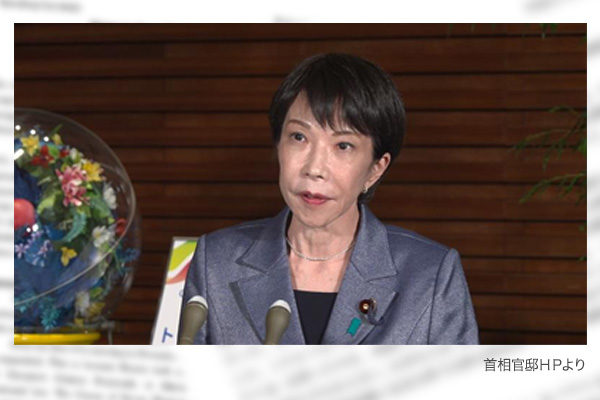
“I condemn Iran’s actions,” Takaichi said, underscoring Japan’s opposition to Iran’s attacks on civilian and diplomatic facilities in neighboring countries. Building on that, it is important for the prime minister to emphasize that Japan will spare no effort in providing assistance when Iran seeks to rebuild itself as a democratic nation. Particularly, Takaichi should express her determination to support Iran’s peaceful use of nuclear energy, drawing on Japan’s experience in having gained the trust of the international community.
Finally, it is time for Takaichi to express her determination that Japan will become a normal democratic nation, which means realizing her ruling Liberal Democratic Party’s core principle of constitutional amendment, becoming a country that would defend itself through its own efforts, and contributing to Asia and the entire world in accordance with Japan’s national character. She should also come up with specific measures to substantially enhance Japan’s defense capabilities to address every crisis in cooperation with the U.S.
Yoshiko Sakurai is President, Japan Institute for National Fundamentals.
 Tsutomu Nishioka
 Takashi Arimoto
 Tadae Takubo
 Fumio Ota
 Yasushi Tomiyama
 Masahiko Hosokawa
 Yoichi Shimada
 Hiroshi Yuasa
 Tadashi Narabayashi
 Hideo Tamura
 Kiyofumi Iwata
 Kunio Orita
 Maki Nakagawa
 Etsuro Honda
 Yujiro Oiwa
 Hironobu Ishikawa
 Shiro Takahashi
 Katsuhiko Takaike
 Michio Ezaki
 Akira Momochi
 Akio Yaita
 Yoshihiko Yamada
 Seiji Kurosawa
 Koichi Endo
 Brahma Chellaney
 Nobuko Araki
 Yang Haiying
 James Auer
 Sumihiko Kawamura
 Hiroshi Kimura
 Osamu Nishi
 Koko Kato
 Tadashi Saito
 Shohei Umezawa
 Jason Morgan
 Arvind Gupta
 Kenro Nagoshi
 Takeshi Kudo
 Sukehiro Hirakawa
 Yumiko Nishimoto
 Rikiwo Shikama
 Eriko Yamatani
 Koichi Furusho
 Tadashi Ito
 Satoshi Hirano
 Lee Woo Young
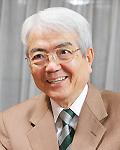 Taro Yayama
 Koh Sekai
 Koji Okamoto
 Tsutomu Toichi
 Hideaki Karaki
 Toshu Noguchi
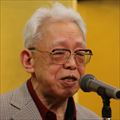 Kichinosuke Ihara
 Hisashi Matsumoto
 Yasuyuki Takai
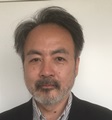 Nobuyuki Sato
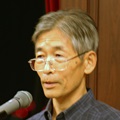 Chung Dae Kyun
 Toshio Watanabe
 Katsuya Tsukamoto
 Kazuto Suzuki
 Koichi Mera
 Akihisa Nagashima
 Miki Kase
 Eitaro Ogawa
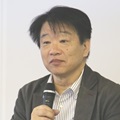 Hirotaka Watanabe
 Akinaka Senzaki
 Kevin Maher
 Yang Yi
 Hidetake Sawa
 Satoshi Tomisaka
 Nobukatsu Fujioka
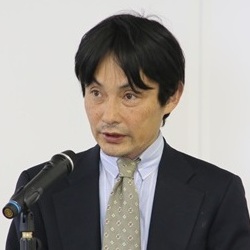 Masanori Kondo
 Hiroshi Ito
 Mio Sugita
 Rupakjyoti Borah
 Seiichi Okutomi
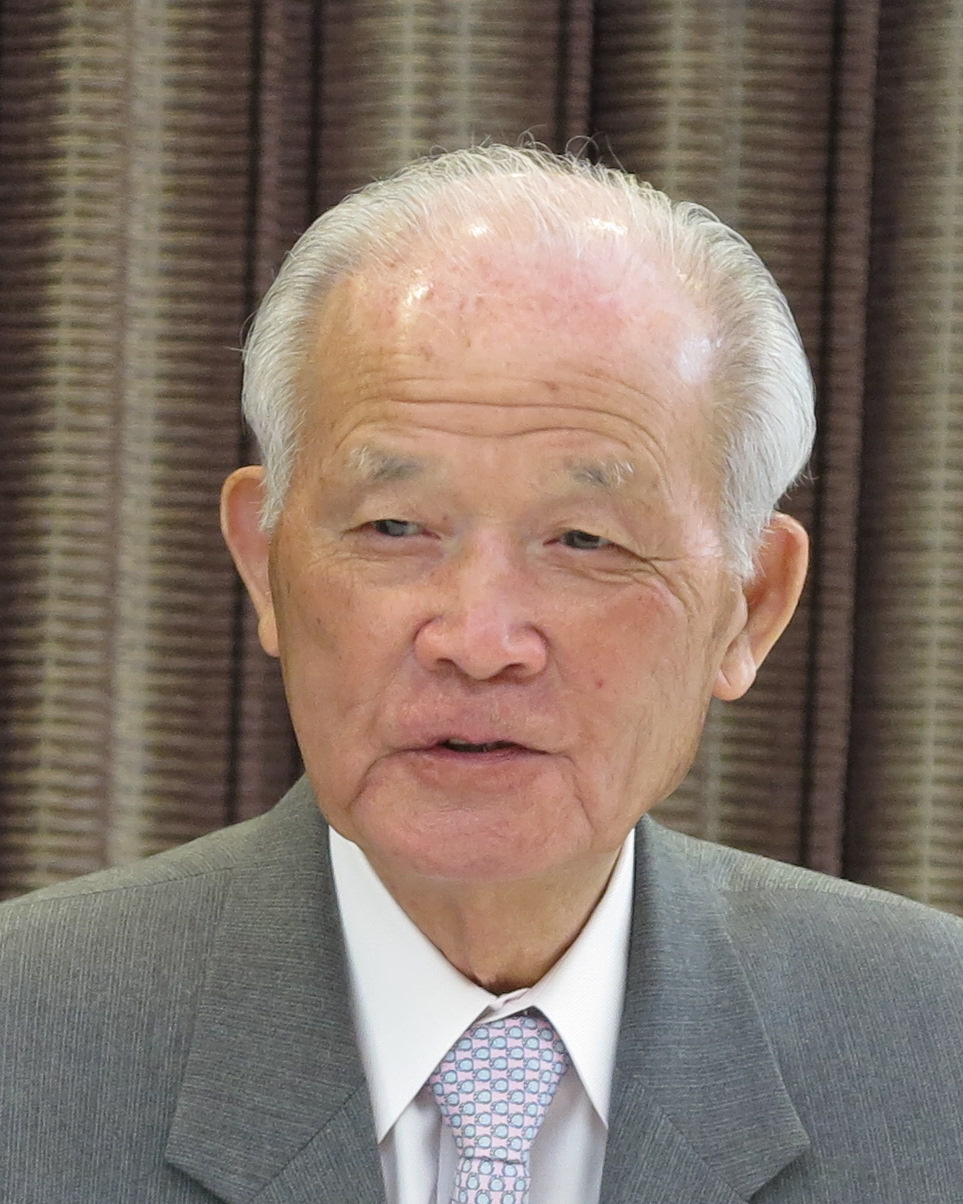 Saburo Tsukamoto
 Yasuo Naito
 Satoshi Sakakibara
 Yen-Hung Lin
 Sanae Takaichi
 Haruhisa Nakagawa
 Norihide Miyoshi
 Syunichi Akasofu
 Ryoichi Hamamoto
 Hong Hyung
 Andrii Gurenko
 Ronald Morse
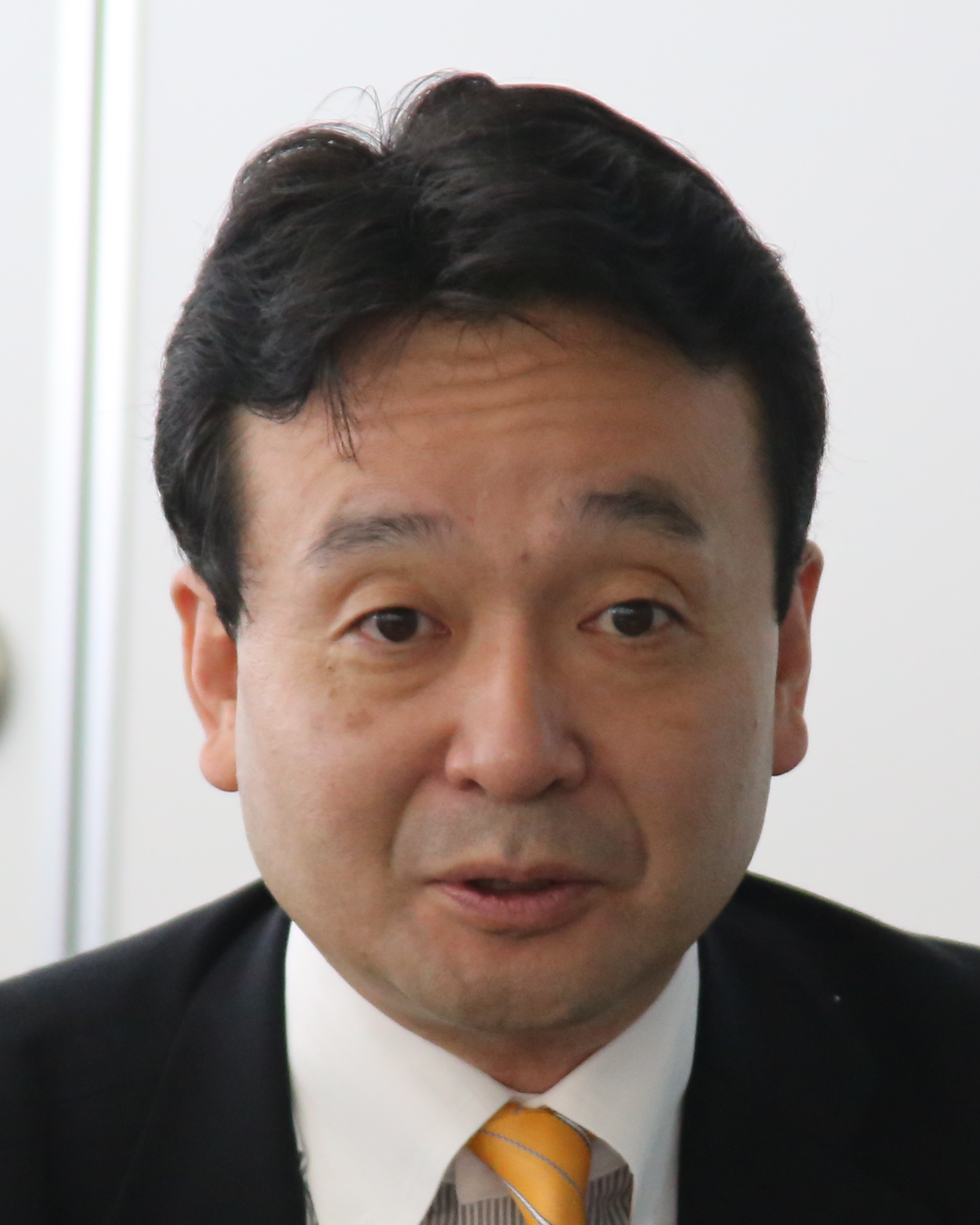 Kazuhiko Inoue
 Keiichi Nakagawa
 Masamori Sase
 Katsutoshi Kawano
 Tomohisa Takei